Photographers › Wedding Photographers
Hiring a Wedding Photographer in California: Venue Light, Permits, and Price Levels
When I was shooting, the couples who got the best photographs were rarely the ones who spent the most. They were the ones who made three decisions well: they picked a ceremony time that respected the light at their venue, they sorted out whether their dream portrait location needed a permit before the wedding week, and they understood which price tier they were actually shopping in — because California has at least three photography markets wearing one state's name.
I no longer have a package to sell you, so here is the unvarnished version: how venue light really works in California, where the permit traps are, and what each price level honestly buys.
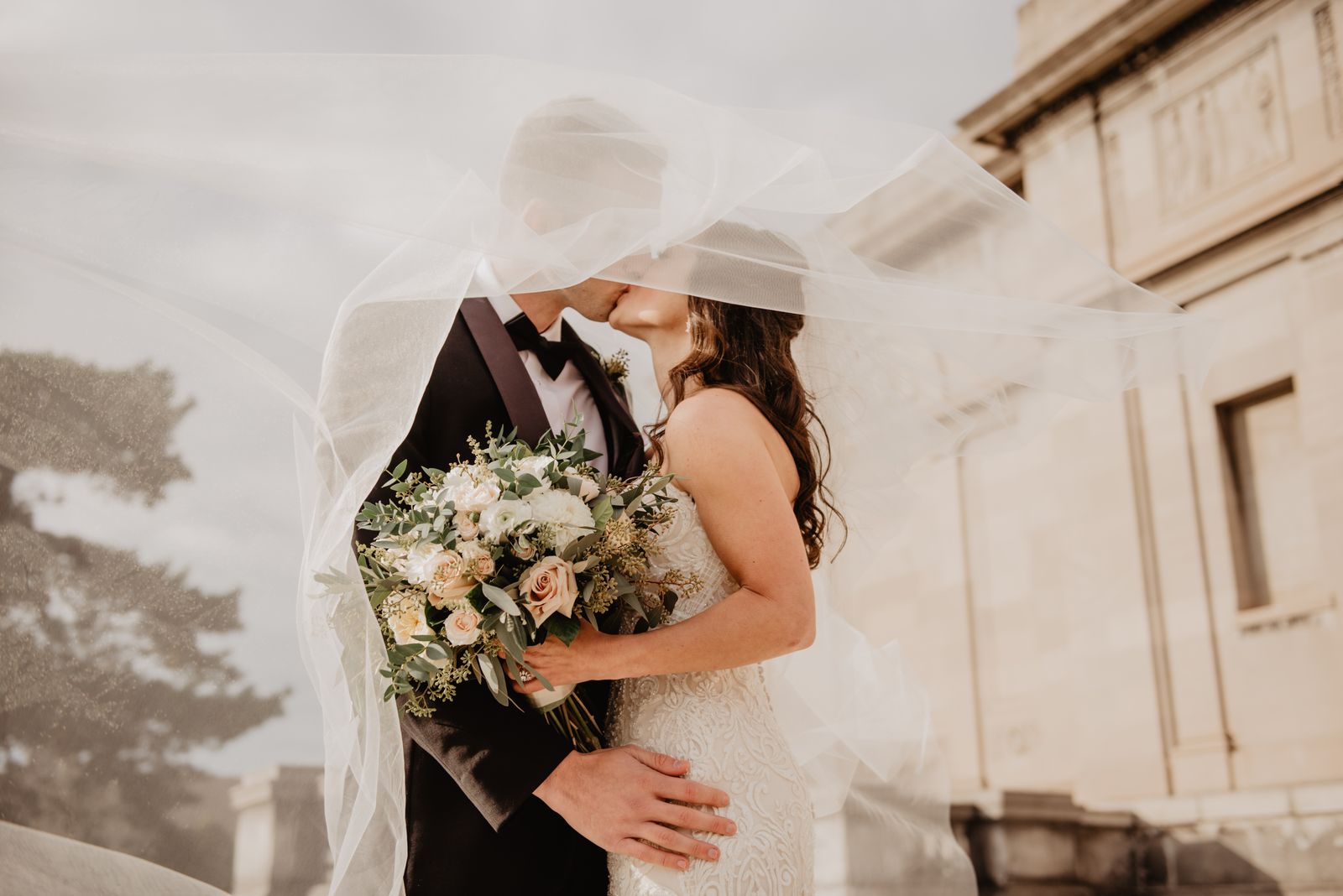
First, the price map: California is three markets
The national anchor: The Knot's 2026 Real Weddings Study puts the average spend on a wedding photographer at $3,000 for couples married in 2025, with the middle half paying roughly $1,500 to $4,700. California sits on top of that anchor like a surcharge, and the size of the surcharge depends on your ZIP code.
| Market | What experienced full-day coverage typically runs | What drives it |
|---|---|---|
| San Francisco Bay Area | ~$5,500 average; established studios $6,000–$9,000 | The state's highest vendor costs; Joy's 2026 city data puts the Bay Area average near $5,500 |
| Los Angeles & Orange County | ~$5,000 average; standard packages $3,000–$6,000 | Enormous spread: BrideBox's California data puts the LA standard average near $3,180, while editorial names run $10,000–$20,000 |
| San Diego | $3,500–$6,500 | A step below LA, except the coastal luxury pockets |
| Wine country (Napa, Sonoma, Paso Robles) | Metro prices in season | Destination demand; September–October harvest dates book a year-plus out at peak rates |
| Central Valley & inland (Fresno, Modesto, Sacramento area) | ~$2,500–$4,500 | Working professionals at or near the national average; the state's best value for experienced shooters |
Statewide context helps the numbers make sense: BrideBox's 2026 California analysis projects the average California wedding overall at $44,000 to $55,000 for a 100-guest event, with San Francisco averages around $51,500 and metro celebrations frequently far above that. Photography normally takes roughly a tenth of the budget. If your total budget is $50,000 and the photography quotes are all under $2,000, you are not finding bargains — you are under-buying the only vendor whose product outlives the day, or comparing photographers whose packages quietly exclude the second shooter, the album, and half the hours.
Read packages by their contents, not their titles. The honest comparison list: hours of coverage, one photographer or two, engagement session included or not, delivery format (online gallery only, or an album and prints), and the delivery deadline in writing. Two more California-specific line items to check: travel fees (a Bay Area photographer shooting in Big Sur or Yosemite will reasonably bill mileage and a hotel night), and whether permit fees for your portrait locations are included, passed through, or — worst case — not mentioned at all.
Venue light: the decision you make once, at booking
Photographers talk about light the way farmers talk about weather, because at an outdoor California venue, light is the product. Three patterns cover most of the state.
The coast gives you a sunset and takes away your afternoon. California faces west, so a beach or bluff ceremony ends facing the light — the reason those backlit processionals look the way they do. The working rule California shooters build timelines on: end the ceremony 60 to 90 minutes before sunset, cap family formals at 30 minutes with a written shot list, and take couple portraits as the light softens, in the golden window that in practice lasts about 20 to 40 minutes before the sun drops. Slip away from the reception for 15 to 20 minutes if the ceremony ran early; guests forgive it when they're told in advance. The coastal catch is the marine layer: from May into July, May Gray and June Gloom can hold fog over the beach until late morning or all day. It is genuinely lovely portrait light — soft and even — but it is not a sunset. Hire for the portfolio that handles gray light well if your date sits in those months.
Inland valleys give you the opposite problem. In Fresno, Sacramento, and Paso Robles, a July ceremony at 4 p.m. means portraits in punishing heat and hard overhead sun, the least flattering light that exists. The fix is structural: a later ceremony, portraits in open shade (under oaks, on a north-facing facade, inside a barn or estate room), and a photographer who will insist on both. In December the constraint flips to the clock — golden hour can fall before 4:30 p.m., so a 3 p.m. ceremony puts you at the altar in flat midday light and delivers you to cocktail hour in the dark.
Dark venues are a skill test, not a vibe. Redwood groves in the Santa Cruz Mountains and Mendocino are dim at noon; winery barrel rooms and caves are dimmer at dinner. This is fast-lens, high-ISO work, and it separates portfolios instantly. For any low-light venue, demand a full gallery shot in a similar space. A photographer whose book is all noon beach weddings is not lying to you — they are showing you a different job than the one you're hiring for.
One more venue reality: many California venues — estates especially — run preferred-vendor lists, hard load-in and load-out windows, and rules about where photographers may stand during the ceremony. None of that is sinister, but a photographer who has worked your venue knows where the sun drops behind the ridge at 6:40 and which coordinator enforces the "no flash during vows" rule. Local knowledge is a line item. Price it like one.
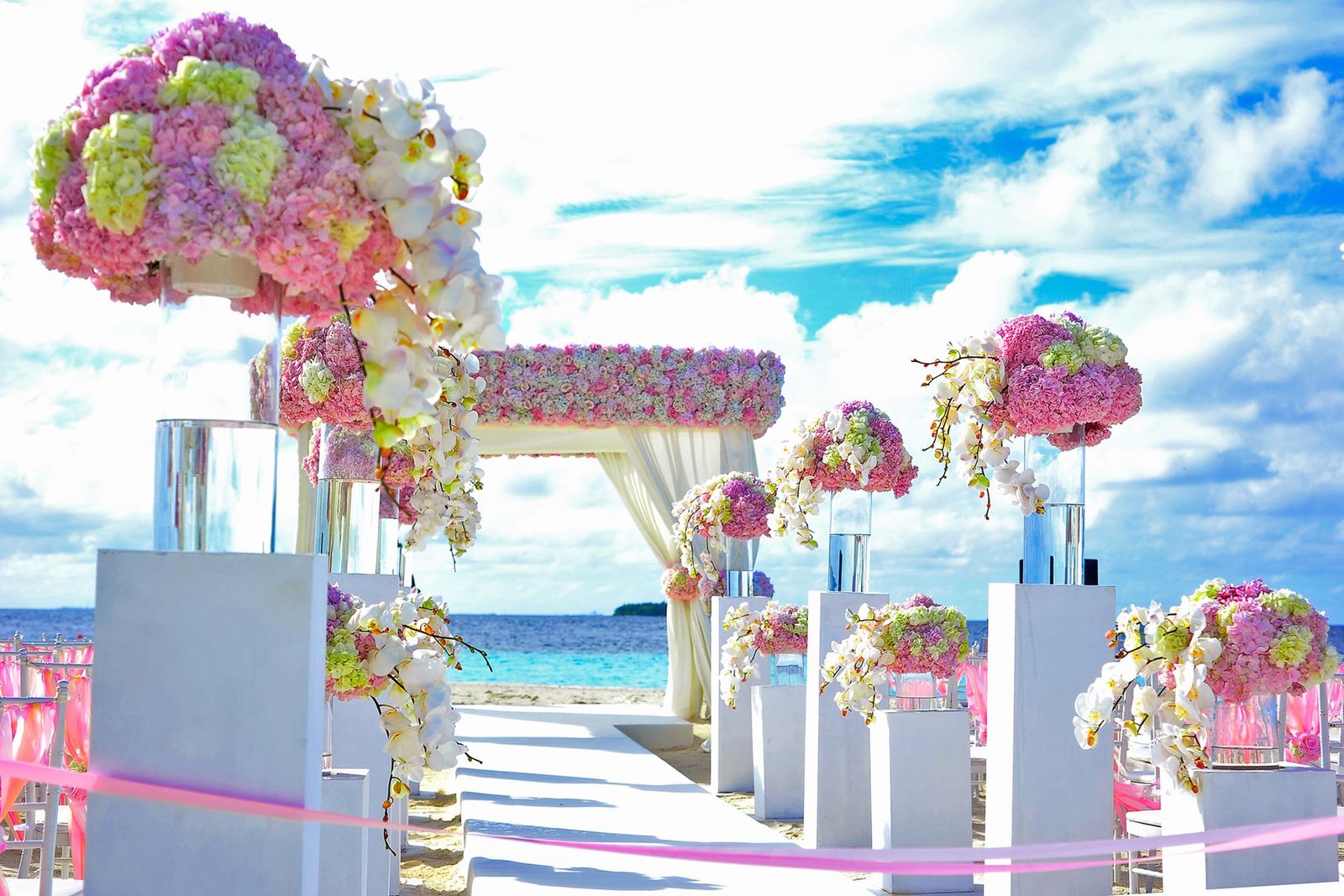
Permits: the unglamorous section that can end a portrait session
Here is the rule that surprises couples: on much of California's public land, paying a photographer turns your portrait session into commercial photography, and commercial photography needs permission in advance.
State parks and state beaches are the big one, because they include so many postcard locations — El Matador and Leo Carrillo in Malibu among them. California State Parks requires permits for weddings and for commercial filming and photography; its special-event guidance in the North Coast Redwoods district, to take one published example, asks for applications at least 45 days ahead, with fees commonly $300 or more and group limits in sensitive areas (redwood groves there cap at 10 people). The photography permit itself runs through the California Film Commission: the CFC charges no processing fee of its own, State Parks charges a review fee of about $100 a day for a simple shoot ($250 for a complex one), applications must be in at least four business days ahead, and liability insurance is required. Two different clocks — the park's event clock and the CFC's film clock — can apply to the same afternoon. Start early.
Los Angeles is several jurisdictions in a trench coat. Per a 2026 Los Angeles permit guide compiled from the issuing offices' published schedules: a paid photographer in a City of LA park runs through FilmLA and the Park Film Office (about a $104 application fee plus roughly $75 a day in park use fees); LA County parks and beaches are also FilmLA territory (about $104 plus $100 a day), and the county states explicitly that hiring a professional triggers the permit; Santa Monica's beach and pier run through the city's own film office, with fees starting around $110; Beverly Hills sells a specific wedding and group photo permit by the hour (about $86 an hour, two-hour maximum). And some beloved spots are simply closed to the idea — the Getty Center allows no professional wedding or engagement photography at all. Meanwhile, in the Santa Monica Mountains' national park areas, small groups (eight people or fewer) have needed no permit since January 2025. The landowner is the whole question; "it's a public park" is not an answer.
The professional way to handle all of this is boring: the contract names who researches and files the permits, fees pass through at cost, and the timeline accounts for tides (El Matador's coves cut off at high tide) and for the walk between the ceremony site and the portrait spot. If your photographer waves the question away, that is information. Rangers do stop unpermitted sessions, and "we'll just be quick" is not a permit strategy — it is how a couple ends up doing portraits in a parking lot.
What each price level actually buys
Under ~$2,500 in the metros buys an emerging photographer: real talent sometimes, thin insurance and thinner backup plans always worth checking. Ask about backup gear, a second memory-card workflow, and what happens if they are sick. In the Central Valley, the same money buys an established professional — geography is the whole trick.
~$3,000–$6,500 is the working heart of the California market: experienced lead photographers, usually a second shooter at the top of the range, engagement sessions commonly bundled, galleries delivered in weeks rather than months. Most couples should shop here and spend their energy on fit and full galleries rather than on climbing tiers.
$8,000 and up buys a name: editorial style, film photography, multi-day coverage, and a queue of couples behind you. BrideBox's California data puts luxury photography at $8,000 to $20,000 and beyond in Los Angeles, and destination specialists quote full California wedding collections from about $4,900 to $12,000 before travel. This tier can be worth every dollar — but judge it on complete weddings at venues like yours, because at this level you are paying for a point of view, and a point of view you don't love is the most expensive mistake in the category.
At every tier, get four things in the contract: the delivery deadline for the full gallery, the retainer and cancellation terms (a substantial retainer — often half — is standard in California), who exactly is shooting (the person you met, named), and the permit responsibility described above. And one tax note that is pure California: under the state's tax rules as administered by the CDTFA, if your package includes anything tangible — an album, prints, a USB drive — sales tax applies to the entire charge, services included; purely electronic delivery is generally not taxed. On a $6,000 package that distinction is worth several hundred dollars, and structuring the album as a later, separate purchase is a normal conversation to have before you sign, not a dodge.
How to shortlist, California-style
Ask every serious candidate for two complete wedding galleries, one of them at a venue like yours, in light like yours. Check the unglamorous frames: the dark reception, the midday group photo, the tenth table shot. Then ask the three California questions — what time would you set our ceremony, given the date and the venue? Who files the permit for our portrait location? Have you shot our venue before, and if not, will you scout it? The answers separate the state's professionals from its hobbyists faster than any portfolio.
This site's directory lists 564 wedding photographers among its photography listings, which is best used the way you'd use a map of the state itself: find the specialists in your market and venue type, then verify — full galleries, a contract that names permits and delivery dates, and a timeline conversation that starts with the sunset. Do that, and the light California is famous for stops being a backdrop and becomes what it should be: the reason your photographs look the way they do.
Sources
- The Knot 2026 Real Weddings Study (couples married in 2025), via GetCostPrice's sourced summary and Revell Photography's 2026 cost guide — national average photographer spend $3,000; middle half ~$1,500–$4,700; Joy's July 2026 city averages: Los Angeles ~$5,000, San Francisco Bay Area ~$5,500.
- BrideBox, "The Cost of a Wedding in California: 2026 Data Backed Guide" — California average wedding projected $44,000–$55,000 (100 guests, 2026); San Francisco average ~$51,500; standard photography $3,000–$6,000 with LA standard average ~$3,180; luxury photography $8,000–$20,000+; videography context.
- Wedding Realm, "Best Wedding Photographers & Videographers in California for 2026" — California pricing tiers (budget $1,000–$2,500; mid-range $2,500–$5,500; premium $5,500–$15,000+).
- Golden Glow Weddings, "Destination Wedding Photography in California: 2026 Guide" and "Wedding Day Timeline for Photos & Film in California" — destination collections ~$4,900–$12,000, travel fees $1,000–$5,000 when importing a photographer; timeline rules: end ceremony 60–90 minutes before sunset, family formals capped at 30 minutes, golden hour 20–40 minutes in practice, December golden hour before 4:30 p.m., 15–20 minute reception portrait break.
- California Film Commission, Permit FAQ — commercial photography on state property requires a CFC film permit; applications at least 4 business days ahead; CFC charges no processing fee; State Parks/Caltrans charge review fees; insurance required, including for students.
- California State Parks — Diablo Range District filming page (review fee $100/day simple, $250/day complex shoots; DPR 245A form) and North Coast Redwoods District Special Event Permits page (weddings and commercial photography listed as special events; applications at least 45 days ahead and up to 6 months out; fees commonly $300+; redwood grove limit of 10 people; liability insurance certification required).
- Lulan Studio, "Engagement Photo Permits in Los Angeles (2026 Guide)" (fees verified against issuing offices' published schedules, August 2026) — FilmLA $104 application; City of LA park use ~$75/day; LA County ~$100/day and the county's explicit paid-photographer trigger; Santa Monica from ~$110; Beverly Hills wedding/group photo permit ~$86/hour, 2-hour max; Malibu state beaches via CFC/State Parks ~$100/day review, 4 business days minimum; NPS Santa Monica Mountains small groups (≤8 people) permit-exempt since January 2025; Getty Center prohibition (also in sample-02's research; restated here from this guide).
- Ethan Hill Visuals / BridalFeel timeline guides — supporting ranges for portrait block durations (couple portraits 45–60 minutes, family formals 20–45 minutes) used as background for the timeline discussion.
- CDTFA photography tax treatment (tangible delivery makes the full charge taxable; electronic-only delivery generally not taxable) — carried from the rule as published in CDTFA Publication 68 and summarized in this run's permit/tax research.
Photographs
- photo via Pexels, https://www.pexels.com/photo/2253870/
- photo via Pexels, https://www.pexels.com/photo/169192/
- photo via Pexels, https://www.pexels.com/photo/931162/
More guides
- How to Find a Wedding Photographer: The Complete, Honest GuidePhotographers › Wedding Photographers
- How Much Does a Wedding Photographer Cost? Packages DecodedPhotographers › Wedding Photographers
- 10 Questions to Ask a Wedding Photographer Before You BookPhotographers › Wedding Photographers
- Wedding Photography Styles Explained: Documentary, Editorial, Traditional, Fine ArtPhotographers › Wedding Photographers
- Hiring a Wedding Photographer in New York: City Venues, Timelines, and Top-of-Market RatesPhotographers › Wedding Photographers
- All Guides & ArticlesBrowse the full guides library