Photographers › Wedding Photographers
How to Find a Wedding Photographer: The Complete, Honest Guide
Every other vendor's work disappears. The flowers wilt by Tuesday, the cake is eaten, the band's last song is a phone video. The photographs are the one purchase that is still working for you in thirty years — which makes the photographer the strangest hire of the wedding: the most consequential, bought the earliest, judged almost entirely on a highlight reel designed to hide exactly the things that will matter on your day.
I know, because I used to build those highlight reels. This guide is the hiring process from the other side of the camera: how to find the right style before you look at prices, how to read a portfolio so it actually predicts your gallery, what the work costs and when to book, and the contract clauses — delivery dates, backups, print rights — that decide whether a good day becomes a good album or a long argument.
Start with style, because style is the product
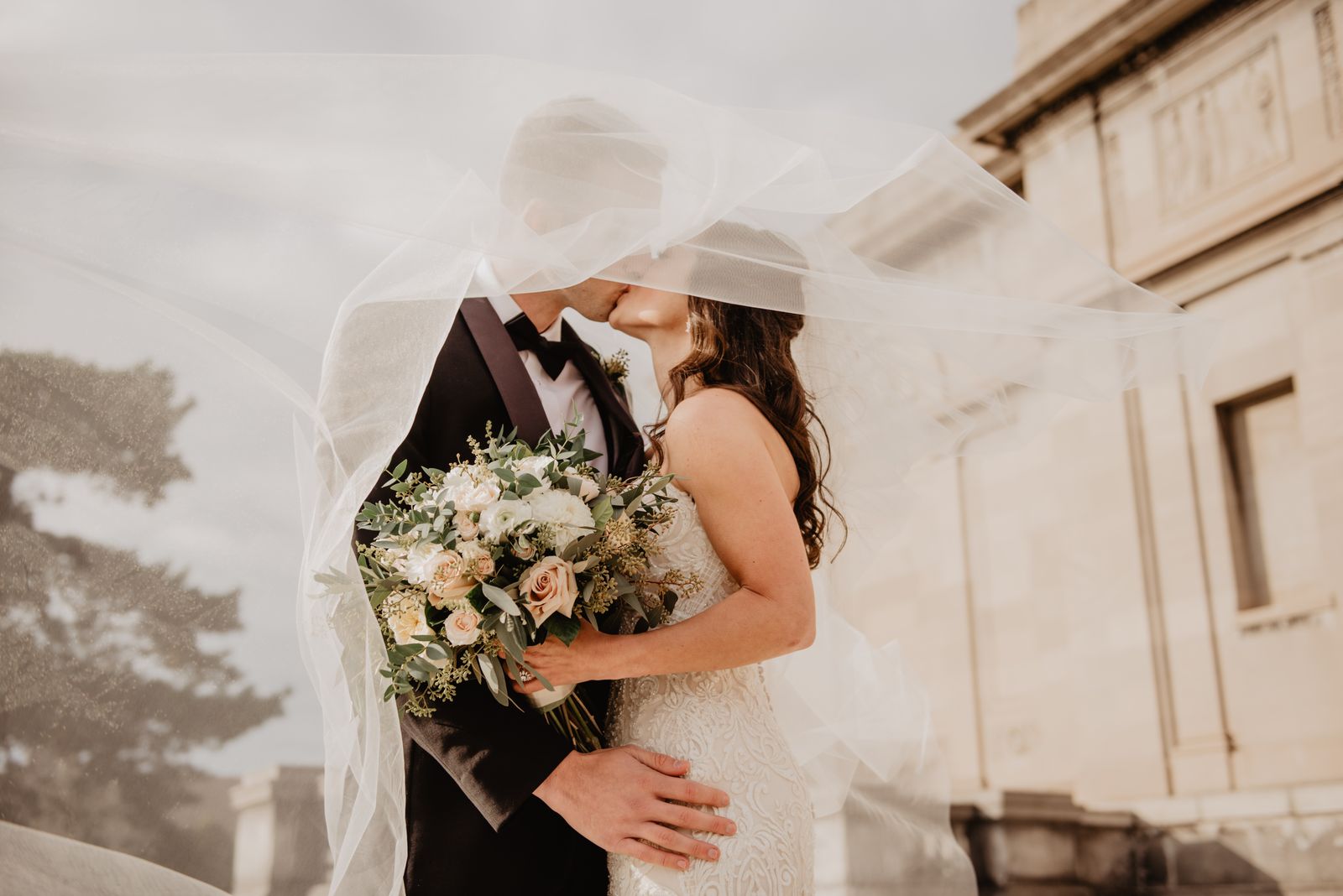
Photographers work in a handful of distinct approaches, and the difference between two approaches is far larger than the difference between two photographers working in the same one. Two documentary photographers will give you broadly similar galleries of the same wedding. A documentary photographer and an editorial photographer will give you galleries that barely look like the same day. So name your style first — it is the single most useful decision in the whole search.
| Style | How they work | What you give | What you get |
|---|---|---|---|
| Documentary (photojournalistic) | Watches and records; directs almost nothing | Almost nothing — you forget the camera is there | The day as it actually unfolded: real reactions, few posed frames, some untidiness included |
| Editorial | Directs deliberately — poses, light and locations arranged like a magazine shoot | Time and willingness to be directed, repeatedly | Striking, considered portraits; fewer unguarded guest moments |
| Fine art | Style-forward, often soft, pale and film-influenced, sometimes shot on film | A portrait session, often in the best light of the day | A consistent, unmistakable look — beautiful when it suits your venue, worth testing against difficult light |
| Classic / traditional | Coverage-first: formal portraits, every family group, every ritual, cleanly | An hour or so of organized group posing | The complete, reliable record every relative expects |
| Hybrid | Documentary most of the day, one directed block for portraits and groups | A planned window for formals | The story plus the classics — the most common professional compromise; ask how the hours split |
Be honest about which couple you are. Editorial work asks for a couple who enjoys being directed for an hour; documentary work asks for a couple who will not panic that nobody is arranging them. Neither is a lesser choice. The mismatch is the failure — a camera-shy couple who hired a fashion-led photographer, spending their wedding being posed, is a story I have watched happen, and both sides did exactly the job they were hired for.
What it costs, and when to book
The Knot's 2026 Real Weddings Study, covering 10,474 couples married in 2025, puts the average spend on a wedding photographer at $3,000, with a median of $2,800 and the middle half of couples paying roughly between $1,500 and $4,700. Zola's pricing index runs higher — around $4,400 nationally — because it indexes vendor package pricing rather than what all couples, including small weekday weddings, actually spent. Both are honest numbers measuring different things; the planning truth sits between them, and where you marry moves it a great deal. The Knot's regional averages run about $3,800 in the Mid-Atlantic and $3,700 in New England, against $2,600 in the Southwest and $2,700 in the South. Guest count moves it too, mostly through time: The Knot's figures rise from about $2,000 for weddings of up to 50 guests to about $3,500 at 101 guests and above, because group portraits and coverage simply take longer at scale.
Photography typically runs around a tenth of the total budget — on the average 2025 wedding of $34,200, the $3,000 average is roughly 9 percent. Use that as a sanity check in both directions. A $50,000 wedding with a $1,500 photographer is under-buying the only permanent record; a $15,000 wedding does not need a $7,000 one.
On timing, the calendar is less forgiving than the budget. Photographers are among the first vendors to book — commonly 11 to 12 months out, and the honest guidance from working studios is 12 to 18 months for peak-season Saturdays, with the most sought-after names in major metros closing those dates earlier still. The reason is structural: a full-service photographer caps the year at a limited number of weddings to protect editing and delivery, so inventory is genuinely scarce. The trigger is not the engagement; it is the signed venue contract. The week your date and venue are locked is the week to contact photographers. Fridays, Sundays, off-season dates and elopements carry real slack — often bookable at 8 to 12 months, or 2 to 6 for weekday celebrations — and that flexibility is worth money, because it widens your choice of photographer at every price.
Reading a portfolio so it predicts your day
A portfolio is the best thirty photographs from the best weddings, edited hardest. It proves a photographer can make a great image. It tells you almost nothing about what your gallery will look like. So do not hire from portfolios. Hire from full galleries: ask every serious candidate for two complete weddings, start to finish, ideally one at a venue like yours and one in conditions like yours — a dark barn, a midday beach, a rainy city hall.
In a full gallery, look for the unglamorous evidence:
- The middle of the day. Getting-ready clutter, harsh noon light, a chaotic family-group session. Everyone's sunset portraits are lovely. The 1 p.m. photographs are the job.
- Reception light. Most of your wedding happens after dark, in rooms lit for mood, not cameras. A gallery that goes vague, orange or empty after dinner is telling you how yours will look.
- Guests, not just the couple. Do the photographs include your people — reactions, speeches, the dance floor — or is it two hundred frames of two people? Decide which gallery you want before you discover which one you bought.
- Consistency of edit. One coherent look across a whole day, including the difficult frames, is professionalism. A gallery that only coheres in the twenty best shots is a portfolio wearing a gallery's clothes.
- People who look like themselves. Skin tones that survive the edit, grandparents photographed with the same care as the couple. In twenty years, those are the frames that matter most.
Then run the engagement-session test if you can. An engagement shoot is genuinely useful beyond the photographs: you learn how this person directs, how you relax in front of their camera, and how their delivery and communication actually work, all on a day when nothing is at stake. Couples are visibly more relaxed on the wedding day for having done one. It is the only rehearsal this vendor offers. Take it.
One photographer or two?
A second photographer is not an upgrade to buy by default; it buys specific things, and you either need them or you do not.
Pay for the second when moments happen simultaneously: two getting-ready locations at once, a ceremony you want covered from the front and from behind at the same time, a guest count above roughly 100 to 150, or a venue spread across several spaces. While the lead works through family groups — which take as long as they take — the second keeps the rest of the wedding being photographed instead of waiting.
Skip it, without regret, for a smaller wedding in one place. Under about 100 guests in a single venue, a second photographer mostly produces more frames of the same moments, and that money usually does more as extra coverage hours from the lead — which buys the end of the evening, the part of the day one tired photographer's package most often cuts.
Either way, get the arrangement in writing: who the second is, whether they are a professional or a trainee, and whether the person whose work you reviewed is the person who will actually shoot your wedding. With studios, this is the central question. A studio books the date and assigns a photographer later; the portfolio you fell for may belong to someone else entirely. That model can work — good studios train and audit their shooters — but the name of your photographer, and your right to approve a replacement, belong in the contract.
The contract: where good weddings are actually protected
Everything above is taste. This section is protection, and it is the part couples skip. The questions worth your meeting time are the ones whose answers live in the contract, because those are the ones that cannot be fixed later.
The named photographer and the replacement clause. Who shoots, by name, and what happens if they are ill, injured or double-booked: a named backup whose work you can see, a replacement clause, and a refund position if no acceptable replacement exists.
Backup, in two senses. Gear: spare camera bodies and lenses, carried, not stored at home. Files: the professional standard is a camera writing to two memory cards at once, with the files copied to at least two places — often including the cloud — by the next morning. Memory cards fail and bags get stolen from cars; a professional plans for both, and can describe the plan without hesitating.
Delivery, as a date. Six to twelve weeks is the honest range for a full edited gallery in peak season. Get a specific number of weeks in the contract, plus a sneak peek within days, and ask how long the online gallery stays live and what happens when it expires — many galleries switch off automatically, and couples lose the easy download window without ever being warned. Download everything the week it arrives, and keep your own second copy. The photographer's archive is not your archive.
Copyright and the print release. The photographer almost always keeps the copyright. What you need is a written personal-use license and print release: the right to print for yourselves and family, share online, and use a lab of your choice. Two adjacent clauses deserve separate answers, not one blurred one: what you may do with the images, and what the photographer may do — portfolio, social media, awards, advertising. If you do not want your ceremony on a stranger's Instagram, that opt-out goes in the contract, not in a hopeful conversation.
The money, completely. Total price, retainer, and the balance date — a substantial retainer to hold the date, commonly around half, is standard and is almost always non-refundable, which is normal rather than a red flag. Then the clauses couples forget until they cost money: the overtime rate, written as a number, and who may approve overtime on the day; travel, stated, for your actual venue address; tax, included or added; and the cancellation and postponement terms — in particular whether a postponement within a year carries your retainer to the new date.
The shortlist, run properly
Do it in this order and the process mostly runs itself. Decide your style, in words, before opening a single directory. Set the budget from your total — around a tenth is the working proportion. The week the venue is signed, pull a long list: this site's directory alone lists 564 wedding photographers among its 32,128 photography listings, and the honest use of any directory is as a map, not a verdict. Cut the list by style and city, then by full galleries — two per finalist, read for the middle of the day, not the sunset. Meet the two or three who survive; you will spend more hours near this person than almost any other vendor, and ease in their company is a photographic quality, because it shows in your face. Then sign a contract that names the photographer, dates the delivery, prices the overtime and releases the printing.
Do that, and you will have hired the one vendor whose work is still on your wall in thirty years the way professionals wish their clients hired: on evidence, not on a highlight reel.
Sources
- The Knot, 2026 Real Weddings Study (10,474 U.S. couples married in 2025), via The Knot's photographer cost guide, its study readout and the BBB's wedding planning guide — average photographer spend $3,000, median $2,800, middle quartiles roughly $1,500/$4,700; regional averages Mid-Atlantic $3,800, Northeast/New England $3,700, Midwest $2,900, West $2,900, South/Southeast $2,700, Southwest $2,600; average total wedding cost $34,200 in 2025; 87% of couples hire a photographer.
- Zola Wedding Cost Index comparison and guest-count pricing via Arrakis Films' booking guide, drawing on The Knot's data — Zola's national figure around $4,400 as a vendor-pricing index versus The Knot's couple-spend average; The Knot guest-count spend rising from about $2,000 (1–50 guests) through $2,700 (51–100) to about $3,500 (101+).
- Booking lead times via The Knot/WeddingWire reporting as summarized by Arrakis Films and Revell Photography — couples typically book photographers 11–12 months out; 12–18 months advised for peak-season Saturdays; full-service photographers capping annual weddings; BBB timeline guidance (venue 9–12 months out, photographer among vendors booked 6–9 months out) noted as the more conservative published schedule.
- Photography styles and second-photographer guidance via Focal Weddings' choosing-a-photographer guide and WeddingWise's style guide — documentary/editorial/fine art/classic definitions and what each asks of the couple; second photographer earning its cost for simultaneous getting-ready locations, dual ceremony angles and guest counts above roughly 150 (Focal) — the article uses a 100–150 band to reflect the range across sources, including Diffsense's and Hillery's guides putting the threshold near 100 guests.
- Contract, delivery and rights material via WeddingSnap's 12-questions guide (figures read on source pages October 24, 2026), Linen & List's questions guide and Bay Area Weddings' contract checklist — named photographer and replacement clause; dual-card-slot recording and two-location file backup within a day; six-to-twelve-week full-gallery delivery as the normal range with sneak peeks within days; online galleries expiring; photographer retaining copyright with couples needing a written personal-use license/print release; portfolio/model-release use as a separate clause; overtime as a written rate; retainer and postponement terms.
Photographs
- photo via Pexels, https://www.pexels.com/photo/2253870/
- photo via Pexels, https://www.pexels.com/photo/313707/
- photo via Pexels, https://www.pexels.com/photo/1024994/
More guides
- How Much Does a Wedding Photographer Cost? Packages DecodedPhotographers › Wedding Photographers
- 10 Questions to Ask a Wedding Photographer Before You BookPhotographers › Wedding Photographers
- Wedding Photography Styles Explained: Documentary, Editorial, Traditional, Fine ArtPhotographers › Wedding Photographers
- Hiring a Wedding Photographer in California: Venue Light, Permits, and Price LevelsPhotographers › Wedding Photographers
- Hiring a Wedding Photographer in New York: City Venues, Timelines, and Top-of-Market RatesPhotographers › Wedding Photographers
- All Guides & ArticlesBrowse the full guides library