Photographers › Wedding Photographers
Wedding Photography Styles Explained: Documentary, Editorial, Traditional, Fine Art
Open ten wedding photographers' websites and you will meet the same sentence wearing ten outfits: documentary with an editorial edge, light and airy, timeless. It sounds like a style. It is actually three claims stacked on top of each other — and two of them may contradict the third. I edited commercial photography for ten years, which mostly means I learned to separate what a picture is from what the caption says it is. That is the skill this guide teaches, because the style labels on a photographer's homepage are marketing copy, and the portfolio underneath them is evidence. Once you can read the evidence, you can name what you actually want — and hire the person who demonstrably makes it.
Here is the separation that makes everything else fall into place. The familiar list of "styles" — one widely used industry guide counts eleven — mixes two different decisions. The first is approach: what the photographer does while you are getting married. Do they stand back and watch, or step in and arrange? Documentary, editorial, traditional, and fine art live here. The second is look: how the finished images are lit, exposed, and edited afterward. Light and airy, dark and moody, true-to-color, film, and black-and-white live there. Every photographer you hire has one of each, whether they say so or not. A photographer can work in a documentary way and deliver a light-and-airy gallery, or direct you editorially and finish everything dark and moody. When a couple tells me they "love a photographer's style" but can't say why, it is almost always because they are responding to the look while the contract is buying the approach — and the approach is what your wedding day will actually feel like.
The four approaches, and what each one asks of you
Documentary — also sold as photojournalistic, reportage, or candid — means the photographer observes and does not direct. Moments are photographed as they happen, in the light that exists, from wherever the photographer can get to without changing the scene. Vogue's description of the mode is the cleanest: capturing the moment as it unfolds without interrupting, using images to narrate. The best documentary work has the feel of a good news photograph — real reactions, real timing, nothing restaged. Understand the trade honestly: documentary is not the absence of craft. The craft moves into anticipation, position, and timing — being in the right corner before your father's face changes, not after. What it asks of you is tolerance: the gallery will contain what the day contained, including the weather, the tears, and the uncle mid-sneeze, and it will contain fewer perfect frames of the two of you looking serene, because nobody stopped the day to manufacture them. Most documentary photographers will still organize essential family groups if asked. The distinction is that the story comes from what happened, not from a sequence built for the camera.
Editorial borrows from fashion magazines, and it is the opposite bargain. The photographer directs — sometimes heavily — to produce images that look like a magazine spread: deliberate poses, strong composition, architecture and light used as set design, the couple presented as the subjects of a story rather than guests at their own party. Done well, it is striking in a way documentary work rarely tries to be. What it asks of you is time and willingness: editorial portraiture consumes timeline — substantial blocks for posed work, location moves, sometimes outfit changes — and it asks you to perform, a little, in front of a lens. Couples who love that process get photographs that look like nothing their friends have. Couples who hate being directed look, in editorial galleries, exactly like people who hated being directed.
Traditional — or classic — is the style your grandparents' album was shot in, and reports of its death are greatly exaggerated. The photographer works from a shot list: the formal family groups in their combinations, the couple at the altar, the first dance, the cake, everyone looking at the camera and smiling, color accurate, nothing missed. Its virtues are completeness and legibility — this is the record the family will actually consult in thirty years — and its cost is spontaneity, because a day organized around a checklist photographs like a day organized around a checklist. Do not let anyone sell you traditional coverage as a failure of imagination. For many families, the group portrait with all four grandparents is the most valuable frame of the day, and only this approach guarantees it exists.
Fine art is the most loosely used term in the industry, so it needs the firmest definition. At its most rigorous, it describes work that prioritizes atmosphere, composition, and a specific aesthetic sensibility over coverage: selective, intentional frames, often shot on medium-format film or edited to carry film's softness — pastel color, bright and even exposure, shallow focus, details given the same weight as people. A bouquet, a shoe, a hand on a banister may receive the care a traditional photographer reserves for the first kiss. At its loosest, "fine art" is simply a label photographers in the light-and-airy tradition apply to themselves, which is why the only safe test is the portfolio: if the gallery lingers on objects, textures, and quiet in-between frames composed like still lifes, it is fine-art work. If it is a standard wedding shot brightly, it is a bright standard wedding.
Between the poles sit the blends you will actually hire. Lifestyle coverage is guided candid: the photographer gives gentle prompts — walk toward me, talk to each other, forget the camera — and harvests natural-looking frames from manufactured situations. It is the industry's center of gravity, and when a photographer says "documentary with an editorial edge," lifestyle is usually the honest translation: observed during the ceremony and reception, directed during portraits.
| Approach | Photographer's role | What the gallery feels like | What it asks of you |
|---|---|---|---|
| Documentary | Observer; anticipates, never stages | A narrative of the day as it happened | Tolerance for imperfection; few posed frames |
| Editorial | Director; poses and composes | A magazine spread you happen to star in | Timeline blocks; willingness to be directed |
| Traditional | Organizer; works a shot list | A complete, formal record | Time for group combinations; patience |
| Fine art | Author; selects and composes | An art object — atmosphere over coverage | Trust; some moments intentionally unshot |
| Lifestyle (blend) | Guide; prompts, then steps back | Natural-looking, quietly manufactured | Light cooperation; the middle path |
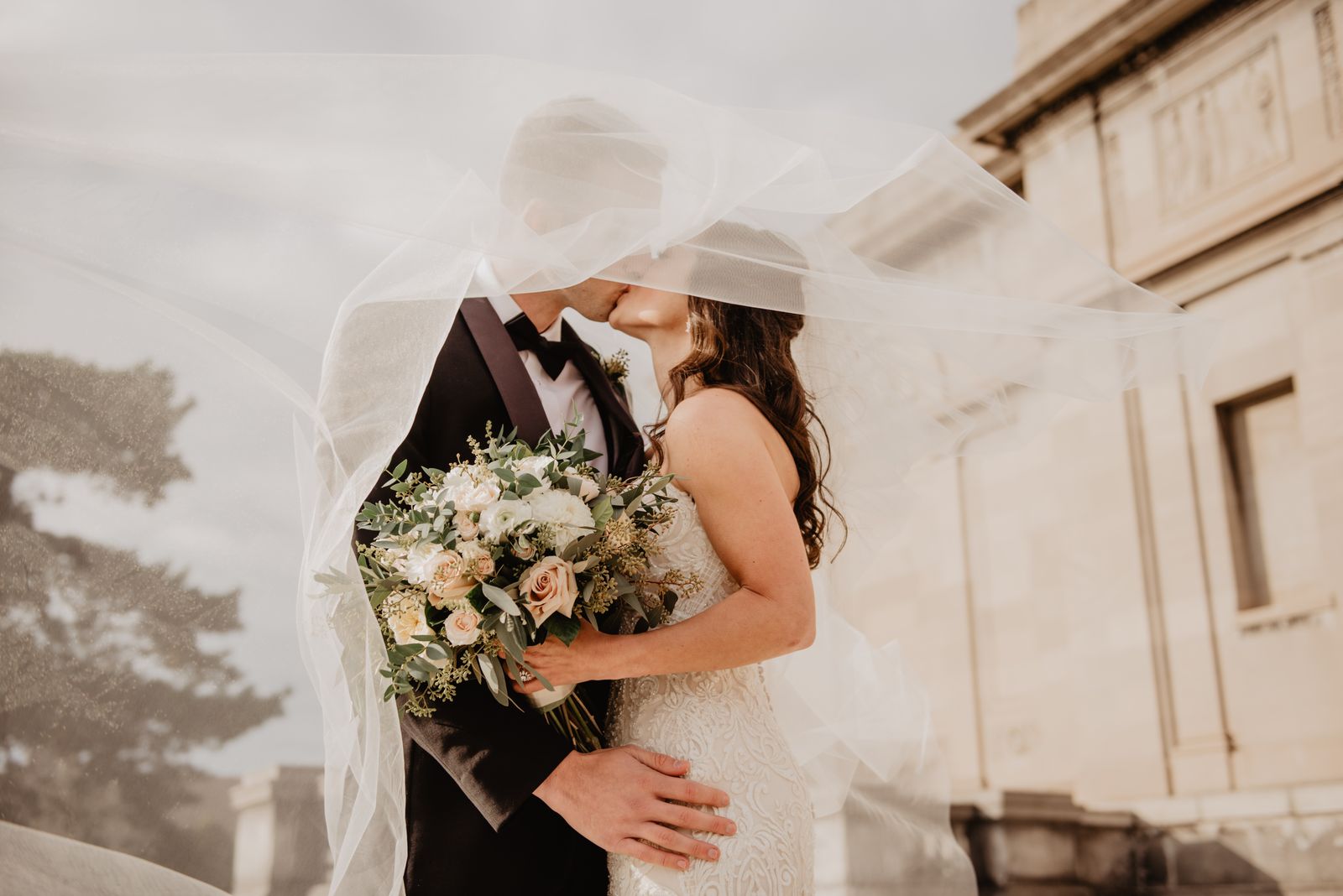
The look: five finishes, applied after the fact
The look is decided twice — once in the field, where the photographer chooses light and exposure, and once at the desk, where the edit fixes the gallery's permanent character. These are the five finishes you will meet:
Light and airy is bright, soft, and romantic: exposure lifted, shadows opened, contrast restrained, color softened toward cream, blush, and pale green; skies often go nearly white. It has dominated the luxury end of the market for over a decade and flatters gardens, estates, beaches, and pastel palettes. Its failure mode is technical: pushed too far, it erases dress detail and turns a dynamic sky into a white void. In a portfolio, check the lace and the clouds — if both have texture, the photographer knows what they're doing.
Dark and moody is its opposite: deep shadows kept deep, contrast high, color rich and warm — burgundy, forest, amber — with edges often darkened to pull your eye to the lit faces at the center. It reads as cinematic, and it is the natural finish for candlelit rooms, historic interiors, industrial spaces, forests, and autumn or winter palettes. Its failure mode is heaviness: applied to a bright garden noon, it fights the day instead of describing it.
True-to-color — also called clean or classic editing — aims to show the day as it looked: accurate skin tones, honest color, moderate contrast. It offers less of a signature, and editing-style roundups in 2026 report it ascendant, with one widely cited figure putting 62 percent of Gen Z couples in favor of natural, true-to-color editing over heavily filtered looks. Treat single-survey statistics like that as weather, not climate — but the direction is plausible, and the argument for the look is structural: of all the finishes, it is the one least likely to date.
Film is either a medium or an imitation of one. Photographers who shoot actual film — many fine-art photographers still do, on medium-format cameras — accept its cost, its slower pace, and its grain as the price of its color and softness. Digital photographers emulate it in the edit: warm tones, soft grain, gentle contrast. Either way, the tell is texture. And black-and-white is best understood as an editor's instrument rather than a style of coverage: most photographers deliver a selection of frames in monochrome, where removing color pushes tone and emotion forward. Ask what share of the gallery it will be, and whether color versions of those frames exist.
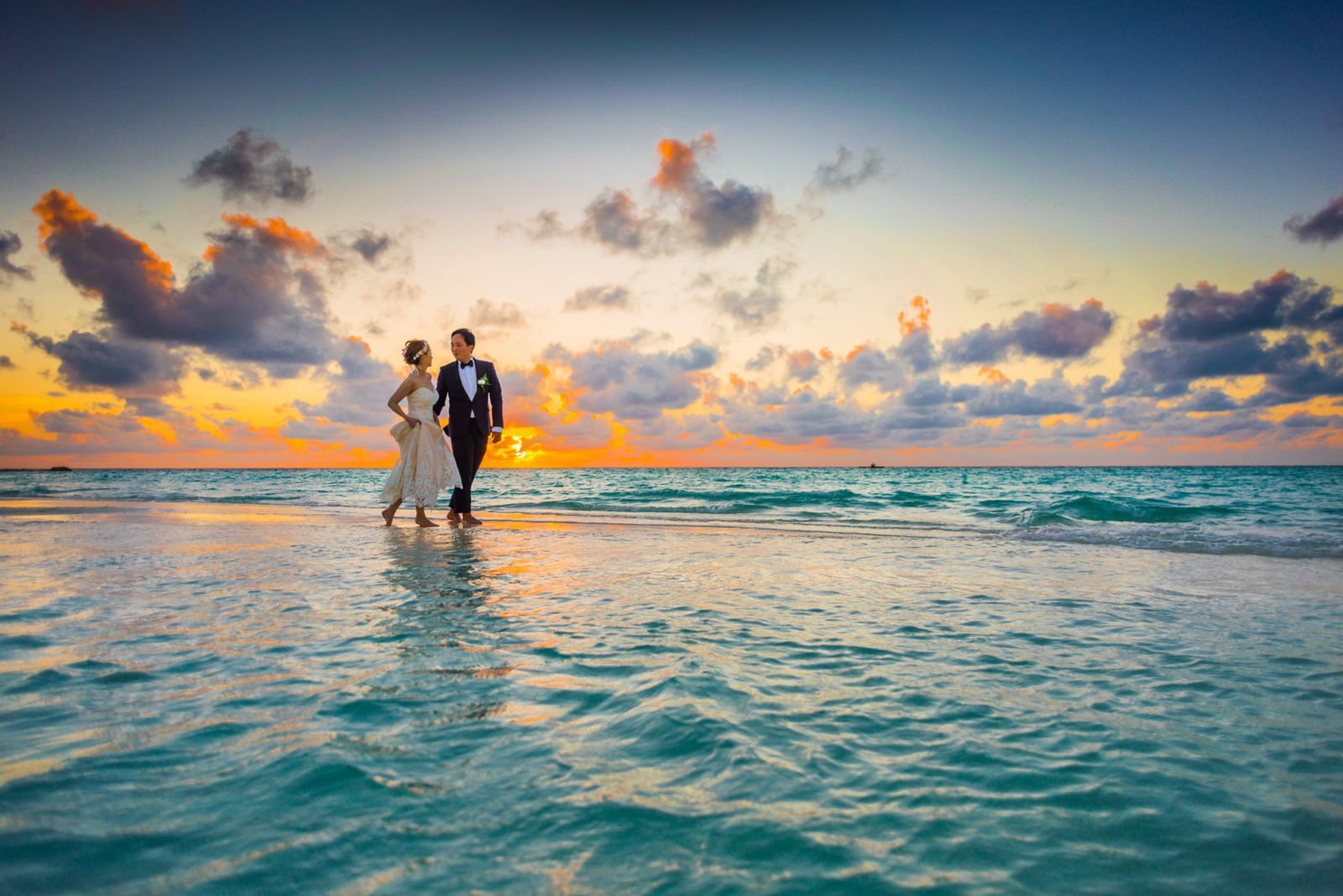
How to read a portfolio like an editor
Forget the homepage grid; it is advertising, arranged to be unrepresentative. Ask for two complete galleries, ideally including a wedding at a venue like yours, and read them with these questions:
- What fraction is posed? Count, roughly, how many frames show people aware of the camera. That ratio is the approach, whatever the website calls it.
- Where does the photographer stand during the ceremony? Documentary work shows varied, sometimes imperfect angles seized in the moment; directed work shows clean, centered, repeatable compositions.
- Do the details get composed or merely recorded? Fine-art galleries treat objects as subjects. Everyone else's detail shots are evidence.
- Is the look consistent at noon and at midnight? Any editor can make golden hour glow. The reception frames — mixed light, moving subjects — reveal whether the finish is a discipline or a filter.
- Whose wedding does this look like? If every gallery on the site resembles the same wedding regardless of venue, you are looking at a strong signature — which is wonderful if you want that wedding, and a warning if you don't.
Then translate your findings into a sentence the photographer can be held to: "We want the day observed, not directed, except for twenty minutes of portraits; we want color that looks like the day; we want the family groups, all of them, and we don't care about detail shots." That sentence, in an email, is worth more than any style label either of you started with. This site's directory lists 564 wedding photographers among its photography listings — use it as a map, not a verdict: shortlist by approach, verify by full gallery, and book the person whose evidence matches your sentence.
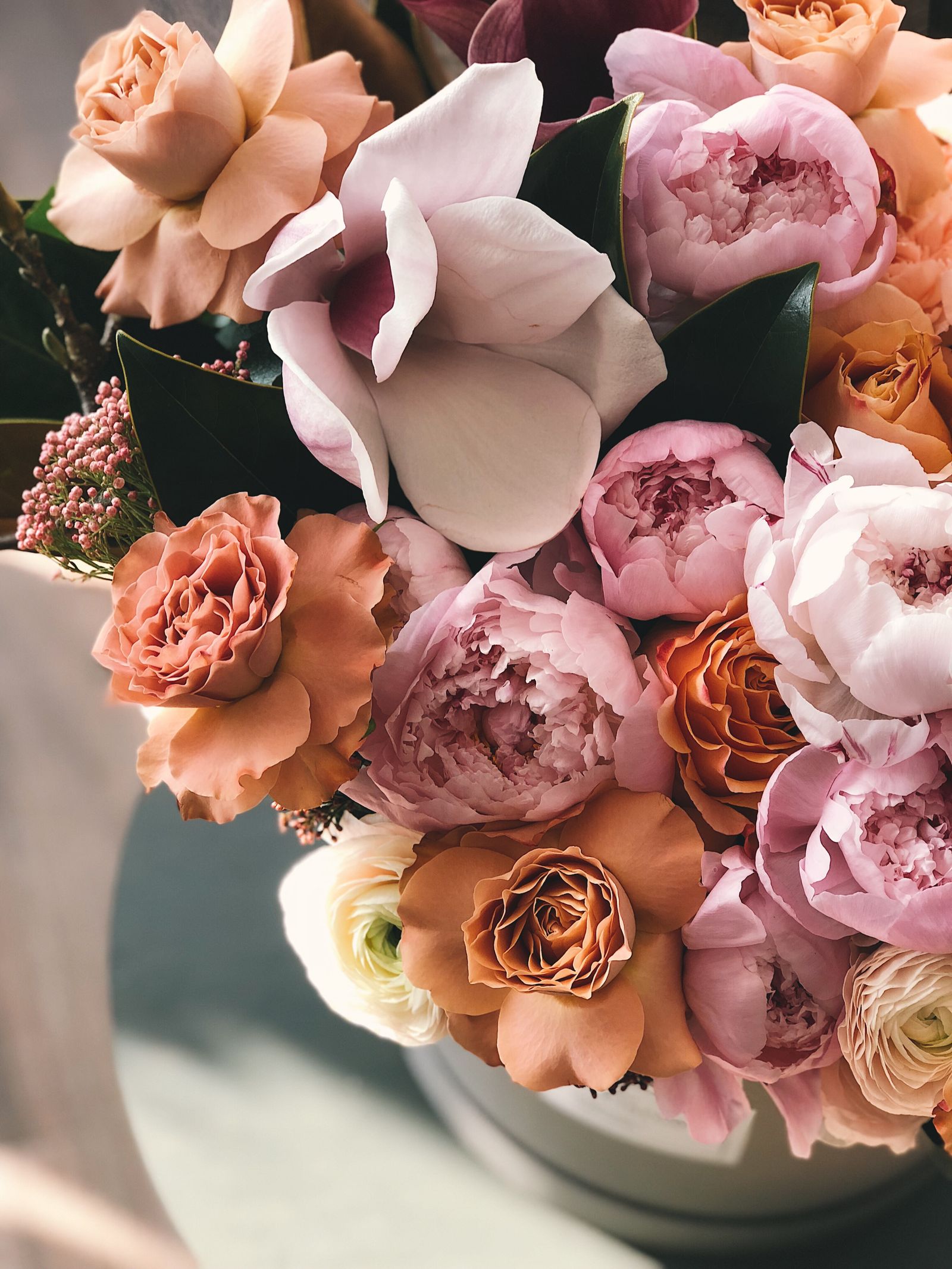
The labels were never the point. Documentary, editorial, traditional, fine art — they are shorthand for two honest questions: how do you want your wedding day to feel while it's being photographed, and how do you want it to look when it's a book on your shelf in thirty years? Answer those, in that order, and you will never need the shorthand again.
Sources
- Glenwood Weddings blog, "Wedding Photography Styles: How to Pick the Look You Want" — the approach/look separation (approach: documentary, editorial, traditional, fine art; look: light and airy, dark and moody, true-to-color, film, black and white, vintage); Aftershoot's count of 11 styles; light-and-airy technique (soft or diffused light, lifted shadows, restrained contrast); any photographer has one of each.
- Aftershoot, "Wedding Photography Styles: 11 Popular Styles Explained" — the 11-style list and its own shooting-vs-editing classification (documentary/editorial/traditional primarily shooting; fine art and film both; light and airy shooting + editing).
- Michelle White Photography, "Wedding Photo Styles Explained: Documentary, Editorial, Fine Art" (November 2026) — documentary as observation without direction, in existing light; editorial as directed, fashion-magazine work; fine art's roots in film, with soft pastel color, bright even exposure, shallow focus; traditional as shot-list coverage with accurate color.
- Pavlov Studios, "Wedding Photography Styles Explained" — most photographers blend styles (documentary ceremony, directed portraits, one consistent edit); lifestyle as the guided middle; the three-level framing (coverage approach, visual treatment, medium).
- TM Inspired, "Documentary Wedding Photography in Seattle: A Photographer's Guide" — documentary galleries read as narrative; editorial photographers allocate substantial timeline blocks, sometimes outfit changes and location moves; fine art as the most loosely used term, at its loosest a marketing label for light-and-airy work; traditional coverage favors completeness (every guest, every formal combination).
- ThePerfectWedding, "Wedding Photo Editing Styles Explained" (updated November 2026) — the four main editing looks (light and airy, dark and moody, true to color, film) plus black and white; light-and-airy's risk to skin and dress detail; dark and moody's fit for evening, candlelit, and fall settings.
- Imagen AI, "10 Popular Wedding Photography Editing Styles for 2026" — light-and-airy hallmarks (lifted midtones and shadows, muted greens, low contrast) and its decade-long dominance of luxury weddings; dark-and-moody hallmarks (crushed/matte blacks, directional light, warm highlights, vignetting); the cited figure that over 62% of Gen Z couples favor natural, true-to-color editing — used in the article with an explicit single-survey caveat.
Photographs
- photo via Pexels, https://images.pexels.com/photos/2253870/pexels-photo-2253870.jpeg
- photo via Pexels, https://images.pexels.com/photos/1024993/pexels-photo-1024993.jpeg
- photo via Pexels, https://images.pexels.com/photos/931162/pexels-photo-931162.jpeg
More guides
- How to Find a Wedding Photographer: The Complete, Honest GuidePhotographers › Wedding Photographers
- How Much Does a Wedding Photographer Cost? Packages DecodedPhotographers › Wedding Photographers
- 10 Questions to Ask a Wedding Photographer Before You BookPhotographers › Wedding Photographers
- Hiring a Wedding Photographer in California: Venue Light, Permits, and Price LevelsPhotographers › Wedding Photographers
- Hiring a Wedding Photographer in New York: City Venues, Timelines, and Top-of-Market RatesPhotographers › Wedding Photographers
- All Guides & ArticlesBrowse the full guides library