Photographers › Wedding Photographers
10 Questions to Ask a Wedding Photographer Before You Book
Most couples interview a wedding photographer the way they interview a charming dinner guest: Do we like them? Do we like their pictures? Then a contract appears, a retainer changes hands — The Knot's 2026 Real Weddings Study puts the average spend at $3,000 — and every question that actually determines how this ends gets asked later, when the answers are no longer negotiable. I know, because I used to be on the other side of that table, and I watched couples discover in month three what a single question in week one would have settled.
You do not need fifty questions. Internet lists offer fifty because nobody ranked them. You need ten — the ones whose answers live in the contract, protect the files, or decide who is actually holding the camera. Ask them in roughly this order, listen for the specific answer rather than the reassuring one, and get anything that matters written into the agreement before you pay the retainer. Photographers book out far — commonly 11 to 12 months ahead, and 12 to 18 months for peak-season Saturdays at in-demand studios — so you will likely have this conversation once. Make it count.
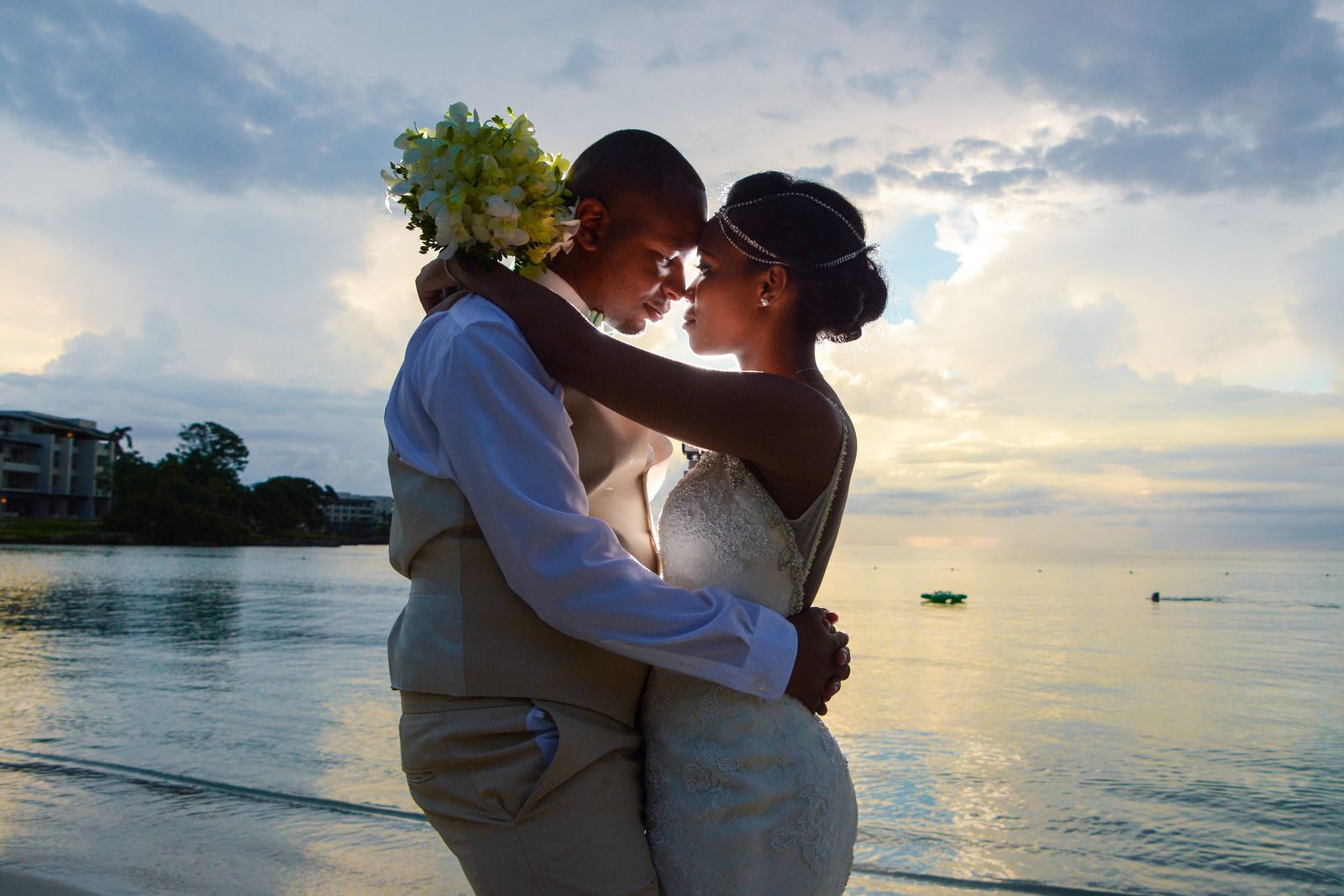
1. Who exactly will photograph our wedding — and is that name in the contract?
Studios sell under one name and staff with many. The portfolio that won you over may belong to the owner, who shoots twenty weddings a year, while your Saturday belongs to an associate you have never met, whose work you have never seen. Associates can be excellent — some couples prefer them — but the transaction should be honest: ask for the lead photographer's name to be written into the contract, and ask to see two full galleries shot by that specific person. If the answer is "whoever is available," you are not hiring a photographer; you are hiring a scheduling system, and you should price it that way.
2. What happens if you are sick, injured, or have an emergency that day?
This is the question with the worst failure mode and the one couples skip because it feels rude. It is not rude; every professional has been asked, and the prepared ones answer without blinking. The answer you want has three parts: a network of named photographers of comparable standard who cover for each other; a replacement clause in the contract obliging the studio to provide one; and a defined refund if no replacement can be found. "I've never missed a wedding in eight years" is a track record, not a plan. Eight years of luck ends the way all luck ends, and your wedding is not the day to fund the lesson.
3. How do you back up the files — during the day, and that night?
Memory cards fail. Bags are stolen from cars outside receptions with grim regularity. A wedding cannot be reshot, so the professional standard is redundancy at every step: a camera body with two card slots writing every frame to both cards simultaneously; backup bodies and lenses on site; and the day's files copied to at least two separate places — typically a local drive plus cloud or a second drive kept apart — by the next morning. Ask it as a technical question and expect a technical answer. A photographer who can describe their backup chain in detail has one. A photographer who says "don't worry, I'm careful" is telling you the files of your wedding will exist in exactly one place, in a bag, in their car.
4. How many hours do we actually need — and what does an extra hour cost?
Coverage hours are where packages quietly stop matching weddings. Price the day backwards from the last moment you want photographed — the exit, the last dance — to getting-ready, and count honestly: most full weddings need eight to ten hours, and The Knot's guest-count data shows why scale matters, with average photography spend rising from about $2,000 at 50 guests or fewer to about $3,500 above 100 guests, largely because bigger days take longer to cover. Then ask the overtime rate and how it is billed — per hour, pro-rated, decided on the night? An extra hour agreed in the contract at a stated rate is a line item. An extra hour negotiated at 10 p.m. with the party mid-swing is a hostage situation with better music.
5. Do we need a second photographer — for our wedding, specifically?
Second shooters are sold as an upgrade and skipped as a saving, and both instincts are wrong without reference to your day. A second photographer earns their fee when events happen simultaneously in two places (both partners getting ready, in different locations), when the guest count passes roughly 100 to 150, when the ceremony forbids movement (some churches) so one angle is not enough, or when the timeline is compressed. For a 60-guest wedding in one venue with a relaxed timeline, one strong photographer is often genuinely sufficient. Published package pricing puts a working second shooter anywhere from about $600 for a shadowing beginner to $1,500 for an experienced one who shoots independently — real money, worth spending when the geometry of your day demands it and not as a reflex. Make the photographer argue it from your timeline, not from their package tiers.
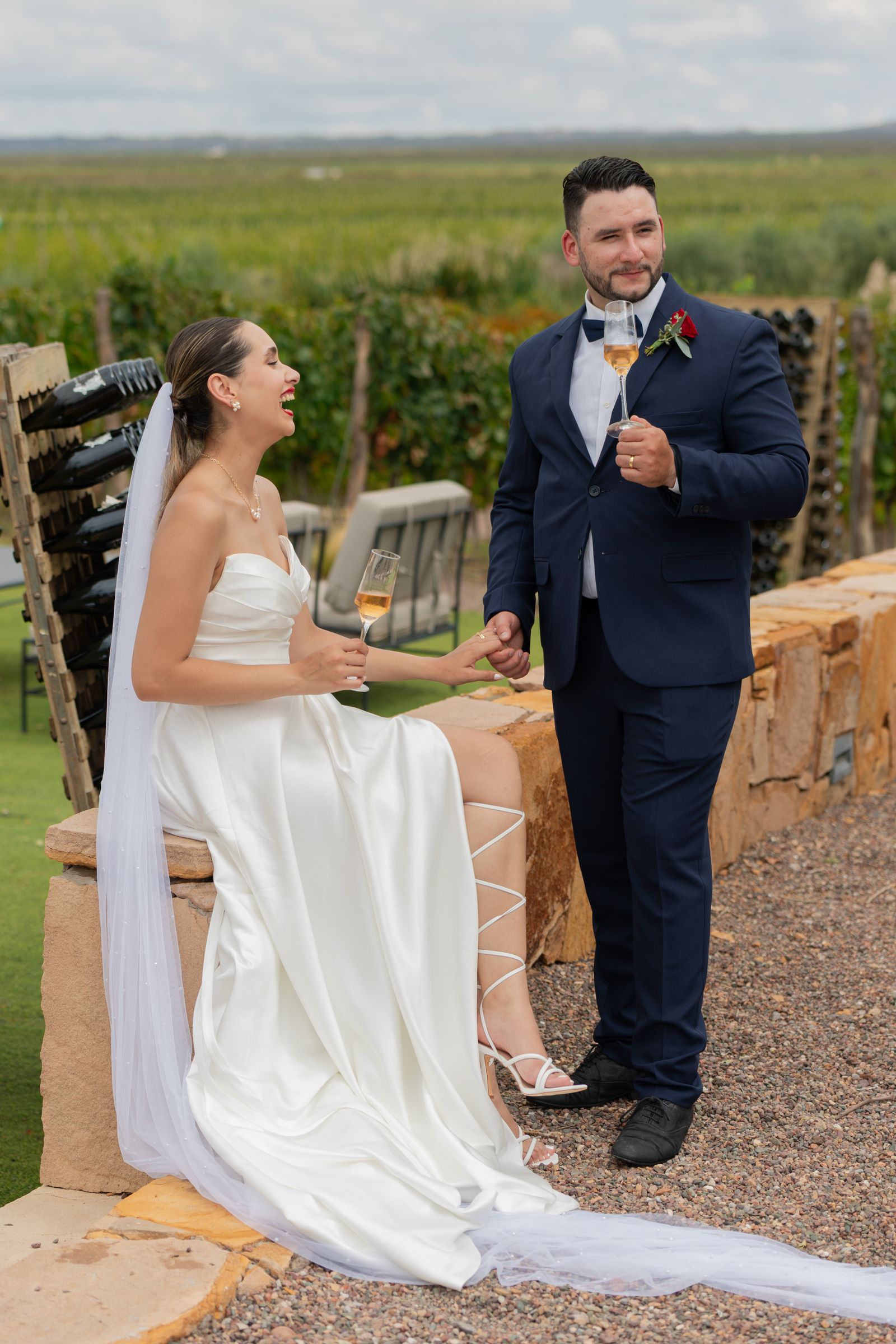
6. What delivery date is guaranteed in the contract — and what do we get, and for how long?
Ask for the guaranteed date, not the typical one. The honest industry range for a full edited gallery is six to twelve weeks; one prominent New York photographer guarantees eight weeks and describes that as standard. Peak season stretches it — a well-drafted clause says so explicitly, for example eight weeks normally and ten for May-to-September weddings, with a preview set if the date is missed. Also pin down three things couples forget: how many edited images to expect (a focused few hundred is normal; a gallery of 1,200 from an eight-hour day usually signals burst duplicates and light editing), whether sneak peeks arrive within days, and how long the online gallery stays live — many switch off automatically after a few months, so the contract should state the period and you should download everything the week it arrives.
7. What can we legally do with the photos?
The photographer almost always retains copyright. What you need is a personal-use license, in writing, covering printing (with a print release your lab will accept), sharing online, and giving files to family and your other vendors. Two adjacent clauses deserve their own sentences. First, the photographer's right to use your images in their portfolio and marketing should be a separate, declinable consent — you should be able to say no to it without renegotiating the whole deal. Second, ask about RAW files so you are not surprised later: most photographers do not deliver them, ever, and that is a defensible professional norm — but it should be a norm you learned before signing, not after.
8. What does the retainer lock in, and what do cancellation and rescheduling actually say?
Retainers in this industry are substantial and almost always non-refundable — a common structure is 25 to 50 percent to reserve the date, sometimes a flat amount such as $1,000, with the balance due a month to two weeks before the wedding. Non-refundable is standard, not a red flag: the photographer is refusing other work for your date. What you are checking is the rest of the machinery. If you reschedule, does the retainer transfer to the new date, once, within what window? If you cancel more than a set number of months out, do you forfeit only the retainer or more? And the force majeure clause — the one nobody read until 2020 taught everyone to — should say what happens on disaster, closure, or emergency in terms of rescheduling and refunds, not leave it to discretion. Read those three paragraphs twice. They are the contract, for practical purposes; everything else is a price list.
9. Have you shot at our venue — and if not, how do you prepare?
Venue experience is not a deal-breaker, but venue ignorance is expensive: the photographer who knows your venue knows where the light dies at 4 p.m., which corner the venue coordinator will ban the light stand from, and whether the ceremony space needs a permit or has photography restrictions (some churches and historic venues have strict ones). If they have not shot there, the professional answer is a scouting visit or at minimum a walkthrough call with the venue and a look at the floor plan and sunset time for your date. While you are here, ask about insurance: many venues require a certificate of liability insurance from vendors, and a working photographer produces one on request without drama.
10. How do you work with guests, phones, and the rest of our vendor team?
The last question sounds soft and is not. Your photographer will spend more time near you than any other vendor, direct your family through portraits, and share tight spaces with your videographer, planner, and DJ all day. Ask how they handle an unplugged ceremony (do they want one, and will they help you enforce it?), how they run family formals (a shot list agreed in advance, a wrangler from the family, twenty minutes and done is the professional pattern), and whether they have worked with your videographer or planner before. You are listening for temperament: organized, calm, and specific. The photographs will be technically fine from any serious candidate on your shortlist. The day itself will feel like whoever you hired.
How to use the answers
| Signal | What it sounds like |
|---|---|
| Green flag | Names, dates, and numbers: a named lead and replacement, a guaranteed delivery week, a stated overtime rate, a backup chain described step by step |
| Green flag | "Let me show you a full gallery from a wedding like yours" — offered before you ask |
| Red flag | Averages instead of guarantees ("usually about six weeks"), and reluctance to put any of it in the contract |
| Red flag | No liability insurance, no replacement plan, no dual-card cameras — the three cheap insurances a professional carries |
Start the search wide and narrow on evidence. This site's directory lists 564 wedding photographers; treat any directory as a map, not a verdict — shortlist by city and style, then run these ten questions on the two or three finalists and compare the contracts side by side, clause by clause. The photographer who welcomes that process is almost always the one you want, because the questions above are not an interrogation. They are a description of the job, and the right photographer has been doing all ten of them all along.
Sources
- The Knot 2026 Real Weddings Study (10,474 U.S. couples married in 2025), via the Better Business Bureau's wedding planning guide and BrideBox's sourced summary — average photographer spend $3,000, median $2,800, quartiles ~$1,500/$4,700; average total wedding cost $34,200.
- Arrakis Films' booking-timeline guide, citing The Knot's guidance — photographers typically booked 12–18 months ahead; average engagement 15 months; photography ~9% of budget; The Knot guest-count spend bands ($2,000 at ≤50 guests, $2,700 at 51–100, $3,500 at 101+).
- WeddingSnap, "12 Questions to Ask a Wedding Photographer (2026)" — named-photographer and replacement-clause framing; dual-card-slot backup standard with copies in two places within a day; guaranteed delivery range of six to twelve weeks (citing photographer Susan Stripling's eight-week guarantee); gallery expiry warning; copyright retained by photographer with personal-use license and print release.
- Picvelo, "Post-wedding photo workflow" — contract clauses that carry the weight (delivery deadline counted in weeks from the wedding date, usage rights, separate marketing consent); sample clause of 8 weeks standard / 10 weeks May–September with a preview set if late; image-count guidance (a 1,200-image gallery from an 8-hour day signals duplicates/light editing).
- Wedding Photographer Guy, published client terms — second-photographer tiers ($600 shadowing beginner; $1,500 experienced floater); 25% retainer; delivery terms of 2–6 weeks with gallery live at least 3 months; edited image counts ~200–800.
- Zola vendor profile (Thalia Photography) — couples typically book ~12 months out; $1,000 non-refundable retainer, balance due one month before; 6–12 week gallery turnaround with sneak peeks within 5 days; replacement-by-colleague commitment with cancellation option; liability certificate available for venues on request.
Photographs
- photo by Giuseppe Messina, https://www.pexels.com/photo/a-couple-having-a-beach-wedding-4364780/
- photo by Lilen Diaz, https://www.pexels.com/photo/joyful-wedding-couple-toasting-in-mendoza-vineyard-31531920/
More guides
- How to Find a Wedding Photographer: The Complete, Honest GuidePhotographers › Wedding Photographers
- How Much Does a Wedding Photographer Cost? Packages DecodedPhotographers › Wedding Photographers
- Wedding Photography Styles Explained: Documentary, Editorial, Traditional, Fine ArtPhotographers › Wedding Photographers
- Hiring a Wedding Photographer in California: Venue Light, Permits, and Price LevelsPhotographers › Wedding Photographers
- Hiring a Wedding Photographer in New York: City Venues, Timelines, and Top-of-Market RatesPhotographers › Wedding Photographers
- All Guides & ArticlesBrowse the full guides library