Photographers › Aerial Photographers
Aerial Photographers for Small Businesses: What Changes When It Is Not Personal
Hiring a drone photographer for yourself is a purchase. Hiring one for your business is a procurement — and the difference is not the drone. The same pilot, flying the same aircraft over the same roof, is doing a legally different job when the photographs will sell a listing, document a construction site or advertise your company. The certification becomes non-negotiable, the contract starts to matter more than the portfolio, the deliverables turn into assets your business will reuse for years, and the invoice becomes a business record with tax and insurance implications. This guide walks through what actually changes — volumes, contracts, licensing, tax treatment and service levels — so a small business can buy aerial photography like a business, not like a consumer with a bigger budget.
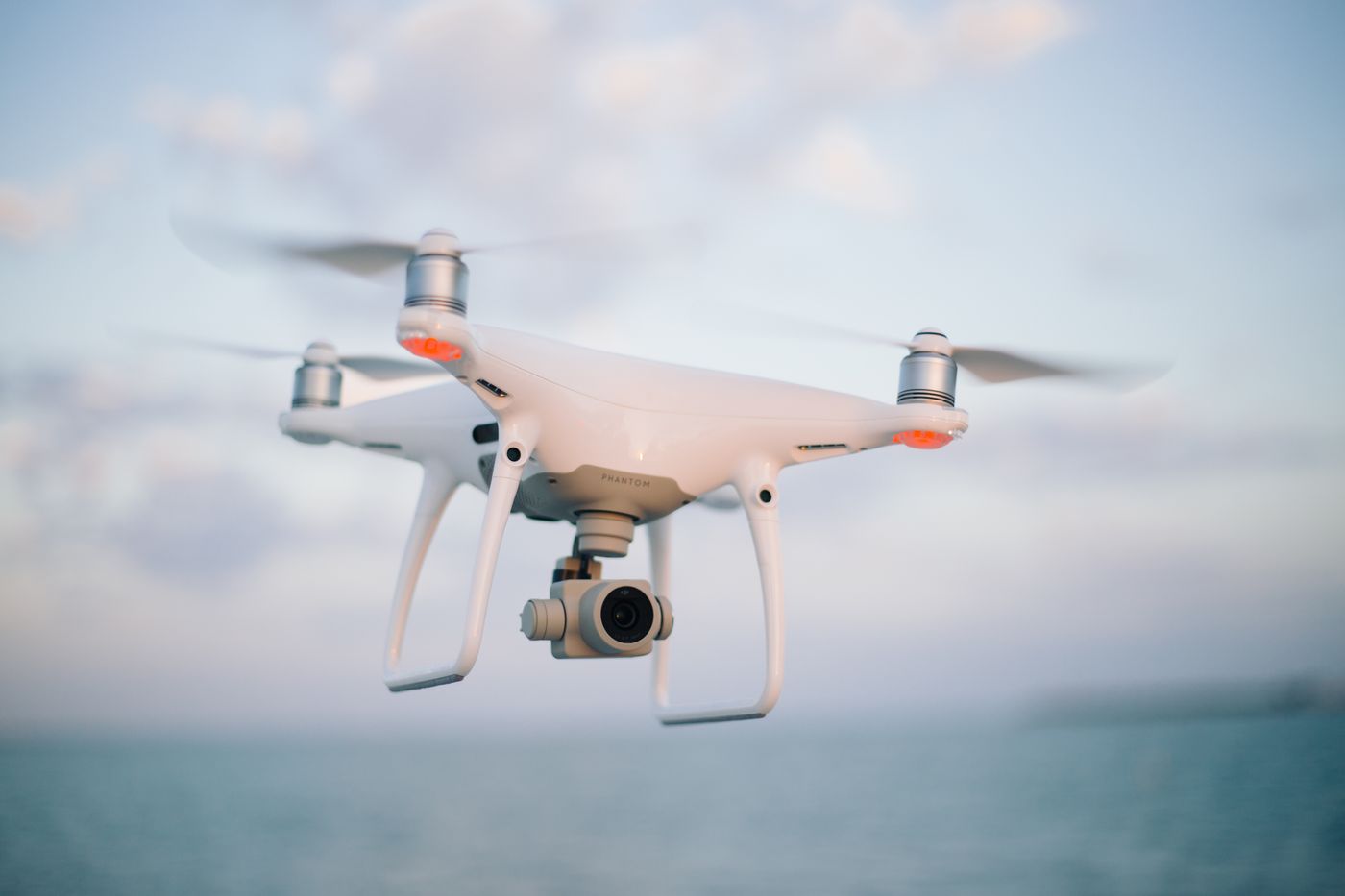
The legal floor rises: Part 107 is the price of admission
For personal photography, a hobbyist with a drone is a hobbyist. For business use, federal law draws a hard line: any flight in furtherance of a business — photographing a listing, a job site, a storefront, content for a monetized channel — is commercial operation under the FAA's Part 107 rules, and the pilot must hold a Remote Pilot Certificate. It does not matter whether money changed hands for the flight itself; the FAA's own examples treat photographing property to help sell it as commercial work. "Free aerials" from an uncertificated neighbor are not a loophole; they're a liability with your business's name on it.
What to verify before any business flight:
- The certificate. Ask to see the pilot's Remote Pilot Certificate. A legitimate commercial pilot produces it the way a driver produces a license — without blinking, because clients ask weekly.
- Registration and Remote ID. Commercial drones must be registered with the FAA ($5 per drone, valid three years) and must broadcast Remote ID. Both are the operator's job, but both are your problem if they're missing and something goes wrong.
- Airspace authorization. Much of the commercially interesting map — near airports, in controlled airspace over cities — requires authorization before takeoff, usually obtained near-instantly through LAANC, the FAA's automated system. A professional checks the airspace for your address before quoting a date, and will tell you if a location caps altitude or can't be flown at all. A quote that promises any shot, anywhere, on any day, is a quote from someone who hasn't checked.
- Operating limits that shape the product. Part 107 caps flights at 400 feet above ground level, requires visual line of sight, and conditions night and over-people flying on specific requirements. These limits are why a pilot may decline the dramatic shot you imagined — and why you should want the pilot who declines it.
The volumes change: from a treat to a line item
A consumer buys aerial photographs once. A business buys them on a rhythm, and the pricing models reflect it. Published 2026 rates sketch the landscape:
| Business use | Typical pricing | Structure |
|---|---|---|
| Listing & marketing aerials | $150–$400 per hour, or $275–$850 per package | Fixed shot list, edited stills, sometimes a short video |
| Commercial property documentation | $225–$400 per visit by structure size | Top-down and oblique stills, unedited video |
| Construction progress | $150–$350 per visit recurring; ~$1,475–$2,050 per month on progression contracts | Same waypoints reflown so frames line up across months |
| Roof & building inspection | $200–$500 per hour | Imagery as evidence, often for reports and claims |
| Mapping & site models | $5–$20 per acre for basic mapping; more for survey-grade work | Orthomosaics, 3D models, measurement deliverables |
Two business habits follow from this. First, buy the package, not the hour, for defined jobs — a fixed shot list with a file count is comparable across quotes in a way an hourly rate never is. Second, for recurring work, negotiate the series, not the flight: construction progression contracts price a six- or nine-month engagement below the per-visit rate precisely because the pilot reflies saved waypoints, and the value to you is the consistency — every month's photograph taken from the same point in the sky, so change over time is visible at a glance. A single construction client is commonly worth $6,000–$12,000 across a project's life; priced as a series from the start, both sides do better than twelve separate one-off bookings.
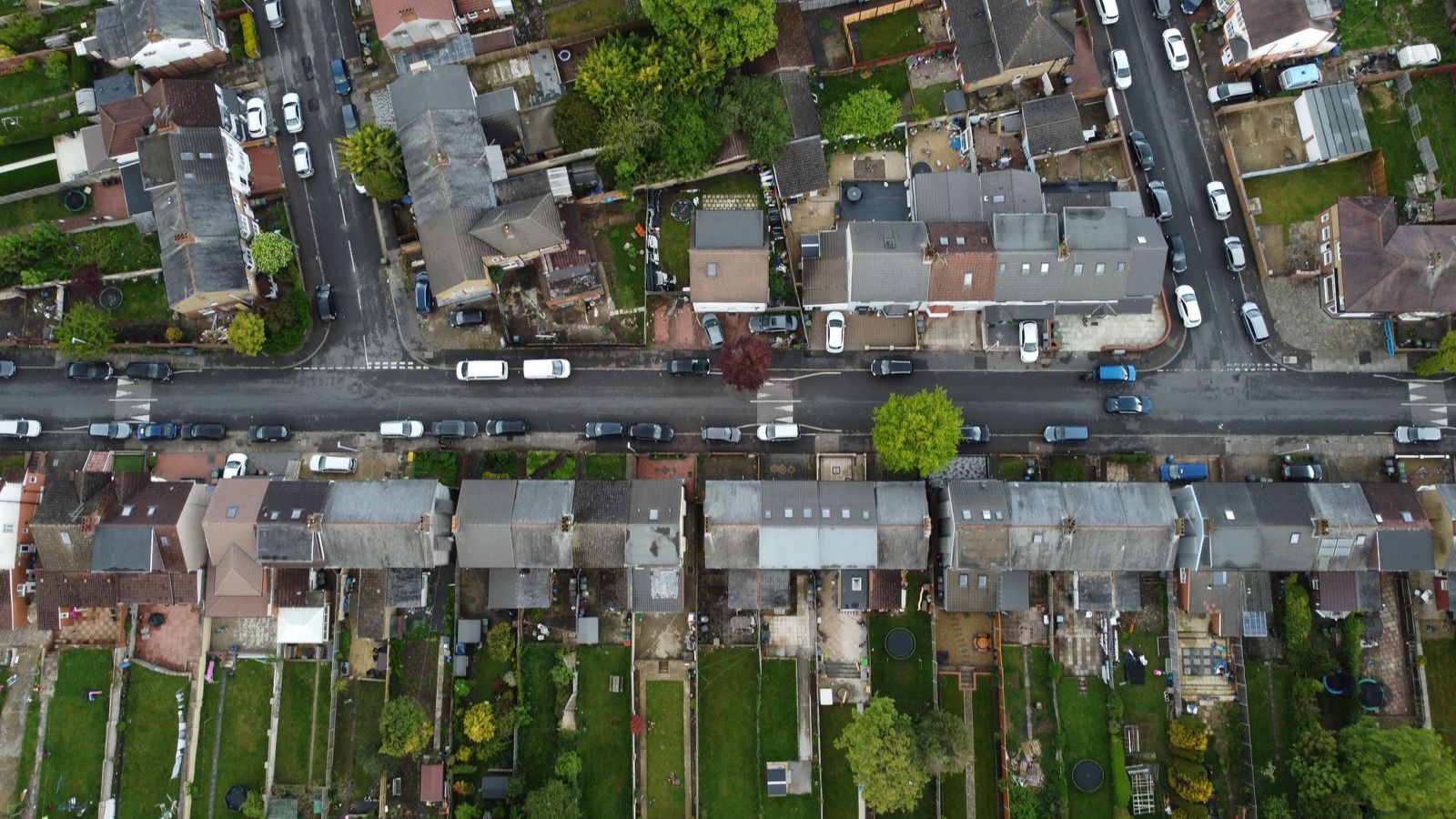
The contract changes: licensing is the product
Here is the change first-time business buyers most often miss: the photographer owns the copyright in the images. What your business receives is a license — and for business use, the license terms are not boilerplate, they are the product. A consumer showing prints to family needs almost nothing. A business needs, in writing:
- Usage scope. Where may the images be used — your website, listings, social channels, print advertising, broadcast? For how long, and in what territory? A license priced for a listing's 90-day life is a different product from an unlimited marketing license, and paying for the second when you need the first is waste; needing the second while holding the first is infringement.
- Exclusivity and resale. Can the pilot sell the same images to the business across the street? For generic skyline work you may not care; for your flagship property, you might.
- Raw files and future edits. Businesses re-crop, re-brand and re-purpose. Know whether you receive full-resolution edited files (the business standard), whether unedited originals are available and at what price, and how long the pilot archives your files for re-delivery.
- Subcontracting and the pilot of record. Drone work is often brokered — networks dispatch local pilots. Ask who actually flies, whose certificate and insurance cover the flight, and whose name is on the deliverables if a file is challenged.
Get this in a signed agreement before the flight, with the deliverables, timeline and fee schedule attached. Businesses that skip this step discover the gap a year later, when the images are on a billboard and the license covered a website.
Insurance and risk move onto your books
A consumer hopes nothing goes wrong. A business documents what happens if it does. Commercial aerial work should come with the pilot's liability insurance — ask for a certificate, and for work over your property, your customers or the public, ask to be named as additionally insured for the job; established operators do this routinely. Construction and inspection clients increasingly require it before site access is granted at all. The converse also matters: your own business policy may treat an incident involving a contractor you hired as your problem if the contractor was uninsured and uncertificated — which is the practical reason the Part 107 check in the first section belongs in a purchasing file, not just in your memory.
Tax treatment, briefly, because it differs from the consumer world in kind rather than degree: aerial photography bought for the business is an ordinary business expense — deductible, invoiced, and paid on business terms (established operators commonly bill business clients net 15 rather than payment-on-delivery). Sales tax treatment of the deliverables varies by state and by delivery form — prints and physical media are taxed as goods in most states, while purely digital delivery and pure licensing are treated differently from state to state — so the practical move is to have your bookkeeper look at the first invoice's tax line once, confirm it's structured as your state expects, and then hold every later quote to the same structure.
The service level changes: buying a supplier, not a shoot
The last difference is the relationship itself. A business aerial photographer worth keeping offers what consumers never think to ask for: airspace checks folded into quoting, weather rescheduling without penalty (wind and rain ground drones; a contract that pretends otherwise is fiction), delivery on a stated clock — three to seven business days is the published norm for edited packages — in the sizes your channels actually need, and an archive you can re-order from when the marketing manager loses the files, as marketing managers do. Judge candidates on those operational answers as much as on the reel. This site lists 877 aerial photographers; the ones who serve businesses well are the ones who talk about certificates, licenses and delivery schedules before they talk about their drone.
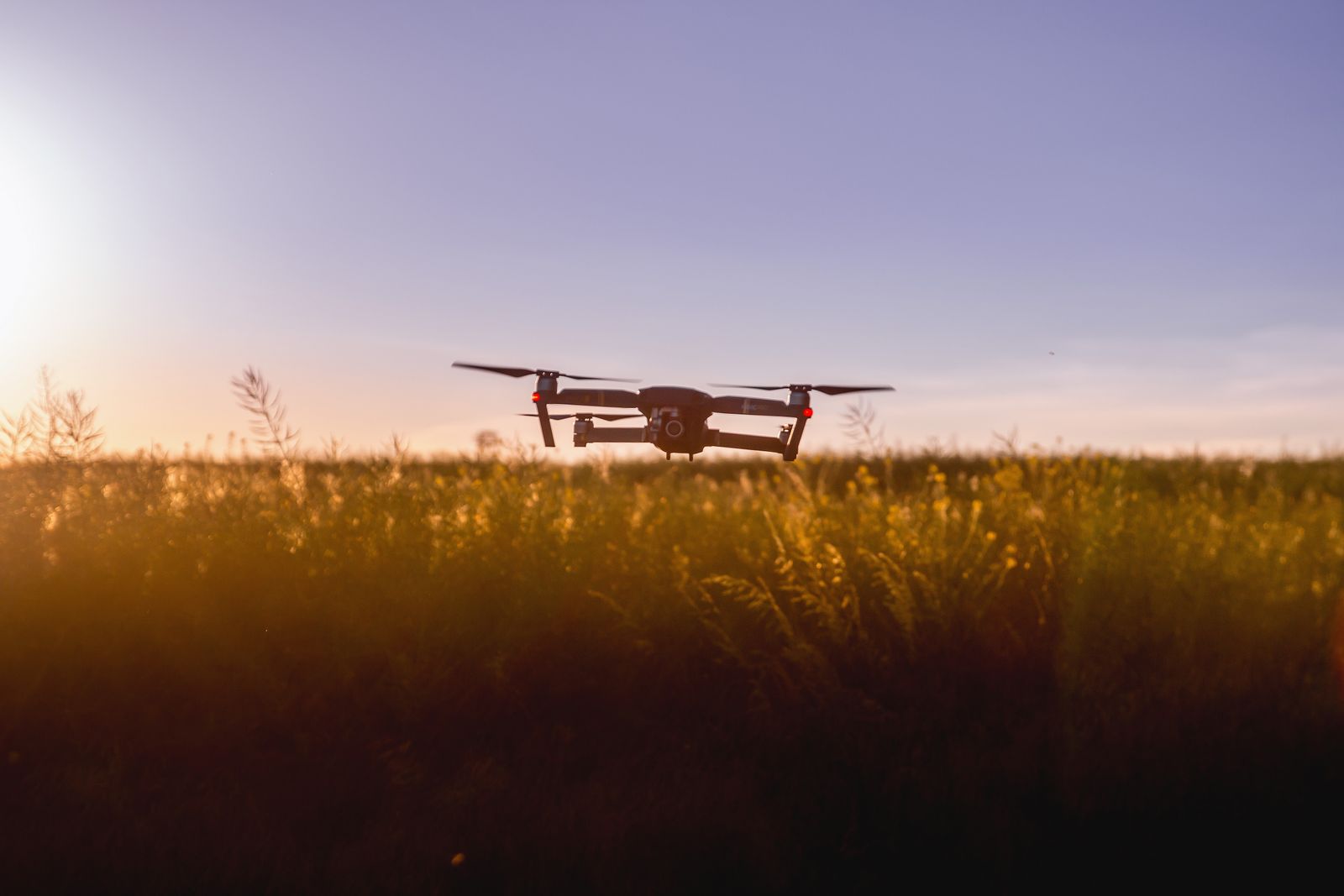
Hire it out, or bring it in-house?
At some volume the question flips: should the business employ its own pilot? The honest arithmetic starts with what in-house actually requires — an employee with a Remote Pilot Certificate (the knowledge test fee is about $175, plus study time), a registered, Remote ID-compliant drone, insurance that explicitly covers commercial drone operations, and someone whose job includes airspace checks, weather calls and file management. For a brokerage shooting two listings a week or a builder documenting three active sites, that can pencil out within a year, and the control is real: your pilot flies your schedule. Below that volume, it almost never does — the certificate, insurance and idle equipment sit on your books while a hired operator spreads the same costs across forty clients. There's also a middle path many small businesses land on: hire out the flying, but standardize the buying — one operator, a standing shot list, a negotiated per-visit rate and a license template your bookkeeper has already approved. That gets you most of the in-house consistency with none of the fixed cost, and it's the arrangement I'd set up first for any business that expects to buy aerials more than twice a year.
The business checklist
- Remote Pilot Certificate sighted; drone registration and Remote ID confirmed.
- Airspace for your address checked before a date was promised.
- Certificate of insurance received; additional-insured status arranged if the job warrants it.
- License scope in writing: media, duration, territory, exclusivity, raw-file terms.
- Package priced on a shot list — or a series priced on a schedule, for recurring work.
- Weather reschedule terms, delivery clock and file formats agreed before the flight.
- Invoice structure checked once by your bookkeeper, then held as the template.
Do those seven things and aerial photography stops being a gamble on a person with a drone and becomes what it should be for a small business: a repeatable input, bought on paper, that keeps paying out every time the images are reused.
Sources
- The Drone U, "Drone Service Pricing Guide" (2026) — aerial photography at $150–$400 per hour, construction and surveying $250–$600, roof inspections $200–$500, mapping $5–$20 per acre.
- ZigZag Aerial, published 2026 pricing — marketing packages $275–$850, commercial documentation $225–$400 per visit by structure size, construction progression contracts $1,475–$2,050 per month, business clients billed net 15.
- Rotate Pilot, "Drone Photography Pricing Guide 2026" — construction progress documentation at $150–$350 per recurring visit and $6,000–$12,000 per project lifetime; real estate and commercial package ranges.
- Astral Pic, "Drone Photography Pricing: Hourly vs Package" (November 2026) — Thumbtack's national average job range of $180–$377; package-versus-hourly comparison for defined jobs.
- FAA Part 107 rules, as summarized in 2026 commercial drone law guides — Remote Pilot Certificate required for any business-purpose flight, $5 per-drone registration valid three years, Remote ID broadcast requirement, 400-foot ceiling, LAANC authorization at 700-plus airports.
Photographs
- Drone in sky — photo by Josh Sorenson, https://www.pexels.com/photo/quadcopter-flying-on-the-skey-1034812/
- Aerial neighborhood — photo by Altaf Shah, https://www.pexels.com/photo/7910694/
- Drone at sunset — photo by JESHOOTS.com, https://www.pexels.com/photo/442589/
More guides
- How to Find a Wedding Photographer: The Complete, Honest GuidePhotographers › Wedding Photographers
- How Much Does a Wedding Photographer Cost? Packages DecodedPhotographers › Wedding Photographers
- 10 Questions to Ask a Wedding Photographer Before You BookPhotographers › Wedding Photographers
- Wedding Photography Styles Explained: Documentary, Editorial, Traditional, Fine ArtPhotographers › Wedding Photographers
- Hiring a Wedding Photographer in California: Venue Light, Permits, and Price LevelsPhotographers › Wedding Photographers
- All Guides & ArticlesBrowse the full guides library