Photographers › Events Photographers
After Events Photographers: Maintenance, Follow-Up Costs and the Care Nobody Mentions Up Front
Every conversation about hiring an event photographer is about the day: the hours, the rate, the shot list. Almost nobody talks about the part that lasts longer — the weeks and years after, when the gallery arrives, the prints get ordered or don't, relatives ask for files, and somebody discovers that the link everyone was sent no longer works. I assisted a commercial photographer long enough to learn that the after-period is where clients spend money they never budgeted and lose photographs they assumed were being kept for them.
This guide is the after-guide for couples and families planning an event: what happens once the photographer goes home, which follow-up costs are normal, which are avoidable, how long things actually last, and the small acts of care — most of them free, all of them time-limited — that keep an event's photographs alive.
The timeline nobody gives you at booking
After the event, the work moves through a predictable sequence, and each stage has a clock attached.
Delivery. Event and wedding galleries commonly land within one to three weeks; one studio's published process promises photo galleries usually within three weeks and films within eight, and an eight-hour wedding typically yields 500 to 800 edited images. Event-only work is often faster — some event specialists post images within three to five days. Whatever your contract says is your timeline; "usually" is not a date, which is why the delivery window belongs in the booking agreement, not in a hopeful email.
The review window. The days right after delivery are the most valuable in the whole engagement, because they are when corrections are free. Studios commonly build in a short window for fixes: one published process lets clients choose up to five images for retouching within 30 days of delivery, with extra retouched images at $25 each. Another studio's terms ask clients who are dissatisfied to say so within seven days of receiving the final images. Read your photographer's window on the day the gallery arrives and put the deadline in your calendar. A request made inside the window is a courtesy; the same request made after it is a purchase.
Ordering. Prints and albums run on their own clocks. One studio's terms put print orders at about three weeks to fill, framed pieces and albums at four weeks or more — and, in the ordering fine print, albums can take up to three months in some studios' processes. The same terms carry the clause that surprises families most: orders not placed within 65 days of the event attract an extra $50 late-order fee. Late fees, expiring galleries and archived files are the after-economy's tolls, and every one of them is avoidable by acting inside the first two months.

The follow-up price list: what costs extra, and how much
None of the following charges is unusual. All of them surprise people. Published studio price lists put real numbers on the after-market:
| Follow-up item | Typical published price | Notes |
|---|---|---|
| Extra retouched image | $25 each | One studio includes up to 5 retouched images if chosen within 30 days; after that, or beyond that count, it is $25 a frame |
| Advanced retouching | $35 per photo | Complex object removal, compositing and beauty work beyond standard editing |
| Additional edited digital photos | $25 each; $100 for five | Buying frames beyond the package's included count |
| Rush delivery | $100 | A flat add-on at one studio for expedited turnaround |
| Prints | $12 for 4×6; $18 for 5×7; $30 for 8×10; $55 for 11×14; $95 for 16×20 | Studio print pricing — professional lab prints, not drugstore prices |
| Late order fee | $50 | Charged by one studio when orders are not placed within 65 days of the event |
| Albums and wall art | Custom-quoted; one event platform lists albums at $800 and canvas at $350 as add-ons | The big-ticket after-purchase; design time is part of the price |
Two patterns explain the list. First, standard editing is included; judgment calls are not. Exposure, color, cropping and light skin refinement come with the package. Removing an ex-partner from a group photo, rebuilding a background, or beauty retouching a portrait is skilled hourly work wearing a per-photo price. Second, print prices through your photographer are lab prices plus the photographer's eye — the file is checked, the crop is right, the paper is archival. The same image printed cheaply elsewhere is a different object, as anyone who has compared a $12 studio 4×6 with a nine-cent kiosk print can see. Whether that difference is worth it depends on where the print will live: a fridge, or a frame.
The gallery is not an archive
Here is the care item nobody mentions up front, stated plainly: your online gallery is a delivery mechanism, not a storage service. Galleries are hosted for a defined period — some collections keep a gallery active for as little as a month, others for a season or a year — and when it expires, the convenient link your whole family has been using stops working. The photographer will usually still have the files, for a while, in their own archive. But "usually" and "for a while" are doing heavy lifting. Studios retire archives, change systems, and close; retrieval of an old event, where it is offered at all, is a service with a fee attached, not a right you purchased.
The maintenance routine that protects you costs nothing and takes an evening:
- Download everything, at full resolution, inside the first month — not the web-size versions, not a selection. The whole gallery.
- Keep two copies in two places: one on a drive at home, one in cloud storage or at a relative's house. A single laptop is not an archive; it is a countdown.
- Save the paperwork with the files: the contract, the print release, and the gallery email. The release is the document that lets you print your own photographs anywhere, forever — lose it and you will be emailing a photographer in five years to ask for another copy.
- Share deliberately. Send relatives the files or a fresh link while the gallery lives, rather than promising to "send them the photos" at some point after it dies.
- Order the prints and the album inside the ordering window, while the photographer still has the event open on their desk, the late fees are dormant, and your memory of who is who in the group shots is fresh enough to caption an album correctly.

How long do the results last?
Three different clocks run on an event's photographs, and families routinely confuse them.
The files last as long as someone maintains them — which is to say, as long as you do the five steps above. Digital files do not fade, but drives fail, accounts lapse, and formats age. The families whose event photographs survive are the ones who treated the files as something they own and must keep, because they do, and they must.
The prints depend entirely on what was bought. Professional lab prints on archival papers — the kind event studios specify when they say their images are produced at a professional lab on archive papers — are made to last decades on a wall and longer in an album. Budget kiosk prints are made to be enjoyed now. Neither is a mistake; buying the cheap version for the wall and expecting the archival lifespan is.
The photographer's archive lasts the shortest and is the least guaranteed. Working photographers keep event files for a period that ranges from months to years depending on the studio's policy and storage economics, and no standard contract makes them your permanent custodian. If guaranteed long-term access matters to you — for a wedding, it should — that is a clause to negotiate at booking, when it is cheap, rather than a hope to test at an anniversary, when it is not.
The follow-up appointments nobody schedules
Post-event photography has a small calendar of its own. The album design review, where you approve layouts before printing — studios design from your gallery and your choices prevail, but only if you show up to make them. The reorder for parents and grandparents, which is cheapest and easiest inside the initial ordering window. The retouching requests, inside their 30-day-style windows. And the thank-you and review exchange, which costs nothing and is how good photographers stay bookable — but also, practically, how you become the client whose three-years-later email gets answered warmly.
Set four dates when the gallery arrives: download day (this week), retouching selections (inside the photographer's window), the family order (inside the late-fee window), and the album approval. Four calendar entries are the entire maintenance program. Everything else in this guide is what happens when they are missing.
What to settle at booking, while it is free
Every cost in this guide shrinks when it is discussed before the event. Ask, and get in the contract: the delivery date; how long the gallery stays live; how long the photographer archives the files and what retrieval costs after that; how many retouched images are included and the deadline and per-image price for more; the print and album price list; any late-order or archive fees; and the print release, delivered in writing with the gallery. Photographers who publish these terms — and the ones cited here do — are not being bureaucratic. They are showing you the after-price list while you can still choose it.
This site lists 721 events photographers, and the day-rate is the least interesting number that separates them. The good after-care — a live gallery, a fair retouching window, an honest archive policy, a release in your hands — is the product your family will actually live with. Book the photographer whose after-terms you have read, do the one evening of downloading and ordering, and the photographs from your event will still be working for you when the next one comes around.
Sources
- Stories and Stills, "What to Expect: Booking to Delivery" — photo galleries usually delivered within three weeks and films within eight; 500 to 800 edited images from an eight-hour wedding; up to five images retouched if chosen within 30 days of delivery, with extra retouched images at $25 each; albums designed from the gallery.
- Sventography Studios, photography add-ons and prints — an additional edited digital photo at $25, five for $100, advanced retouching at $35 per photo, rush delivery at $100, and studio print prices from $12 for a 4×6 to $95 for a 16×20.
- Alana's Fine Art Photography, terms of service — print orders filled in about three weeks, framed portraits and albums in four weeks or more with albums taking up to three months in its ordering terms, a $50 late-order fee when orders are not placed within 65 days of the event, and a seven-day window to raise dissatisfaction with final images.
- Gathering Pixels, event photography FAQ — event images posted within three to five days, prints produced at a professional lab on archival papers, and digital files available for purchase with print packages.
- EventsInMinutes, six-hour documentary wedding photography listing — albums at $800 and wall art/canvas at $350 as post-gallery add-ons, with album design and retouching charged as additional services.
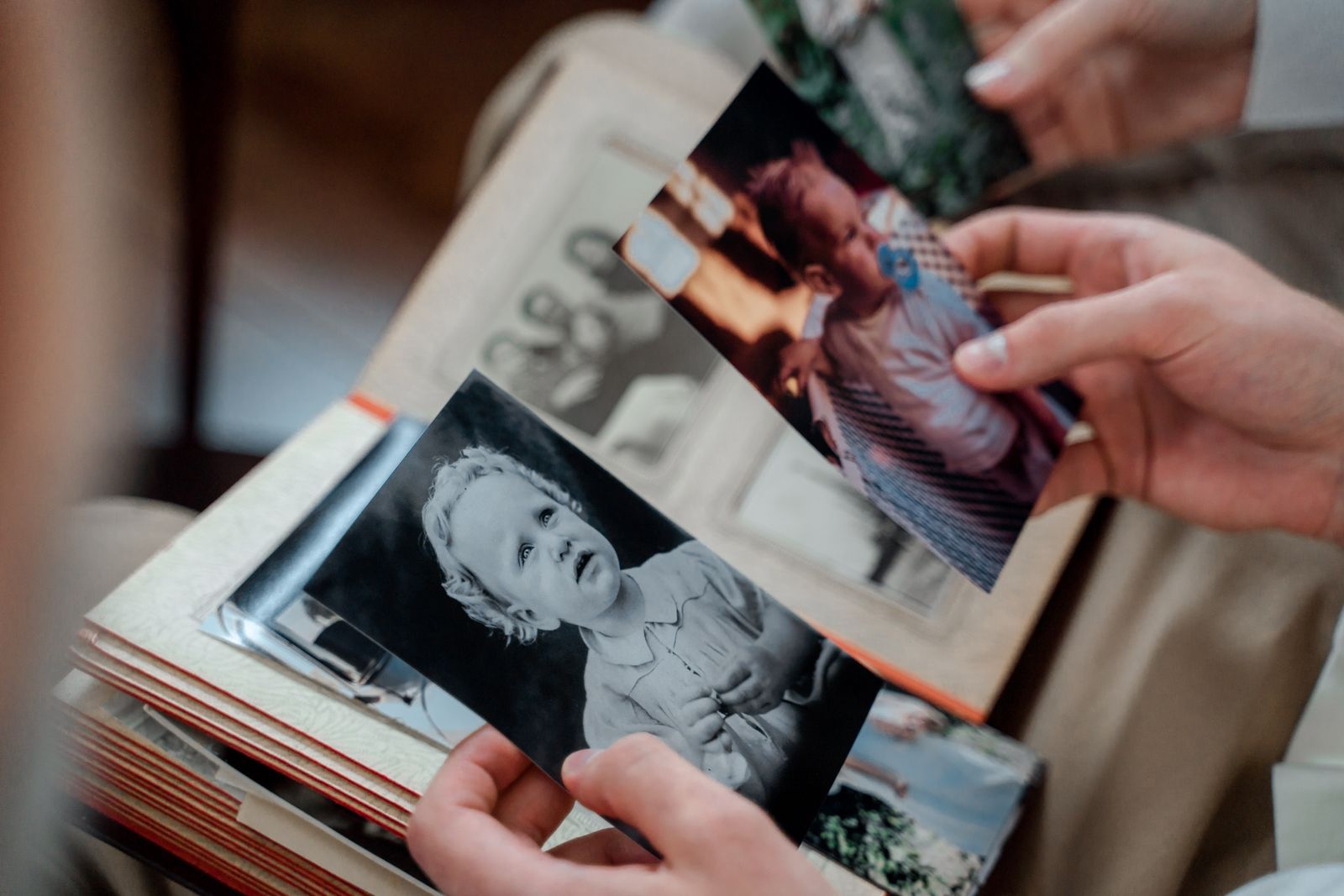
Photographs: celebration — photo by Pavel Danilyuk, https://www.pexels.com/photo/6405773/ ; conference speaker — photo by Pavel Danilyuk, https://www.pexels.com/photo/8761319/ ; album in hands — photo by cottonbro, https://www.pexels.com/photo/8848784/
More guides
- How to Find a Wedding Photographer: The Complete, Honest GuidePhotographers › Wedding Photographers
- How Much Does a Wedding Photographer Cost? Packages DecodedPhotographers › Wedding Photographers
- 10 Questions to Ask a Wedding Photographer Before You BookPhotographers › Wedding Photographers
- Wedding Photography Styles Explained: Documentary, Editorial, Traditional, Fine ArtPhotographers › Wedding Photographers
- Hiring a Wedding Photographer in California: Venue Light, Permits, and Price LevelsPhotographers › Wedding Photographers
- All Guides & ArticlesBrowse the full guides library