Photographers › Wedding Photographers
After Wedding Photographers: Maintenance, Follow-Up Costs and the Care Nobody Mentions Up Front
The wedding ends, the gallery arrives, and most couples assume the transaction is complete. It is not. It has entered its longest phase: the decades in which the photographs have to survive gallery expirations, hard-drive failures, studio closures, and your own good intentions about printing them “someday.” In the studio, we had a name for the work of that phase — none, actually. Nobody named it, nobody sold it, and nobody mentioned it up front. That is the problem this guide fixes.
What follows is the afterlife of a wedding photography booking, item by item: what expires, what costs money later, what you must do yourself because no one else is contracted to do it, and the small follow-up purchases that are genuinely worth making. This site lists 564 wedding photographers. Every one of them will, at some point, stop hosting your gallery. The couples who plan for that sentence keep their wedding. The rest become my phone call.
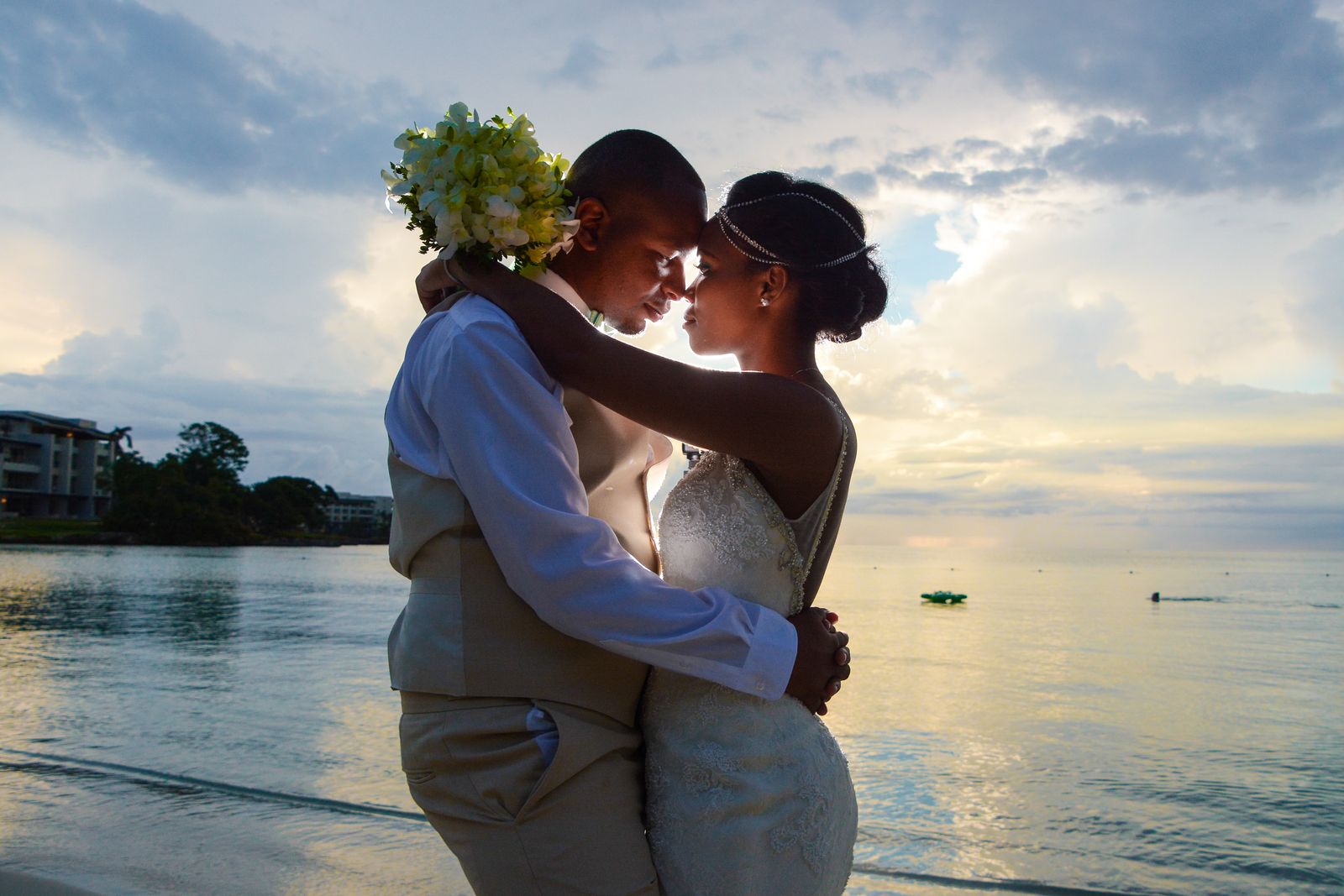
The gallery expires. That is not a threat; it is the design.
Online galleries are delivery mechanisms, not archives. Photographers set them to expire because storage compounds: a photographer shooting dozens of weddings a year cannot host every gallery forever on a one-time fee. The policies cluster predictably. Twelve months from delivery is the most common window — long enough to cover the first anniversary, when many couples finally order prints and albums. Six months is the short end of normal, and anything under ninety days generates more grief than it saves anyone. Some studios sell permanence as an add-on — lifetime hosting at a fixed price — rather than giving it to everyone.
The concrete terms live in three places: your contract, your delivery email, and, if your photographer is organized, a warning about thirty days before the gallery closes. Read the contract version now, not later, and note two distinctions that decide everything. First, the gallery expiry date and the archive retention date are different dates: the link dies first; the files may live on the studio’s drives for a while afterward — commonly, edited photographs are kept somewhere between six months and two years after delivery in total, with no industry standard and no professional association fixing the period. Second, retrieval after expiry is a service with a price. One studio’s published terms charge $50 to reopen an expired gallery, keep photographs in backup storage for six months, and charge $100 to reopen an album project after its three-month ordering window. Those numbers are typical in spirit: small fees, firmly applied, for work you could have had free inside the window.
And the raw material — the unedited, unculled files — is kept for far less time than the finished gallery, sometimes only weeks. If you think you will ever want an unedited frame or a different crop of a moment, ask while the wedding is still recent. In two years, the answer is not a fee. It is no.
The download is the maintenance
Everything in this guide is secondary to twenty minutes of work: downloading the full-resolution files and storing them in two places. Vendors who write about retention say it without decoration — the only copy of your wedding certain to exist in twenty years is the one you downloaded and backed up yourself. A gallery is typically 600 to 800 high-resolution images, roughly 10 to 20 gigabytes: small enough for a laptop, a portable drive, and a cloud folder, all three, for less than the cost of one framed print.
Do it at full resolution, not the web-size versions you shared on social media in the first excited week — those are the files couples most often mistake for their archive, and they will not print. Do it before the gallery expires, obviously, but also before the first anniversary, the house move, and the laptop replacement, because those are the events that actually eat wedding photographs. Then tell one other person — a parent, a sibling — where the copies live. An archive nobody can find is a rumor.
The album: the follow-up purchase with a deadline
If your package included an album, it came with a process most couples underestimate: selecting images, approving a design, requesting changes — typically two rounds of revisions are included — and approving the final layout before printing. One photographer’s published timeline runs about four to five months from wedding to delivered album when everyone does their part on schedule: gallery at six to eight weeks, design review around weeks twelve to fourteen, printing and binding after approval. The delays in that chain are almost never the studio’s. They are the couple’s unmade selections, sitting in an inbox through a honeymoon, a move, and a new job. Some studios price the drift: album orders are expected within about three months of delivery, with a fee — $100 in one published example — to reopen the project afterward.
If your package did not include an album, the after-market is real and worth pricing honestly. A photographer-designed, professionally printed album runs about $500 to $3,000 and up depending on size, pages, and materials; mid-tier heirloom albums start around $900 to $1,500, and fully custom work runs $2,000 to $4,000. A do-it-yourself photo book from a consumer service runs $100 to $400 — a genuinely different object, paper pages rather than archival lay-flat spreads, and a perfectly rational choice at its price. Parent albums are the emotional bargain of the whole category: smaller duplicates of the main design, typically $150 to $400 each in guide pricing, or around 60 percent of the main album’s cost in one photographer’s practice — $500 to $800 for a substantial copy. Extra spreads beyond the included layout run from a few dollars a page in consumer books to $50 to $75 a spread in professional albums, and cover embossing and similar personalization adds $25 to $100. The timing advice from album makers is consistent: order within six to nine months, while the design is open, the files are live, and you still remember which candid of your father is the one that matters.
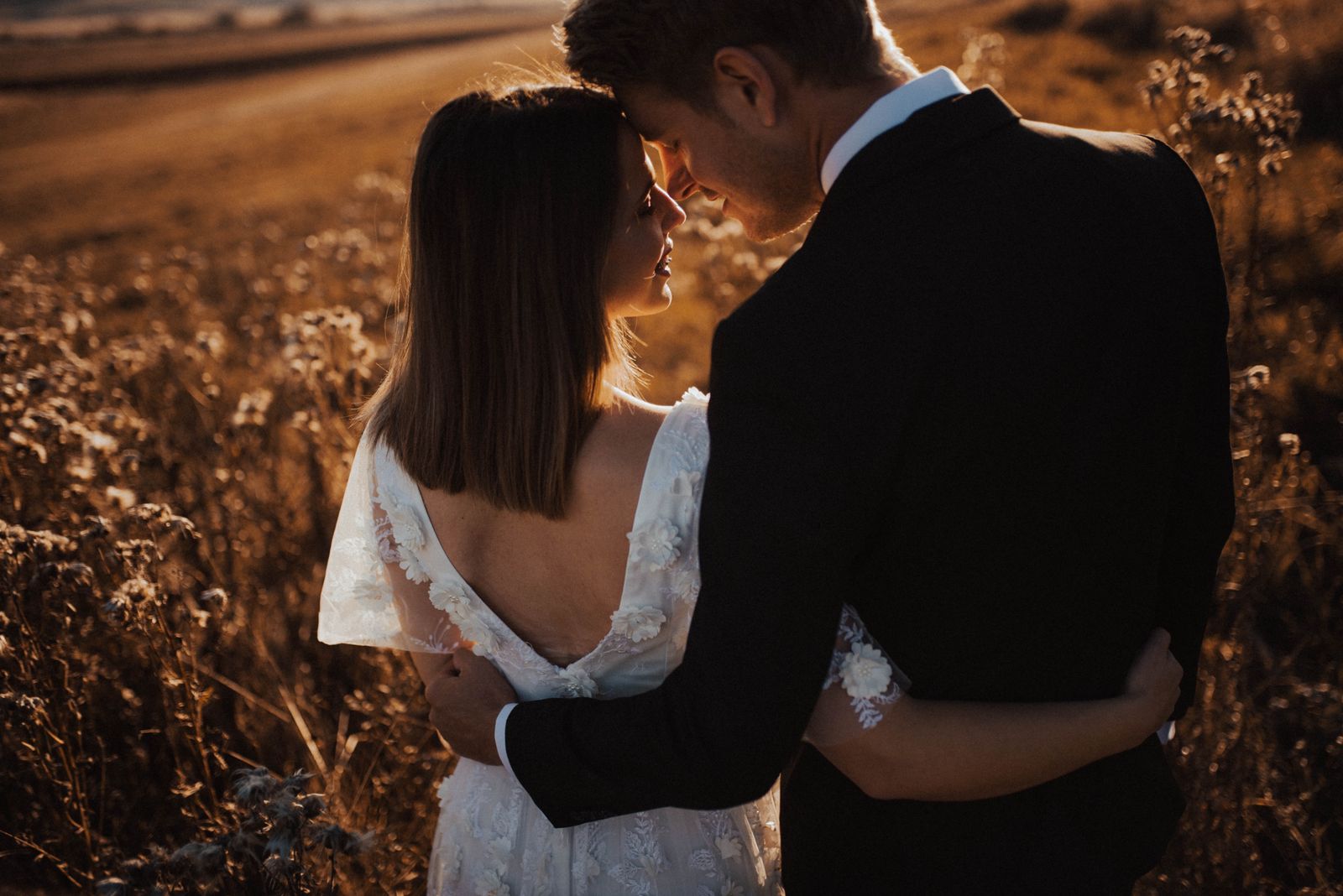
Prints, reprints, and the relatives
The first year is also the cheap window for prints. While the gallery is live, ordering is a click, the files are at hand, and the photographer’s lab relationship stands behind the result — professional albums and prints are made through trade-only labs whose quality the photographer guarantees in a way no retail counter matches. After the gallery closes, every print becomes a small project: find the file, find the release, find a lab. None of this is ruinous. All of it is friction, and friction is why the shoebox stage of wedding photography — the stage where nothing gets printed at all — claims so many couples.
Relatives are a follow-up cost nobody budgets. Parents want prints and albums; grandparents want the group photograph framed. Handle it inside the first year with the parent-album and duplicate pricing above, and it is a few hundred dollars of goodwill. Handle it ad hoc for a decade and it is the same money spent worse, plus the retrieval fees.
What “care” means for the physical objects
An heirloom album is built to outlast its makers — archival paper, lay-flat binding, materials chosen for decades of handling — and its care requirements are correspondingly simple: store it flat or upright in the living space of the house, not in an attic, a garage, or a damp basement; handle spreads with clean, dry hands; keep it out of sustained direct sunlight. Framed prints follow the same logic — the enemy is not time, it is humidity, heat, and ultraviolet light. The drugstore prints of the 1990s faded because of what they were printed on and where they were kept; the professional album survives because both halves of that equation were handled properly. Your half is the shelf you choose.
Digital care is the same discipline in another medium: drives fail on a three-to-five-year rhythm, formats and accounts change, and a file that is never opened is a file whose corruption is never noticed. Open the archive once a year — the anniversary is the obvious date — confirm the copies are readable, and migrate them when you replace a computer. Ten minutes a year is the entire maintenance contract, and unlike the photographer’s, it never expires.
| After-cost | Typical figure | The deadline that controls it |
|---|---|---|
| Gallery re-hosting after expiry | Around $50 | Gallery window — commonly 12 months from delivery |
| Reopening an album project late | Around $100 | Album ordering window — often about 3 months from delivery |
| Professional album bought after the wedding | $500–$3,000+; heirloom from about $900 | Cheaper and simpler while the design and files are live |
| Parent album duplicates | $150–$800 each, by size and tier | Ordered with the main album, at duplicate pricing |
| Extra album spreads | $5–$15 per page in books; $50–$75 per spread in pro albums | Priced at design stage |
| Your own backup | A drive and a cloud folder — under one framed print | Before the gallery expires; checked yearly |
The follow-up that is actually a relationship
One last item belongs on the list, and studios are too polite to say it: your wedding photographer is the natural photographer for the next thirty years of family events — anniversaries, newborns, the reunion where the same group photograph gets remade. Staying lightly in touch costs nothing, keeps you inside the studio’s goodwill, and means that when you do need a file retrieved in year three, you are a client writing to a person, not a stranger citing a contract. But do not mistake goodwill for a storage policy. The contract’s dates are the dates. Download the files, order the album inside its window, store the book like it matters, and check the archive every anniversary. That is the whole of the care nobody mentions up front — and it is the difference between having hired a wedding photographer and still having a wedding.
Sources
- FOCL, Wedding Gallery Expiration Policy — twelve months from delivery as the most common window, six months at the short end, and how expiry policies are worded and warned.
- Shutter & Sound, How Long Do Wedding Vendors Keep Your Photos and Video — retention patterns, why galleries expire, and the case for downloading and backing up your own copy.
- Daftei, Your Wedding Photo Gallery Has an Expiration Date — gallery windows of ninety days to two years and archival retrieval fees after expiry.
- Wedistry, How Long Do Wedding Photographers Keep Photos — edited photographs commonly kept six months to two years, with storage models and costs.
- Trynh Photography, Wedding information — $50 gallery reopening fee, six-month archive, $100 fee to reopen an album project after three months.
- The Perfect Wedding, Wedding Album Design Guide — photographer albums at $500–$3,000 and up, DIY books at $100–$400, parent albums, and per-page pricing.
- Jose Hiram Photography, The Heirloom Wedding Album — mid-tier albums from about $900–$1,500, custom work at $2,000–$4,000, parent copies, and the six-to-nine-month ordering window.
- Allie Dowd Photography, Heirloom Albums — album pricing by size, $75 per additional spread, and debossing at $100.
Photo credits: Couple at sunset — photo by Giuseppe Messina, https://www.pexels.com/photo/a-couple-having-a-beach-wedding-4364780/ . Wedding couple portrait — photo by Sandro Crepulja, https://www.pexels.com/photo/3361200/ . Reception tables — photo by Jonathan Borba, https://www.pexels.com/photo/9714791/ .
More guides
- How to Find a Wedding Photographer: The Complete, Honest GuidePhotographers › Wedding Photographers
- How Much Does a Wedding Photographer Cost? Packages DecodedPhotographers › Wedding Photographers
- 10 Questions to Ask a Wedding Photographer Before You BookPhotographers › Wedding Photographers
- Wedding Photography Styles Explained: Documentary, Editorial, Traditional, Fine ArtPhotographers › Wedding Photographers
- Hiring a Wedding Photographer in California: Venue Light, Permits, and Price LevelsPhotographers › Wedding Photographers
- All Guides & ArticlesBrowse the full guides library