Photographers › Architectural Photographers
Architectural Photography Emergencies: What to Do in the First 24 Hours
An architectural shoot fails differently from every other kind of photography. The subject is a building: it cannot be rescheduled by phone, its light arrives on an astronomical schedule, its doors are controlled by people who did not hire you, and the deadline behind the shoot — a listing going live, a competition entry, a lease-up campaign, a closing — usually belongs to somebody else's calendar entirely. When I managed a studio, our architectural emergencies were never one problem. They were a stack: the weather turned, the site was not finished, the property manager who promised access was on holiday, and the twilight window was still exactly twenty minutes long.
This playbook is for the first 24 hours after an architectural shoot starts to go wrong — whether you are the photographer or the first-time client who booked one and is now watching the day wobble. The principle is the same as in any emergency work: protect the deliverable first, document everything second, and argue about money last, in writing, when everyone is calm.
Recognize the emergency early: the five ways these shoots fail
Access failure. The building is locked, the keyholder is absent, security has no record of the shoot, or the tenant in the space you were promised has not been told. This is the commonest architectural emergency and the most preventable: it is almost always a paperwork failure from days earlier, surfacing at the door.
Readiness failure. The project is not finished. Painters are in the hero space, the landscaping is mud, protective film is still on the glass, the furniture delivery is tomorrow. A building photographed unfinished is worse than a building photographed late, because the images enter the client's library and get used for years.
Light and weather failure. Architectural work is scheduled around the sun's angle on specific elevations. Cloud, rain or wildfire smoke can erase the exact condition the shoot was booked for — a west elevation that needed evening sun, a glass tower that needs a clear sky to read as anything but grey.
Permission failure. Someone with authority — a property owner, a facility manager, a security supervisor — questions the shoot's right to be there, or the images' right to be used. Under U.S. law, Section 120(a) of the Copyright Act allows photographing a building located in or ordinarily visible from a public place, and using those pictures commercially, without the architect's permission. That exception covers the exterior from public ground. It does not grant entry to private property, it does not cover interiors, and it does not clear murals, sculpture or signage that fill the frame. Inside a building, the owner's written permission — a location release or access agreement — is the document that matters, and verbal consent is consistently treated as inadequate for commercial production.
Equipment and data failure. The tilt-shift lens stays home, a body dies, a card corrupts. Buildings are forgiving subjects for backup gear — they do not move — but perspective-control lenses and high-resolution bodies are harder to improvise than portrait kit.
The first hour: triage the shot list, not the blame
Stop, and get the shot list out. An architectural shoot day typically yields only about 10 to 15 finished images, at day rates most commonly between $1,500 and $3,000 (with the full market running $1,500–$4,000 before licensing and retouching) — which means every hour of the day is carrying roughly a finished photograph worth hundreds of dollars. Triage accordingly:
- Identify the three non-negotiable frames. Usually the hero exterior, the signature interior, and the twilight shot. Everything in the first hour serves those three.
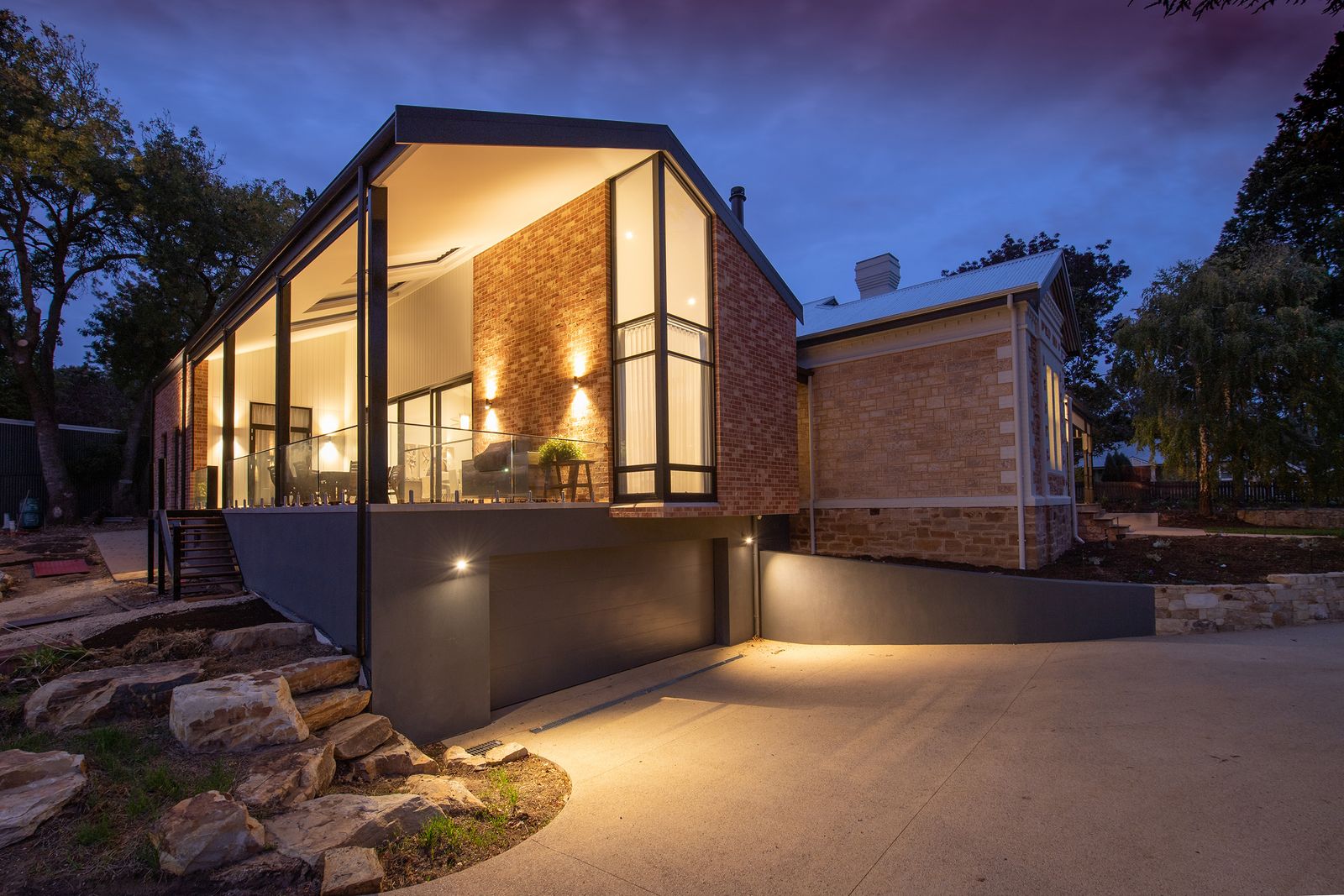
- Decide the twilight question immediately. Dusk cannot be moved, extended or repeated tomorrow at the same angle in the same season without cost. If the day is salvageable at all, build it backwards from the twilight window; if it is not, the twilight becomes the anchor of the rescheduled day and today becomes a scouting and interiors day.
- Work the access problem in parallel, by phone. Property management, the client's facilities contact, the leasing office, the architect's project manager — in that order, and keep a log of who was called and when. Access emergencies resolve through org charts, not through the person standing at the desk.
- Shoot what is shootable now. Interiors under controlled light do not care about the weather outside. Details, materials and secondary spaces can fill a broken morning and sometimes save the client a second mobilization entirely.
- Say the situation plainly, once, to the client. What has happened, what the revised plan is, what it protects, what it moves. Clients forgive weather and locked doors. They do not forgive discovering at 4 p.m. that the morning was lost.
Hours two to six: document like an insurer, shoot like an opportunist
While the revised plan runs, build the record that the rescheduling negotiation will be based on. Photograph the unready spaces as found — the painters, the film on the glass, the locked door with the building's own signage in frame. Screenshot the weather. Save the call log, the access emails, the permit or release paperwork, and any instruction given on site, with names. If a security officer or manager asks the shoot to stop, comply first and document second; the argument is won later, on paper, and a photographer who has been formally removed from a property has lost the reschedule as well as the day.
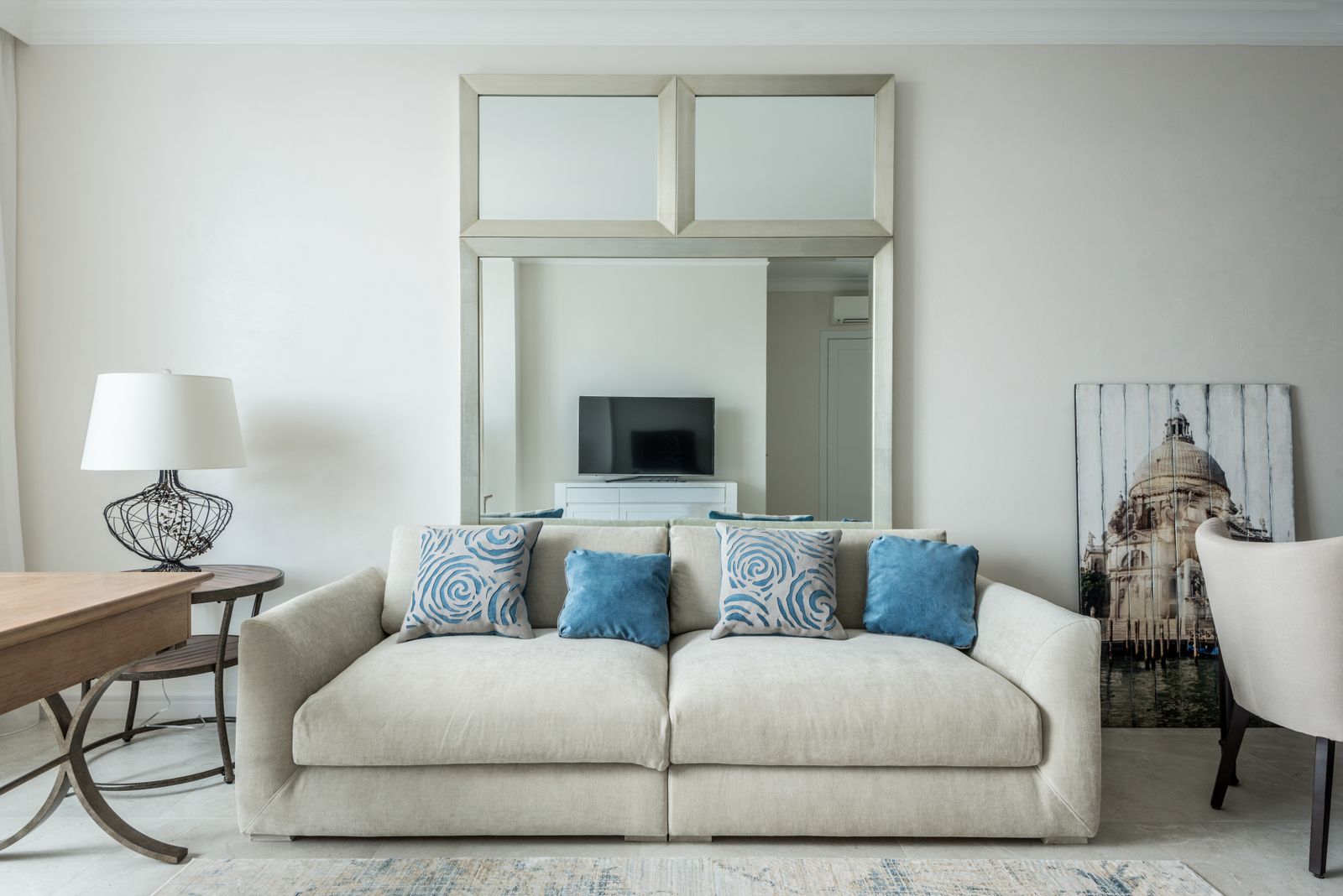
Opportunism is the other half of these hours. Flat, overcast light that ruins an exterior is genuinely good for even interior illumination through windows. Rain makes stone, glass and landscaping read rich and saturated in the brief windows after it passes, and wet pavement gives exteriors a reflection that clients pay retouchers to fake. A readiness failure in the hero space may expose a finished secondary space the client had not thought to feature. The photographers who survive emergencies are the ones whose Plan B is a different set of pictures, not a smaller set of apologies.
Two emergencies with their own rules: people and deadlines
People in the building. A shoot in an occupied building — an office in use, a hotel receiving guests, a school — adds a human layer to every other failure mode. Staff and guests wander into frames; someone senior objects to being photographed; a space that was promised empty is in a meeting until three. The working rules: the client's site contact, not the photographer, clears people from spaces, because they carry the authority; identifiable individuals in commercial imagery need releases, so a frame that cannot be cleared is a frame to recompose or drop; and a shoot that will disrupt a working building should have its hours, routes and restricted areas agreed in the access paperwork, not negotiated in a corridor. If the emergency is that the building is simply alive in a way nobody planned for, the professional answer is often to shift the day's weight to early-morning and evening edges, when the building empties and the light improves at the same time.
The deadline behind the deadline. Architectural photographs are rarely the final product; they feed a listing launch, an awards submission with a hard portal closure, a leasing brochure at the printer. When a shoot slips, ask immediately what the images feed and when that downstream deadline actually bites — because a submission deadline may accept the previous project's photography for entry and the new set for judging, a listing can launch with exteriors and add interiors in 48 hours, and a printer's deadline is usually a week softer than the panic suggests. Half the architectural emergencies I watched were deadline emergencies only because nobody had asked the second question. Asking it in the first hour converts some disasters into sequencing problems, and sequencing problems are the kind photographers are actually paid to solve.
The money conversation: what the first 24 hours should settle
Do not leave the site, or the day, without a written outline — an email is enough — covering three things. What was delivered today: which frames were captured, including any Plan B work, so today's partial production is credited rather than vaporized. What remains and when: the rescheduled scope, the proposed date, and who owns the open items (access confirmation, readiness sign-off) this time. What it costs: the contract's weather, reschedule and postponement terms govern, and professional contracts in this field commonly treat a client-side readiness or access failure as a billable day with a reduced reschedule fee, a genuine weather failure as a shared-risk reschedule, and a photographer-side failure (illness, equipment) as the photographer's cost entirely. If your contract is silent on all three, this emergency is how you learn to fix that — standard turnaround in this market runs 10–14 business days with rush delivery around 25 percent more, so a lost week has a real price for the client's deadline, and the reschedule conversation should name the delivery date, not just the shoot date.
One more line belongs in that email if licensing is involved — and in architectural work it always is. The photographer retains copyright; the client holds a license, typically for their own firm's website, portfolio, social media and award submissions, with additional parties (architect, builder, designer) licensed separately, commonly at 25–50 percent of the creative fee per additional party when bundled up front and more when added later. An emergency reschedule is the worst possible moment for a participant to discover they were never licensed. Confirm, in the same email, exactly whose usage the rescheduled shoot covers.
Before the rescheduled day: the 24-hour checklist that ends the story
Emergencies repeat when their causes survive. Close this one inside the first day by setting up the next: written access confirmation naming the keyholder and their phone number; a readiness walkthrough — by the client or their contractor, photographed — no later than the day before; the location release or access agreement signed and in the photographer's bag, not in an inbox; permits checked if any public-space or drone work is involved (aerial photography for commercial work requires an FAA Part 107 certified pilot, full stop); a weather decision time agreed in advance, with the authority to call it resting with one named person; and backup equipment confirmed, with rental houses identified for the specialty items — this site's directory lists 141 architectural photographers and the wider rental market behind them, so a colleague or a tilt-shift lens is findable if the call is made a day ahead rather than an hour behind.
Do those things and the emergency becomes what it should be: an expensive afternoon with a paper trail, a protected twilight, and a client who watched a professional absorb a bad day without flinching. In architectural work, that composure is not a soft skill. At $2,000 to $5,000 for a typical single-party project, it is most of what the client was buying.
Sources
- Sean G Photo, "Architectural Photography Pricing in 2026" — day rates $1,500–$4,000, most working photographers $1,500–$3,000; 10–15 finished images per day; retouching $50–$200 per image; additional-party licensing 25–50% of the creative fee; twilight sessions $400–$900 — https://seangphoto.com/articles/architectural-photography-pricing-2026
- Grand Rapids Marketing Co., "Architectural Photography Cost" — half day $900–$1,600, full day $1,800–$3,200; standard turnaround 10–14 business days, rush about 25% more; drone add-on $350–$750 — https://grandrapidsmarketingco.com/articles/photography/architectural-photography-cost/
- HSM University, PHOT-311 Lesson 12, "Copyright, permissions, licensing" — Architectural Works Copyright Protection Act and the Section 120(a) exception for buildings visible from a public place — https://www.hsmuniversity.org/us/course/phot-311-architectural-and-interior-photography/lesson-12-copyright-permissions-licensing-and-capstone
- Jimmy Clemmons, "Location Release Forms: A Photographer's Legal Guide" — written permission for private property; verbal consent treated as inadequate for commercial production — https://jimmyclemmons.com/location-release-forms/
- Twilight exterior — photo by Littlehampton Bricks, https://www.pexels.com/photo/modern-house-facade-with-glowing-lights-at-dusk-4626268/
- Bright living room — photo by Max Vakhtbovych, https://www.pexels.com/photo/sofa-with-cushions-in-living-room-5998023/
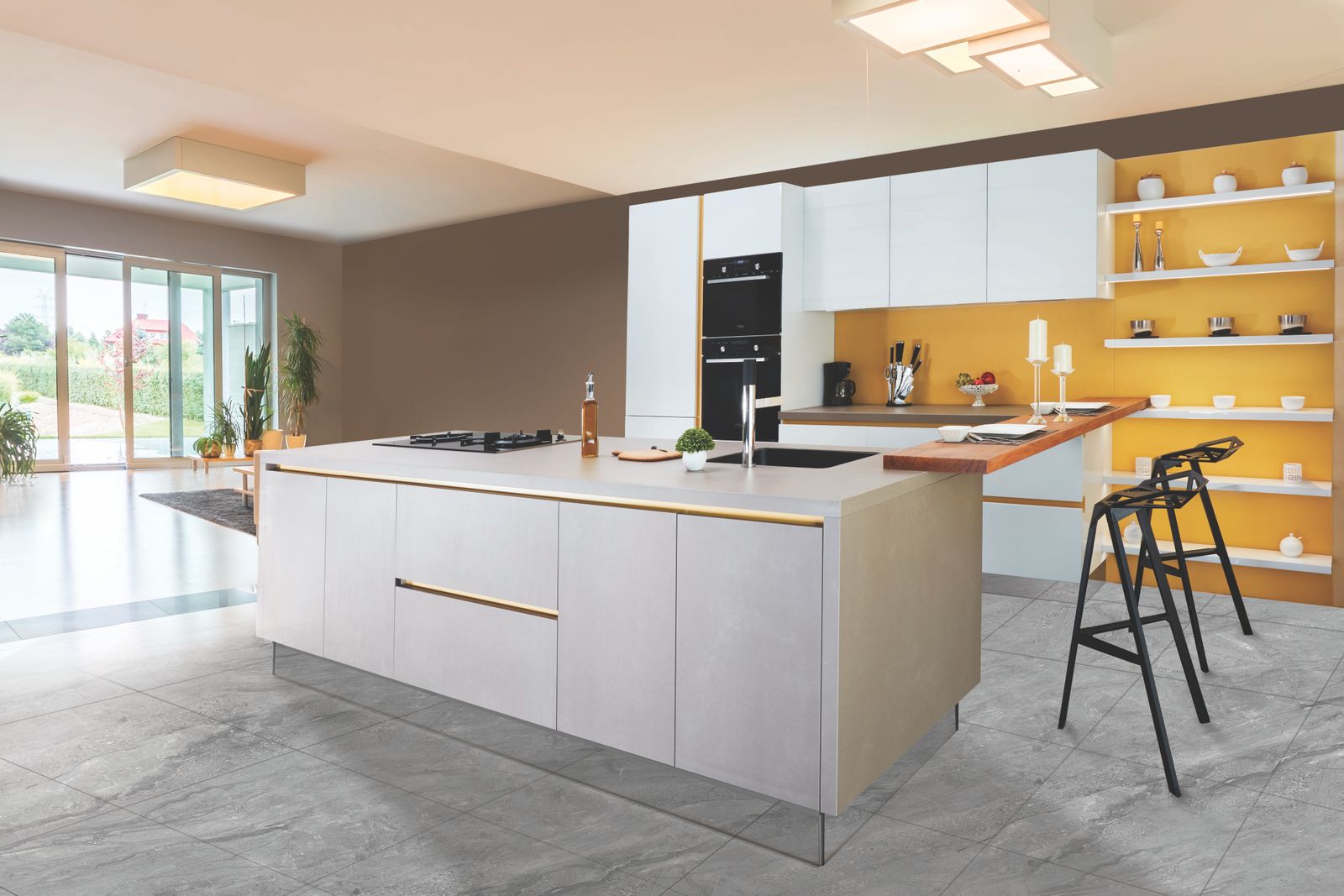
- Kitchen interior — photo by Saviesa Home, https://www.pexels.com/photo/kitchen-island-2089698/
More guides
- How to Find a Wedding Photographer: The Complete, Honest GuidePhotographers › Wedding Photographers
- How Much Does a Wedding Photographer Cost? Packages DecodedPhotographers › Wedding Photographers
- 10 Questions to Ask a Wedding Photographer Before You BookPhotographers › Wedding Photographers
- Wedding Photography Styles Explained: Documentary, Editorial, Traditional, Fine ArtPhotographers › Wedding Photographers
- Hiring a Wedding Photographer in California: Venue Light, Permits, and Price LevelsPhotographers › Wedding Photographers
- All Guides & ArticlesBrowse the full guides library