Photographers › Aerial Photographers
Booking Aerial Photographers for Someone Else: Adult Children, Parents and Caregivers
Most photography is booked by the person it is for. Aerial photography breaks that pattern more often than any other kind, because the occasions that call for it cluster at exactly the moments when families act for each other: the family farm photographed from the air before it is sold, a parent's house documented from above as part of a move to smaller living or into care, land and roofs inspected for a relative who can no longer climb, survey and check on them. Popular-photographers.com lists 877 aerial photographers; any of them can fly the job. What makes these bookings go wrong is almost never the flying — it is consent, payment, communication and ownership, the four things that change when the person booking is not the person the photographs are about. This guide works through each, and the mistakes families make with the best intentions.
Why Families Book Aerial Photography at All
The requests are more practical than sentimental, though sentiment runs through most of them. The legacy photograph is the classic: a framed aerial of the farm, the ranch or the house a parent built, given while the parent can still enjoy it, or made for the family before a sale disperses the place forever. The sale is the second: when adult children help sell a parent's home, aerial images are now standard listing material, and the child coordinating the sale is usually the one who books them. The property check is the third: roof condition, outbuildings, fencing, drainage and land state, documented from the air for a parent who lives at a distance from the property — or whom distance separates from the children managing it. And the record is the fourth: estates, insurance files and family archives all benefit from dated aerial documentation of what a property actually contains. A typical drone booking for a single property runs about $150–$400, which is why these jobs are so often arranged casually, by text message, in an afternoon. The casualness is where the trouble starts.
Consent: The Owner's Yes Is the Only One That Counts
The foundational rule is simple and frequently missed: control over filming on private land belongs to the property owner. Legal guidance on photography and property is blunt — filming on someone else's property is lawful only with the owner's permission, and a visitor's wishes, however close the family tie, do not substitute. An adult child arranging aerials of a parent's home therefore needs the parent's actual agreement, not merely their own good intentions or their role as the one "handling things." Where a parent is happy, involved and able to decide, this is a conversation, not a formality — and guidance on family moves consistently stresses involving the parent directly in each decision, because respecting an older adult's autonomy is what keeps a practical project from feeling like something done to them.
Three harder cases deserve honesty. If your parent would say no, the answer is no — a surprise drone over the house of a private person who dislikes attention is not a gift, whatever it costs. If your parent's capacity to consent is in question, a photography booking is the smallest decision in that situation and still not yours to shortcut: families in that position should be working through the proper legal channels for decision-making authority generally, and a $250 drone flight can wait for them. If the property has other stakeholders — a sibling co-owner, a tenant, a spouse's family interest — their consent matters too, and the middle of a family disagreement is the worst possible time to commission surveillance-grade imagery of a contested property. Operators are not referees; a reputable one will ask who owns the property and who has agreed, and should be thanked, not argued with, for asking.
The Neighbors Are Part of the Booking Too
A drone photographing your parent's property will, unavoidably, see and be seen by the neighbors — and this is where well-meant bookings generate their most avoidable conflict. The legal picture rewards courtesy: there is no settled federal altitude at which a landowner's rights simply end, several states have drone-specific privacy laws (Texas restricts capturing images of private property with intent to surveil; Florida gives residents a civil claim over drone recording where there is a reasonable expectation of privacy; California treats some drone recording of private settings as invasion of privacy), and the consistent legal theme is that the camera, not the airspace, is where liability lives — filming identifiable people in private spaces such as fenced backyards is the act that creates exposure.
Translate that into family practice. Tell the immediate neighbors a drone will be flying, when, and why — most friction is surprise, and a two-minute conversation removes it. Brief the operator to frame the subject property, not the street: tight flight lines over the parcel, no lingering over adjoining yards, no images of neighbors' pools, patios or children as incidental content. And if your parent is the kind of person who will hear about the drone from a neighbor rather than from you, you have sequenced the booking wrong. In a parent's community — especially a retirement community or a care setting, where management may have its own rules about commercial photography on the grounds — ask the property's management as well as your parent. Consent, in this kind of booking, is a small network, and mapping it is the booker's real job.
Payment and Paperwork: Decide Who the Client Is
Money is where "I'm just helping" quietly becomes a legal position. When you book and pay, the contract is ordinarily with you: the operator's client of record, the person who receives the gallery, and the person the usage license names. That default is wrong for many family jobs. If the aerials are for a parent's property listing, the license should serve the listing and the sale, and the agent may be the better contracting party. If the images are an estate record, the family may want them held by the parent or shared among siblings rather than locked in one child's account. None of this is complicated if it is settled before the flight: who signs, who pays, who receives the files, who may use them and for what. Settled after, it becomes an argument about why one sibling "has" the farm photographs.
Payment carries two further cautions. First, paying for a parent's expenses out of their funds — rather than your own — is a different act from paying yourself and being reimbursed, and families administering a parent's money under any formal arrangement should keep the booking, invoice and receipt cleanly documented like any other disbursement; casual cash arrangements are how small kindnesses become audit questions. Second, deposits and rescheduling terms land on whoever signed: weather cancels drone flights routinely, so confirm that the rebooking obligation — and any fee — sits with the person who will actually manage the new date, which may not be the relative who happened to make the first call.
Communication: One Coordinator, One Brief, No Surprises
Family projects fail on mixed messages more than on money. Downsizing and family-move guidance makes the same point in a different context: when several relatives are helping, agree roles early — one person coordinates appointments, another handles other tasks — because multiple family members briefing the same tradesperson produces contradictions and duplicated effort. Apply that structure here. One named coordinator talks to the operator. One written brief states the property, the shots wanted (the house from the south at golden hour; the whole parcel boundary; the barn roof close enough to show condition), the people to avoid capturing, and the delivery format and recipients. One day-of plan covers the unglamorous logistics that strand aerial bookings: gate codes and access, dogs, alarms, where the operator may park and launch, whether your parent will be present, and — if they will — what they have been told to expect, so that a stranger with a drone case is an appointment, not an intrusion.
Decide, too, how the results will be shared before they exist. A legacy aerial intended as a surprise gift for a parent should not arrive in a family group chat first. Listing photographs belong to the sale timeline. Property-condition images may show things — a failing roof, a deteriorated outbuilding — that will land emotionally on a parent who loves the place; the coordinator who receives them first can choose how they are presented, which is a kindness no operator can provide for you.
The Mistakes Families Make, Collected
Booking first, asking the parent later — the root error from which most others grow; consent obtained after a deposit is pressure, not consent. Assuming the helpful child is the client — then discovering the license, gallery and rebooking rights sit with the wrong person. Skipping the neighbors — converting a routine flight into a street dispute and, in some states, a privacy complaint with the family's name on it. Letting three siblings brief one pilot — producing three shot lists and one confused flight. Using aerial checks as quiet surveillance — photographing a parent's property, or a parent's habits, without their knowledge "for their own good"; whatever the motive, it corrodes exactly the trust the caregiving relationship runs on, and it can cross the same privacy lines as a stranger's drone. Losing the files — estate and legacy images stored in one relative's cloud account, under a password nobody else has, are a future family problem disguised as a completed task; deliver copies to the parent and the agreed family holders, in ordinary formats, with the license paperwork attached.
Booked well, this is one of the kindest small projects a family can run: a parent sees their land whole, perhaps for the first time; a sale is documented properly; a record exists that no one's memory has to carry alone. The flying takes twenty minutes. The consent, the roles and the paperwork are the booking — get those right and the photographs are the easy part.
Sources
- LegalClarity, Can You Film on Private Property Without Permission? — the property owner's control over filming on their land; permission as the default requirement; reasonable expectation of privacy.
- PickDrones, Can You Fly a Drone Over Private Property? — the unsettled federal altitude question, state drone privacy statutes (Texas, Florida, California), and the camera rather than the airspace as the focus of liability.
- Chana Gedy Real Estate, family guide to helping a parent move — involving the parent directly in each decision and respecting autonomy during a family-coordinated move.
- Fresno Downsizing Checklist (SRES) — agreeing family roles early, with one coordinator for appointments, to prevent mixed messages.
- Drone Pilot Guide USA, Drone vs. Airplane vs. Helicopter Aerial Photography — typical drone property job pricing of $150–$400.
Photographs
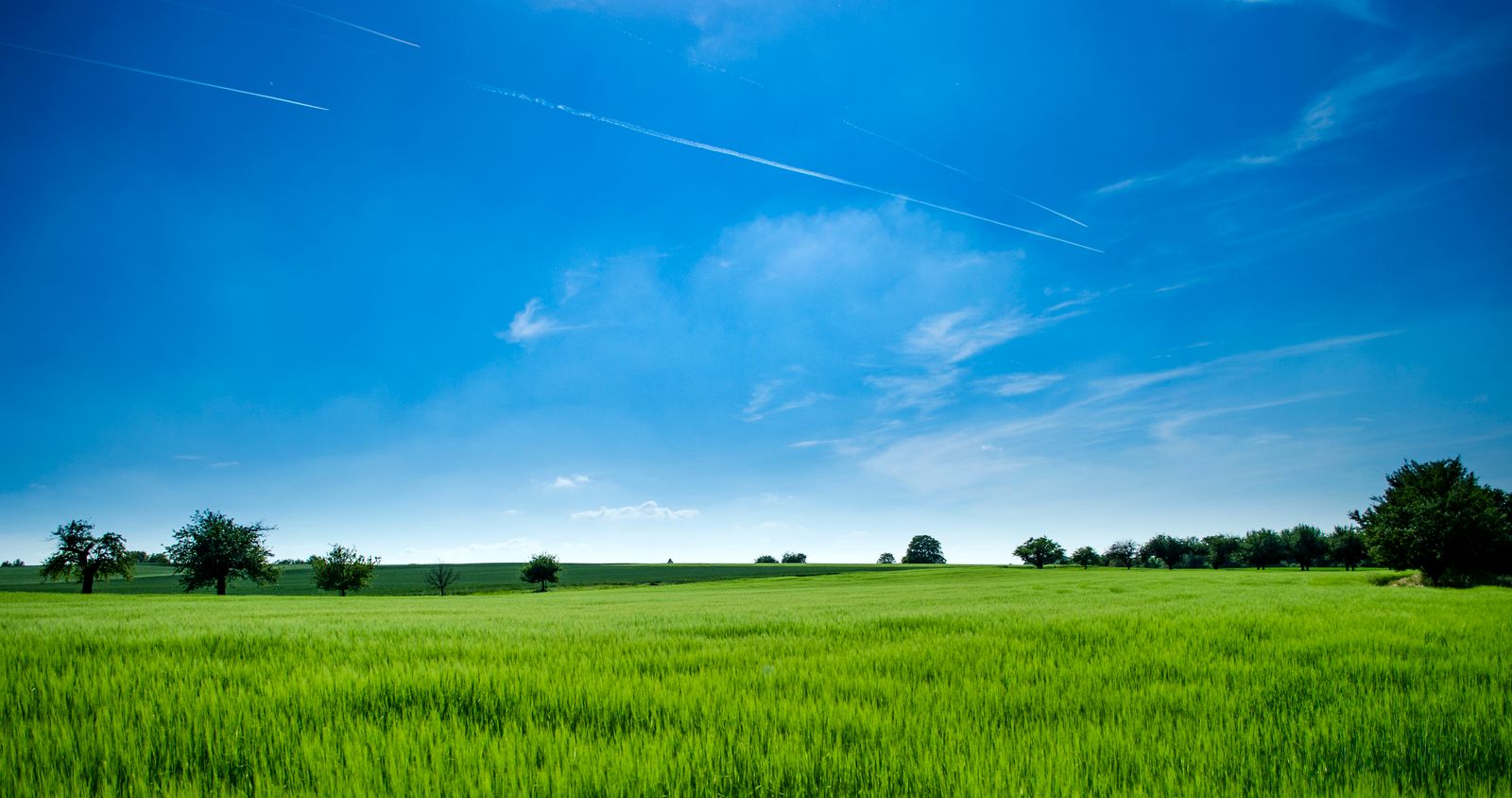
- Family farmland — photo by Ákos Szabó, https://www.pexels.com/photo/440731/
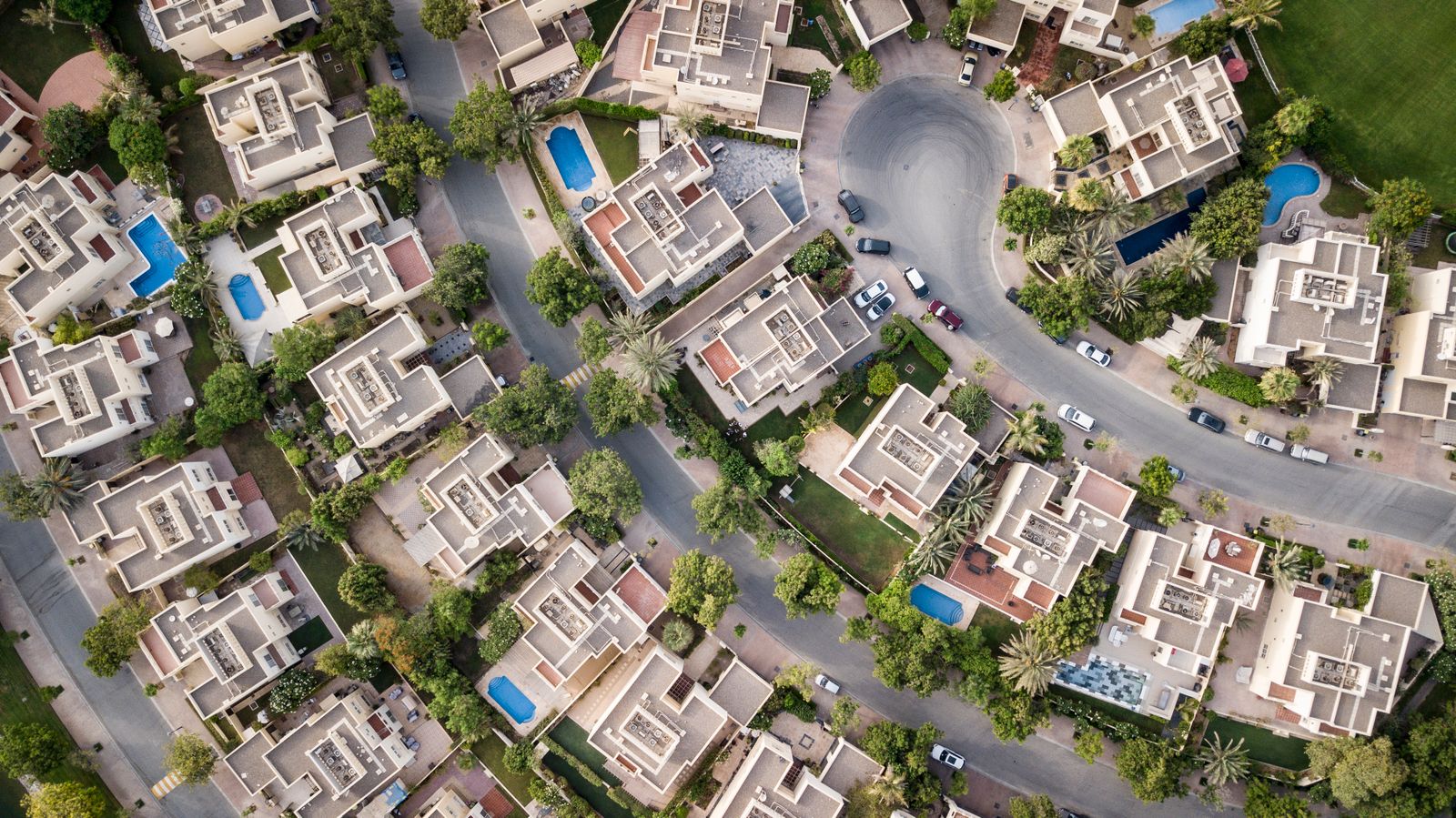
- Aerial neighborhood view — photo by The Lazy Artist Gallery, https://www.pexels.com/photo/1642125/
More guides
- How to Find a Wedding Photographer: The Complete, Honest GuidePhotographers › Wedding Photographers
- How Much Does a Wedding Photographer Cost? Packages DecodedPhotographers › Wedding Photographers
- 10 Questions to Ask a Wedding Photographer Before You BookPhotographers › Wedding Photographers
- Wedding Photography Styles Explained: Documentary, Editorial, Traditional, Fine ArtPhotographers › Wedding Photographers
- Hiring a Wedding Photographer in California: Venue Light, Permits, and Price LevelsPhotographers › Wedding Photographers
- All Guides & ArticlesBrowse the full guides library