Photographers › Wedding Photographers
Chicago Wedding Photography: Prices, Providers and Practicalities
Chicago is one of the best wedding photography markets in America and one of the most procedural. The provider bench is deep — hundreds of working wedding photographers across the city and suburbs, in every style from documentary to fine-art film. The architecture does half the composition for free. And then the practicalities arrive: a permit system split between three authorities, a fountain that is drained for half the year, conservatories that need two separate bookings, and a winter that turns portrait planning into logistics. I book photographers for a living. This is Chicago wedding photography on the ground: what it costs, who provides it, and the local details that decide whether the day runs smoothly.
What Chicago charges
The Knot's Chicago cost data puts the average wedding photographer in the city at $3,740 — about 29 percent above the national figure — with most couples spending between $1,860 and $4,540, and suburban photographers averaging a little less, around $2,900. Working Chicago studios describe the fuller shape of the market:
| Tier | Typical Chicago range | What it usually includes |
|---|---|---|
| Budget / newer photographers | $1,500–$2,500 | 6–8 hours, one photographer, 300–500 edited images |
| Experienced full-day | $3,000–$6,000 | 8–10 hours, 400–800 edited images, online gallery, print rights; second shooter often an option |
| Premium / luxury | $7,000–$12,000+ | Two photographers, engagement session, custom album, extended coverage |
A second shooter typically adds $500 to $1,000 and is widely regarded locally as the highest-value add-on in the package — in a city where getting-ready, ceremony and reception can happen in three neighbourhoods, it often is. Albums are commonly an $800 to $1,500 add-on at the mid-range rather than an inclusion. Season moves money here: peak season runs June through October, and Chicago studios price those dates at a premium of roughly 15 to 25 percent over winter dates. Booking lead time follows the same curve — in-demand Chicago photographers book 12 to 18 months out for peak Saturdays, while a January date can be had at shorter notice and occasionally at a negotiated rate.
For context, the average Chicago wedding overall runs to about $54,190 on The Knot's data, with venues averaging around $17,550 — photography's roughly $3,740 average is a smaller share of a Chicago budget than in most cities, which is one reason the premium tier thrives here: couples spending city money on the room often spend it on the record of the room too.
The permit map: three authorities, one afternoon
Chicago's defining practicality is that a permit for wedding portraits is issued by whoever runs the ground under the camera, and a single portrait route can cross three jurisdictions.
Chicago Park District — the lakefront, the beaches and most parks, including both conservatories. Wedding and engagement sessions count as non-commercial photography and need a permit: a $35 application fee plus $45 per location per hour, with no security deposit and no insurance requirement. Popular reservable locations include Buckingham Fountain, North Avenue Beach and the Museum Campus skyline view. A two-stop afternoon — an hour at the fountain, an hour at a conservatory — is two locations: $45 each plus the application fee, $125 in all.
The conservatory catch. Garfield Park Conservatory and Lincoln Park Conservatory require, on top of the photography permit, a timed entry reservation for every member of the party. Entry reservations open 30 days ahead, both documents are checked on arrival, and the Park District's advice is to book entry first: a party not fully covered by the entry reservation can be turned away for lack of space, permit or no permit. Photographers who work the conservatories build this sequence into their booking process; if yours has never heard of it, that is information.
Millennium Park and the Chicago Cultural Center are run by the city's cultural affairs department, not the Park District — permits come from there, separately. The Cultural Center, whose Tiffany dome makes it one of the most requested indoor backdrops in the city, allows personal photos freely but requires a permit for formal posed photography — weddings, engagements and professional sessions are named expressly — at $100 for a non-commercial permit and from $500 for commercial work. Millennium Park and Maggie Daley Park are likewise managed separately from the Park District's permit desk; so is Lincoln Park Zoo.
Streets and sidewalks belong to the Chicago Film Office — relevant when a portrait plan involves closing or obstructing a public way, less so for a couple walking a Riverwalk route with a photographer.
Outside the city line, the suburban landmarks run their own desks: the Chicago Botanic Garden in Glencoe requires a permit bought in advance for formal wedding and engagement photography, listed at $250, and the Morton Arboretum in Lisle permits its own grounds separately.
The working rule for couples: name every portrait location in the contract, name who files each permit, and treat "my photographer handles permits" as a sentence that should be followed by the fee schedule.
Chicago seasons, honestly
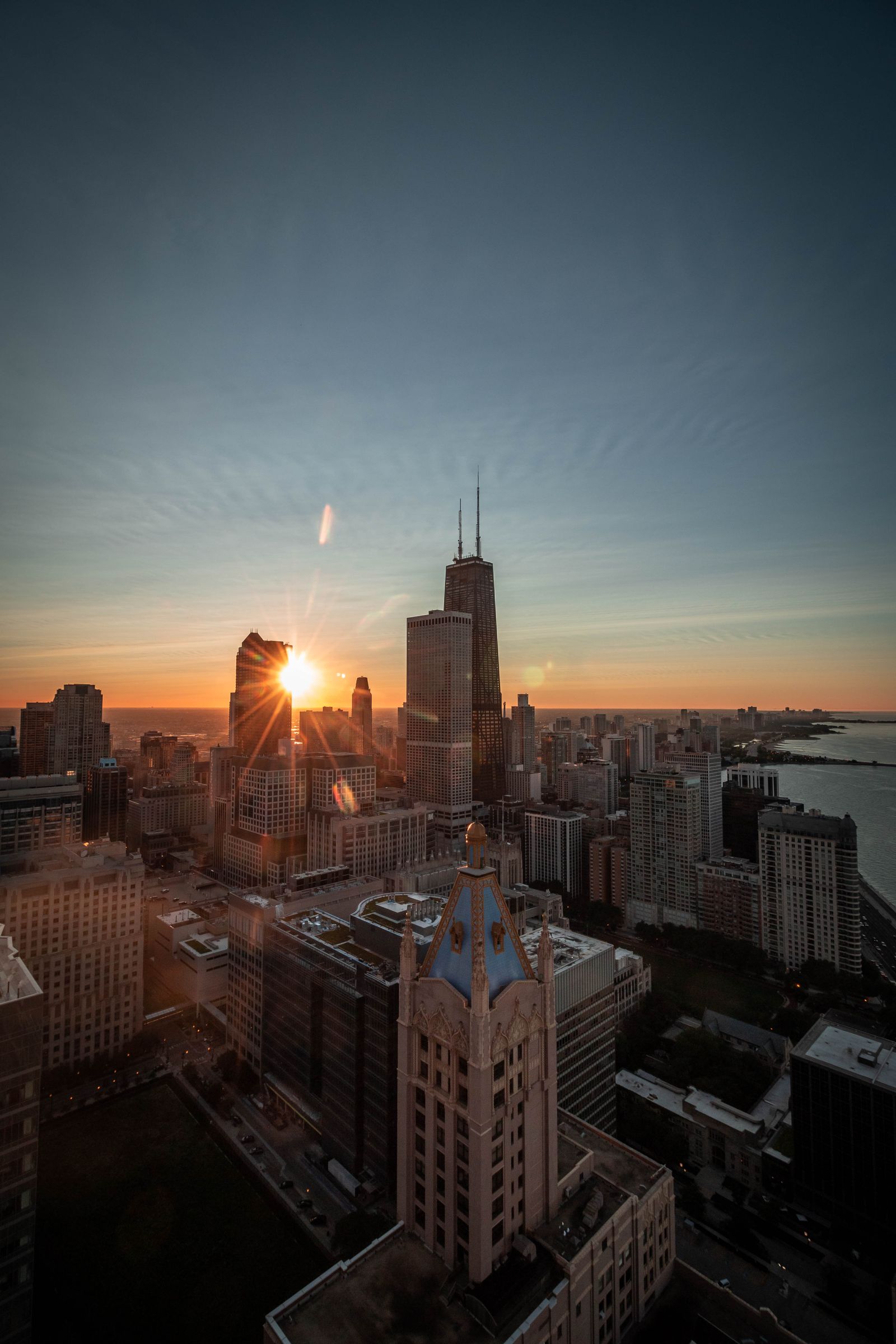
June through October is peak for a reason: lake light, long evenings, the city outdoors. It is also when Buckingham Fountain is actually a fountain — its water is off from mid-October through April, a fact that has surprised more than one April couple who booked "the fountain shot" from a summer photograph. Peak Saturdays carry the 15 to 25 percent premium and the 12-to-18-month booking horizon.
November through March is a different and underrated product. The conservatories stay green and warm — Garfield Park's glasshouses in January are the city's great indoor portrait location, which is exactly why the entry-reservation discipline matters most then. The Cultural Center and the city's interior architecture carry the rest. Outdoor work becomes a tactic rather than a plan: short bursts at blue hour, a warm place to return to, a photographer who scouts winter locations months ahead rather than improvising in a lake wind. In exchange, couples get availability, sometimes price flexibility, and a city that photographs moody and magnificent in snow.
Spring is the shoulder: April and May dates price below peak, the lakefront empties, and the risk is weather volatility rather than cold itself. Elopements and courthouse weddings run all year — a Cook County marriage licence costs $60, takes effect the day after issue and is valid for 60 days, a timetable worth knowing before booking a City Hall photographer for a specific morning.
Providers: how the bench is organised
Chicago's market sorts into recognisable layers. The large studios book volume and dispatch teams — efficient, well-insured, with associates whose work you should verify is the work in the portfolio you reviewed. The named independents sell a person: the photographer you meet is the photographer who shoots, books 12 to 18 months out at the top end, and prices the premium tier. The suburban bench — Naperville, Evanston, Oak Park, the North Shore — averages a few hundred dollars less than the city on The Knot's figures and is the natural market for garden and estate venues out that way, with the Botanic Garden's permit system as its local rite of passage. And a genuine film-photography revival is under way in the city: film collections start around $4,000 for partial-day coverage and climb from there, priced by stock and lab costs, for couples who want the medium's look with a professional's discipline.
Whichever layer you hire from, Chicago rewards one specific portfolio test: ask to see a full wedding shot in your season. A photographer's June lakefront gallery tells you nothing about their February conservatory work, and this city's two wedding seasons might as well be two different jobs.
City Hall, elopements and the short-coverage market
Not every Chicago wedding is a 200-guest production, and the city's short-coverage market deserves its own paragraph because it prices differently. Courthouse and elopement coverage is commonly sold by the hour — experienced photographers charge roughly $300 to $500 an hour for it — or in small packages: Chicago listings include two-hour elopement coverage from around $650 and four-hour packages near $1,000 at the value end, rising to $2,200 or so for a four-hour elopement package from an established studio with 200 or more finished photographs. The Cook County licence timetable shapes these bookings: because the licence takes effect the day after it is issued and expires in 60 days, elopement photographers here are used to couples who book the licence appointment and the photographer in the same conversation, and the good ones will ask whether you have done the first before confirming the second. Marriage Court ceremonies themselves are brief and the photography is mostly portraits afterwards — which loops the elopement straight back into the permit map above, since the portrait route from City Hall usually heads for the Riverwalk, the Cultural Center or the lakefront, each with its own authority.
A Chicago portrait route, priced
To make the permit maths concrete, here is a common downtown route costed at the published rates. Portraits at Buckingham Fountain for one hour: $45. A second hour at the Lincoln Park Conservatory: another $45, plus the $35 application fee — $125 in permit costs for the afternoon, plus entry reservations for every person in the party at the conservatory, booked when the 30-day window opens. Swap the conservatory for the Chicago Cultural Center's dome and the second stop is a $100 non-commercial permit from a different office entirely. None of these sums is large against a $4,000 photography package. All of them are capable of ending a portrait session at the door if nobody filed them — which is why, in Chicago, permit administration is a fair test of a photographer's professionalism, and why couples should ask for the receipts, not just the reassurance.
Questions to ask a Chicago photographer
- Which of my portrait locations need permits, who files them, and what will they cost at the per-location rate?
- Have you shot a full wedding in my season — and may I see that gallery, not a summer one?
- If a conservatory is on the route, who books the entry reservations when the 30-day window opens?
- What is the weather plan, named by location, if the lakefront is unusable?
- Is the second shooter a named person, and what does adding them cost?
- What are the delivery windows for previews and the full gallery in peak season?
The contract, Chicago edition
Beyond the standard clauses — retainer of 25 to 50 percent to hold the date is the local norm, gallery delivery windows in writing, a named backup — a Chicago contract should settle four local things. Who files and pays for each location permit, at the Park District's per-location, per-hour math. The weather plan, by name: which indoor location, booked how, if the lakefront is unusable. The conservatory sequence, if one is involved: entry reservations for the whole party at the 30-day opening, permit in hand on arrival. And travel expectations for suburban venues, where a city photographer's day can end an hour from home in January traffic.
This site lists more than 560 wedding photographers, and Chicago couples are spoiled for choice within it. Use the directory as a map to the bench, then hire on the evidence that matters here: a full gallery in your season, a permit conversation that starts before you ask, and a winter plan if your date needs one. Do that, and Chicago — fountain running, conservatory booked, skyline lit — will do the rest.
Sources
- The Knot, Chicago wedding cost data — establishes the average Chicago wedding photographer cost of $3,740 (29% above the US average), the $1,860–$4,540 typical range, suburban photographers averaging about $2,900, and the average Chicago wedding cost of $54,190.
- TWA Photography, Chicago wedding photography cost guide — establishes full-day packages at $3,000–$6,000 for experienced photographers, premium tiers at $7,000–$12,000 or more, budget options at $1,500–$2,500, a June–October peak premium of 15–25%, booking lead times of 12–18 months, second-shooter add-ons at $500–$1,000 and film collections from about $4,000.
- Chicago Park District permit rules, via Northlight's and BrideBox's permit guides — establish the $35 application fee plus $45 per location per hour for non-commercial wedding and engagement photography, the conservatories' separate entry reservations opening 30 days ahead, Buckingham Fountain's water being off from mid-October through April, and separate management of Millennium Park and Lincoln Park Zoo.
- Chicago Cultural Center photography policy — establishes the $100 non-commercial permit for formal posed photography, with commercial shoots from $500.
- Chicago Botanic Garden photography guidelines — establish the advance permit for formal wedding and engagement sessions, listed at $250.
Photo credits
- Chicago skyline at golden hour — photo by Cameron Casey, https://www.pexels.com/photo/high-rise-buildings-during-golden-hour-1334610/
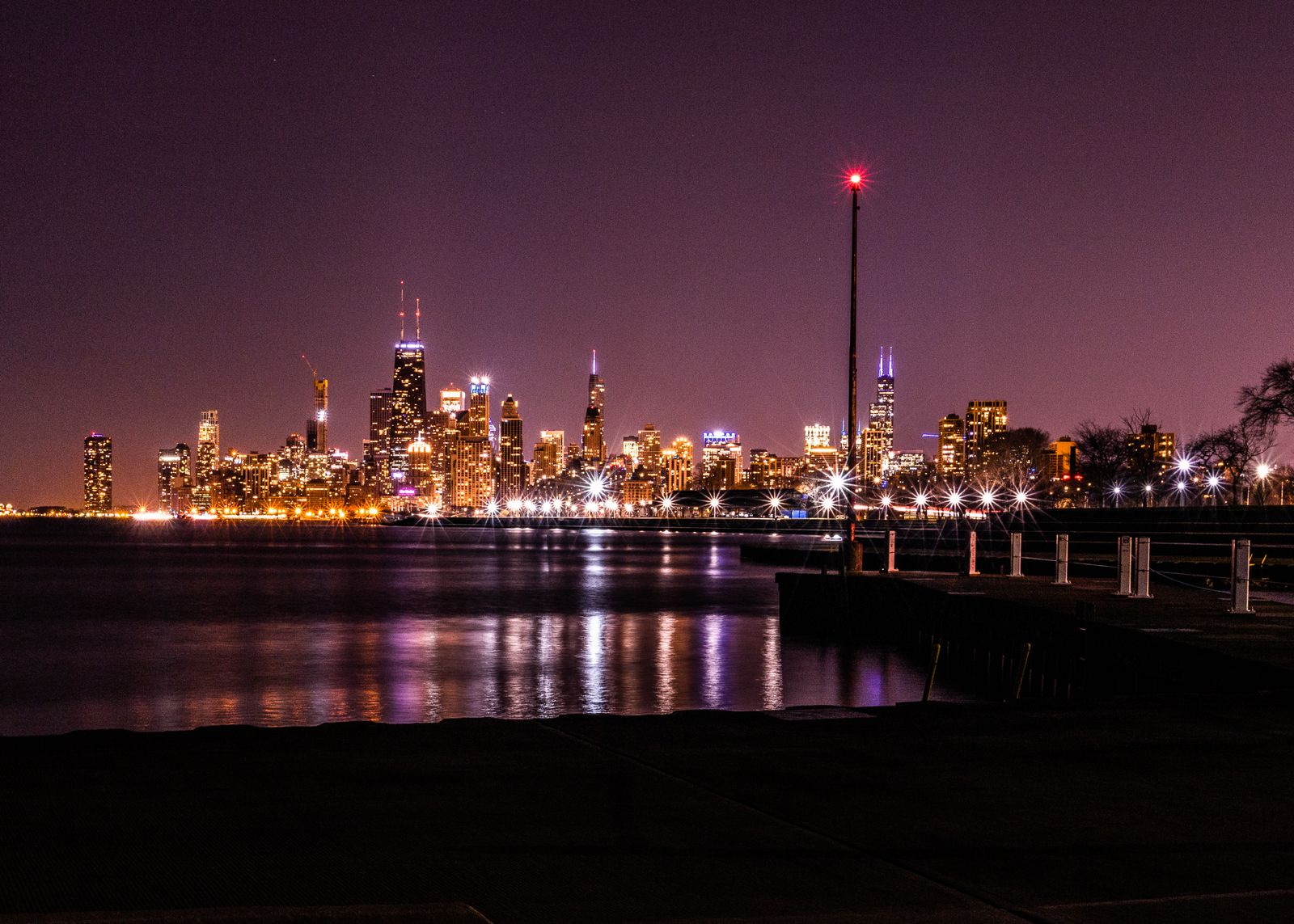
- Chicago skyline at night across Lake Michigan — photo by Bhargava Marripati, https://www.pexels.com/photo/city-buildings-during-nighttime-2155985/
More guides
- How to Find a Wedding Photographer: The Complete, Honest GuidePhotographers › Wedding Photographers
- How Much Does a Wedding Photographer Cost? Packages DecodedPhotographers › Wedding Photographers
- 10 Questions to Ask a Wedding Photographer Before You BookPhotographers › Wedding Photographers
- Wedding Photography Styles Explained: Documentary, Editorial, Traditional, Fine ArtPhotographers › Wedding Photographers
- Hiring a Wedding Photographer in California: Venue Light, Permits, and Price LevelsPhotographers › Wedding Photographers
- All Guides & ArticlesBrowse the full guides library