Photographers › Photographers Commercial & Industrial
Photographers Commercial and Industrial Red Flags: The Warning Signs Most People Walk Straight Past
The warning signs rarely appear on shoot day. They appear in the first email, in the quote that arrives as a single number, in the portfolio that is all beautiful first frames and no complete job. By the time a commercial or industrial shoot is actually failing — the plant manager is waiting, the crew is in safety boots, the photographer is asking where he can plug in — you have already walked past four or five chances to stop it.
I book photographers for a living. The work in this category is not wedding work with harder hats. A commercial and industrial photographer walks into a business that cannot stop for him: a production line that costs money when it pauses, a warehouse running shifts, a construction site with rules that exist because people have been hurt breaking them. This site lists 5,719 commercial and industrial photographers, so shortage is not your problem. Telling the prepared ones from the plausible ones is. These are the red flags experienced buyers watch for, in the order they usually appear, and what to do the moment you see one.
Flag one: the portfolio is all heroes and no jobs
Every photographer can show you twenty striking frames. What a first-time buyer rarely asks for — and what a professional always shows — is one complete job: the wide establishing shot of the facility, the process shots in sequence, the portraits of people who do not model for a living, the detail shots a sales team actually uses, all from the same day, in the same light, holding together.
A portfolio built only from hero images tells you someone has taste. It does not tell you they can deliver on a Tuesday, in a noisy plant, with a supervisor changing the brief at noon. Ask for a full gallery from a job like yours — factory, warehouse, site, office, whatever matches — and look for consistency across it, not brilliance at the top of it. If the photographer cannot or will not show a complete job, that is not modesty about client confidentiality in most cases. It is the answer.
The companion flag is a portfolio with no industrial work in it at all being offered for an industrial job. Wedding, family and lifestyle work does not teach someone how to light a dark production hall, work around moving machinery, or make a worker in protective gear look like a person rather than a warning sign. Adjacent experience can transfer — architectural and corporate work often does — but the burden of proof is on the photographer, not on your optimism.
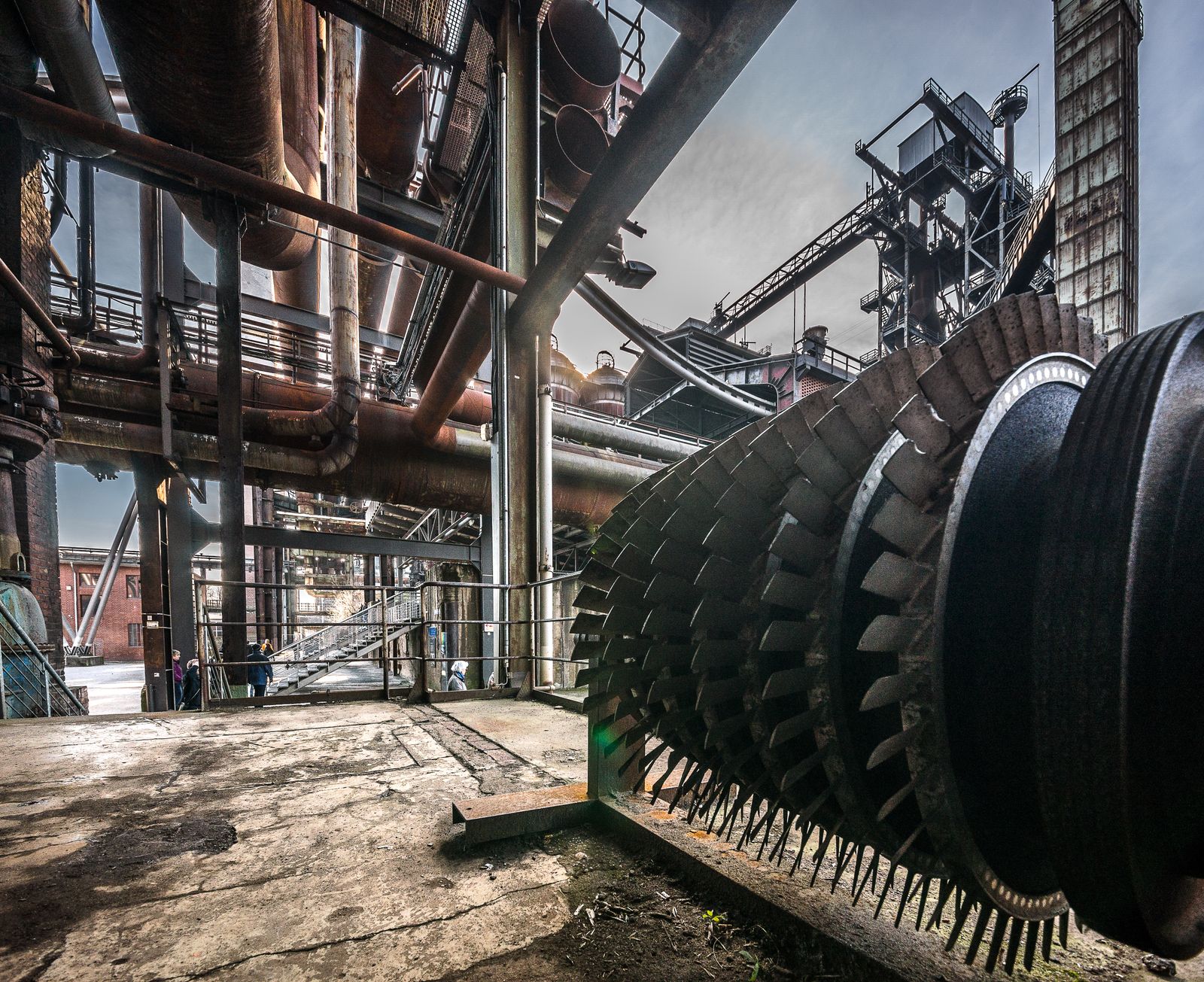
Flag two: the quote is one number on one line
A professional commercial estimate is itemised. It separates the creative or day fee from usage, crew, assistants, equipment, travel, production and post-production, so you can see what you are buying and change the shape of the job together. Pricing guides for business photography put a half-day brand shoot roughly in the $800–$2,500 range and a full multi-location day at $2,500 and up, with industrial days that need extra crew, safety cover or aerial work running higher — the point is not the exact figure in your market, it is that a real quote can explain itself line by line.
A single lump sum cannot. It hides every decision you should get to make, and it usually means one of two things: the photographer has not thought the job through, or something you assume is included — the assistant, the insurance, the usage, the retouching, the second location — is not. The quote far below the other two is the classic version of this flag. It is not always dishonest, but in commercial work a low number almost always means a line is missing, and the missing line surfaces later as an extra, a delay, or a thinner job.
What to do: ask for the breakdown, in writing, before you compare quotes at all. Compare like with like — hours, deliverables, crew, usage — or you are not comparing prices, you are comparing guesses.
Flag three: nobody wants to talk about usage
In commercial photography you do not simply buy pictures. The photographer normally keeps the copyright, and you receive a licence: permission to use the images for defined purposes, in defined media, for a defined period and territory. A contract that is vague on usage — or a photographer who waves the question away with "you can use them for whatever" — is handing you a dispute with a date on it.
The dispute usually arrives innocently. The website images go into a paid campaign. A distributor asks to use them. A trade-show banner needs one at six feet wide. If your licence covered web and social use for a year, each of those is a new conversation, and if nothing was written down, it is an argument. Clear agreements, by contrast, spell out purpose, channels, duration, territory and exclusivity, separate the shoot fee from the licensing fee, and say what happens when the scope changes.
The red flag is not a photographer who charges for broader usage — broad, long usage is legitimately its own line, because it closes other markets to them. The red flag is a photographer who cannot explain their own licensing at all. If they do not know what they are selling you, you do not know what you have bought.
Flag four: safety is treated as your problem, or as no problem
This is the flag that separates industrial work from every other kind, and the one first-time buyers walk past most often, because it feels rude to ask. It is not rude. It is the job.
A photographer working in a plant, on a construction site or around heavy machinery should be able to talk, without prompting, about the site's rules: personal protective equipment, inductions and escorts, restricted zones, permits, and who has authority to stop the shoot. Experienced industrial photographers arrive with their own protective gear, expect a safety briefing, work with a spotter near moving equipment, and plan shots around lockout and production schedules rather than asking a line to pause for a nicer angle. If aerial work is involved, they should also be able to explain their certification and the site's airspace and permission position, not treat the drone as a toy that goes up between loads.
| What you ask | A prepared answer sounds like | A red-flag answer sounds like |
|---|---|---|
| What do you need from us before the day? | Site induction, escort, PPE list, restricted areas, a named contact with stop authority | "Just an address and a time" |
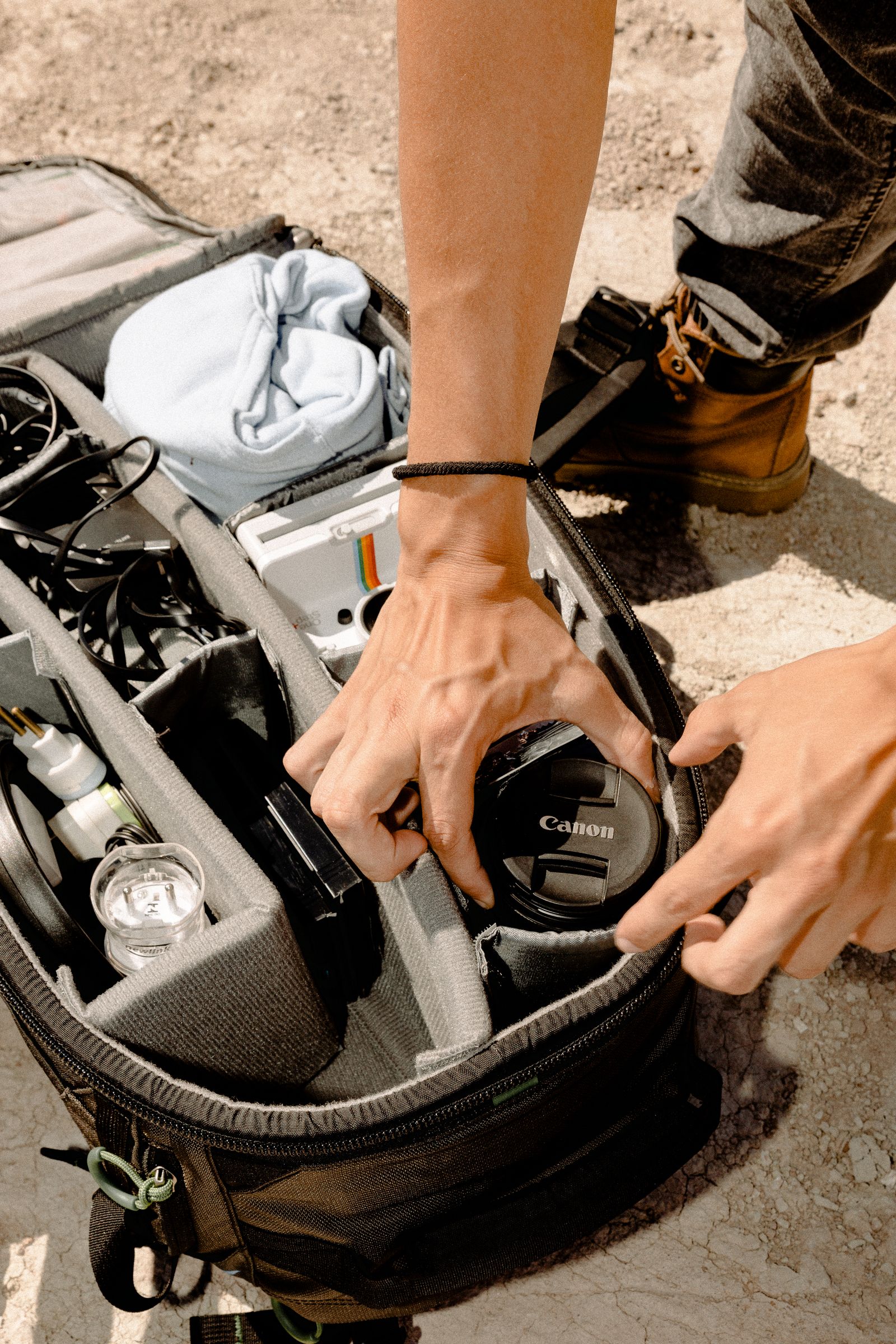
| What do you bring? | Own PPE, backup bodies and cards, lighting that suits the space, insurance documents on request | A camera bag and confidence |
| What if production cannot stop? | A shot plan built around the line's rhythm, with a short list of moments that need two minutes | "We'll work it out when I get there" |
| Who can use the images, and where? | A written licence naming media, term and territory | "Use them for whatever, it's fine" |
Treat hesitation here as information. A photographer who is vague about safety before the shoot will be improvising about safety during it, on your site, under your duty of care.

Flag five: slow, vague communication before they have your money
Communication during the sale is the best sample of communication during the job you will ever get. Slow replies before a deposit predict slower replies after it. Vague timelines — "a week or two, probably" for delivery, with nothing in writing — predict a gallery that arrives after your campaign meeting, not before it.
Professional practice is boring and specific: a written delivery date, a stated number of edited images, file formats and sizes named, a backup procedure for cards and files, and a named plan if the photographer is ill on a day that cannot move. Industrial and commercial dates often cannot move at all — a shutdown window, a product launch, a visiting executive — so ask the backup question out loud. "There is no backup" is an honest answer you can plan around. Never having considered it is a flag.
Flag six: the first conversation is all about them
Listen to what the first call is made of. A photographer who leads with questions — what the images are for, which channels they must serve, who approves them, what went wrong last time, what the site will and will not allow — is scouting for the problems that actually kill commercial jobs. A photographer who leads with availability, gear and price, and asks nothing, is selling you a shoot he has already imagined, which may not be the one you need.
This matters more in industrial work than anywhere else, because the hidden requirements are physical: ceiling height and power in the plant, clean-room or food-safety rules, confidentiality around an unreleased process, workers who must consent to be photographed, areas that may not be shown at all. A photographer who does not ask will discover these on the day, in front of your people, at your expense.
What to do the moment a flag appears
One flag is a question. Two flags are a pattern. Three are a decision.
- Ask once, in writing. Most flags have an innocent explanation — a breakdown that exists but was not sent, a licence summary that lives in a contract you have not seen yet. Ask for the document, not a reassurance.
- Judge the document, not the tone. Friendly is not a deliverable. The gallery, the itemised quote, the licence and the safety plan are.
- Do not let a deposit outrun the paperwork. Payment before a signed agreement that names deliverables, delivery date, usage and cancellation terms is how small misunderstandings become expensive ones.
- Keep a second choice warm. With thousands of commercial and industrial photographers listed on this site — and 877 aerial photographers and 141 architectural photographers in adjacent specialties — walking away is a real option, not a bluff. The best time to use it is before the plant manager is standing there waiting.
Hire the photographer whose paperwork, questions and full galleries make the shoot feel almost dull in advance. In commercial and industrial work, dull in advance is what brilliant on the day is made of.
Sources
- IdeaStream Marketing, Business Photography guide — how business and industrial photography is priced and packaged, including half-day and full-day ranges, and red flags including hero-only portfolios, vague usage contracts, no backup procedures and quotes with no line-item breakdown.
- Dawn Heumann, How to Hire a Commercial Photographer — itemised estimates separating creative fee, usage, crew and production; why a single-number quote hides missing lines, and matching a photographer's proven scale to the stakes of the job.
- Rex Jones, How to Hire a Commercial Photographer Worth the Investment — the first conversation as a predictor, full-project galleries over highlights, and slow pre-booking communication and vague timelines as failure signals.
- Sprintlaw, Photography Contracts for Commercial Use — a commercial contract should separate fee, deliverables, copyright and licence, and define purpose, territory, duration, exclusivity and media for usage rights.
- LegalClarity, Photography Licensing Agreement: What to Include — copyright stays with the photographer unless assigned in writing; a licence should identify the images and state territory, duration and authorised channels.
Photographs: factory machinery — photo by Mike van Schoonderwalt, https://www.pexels.com/photo/5503874/ ; refinery aerial — photo by Tom Fisk, https://www.pexels.com/photo/10396416/ ; camera bag — photo by Wendy Wei, https://www.pexels.com/photo/person-holding-camera-lens-in-camera-bag-2994110/
More guides
- How to Find a Wedding Photographer: The Complete, Honest GuidePhotographers › Wedding Photographers
- How Much Does a Wedding Photographer Cost? Packages DecodedPhotographers › Wedding Photographers
- 10 Questions to Ask a Wedding Photographer Before You BookPhotographers › Wedding Photographers
- Wedding Photography Styles Explained: Documentary, Editorial, Traditional, Fine ArtPhotographers › Wedding Photographers
- Hiring a Wedding Photographer in California: Venue Light, Permits, and Price LevelsPhotographers › Wedding Photographers
- All Guides & ArticlesBrowse the full guides library