Photographers › Digital Imaging Photographers
Digital Imaging Photographers at Three Budgets: What Budget, Mid-Range and Premium Really Buy
"Digital imaging photographer" is the least self-explanatory job title in the business, and the most honest one. It names the whole modern job: not just taking photographs, but everything that happens to them afterwards — the culling of thousands of frames down to the keepers, the colour work that makes a set of images feel like one story, the retouching, the compositing, the resizing and sharpening for each place an image will live, and the delivery of files that actually work where you use them. When you hire at three different budgets, you are mostly buying three different amounts of that second, invisible half of the job. The cameras converge quickly. The finishing does not.
I book photographers and imaging work for events and brands for a living, and the pattern is consistent enough to be boring: budget imaging buys competent capture and fast, light finishing; mid-range buys judgement — a professional's eye applied to selection and colour, with real retouching on the images that matter; premium buys transformation and insurance — images rebuilt to order, delivered in every format a campaign could need, with the usage rights and the paper trail to match. Here is what each level really buys, priced from the market's own published rates.
The two price systems you are shopping in
Digital imaging is sold two ways at once, and comparing quotes means knowing which system each number belongs to.
Time: photographers charge by the hour, session or day. Published rate guides put emerging photographers at $75 to $150 an hour, established professionals at $150 to $300, and specialists at $300 to $600. Day rates follow: roughly $500 to $1,500 for a half day and $1,000 to $3,000 for a full day, before you reach produced commercial work, where a photographer's day rate alone can run $3,000 to $10,000.
Per finished image: the finishing trade prices by the photograph. At the volume end, editing services publish starting rates under a dollar an image for single tasks — clipping paths from about $0.39, basic retouching from $0.69. Portrait and product retouching at working studios runs from about $1.50 an image for light cleanup through $2.50 for typical work to $8 for busier frames and $12 and up for high-end beauty and campaign images. At the boutique end, commercial and editorial retouching is priced at $15 to $150 or more an image, and a fully produced campaign master — retouched, composited and delivered in channel-ready versions — can run $80 to $250 an image or beyond.
Every budget tier below is a different blend of those two systems.
Budget: honest capture, light finishing
What it costs. An emerging photographer at $75 to $150 an hour, or a modest session fee — headshot and portrait sessions at this level run $200 to $350 — plus finishing that is either bundled lightly or bought from an editing service at cents-to-a-few-dollars an image. An event gallery or a family session delivered for a few hundred dollars total lives here.
What you actually get. A clean, competent set of photographs: correctly exposed, sensibly composed, culled and given a consistent basic grade — exposure, white balance, contrast, a straighten and a crop. Retouching, where it exists, is the automated or near-automated kind: dust and spot removal, mild skin smoothing, batch colour presets. Turnaround is fast, often days. Files arrive as web-ready JPEGs, usually one size.
What you do not get. Judgement under pressure. The budget tier's limits show up in the hard frames — the mixed-light room, the group shot where one face is in shadow, the portrait that needs a distracting background handled rather than cropped away. Advanced retouching at this level is bought by the task from a menu ($1 to $5 for background removal, $5 to $20 for manipulation at published complexity tiers), and the results are exactly as considered as the price suggests. Nor do you get depth of delivery: no layered files, no print-prepared versions, no licensing conversation — fine for personal use, a problem the day an image is wanted for anything commercial.
Who should buy it. Families and couples whose need is a faithful record — a party, a reunion, a simple portrait — and small jobs where the images' job is to be seen once, warmly, on a screen. It is the right tier far more often than the industry admits.
Mid-range: the professional's judgement
What it costs. An established photographer at $150 to $300 an hour; half days around $950 to $1,800 and full days $1,800 to $3,500 in published small-business benchmarks; finished brand imagery commonly priced around $15 to $35 an image when the shoot is quoted per deliverable. A headshot session runs $350 to $550 and delivers a handful of properly retouched files; a family or brand session, $450 to $800 and up.
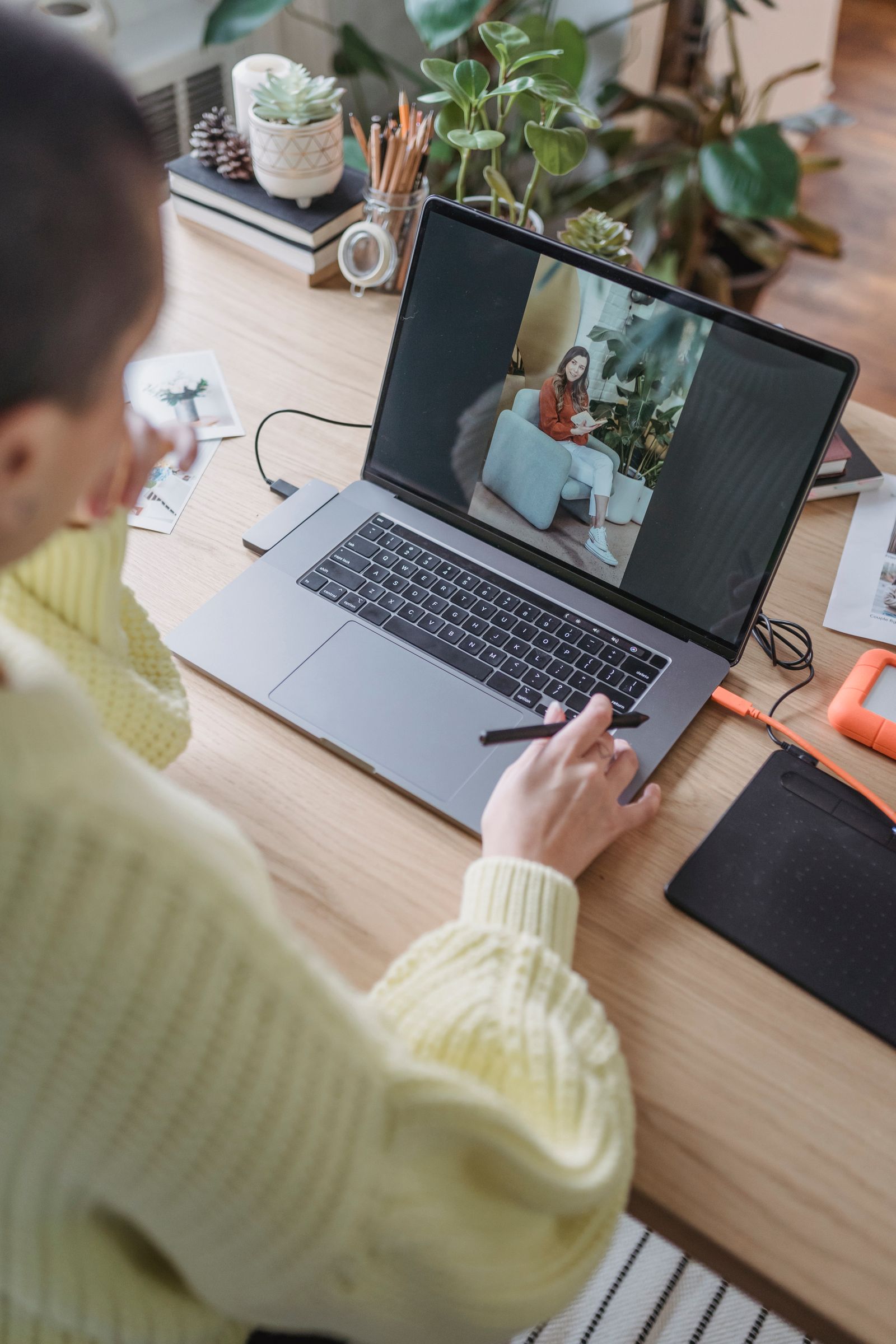
What you actually get. Selection with intent. The mid-range photographer throws away more of their own work, and what survives has been colour-graded as a set, not corrected frame by frame — skin tones consistent from the first image to the last, which is the single most visible difference between this tier and the one below. Retouching becomes real craft on the images that carry weight: texture-safe skin work (the pores stay; the blemishes go), stray-hair and clothing cleanup, glasses glare handled, backgrounds tidied rather than amputated. Standard commercial finishing at this level — priced around $10 to $35 an image where it is itemised — includes perspective and colour work and delivery of both a master file and web-ready versions. Turnaround is a managed promise, typically one to three weeks for a full set, with previews sooner.
What you still do not get. Reconstruction. If the photograph was not captured — the expression in one frame, the sky in another, a person who blinked in every group shot — mid-range finishing will not rebuild it; compositing and head swaps are premium-tier work, priced from about $40 an image upward. Nor does mid-range usually include broad usage rights: internal and organic social use, yes; a regional advertising campaign is a licensing conversation with money attached — published guidance puts licensing uplifts at 25 to 100 percent on top of the creative fee.
Who should buy it. Anyone whose images will represent them professionally — business owners, performers, professionals buying portraits; couples who will print and frame; small brands building an image library meant to last several years. This is the tier where the extra money is most visibly spent.
Premium: transformation, rights and certainty
What it costs. Specialists at $300 to $600 an hour; produced commercial days from $3,500 for the photographer's creative fee alone, with campaigns commonly starting around $10,000 once crew, styling, retouching and licensing are itemised. Retouching at $15 to $150 an image from boutique retouchers; campaign masters at $80 to $250 or more; creative compositing priced to $60 an image even at online services, and well beyond that in studios.
What you actually get. Three things the lower tiers do not sell at any per-image price. First, reconstruction: compositing multiple frames into one that never existed as a single exposure, head and expression swaps across a group, backgrounds replaced or rebuilt, products rendered flawless past what any lens delivered — the work priced as "advanced reconstruction" at $40 to $150 an image, delivered over two to five days with layered masters and edit notes. Second, production: a producer, assistants, styling, a shot list agreed in advance, tethered review on set so the client approves images as they are made, and redundancy — backup bodies, backup cards, backup people. Third, rights and certainty: usage licensed explicitly for the campaign's media and term, contracts that name delivery dates and revision rounds, and files delivered in every required version — print, web, social crops — from a documented master.
Who should buy it. Campaigns, publications, and anyone for whom a reshoot would cost more than the premium. If the image is going on a package, a billboard or a national feed, the premium tier is not a luxury; it is the only tier selling the deliverable you actually need.
| Budget | Mid-range | Premium | |
|---|---|---|---|
| Photographer | $75–$150/hr; sessions $200–$350 | $150–$300/hr; half day $950–$1,800 | $300–$600/hr; produced days $3,500+ |
| Finishing per image | $0.39–$5, task-based | $10–$35 standard commercial | $40–$250+, reconstruction & masters |
| Colour work | Batch presets | Graded as a set | Graded, composited, channel versions |
| Retouching depth | Spots, dust, mild smoothing | Texture-safe skin, cleanup, glare | Rebuilds, swaps, compositing |
| Files delivered | Web JPEGs, one size | Master + web versions | Layered masters, print/web/crop sets |
| Usage rights | Personal use assumed | Internal/organic use typical | Licensed for campaign media & term |
| Turnaround | Days | 1–3 weeks, previews sooner | Contracted, with revision rounds |
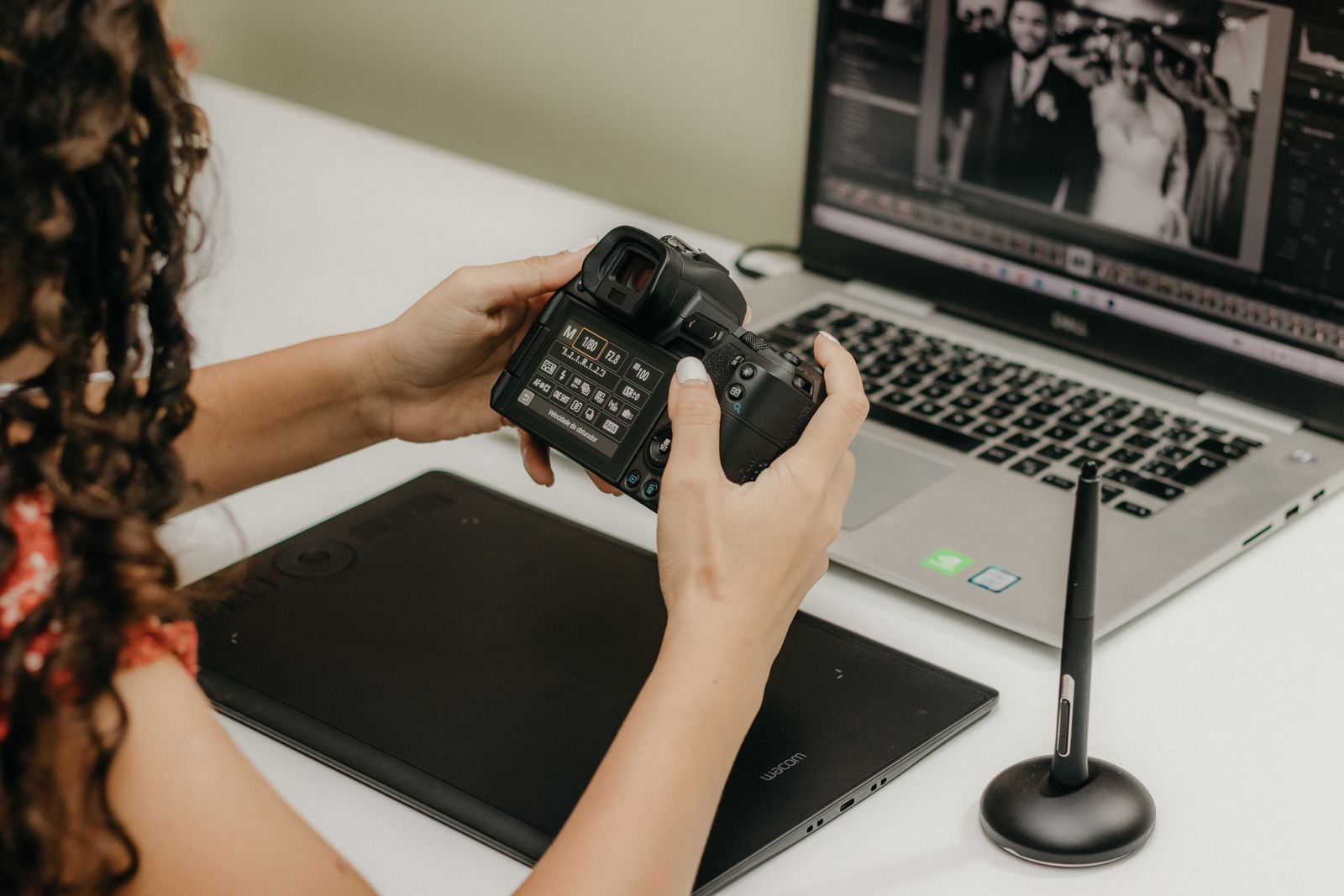
One more difference hides in the fine print of all three tiers: who owns the unfinished work. Budget deliveries are final JPEGs and nothing else. Mid-range photographers will usually supply the selected master files on request. Premium productions treat the layered, unflattened masters as part of the deliverable — or price them explicitly. If there is any chance you will re-edit, re-crop or re-purpose an image in two years, settle the masters question before the shoot, not after it.
How to step up one tier without paying for two
The most common overspend in this market is buying a premium photographer and budget finishing, or the reverse. A few rules keep the blend honest. Decide the images' final use first — screen, print, or paid media — because use, not taste, is what actually forces the premium tier. Spend the step-up money on the handful of hero images: a mid-range shoot with premium retouching on five frames beats a uniform mid-range finish when those five frames are the ones that will be printed, published or pinned. Ask every candidate the same three questions — who does the finishing, what does a finished image cost beyond the shoot fee, and exactly which files and rights do I receive — and compare the answers, not the portfolios' best frames. And get turnaround and revision rounds in writing at every tier: the expensive part of cheap imaging is the redo, when the wrong pixels ship and the deadline does not move.
This site lists 354 digital imaging photographers, alongside more than 3,100 photo retouching and colouring services — a bench deep enough to contain all three tiers many times over. The directory will not tell you which tier you need. Your images' destination will. Work that out first, and the budget chooses itself.
Sources
- Photographer cost rate guide — establishes hourly rates of $75–$150 for emerging photographers, $150–$300 for established professionals and $300–$600 for specialists, half-day rates of $500–$1,500 and full-day rates of $1,000–$3,000, and licensing uplifts of 25–100 percent.
- Path and Clipping Path King published retouching rates, via a product retouching pricing guide — establish clipping paths from $0.39, basic retouching from $0.69, advanced retouching at $1.49–$25 or more and high-end fashion and jewellery work from $10 an image.
- Vector Design US, retouching price list — establishes light cleanup from $1.50 an image, typical portrait and product work from $2.50, busier frames from $8 and high-end beauty and campaign work from $12.
- Path Edits, 2026 retouching pricing guide — establishes basic retouching at $0.69–$2.49 an image and commercial or editorial retouching at $15–$150 or more, with boutique work reaching $100 or more an image.
- Retouching service models comparison — establishes standard commercial finishing at $10–$35 an image, advanced reconstruction at $40–$150, and campaign masters at $80–$250 or more, with their typical turnarounds and file packages.
- Brand photography pricing benchmarks — establish mini sessions at $450–$850, half days at $950–$1,800, full days at $1,800–$3,500 and finished brand imagery around $15–$35 an image.
Photo credits
- Photographer retouching on a laptop with a graphics tablet — photo by George Milton, https://www.pexels.com/photo/anonymous-woman-editing-photo-on-modern-laptop-7014923/
- Photographer editing at a desk with camera and Lightroom — photo by Kawê Rodrigues, https://www.pexels.com/photo/woman-hands-holding-camera-over-desk-16313525/
More guides
- How to Find a Wedding Photographer: The Complete, Honest GuidePhotographers › Wedding Photographers
- How Much Does a Wedding Photographer Cost? Packages DecodedPhotographers › Wedding Photographers
- 10 Questions to Ask a Wedding Photographer Before You BookPhotographers › Wedding Photographers
- Wedding Photography Styles Explained: Documentary, Editorial, Traditional, Fine ArtPhotographers › Wedding Photographers
- Hiring a Wedding Photographer in California: Venue Light, Permits, and Price LevelsPhotographers › Wedding Photographers
- All Guides & ArticlesBrowse the full guides library