Photographers › Digital Imaging Photographers
Digital Imaging Services Timelines: How Long It Actually Takes, Stage by Stage
Every studio manager learns the same uncomfortable fact: clients do not experience a photography job as a series of stages. They experience it as one long wait between the shutter click and the finished pictures, and they measure that wait against the instant gratification of their own phones. The gap between those two clocks is where most disappointment in digital imaging services is born — not from laziness, and rarely from incompetence, but from a process that is genuinely longer than it looks and almost never explained in advance.
So here is the explanation, stage by stage, with honest ranges drawn from how working studios and imaging services actually publish and run their schedules. If you are a creator or a seller planning a launch, a listing, or a campaign around photographs that need to convert, this is the calendar to plan against. The headline first: a simple outsourced edit can be back in 24 hours. A full product photography project, from first call to final files, typically takes 13 to 28 business days. Both numbers are true. They are describing different jobs.
Stage 0: Enquiry, booking, and the queue you cannot see
Before any work happens, there is availability. Studios and imaging services run queues: jobs are edited roughly in the order they were booked, and in peak season the queue itself is the timeline. One detailed workflow analysis of wedding photography makes the arithmetic plain — when a photographer's shoots add editing hours faster than their desk hours can clear them, the backlog accumulates week by week, and clients booked late in the season wait longest, through no change in effort at all. The same photographer's April job was delivered in a week; their October job took seven.
For a buyer, the practical questions at this stage are: How far ahead is the studio booked? Is my date a start date or a completion date? And is the turnaround quoted for the quiet season or the busy one? Get the answer as a date range in writing. A service that will only say "fast" is telling you it has not looked at its own queue.
Booking and briefing for a product or commercial job typically takes one to two weeks on its own — agreeing the shot list, the number of products, angles per product, backgrounds, styling, file specifications, and usage. That sounds slow until you price the alternative: a vague brief produces a reshoot, and a reshoot restarts the clock from zero.
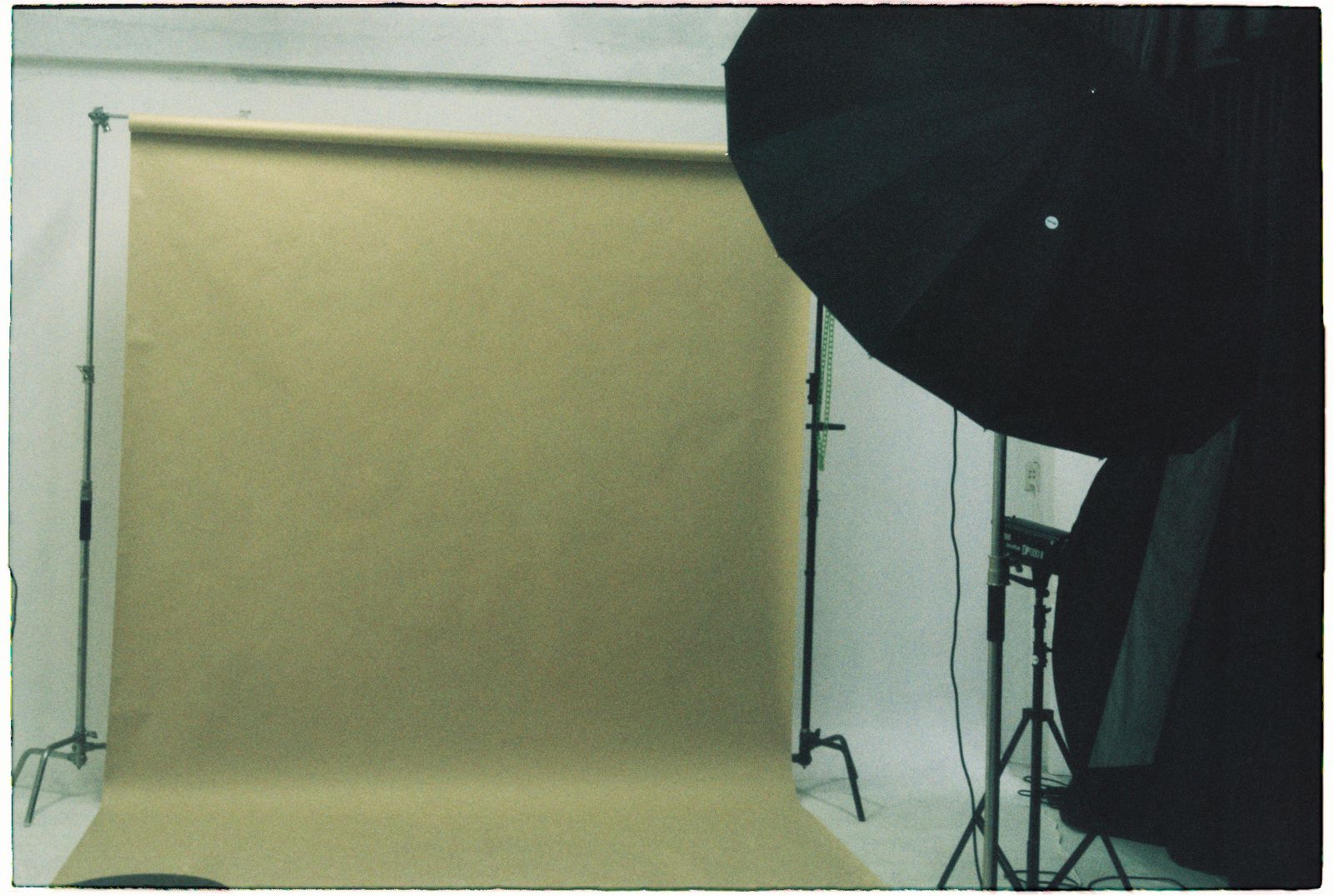
Stage 1: Preparation and the shoot
Preparation is the stage clients most often cause and least often see. For product work, published studio workflows allow three to seven days before the shoot for products to arrive, be checked against the shot list, cleaned, steamed, assembled, or labelled — and for missing items to be chased. A shoot cannot photograph a product that is in a courier depot, and no editing stage downstream can recover that day.
The shoot itself is usually the shortest stage in the whole timeline: a day for a standard product set, one to five days for a large range, a few hours for a portrait session, a day for a wedding or event. This is the paradox at the heart of every timeline conversation. The part the client attends is quick. Everything they are waiting for happens when they are not there.
Stage 2: Ingest, backup, and culling
Immediately after the shoot, the files are copied from the cards, verified, and backed up — responsible studios keep more than one copy before a card is ever wiped. Then comes culling: reviewing every frame and selecting the keepers. A worked example from wedding photography puts real numbers on it: a day producing 1,500 to 2,500 raw frames takes roughly two to three hours of backup and ingest, then four to eight hours of culling to arrive at 600 to 800 keepers. Product and portrait jobs are smaller, but the ratio holds: expect one to three business days after the shoot before there is even a set of selects to show you, and longer if the studio's queue is full.
This is also where a "sneak peek" belongs, if your job has one. Studios commonly deliver a small set — five to twenty edited highlights — within 24 to 72 hours of a session. A sneak peek is a courtesy and a proof of life, not the job arriving early in miniature. Judge a service by whether the peek arrives when promised; it is a reliable early indicator of how the rest of the schedule will be kept.
Stage 3: Editing and retouching — where the range explodes
Editing is not one task, and its timelines differ by orders of magnitude depending on what you have actually ordered. Separate the three levels:
Colour correction and clean-up — exposure, white balance, contrast, consistency across a set — is the baseline edit every professional image receives. In a photographer's own workflow this is measured in hours per job: the wedding example above allows ten to fifteen hours of colour work on a full gallery. Outsourced as a standalone imaging service, simple batch work is fast: published services turn clipping paths around in 6 to 24 hours, and masking and basic retouching in 12 to 24 hours.
Retouching proper — skin work on portraits, dust and defect removal on products, background clean-up, compositing such as ghost-mannequin work — runs, at dedicated retouching services, at a standard 24 to 48 hours for batches of up to about fifty images, with rush tiers at around 12 hours. High-end fashion and beauty retouching, done by hand to editorial standard, stretches to one to three business days, and bespoke work to three to seven.
Full project post-production — selects, retouching to an agreed depth, cropping and exporting to every size and format a seller needs — is quoted by product studios at five to ten business days after selects are approved, with finished e-commerce packages commonly advertised at seven business days from receipt of products, and creative or lifestyle imagery at seven to fourteen.
| Stage | Typical time | What stretches it |
|---|---|---|
| Briefing and booking | 1–2 weeks (product/commercial); days for portraits | Undecided shot list, slow sign-off, a full studio diary |
| Prep and shoot | 3–7 days prep; shoot itself hours to 5 days | Late product delivery, missing items, large ranges |
| Ingest, cull, selects | 1–3 business days | Frame count, peak-season queue ahead of you |
| Batch editing / retouching services | 6–48 hours per batch | Edit depth, batch size, revision rounds |
| Full gallery / finished product set | 1–3 weeks (portraits); 4–12 weeks (weddings); 5–10 business days post-selects (product) | Retouching depth, album/print orders, your approval speed |
| Revisions | About 1 business day per round | Vague feedback, new decision-makers joining late |
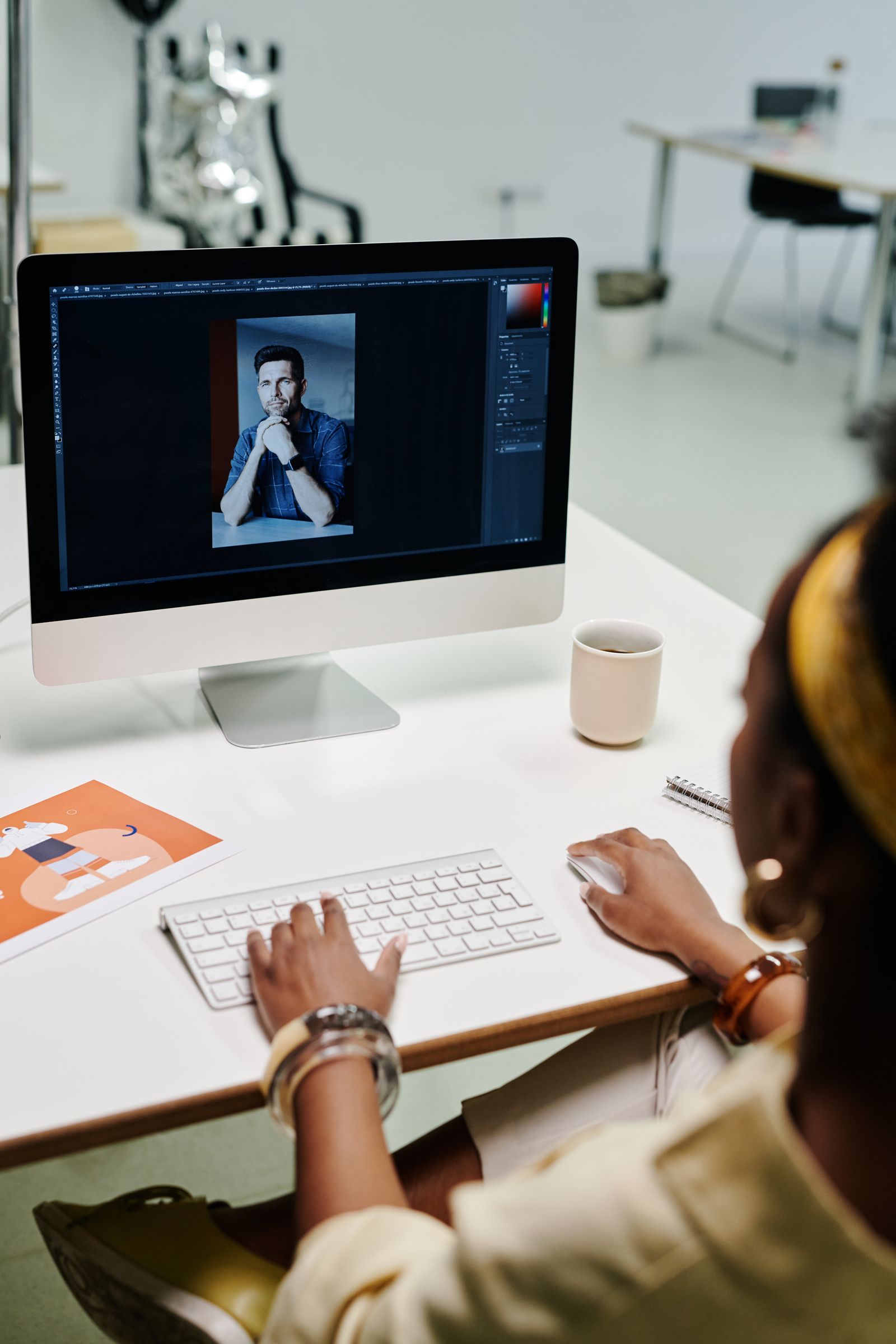
Stage 4: Proofing and revisions — the stage on your clock
Every imaging timeline has a stage the studio does not control: yours. Selects sit waiting for a client to choose them. Proofs sit waiting for approval. One published product-editing workflow is explicit about the sequence — a reference image takes one to two business days to approve, the first production batch follows two to three business days after sign-off, and only then does volume production run, at hundreds of images a day. The reference stage feels like delay. It is actually the cheapest quality control in the entire process: an hour spent approving ten images to a standard prevents a thousand images being edited to the wrong one.
Revisions are normally quick — about a business day for a defined round of listed changes, and many retouching services include one or two rounds free. What breaks timelines is not revision but redefinition: feedback that changes the brief ("actually, a warmer look throughout"), arrives from several people contradictorily, or lands after the next stage has begun. If your launch date matters, nominate one approver, consolidate feedback into a single list, and answer proofs within a day. Studios notice which clients do this, and — human nature being what it is — those clients' jobs rarely languish.
Stage 5: Delivery, prints, and products
Digital delivery itself is minutes — a gallery link, a download — once the files exist. Physical products restart a manufacturing clock: studios quote prints and albums at roughly two to eight weeks after gallery approval, because design, proofing, lab production, binding, and shipping are sequential and mostly outside the studio's walls. If an album is part of your job, your selection speed sets the start date for that whole chain; a couple or a seller who takes a month to choose favourites has, in effect, chosen a month-later album.
Where delays really come from
Rank the real causes, from the studios' side of the counter, and a pattern emerges. First, queue: peak season multiplies every stage, and honest services quote longer in October or November than in February. Second, inputs: late products, late shot lists, late selections, late feedback — a large share of "slow photographer" stories are, on inspection, two clocks, only one of which belonged to the studio. Third, scope growth: images added, retouching deepened, formats multiplied after the quote. Fourth, rework from a skipped reference stage. Genuine studio failure — disorganisation, overbooking, silence — exists, and its tell is not slowness but the absence of a schedule: no dates given, no stage named, no answer when you ask which stage your job is in.
Rush options deserve a clear-eyed word. They are real — product studios publish rush tiers at, for example, a 25 percent surcharge for three-to-five-day delivery and 50 percent for one-to-two days — but rush buys queue position, not magic. It works for a defined set of files at a defined edit depth. Nobody can rush a full, deeply retouched gallery into an afternoon, and a service that promises to is describing a lighter job than the one you think you bought.
How to plan backwards, if you are selling
Work from your fixed date. For a product launch: allow one to two weeks to brief and book, a week for products to arrive and be prepared, the shoot days, two to three days for selects, five to ten business days of post-production, and a revision buffer of at least two days — then add a week of slack for the queue, because something on that list will slip and it is better that it slips into slack than into your launch. That is how the published 13-to-28-business-day project range is built, and why experienced sellers brief photography before they brief almost anything else. For portraits and headshots, the same discipline in miniature: book with the delivery date, not the shoot date, as the deadline, and say the deadline out loud at booking.
This site lists 354 photographers in its Digital Imaging Photographers subcategory — a reminder that if one service's queue cannot meet a real deadline, the market can, provided you ask about timelines before you fall in love with a portfolio. Ask every candidate the same four questions: When would my job start? Which stage takes longest, and how long is it? When, exactly, do you need my selections and approvals? And what date will you put in writing? The service that answers all four in numbers is the one whose numbers you can plan a launch around.
Sources
- MediaScaleUp, "How Long Does Product Photography Take?" — a typical project at 13–28 business days, phase by phase: planning 1–2 weeks, prep 3–7 days, selects 2–3 business days, post and delivery 5–10 business days. https://mediascaleup.com/post/how-long-does-product-photography-take-photography
- MediaScaleUp, "How Long Does Photo Editing Take?" — clipping paths 6–24 hours, masking and retouching 12–24 hours; reference approval 1–2 business days; revisions about 1 business day per round. https://mediascaleup.com/post/how-long-does-photo-editing-take-image
- PixelGroves, "Your Photo Delivery Timeline" — sneak peeks in 24–72 hours; portrait galleries 1–3 weeks; wedding galleries 4–6 weeks, extending to 8–12 in peak season; prints and albums 2–8 weeks after approval. https://www.pixelgroves.com/post/what-is-a-photo-delivery-timeline
- 8Nfinity Photography, "Sneak Peeks vs. Full Galleries" — stage times for a wedding edit: backup 2–3 hours, culling 4–8 hours, colour pass 10–15 hours, 25–40 hours of post-production per wedding. https://www.8nfinityphotography.com/blog/sneak-peeks-vs-full-gallery-delivery/
- Ultra, "How Long Should Photo Delivery Take?" — turnaround as a queue: peak-season backlogs lengthen delivery for later-booked clients. https://theultra.io/blog/photo-delivery-turnaround-time
- ProShot Media Group — e-commerce product photography delivered in 7 business days; rush at 3–5 days for a 25% surcharge and 1–2 days for 50%. https://proshotmediagroup.com/
- Photo by Darlene Alderson, https://www.pexels.com/photo/a-woman-using-a-computer-7971616/
- Photo by Kunno Jayson, https://www.pexels.com/photo/6989087/
More guides
- How to Find a Wedding Photographer: The Complete, Honest GuidePhotographers › Wedding Photographers
- How Much Does a Wedding Photographer Cost? Packages DecodedPhotographers › Wedding Photographers
- 10 Questions to Ask a Wedding Photographer Before You BookPhotographers › Wedding Photographers
- Wedding Photography Styles Explained: Documentary, Editorial, Traditional, Fine ArtPhotographers › Wedding Photographers
- Hiring a Wedding Photographer in California: Venue Light, Permits, and Price LevelsPhotographers › Wedding Photographers
- All Guides & ArticlesBrowse the full guides library