Photographers › Events Photographers
Event Photography in Florida: Permits, Prices and Local Know-How
Florida runs more events per square mile than almost any state in the union — conventions in Orlando, festivals in Miami, corporate retreats on both coasts, beach weddings, boat shows, spring training, and a winter social season that stacks galas like cordwood. It also runs them in a climate with two distinct ways of cancelling your afternoon: a summer thunderstorm that arrives at four o'clock with the reliability of a train, and a hurricane season with official dates. I assisted a commercial photographer on Florida events for several seasons. The photography itself is the same craft as anywhere else. Everything around it — the pricing, the permits, the calendar, the contract clauses — is Florida-specific, and this guide is the local version. This site lists 721 event photographers; here is how to hire the right one in the state where the weather is a stakeholder.
What Florida events cost
Event photography is usually priced by the hour with a minimum, or by the half and full day for conferences and multi-space events. Published Florida market rates for commercial and event work in 2026 put hourly coverage around $150–$500 depending on the photographer's tier, with half days commonly $800–$2,000 and full days $1,500–$4,000 in the South Florida market; event specialists often quote from the lower-middle of those bands for straightforward coverage and the top of them for produced, multi-photographer work.
| Market | Typical event coverage | The local reality |
|---|---|---|
| Miami and Fort Lauderdale | $250–$500/hour; $2,000–$4,000/day | The state's premium market: art-week, boat-show and nightlife work prices at the top, and bilingual, production-scale crews are normal |
| Orlando | $200–$400/hour; $1,500–$3,000/day | A convention economy: high volume, experienced multi-day crews, delivery speed is the competitive edge |
| Tampa Bay and the Gulf coast | $175–$350/hour | A step below the two big markets for comparable experience |
| Jacksonville, the Panhandle, and inland Florida | $150–$300/hour | Thinner markets; strong local photographers, fewer production-scale teams |
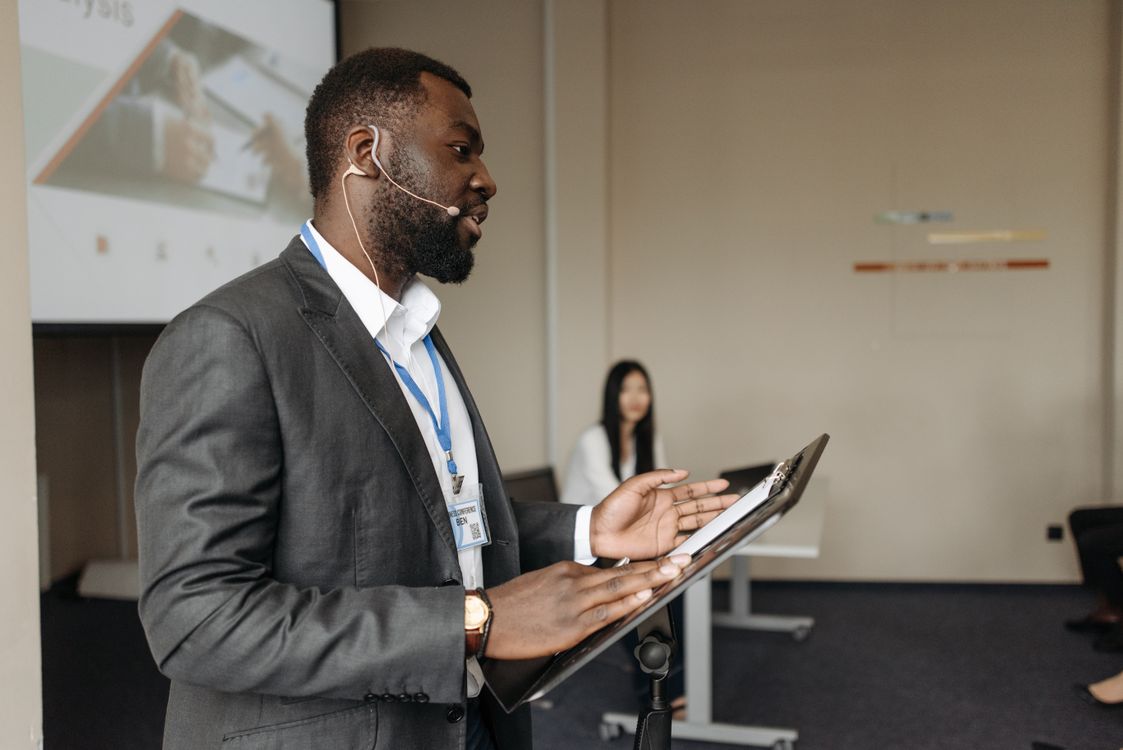
Two Florida pricing habits to know. First, delivery speed is priced. Convention and corporate clients here expect a same-day select set for social channels — if your event exists partly to be seen online while it is still happening, say so before the quote, because a photographer staffing an on-site editor is quoting a different job. Second, minimums rise in season. From January through March, when the whole state is hosting somebody's winter event, two- and four-hour minimums harden and the best crews book out. In August, almost everything is negotiable — for reasons the next sections make clear.
The calendar, Florida edition
Winter is high season. January to March brings the state's densest event calendar — festivals, charity galas, spring training from mid-February, and every northern company's incentive trip. Photographers price accordingly and book early; a January date quoted in November is a negotiation you have already lost.
Summer is thunderstorm season. From June through September, Florida afternoons build convective storms that arrive fast, rain violently for thirty to sixty minutes, and leave steam behind. Outdoor events in summer are planned around the 3–6 p.m. window — shade structures, hard-surface flooring for camera positions, and a schedule that puts the must-have outdoor shots before or after the storm hour. A Florida event photographer reads a radar the way other photographers read a light meter, and will re-sequence your shot list around a cell without being asked. Ask anyway, and listen for the confidence of experience.
Hurricane season runs June 1 to November 30, as the National Hurricane Center defines it, with the statistical peak in August through October. Nobody sensible cancels an autumn event over the season itself — but every sensible Florida contract prices it: a postponement and rescheduling clause that names tropical weather explicitly, states what happens to the retainer if the event moves, and gives both parties a decision deadline tied to official watches and warnings rather than to vibes. If a photographer's Florida contract has no weather clause, they are new here, whatever their portfolio says.
Heat is a working condition. Summer events mean photographers working in 90-degree heat at 90 percent humidity: lenses fog when gear moves from air conditioning to outdoor air — a real, physical effect that costs the first minutes of coverage if the crew doesn't acclimatize their equipment — batteries drain faster, and outdoor coverage rotations shorten. None of this is your problem to solve; all of it is your problem if you hired a crew that hasn't.
Permits and permissions, Florida style
Florida State Parks — from Bahia Honda to the springs parks — require commercial photography to be arranged in advance under the parks' permitting framework; a paid event photographer working in a state park without arranging it is the classic Florida rookie error, because the state is proud of these properties and staffs them accordingly.
Cities and beaches are their own authorities. Miami Beach, famously, regulates commercial filming and photography on its public property through a permit process — the city's image is an industry and it administers it like one. Other beach cities and counties vary from a simple business-tax receipt to formal film permits, and boardwalks, piers and lifeguarded beaches each add their own rules. The rule of thumb: if the event is on public sand or a public street and the photography is commercial, somebody's permission is required, and the photographer should be the one who knows whose.
Venues run the private layer. Florida's resorts, clubs and convention venues routinely require the photographer to provide a certificate of liability insurance — $1 million is the common ask — naming the venue, sometimes weeks before the event, and union or in-house production rules at the big convention properties can govern where outside photographers may work. Get the venue's vendor requirements before you sign the photographer, and put compliance with them in the photographer's contract, not in your hopes.
Insurance is not a Florida formality. A state where a named storm can move an event and a wet marble floor can end a guest's evening produces venues that check certificates. A professional Florida event photographer carries liability cover and can produce the certificate without drama. If they can't, the venue will eventually find out — on the day.

The tax line on a Florida invoice
Florida's sales tax reaches photography in a way that surprises out-of-state clients: the sale of photographs — prints, albums, and delivered image products — is a taxable sale of tangible personal property under Florida's framework, administered by the Department of Revenue, while a photographer's purely service charges, separately stated, are treated differently. In practice this means two things. A tax line on the delivered-images portion of a Florida invoice is normal and legitimate. And an invoice that itemizes coverage services separately from image products is easier to read, easier to expense, and usually the mark of a studio that has been audited-adjacent enough times to keep its paper clean. Ask for the itemization; Florida studios do it routinely.
Florida does not license event photographers as a trade — there is no state credential to check — so the verification burden sits on portfolio, references from venues (Florida venues see every photographer twice a season and have opinions), insurance, and the contract. Which is as it should be: in this market, a photographer's reputation among venue managers is the closest thing to a license that exists, and it is a good one.
Choosing for Florida conditions
Review full event galleries, not highlight reels — one complete conference day and one complete evening event tell you more than fifty hero shots. Then ask the Florida questions:
- What is your weather postponement clause, exactly? May I read it?
- How do you handle a summer outdoor event around the afternoon storms — what moves, what waits, what gets shot first?
- Have you worked this venue? What are its insurance and vendor requirements, and who files the certificate?
- Does this location need a city, county or state-park permit for commercial photography, and who obtains it?
- What is the delivery schedule — and what does same-day selects service cost, if we want it?
- How many photographers does this quote include, and who are they?
- Is the tax on the invoice itemized between services and image products?
What a Florida event gallery should actually contain
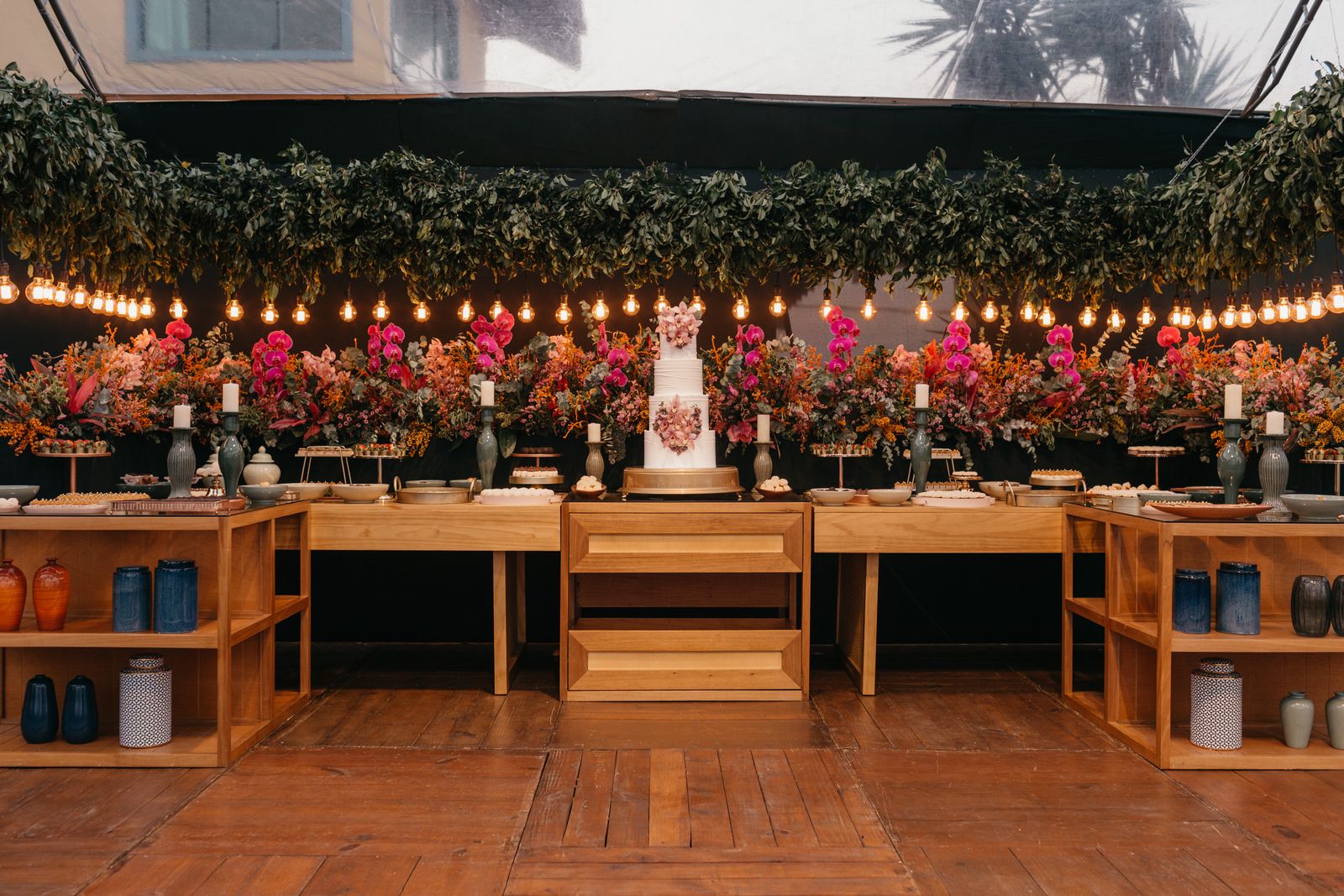
Because so many Florida events are staged partly to be seen by people who weren't there — the convention that recruits next year's attendees, the fundraiser that has to work on donors who stayed home — judge photographers on the completeness of a gallery, not its peaks. A working Florida event gallery contains the room before the guests arrive, the signage and the sponsors' presence documented as carefully as the speakers, the crowd at its fullest rather than its emptiest, the principals photographed with the people they came to meet, and the small local evidence that this happened here: the waterfront, the palms, the storm light breaking over the Gulf at the reception hour. Photographers who shoot Florida events professionally build that checklist without being handed it, because they know the images have a second job after the event ends. If a portfolio shows you only faces against blurred backgrounds, it could have been shot in any state — and for a Florida event, that is a failure of the brief, not a style.
The short version
Book winter dates early and pay winter prices without resentment; use summer's negotiability if your event can live with the storm hour. Put a named-storm postponement clause in the contract. Confirm permits for parks, beaches and city property, and insurance certificates for the venue, before the day. Expect a legitimate tax line on delivered images. And hire the photographer whose answers about Florida weather sound slightly boring — in this state, boring weather talk is what twenty seasons of experience sounds like. This site lists 721 event photographers; the ones worth your event can all pass the seven questions above without blinking.
Sources
- Lars Miller Media, "Commercial Photography Rates & Pricing 2026" — South Florida hourly, half-day and full-day market ranges by photographer tier.
- National Hurricane Center — Atlantic hurricane season dates, June 1 to November 30.
- Florida Department of Revenue — sales tax treatment of sales of photographs and photographic products.
- Florida Division of Recreation and Parks — commercial photography and special-use arrangements in Florida State Parks.
- City of Miami Beach — film and photography permitting for commercial work on public property.
- Photographs: conference speaker — photo by Pavel Danilyuk, https://www.pexels.com/photo/8761319/ ; celebration — photo by Pavel Danilyuk, https://www.pexels.com/photo/6405773/ ; reception lights — photo by Jonathan Borba, https://www.pexels.com/photo/9714791/
More guides
- How to Find a Wedding Photographer: The Complete, Honest GuidePhotographers › Wedding Photographers
- How Much Does a Wedding Photographer Cost? Packages DecodedPhotographers › Wedding Photographers
- 10 Questions to Ask a Wedding Photographer Before You BookPhotographers › Wedding Photographers
- Wedding Photography Styles Explained: Documentary, Editorial, Traditional, Fine ArtPhotographers › Wedding Photographers
- Hiring a Wedding Photographer in California: Venue Light, Permits, and Price LevelsPhotographers › Wedding Photographers
- All Guides & ArticlesBrowse the full guides library