Photographers › Events Photographers
Event Photography in New Jersey: A Resident's Guide to Costs and Rules
New Jersey event photography lives in New York's shadow and charges accordingly — but it is not New York, and the differences are worth money. I managed a portrait studio in this region and booked the galas, corporate evenings, mitzvahs, and holiday parties that make up the state's event economy. The clients who fared best understood that New Jersey is really two markets sharing a border, that the state's sales-tax treatment of photography turns on a delivery detail most clients never think to ask about, and that a New Jersey contract sits under one of the strongest consumer-protection umbrellas in the country — which changes how the paperwork should look. This guide is for residents and the small businesses that hire here: what it costs, which rules apply, and where the national advice stops working at the Hudson.

Two markets, one state
North Jersey — Bergen, Hudson, Essex, Morris, and the rest of the New York metro — prices like the city it feeds. Photographers there carry Manhattan-adjacent costs, work Manhattan-adjacent venues, and compete with city studios for the same corporate clients; a Newark gala and a Teaneck corporate evening are, economically, New York events held on the other side of the river. South Jersey answers to Philadelphia the same way, with the Shore adding a summer economy of its own — beach-town events, Atlantic City conventions, and a season that runs from Memorial Day to the last warm weekend of September. Central Jersey splits the difference and the drive: close enough to both metros that photographers quote travel from either direction.
The practical consequence is that "New Jersey rates" barely exist. What exists is a band. At the transparent end of the market, published-rate companies working across the state charge a first-hour premium and a flat hourly rate after it — one such published schedule, offered identically from Newark to Passaic to Teaneck, prices photography at $250 for the first hour and $100 for each additional hour, with a two-hour minimum, every photo edited, and an online gallery in about a week. On that schedule, the typical bookings look like this:
| Event type | Typical coverage booked | Published-rate cost |
|---|---|---|
| Corporate holiday party | 3 hours | $450 |
| Gala or fundraiser | 5 hours | $650 |
| Festival or community event | 5 hours | $650 |
| Videography add-on (typical gala) | 4 hours | $900, at $300 for the first hour and $200 per additional hour |
Treat that table as the floor of the professional market, not its center. Established independent photographers — the ones with a decade of venue relationships and a second shooter on call — quote per event rather than per published hour, and in North Jersey their full-evening quotes for corporate and gala work commonly run well above the published-rate schedule, because what they sell is not hours but certainty: backup bodies, backup cards, a shooter who knows the NJPAC ballroom's light and the venue manager's rules. The honest way to compare is deliverable for deliverable: hours on site, number of photographers, editing standard, delivery time, and the usage rights your business receives. On usage, be specific — a sponsor logo wall photograph your company wants for next year's invitation, the annual report, and a press release is a commercial use, and the license should say so, in words, before the event rather than in an argument after it.
The tax twist: in New Jersey, delivery decides
Here is the New Jersey rule that surprises even experienced event clients, because it runs opposite to several neighboring states. New Jersey's sales tax is a single flat statewide rate of 6.625 percent, with no local taxes layered on top — simple so far. The complexity is in what the tax attaches to, and the state's guidance for photographers (its ANJ-2 guidance, as applied by the profession's accountants) draws the line at delivery:
- Photographs delivered solely electronically — transmitted by email or another purely electronic route, with no tangible product — are treated as nontaxable intangible property. The photography service itself, standing alone, is generally not a taxable service in New Jersey.
- Tangible photo products are taxable at 6.625 percent: prints, albums, canvases, and photographs delivered on physical media such as a USB drive picked up in New Jersey.
- And the bundle flips the whole invoice. When a taxable tangible product is part of the sale, the charges that produced it — the session or event coverage fee, editing and retouching, even travel — enter the taxable sales price, even if they are stated separately on the invoice. Separately stating them does not make them exempt.
For a business buyer, the arithmetic is concrete. A $2,000 corporate event package delivered as a download link: no New Jersey sales tax on the photography. The same package with a set of prints and a USB drive handed over at the venue: 6.625 percent on the full $2,000 — about $133 — because the tangible product pulls the production charges in behind it. Neither structure is a trick; both are the rule working as written. But it means the delivery conversation belongs in the booking conversation, not at invoicing, and it means a photographer who adds tax to a purely electronic delivery "because New Jersey taxes photography" has the rule backwards — as does one who charges no tax on a package full of albums. (One refinement for city buyers: businesses in designated Urban Enterprise Zones may qualify for a reduced rate of half the standard, 3.3125 percent, on eligible purchases — worth a question if your company sits in one.)
Two sourcing notes complete the picture. Tangible products picked up in New Jersey are taxable here even if the buyer carries them out of state; products the seller delivers outside New Jersey generally are not New Jersey sales. For a business running events on both sides of the Hudson, which state's tax applies is a delivery question, and your photographer's invoice should make the answer legible.
Contracts under New Jersey rules
New Jersey's Consumer Fraud Act hangs over every consumer contract in the state, and photography businesses here draft accordingly — which, for a client, is mostly good news. The studios I worked with in this market put more in writing than their New York counterparts did: the deliverables, the delivery date, the cancellation and rescheduling terms, the deposit's refundability, and the usage license, all spelled out rather than implied. Take the hint and insist on the same completeness from anyone you hire. Three clauses deserve a resident's particular attention:
The delivery deadline, with a date. Event photographs decay in value — a gala's press value is measured in days, a holiday party's in the week before everyone leaves for the holidays. Published-rate services quote about a week; independent studios quote everything from 48-hour highlights to a month. Whatever it is, it should be a date in the contract, not a custom of the trade.
The backup clause. Ask what happens if the photographer is ill, and what happens to the files if a card fails. Professionals answer both without flinching: a named substitute or refund trigger for the first, and dual-card recording plus same-night backup for the second. This site lists 721 events photographers, and the difference between the top of that list and the bottom is rarely the portfolio. It is these two answers.
The venue clause. New Jersey's serious venues — the performing arts centers, museums, historic mansions, and Shore ballrooms — impose their own rules on vendors: certificates of insurance, load-in windows, restrictions on where a photographer may stand during a ceremony or program. Established New Jersey photographers carry liability insurance as a matter of routine because their venues demand the certificate before the event, not after an incident. Ask for it by name. A photographer who cannot produce a certificate of insurance will not be shooting your event at any venue that checks, whatever the contract says.

Seasons and the Shore
New Jersey's event calendar has two peaks and a trap. The peaks are the fall gala season — September through November, when every nonprofit in the state holds its fundraiser within the same six weekends and the best photographers are booked by spring — and December's holiday-party crush. The trap is the Shore summer: events from Long Branch to Cape May compete with vacation traffic, venue prices at their annual maximum, and photographers driving the Parkway on a Friday evening, which is a scheduling risk no contract clause fully cures. Book Shore events with arrival buffers, and book fall galas early or accept the second bench. Spring is the value season inland: corporate events, communions and mitzvahs, and university commencements fill calendars without the fall premium.
Hiring well in the Garden State
Compare deliverables, not hours. Settle the delivery format early, because in New Jersey it decides the tax. Get the deadline, the backup plan, the insurance certificate, and the usage license in the contract. And hire for the market you're actually in — a North Jersey corporate evening wants a photographer who knows its venues and its traffic; a Shore wedding-weekend event wants one who has already survived the Parkway in August. Do that, and New Jersey's odd position — two metro economies, one flat tax, and a delivery rule that rewards the informed — works for you instead of on you.
Sources
- New Jersey Division of Taxation, Sales and Use Tax — establishes the flat 6.625 percent statewide rate on tangible personal property, specified digital products, and certain services, with no local sales taxes.
- Monaco CPA, NJ Sales Tax for Photographers, applying NJ ANJ-2 guidance — establishes that a photograph transmitted solely by electronic means is nontaxable intangible property, that tangible photo products are taxable, and that in a taxable tangible sale the session, editing, and travel charges enter the sales price even when separately stated.
- Xero, New Jersey Sales Tax Calculator guide — establishes the 6.625 percent rate in effect since January 1, 2018 across all 21 counties and the reduced Urban Enterprise Zone rate of 3.3125 percent.
- MacroSnaps, New Jersey event photography pages (Newark galas, Teaneck corporate events, Passaic holiday parties, West Orange festivals) — establishes the published rate structure of $250 for the first hour and $100 per additional hour for photography, $300 and $200 for videography, typical hours booked by event type, and one-week gallery delivery.
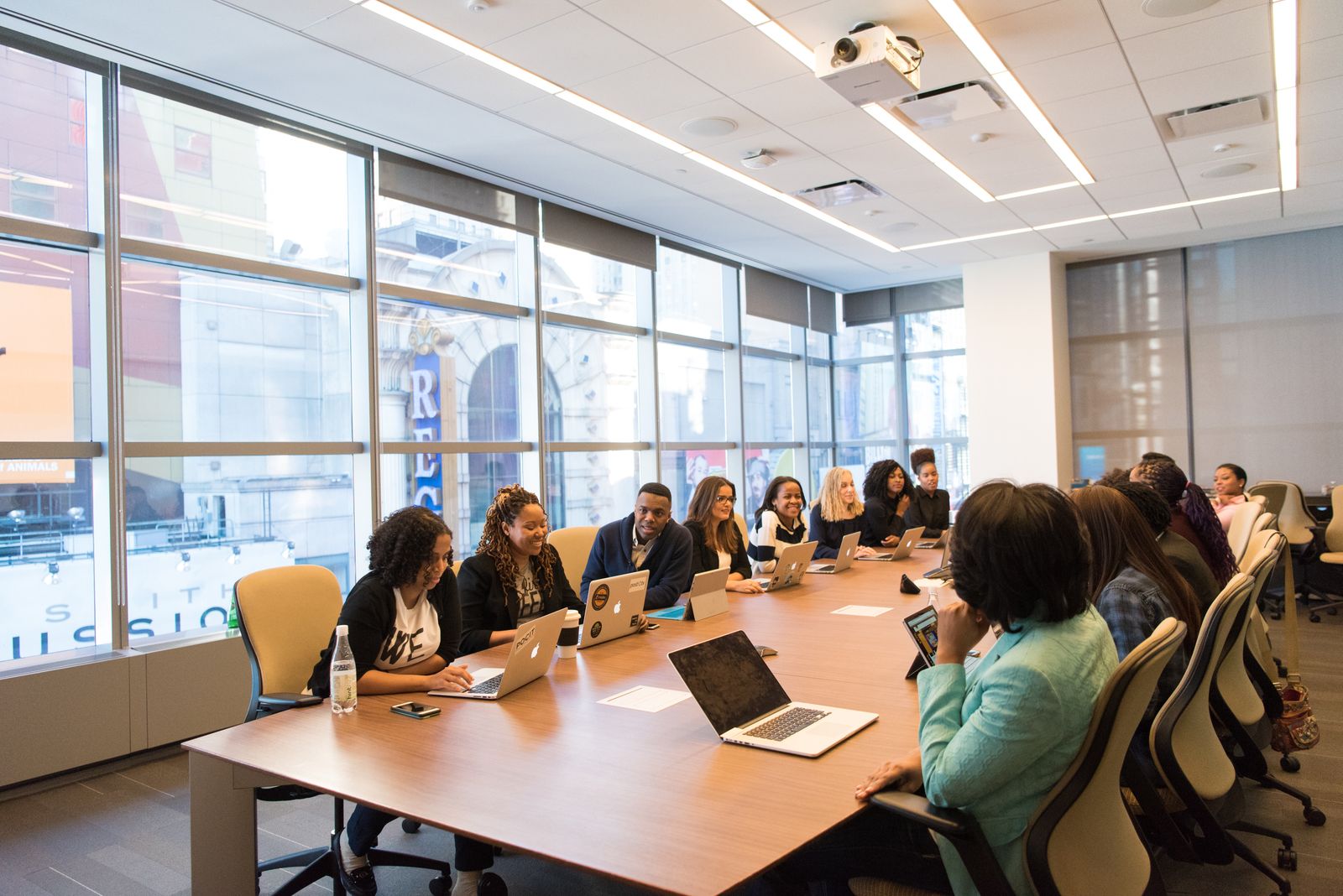
Photographs: celebration — photo by Pavel Danilyuk, https://www.pexels.com/photo/6405773/ ; conference speaker — photo by Pavel Danilyuk, https://www.pexels.com/photo/8761319/ ; business meeting — photo by Christina Morillo, https://www.pexels.com/photo/group-of-people-on-a-conference-room-1181406/
More guides
- How to Find a Wedding Photographer: The Complete, Honest GuidePhotographers › Wedding Photographers
- How Much Does a Wedding Photographer Cost? Packages DecodedPhotographers › Wedding Photographers
- 10 Questions to Ask a Wedding Photographer Before You BookPhotographers › Wedding Photographers
- Wedding Photography Styles Explained: Documentary, Editorial, Traditional, Fine ArtPhotographers › Wedding Photographers
- Hiring a Wedding Photographer in California: Venue Light, Permits, and Price LevelsPhotographers › Wedding Photographers
- All Guides & ArticlesBrowse the full guides library