Photographers › Events Photographers
Event Photography in North Carolina: Permits, Prices and Local Know-How
North Carolina runs two serious event economies at once: Charlotte's corporate and banking circuit and the Raleigh-Durham Triangle's conference and university circuit, with festival and coastal seasons layered over both. Event photography here is competitively priced by national standards — but it carries two state-specific wrinkles that catch out-of-state organisers every year. The first is tax: North Carolina taxes the photographs themselves, including the sitting fee folded into them, at combined rates that change by county. The second is the calendar: hurricane season sits squarely across the autumn event peak, and it belongs in the contract, not in the hopes.
I book photographers for events professionally. This is the North Carolina brief I would want before signing anyone: what coverage actually costs in Charlotte, Raleigh and Wilmington, how the state's tax rule shapes the invoice, and the local conditions — venues, weather, distances — that decide whether the photographs are worth what you paid.
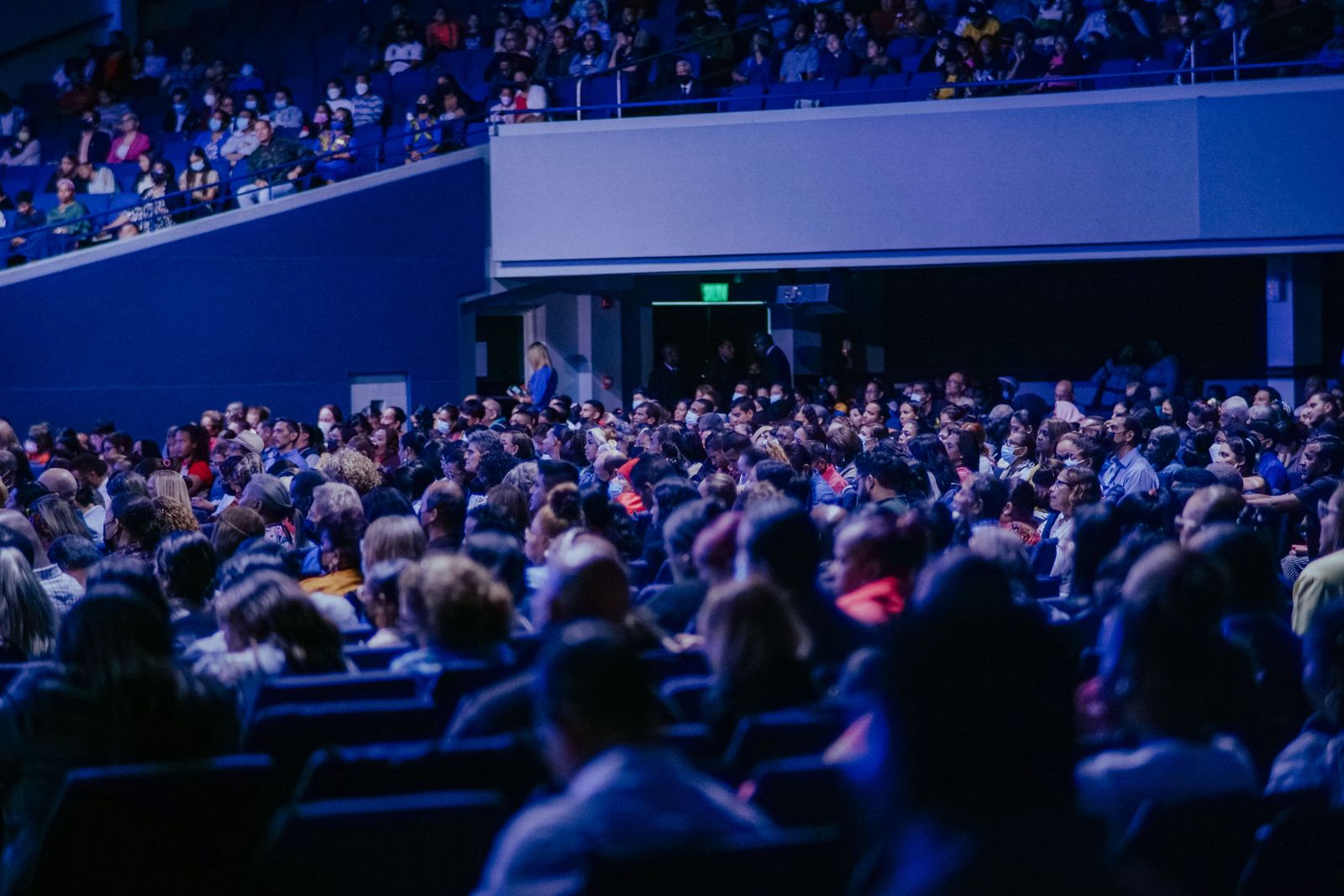
What event coverage costs in North Carolina
Published North Carolina rate cards are unusually transparent, and they cluster into a clear shape:
| Provider pattern | Published price | Structure |
|---|---|---|
| Festival and community events, statewide | $250 first hour + $100 per additional hour | 5 hours of photography totals $650; 2-hour minimum; gallery in about a week |
| Charlotte corporate and community events | $337.50 for up to 2 hours; $562.50 half day (4 hours); $937.50 full day (8 hours) | 25% retainer to book |
| Raleigh event coverage | $500 for 2 hours; $1,000 for up to 6 hours; $1,800 for up to 12 hours | Extra hours $250; prices before NC sales tax; 25% retainer holds the date |
| Charlotte independent event photographer | $250 per hour, 2-hour minimum | Rush delivery priced in tiers: 48 hours costs more than 4 days, which costs more than a week |
| Wilmington event and conference work | From $400 per hour, 4-hour minimum | Premium coastal market; a full-day headshot booth runs $3,850 |
Read together, a working planning range for North Carolina emerges: roughly $250 an hour at the structured, published-rate end, with two-hour corporate coverage in Charlotte from about $340, a Raleigh half-day around $1,000 for up to six hours, and full conference days between about $940 and $1,800 depending on the market and the hours counted as a “day.” Wilmington prices above the metros for conference work — a resort-and-convention coast effect that surprises organisers who assume smaller city means smaller invoice.
Three structural points matter more than any single figure. First, minimums are real: two hours is the common floor, four in Wilmington's conference market. Second, retainers of 25 percent to hold the date appear on card after card — that is the state's normal commercial practice, not a warning sign. Third, turnaround is a priced product: standard delivery runs from about a week for festival galleries to 14 days for some Charlotte event work, and same-week or 48-hour delivery is sold as a tiered extra. If your communications team needs images while the event is still news, buy the rush tier in the contract; asking afterwards costs more and sometimes cannot be bought at all.
The North Carolina tax rule: the photographs are taxable, and the sitting fee rides along
North Carolina's administrative code, 17 NCAC 07B .4102, states the rule plainly: the sales price of photographs is subject to sales and use tax whether the photographs are transferred electronically or as tangible property. A photograph delivered by email, by download, or through the photographer's website is a sale of a photograph. The Department of Revenue's taxable-items guidance says the same thing from the other direction, listing a photograph transferred electronically among “certain digital property” taxed at the general state and applicable local and transit rates.
Two details in the code section deserve an organiser's attention:
- The sales price includes sitting fees charged to a customer who ultimately purchases photographs, plus all charges for developing and printing. So the coverage fee and the images are not taxed as separate worlds; when you buy the photographs, the fee that produced them is inside the taxable price.
- A copyright fee is different. A separately stated copyright fee that entitles the purchaser to reproduce a photograph is not part of the sales price and is not taxed. For commercial organisers — the people most likely to need reproduction and sponsor-use rights — that distinction is worth money and worth having itemised on the invoice.
The combined rate depends on the county: the state's published breakdowns put most counties at 6.75 to 7.00 percent, Mecklenburg (Charlotte) and Wake (Raleigh) at 7.25 percent, and Durham and Orange at 7.50 percent. This is why careful North Carolina photographers quote “before NC sales tax,” as the Raleigh rate card above does, and why two quotes for the same event in different counties can legitimately show different totals. Budget the tax; do not negotiate it — it is the state's line, not the photographer's.
One more practical consequence for businesses: because the tax follows the sale of the photographs, the invoice structure matters. Ask for the coverage, the images and any copyright or licensing fee as separate lines. It is cleaner for your own accounting, and it is how the code expects the copyright piece to be treated.
Permits and venue rules: the layer organisers forget
North Carolina has no state licence for event photographers as such; the permissions that matter are site-specific, and they sit with venues and landowners rather than the state. Convention centres, university campuses in the Triangle and Charlotte, museums and historic sites all run their own photography and vendor rules — load-in windows, approved-vendor or insurance requirements, and restrictions on where tripods and lighting stands can go. The professional standard is that the organiser confirms the venue's vendor requirements and the photographer supplies whatever certificate of insurance the venue demands. Put both halves in writing: a photographer turned away at a loading dock for want of a certificate is an organiser's failure as much as a photographer's.
Outdoor and public-space events add the municipal layer: festivals and street events already run on city permits, and your photographer's access — media credentials, stage-pit access, drone restrictions — should be written into the event's own permit paperwork rather than improvised on the day. Drones deserve a specific sentence: between venue rules, crowds and federal airspace rules, “the photographer will also grab some aerials” is a plan that needs its own check, not a casual add-on.
Hurricane season is a contract clause here
Atlantic hurricane season runs June through November, which means it covers the entire autumn conference and festival peak and the coastal wedding-and-retreat season in Wilmington and the Outer Banks. North Carolina's exposure is not theoretical for event planning: tropical systems regularly push rain, wind and travel disruption deep into the Piedmont, not just the coast.
For photography, that translates into three contract points that matter more in this state than in most:
- A weather and force-majeure clause that says what happens to the retainer and the booking if the event is postponed for a named storm — rescheduling priority beats refunds in a compressed autumn calendar.
- A backup and data clause: the photographer should be shooting to dual cards and backing up on site or the same night; storm-related power and travel chaos is exactly when single-copy images get lost.
- A delivery contingency: if your event moves or compresses, agree in advance which deliverables survive — a same-night highlights set for sponsors and press is usually worth more than the full gallery a week later.
Photographers who work the North Carolina autumn circuit have these conversations routinely. One who has never been asked about a storm plan is telling you their experience is from somewhere else.
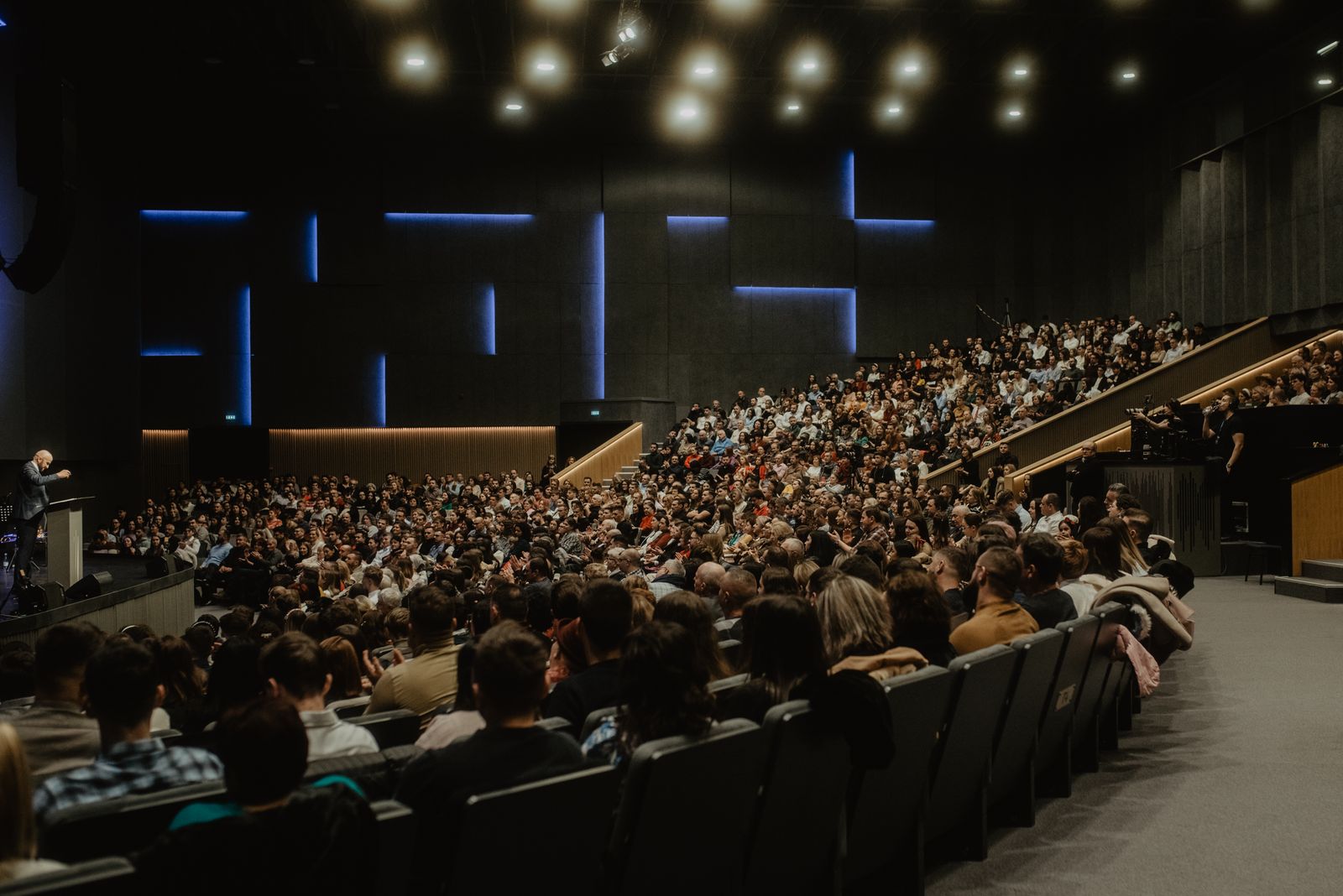
Distances, and what they do to quotes
North Carolina is a wide state — Charlotte to Raleigh is about 170 miles, and the mountains and the Outer Banks are half-day drives from both metros. Published cards handle this openly: travel reimbursement beyond a 20-mile radius of Charlotte on one card, a flat $50 travel fee into Raleigh on another. Expect the same logic statewide: a Triangle photographer for an Asheville conference or a Charlotte photographer for a Wilmington gala will price travel, and possibly lodging, into the quote. That is not opportunism; it is arithmetic. The saving is in booking the photographer whose home market is the event's market, when the work itself is comparable.
Booking well in North Carolina
- Compare quotes structured the same way: hours, deliverables, delivery date, licensing, tax treatment.
- Confirm the venue's vendor and insurance requirements, and who supplies what, before signing.
- Itemise any copyright or reproduction licence as its own line — for your rights and for the tax treatment.
- For June-to-November dates, sign the storm clause.
- Buy the delivery speed you actually need at booking, not after the event.
This site lists 721 events photographers, and North Carolina's share covers the Charlotte corporate bench, Triangle conference regulars, festival crews who publish one rate for the whole state, and coastal specialists who price like the resort market they serve. The state rewards organisers who book it on its own terms: county-by-county tax, venue-by-venue permission, and a season that always — always — gets a vote.
Sources
- North Carolina Administrative Code, 17 NCAC 07B .4102, Sales of Photographs and Videos — establishes that the sales price of photographs is taxable whether transferred electronically or as tangible property, that the price includes sitting fees charged to a customer who purchases photographs and all developing and printing charges, and that a separately stated copyright fee is not part of the taxable sales price.
- North Carolina Department of Revenue, Taxable Items and 2019 Sales Tax Legislative Changes — establishes photographs transferred electronically as taxable certain digital property, and combined general rates of 6.75% in most counties, 7.25% in Mecklenburg and Wake, and 7.50% in Durham and Orange.
- MacroSnaps, Festival Photographers in North Carolina — establishes published statewide festival rates of $250 for the first hour plus $100 per additional hour, five hours at $650, and gallery delivery in about a week.
- A&J Creative Photography, Charlotte Photography Pricing — establishes Charlotte corporate event packages at $337.50 for up to 2 hours, $562.50 for a half day and $937.50 for a full day, with a 25% booking retainer.
- GKPhoto, How to Book an Event Photographer in Raleigh — establishes Raleigh coverage at $500 for 2 hours, $1,000 for up to 6 hours and $1,800 for up to 12 hours, extra hours at $250, a $50 travel fee, a 25% retainer, and prices quoted before NC sales tax.
- Corine Olarte Creative Co., Event Photography (Charlotte) — establishes $250 per hour with a 2-hour minimum, tiered rush-delivery pricing, and travel reimbursement beyond a 20-mile radius of Charlotte.
- Indigosilver Studio, Event Photography in Wilmington NC — establishes Wilmington event photography from $400 per hour with a 4-hour minimum and a full-day headshot booth at $3,850.
Photo by Luis Quintero, https://www.pexels.com/photo/crowd-on-gathering-in-hall-15448073/ Photo by BBSO, https://www.pexels.com/photo/gathering-during-event-20733081/
More guides
- How to Find a Wedding Photographer: The Complete, Honest GuidePhotographers › Wedding Photographers
- How Much Does a Wedding Photographer Cost? Packages DecodedPhotographers › Wedding Photographers
- 10 Questions to Ask a Wedding Photographer Before You BookPhotographers › Wedding Photographers
- Wedding Photography Styles Explained: Documentary, Editorial, Traditional, Fine ArtPhotographers › Wedding Photographers
- Hiring a Wedding Photographer in California: Venue Light, Permits, and Price LevelsPhotographers › Wedding Photographers
- All Guides & ArticlesBrowse the full guides library