Photographers › Events Photographers
Event Photography in Oklahoma: A Resident's Guide to Costs and Rules
Booking an event photographer for the first time is mostly a matter of taste and price — until you do it in Oklahoma. Here, the market is friendly and comparatively affordable, the state leaves photographers unlicensed and lets your contract do the regulating, and the sky has a documented habit of interrupting outdoor events in the middle of the afternoon. None of that should scare you off. All of it should change what you ask before you sign. This guide covers what event photography costs in Oklahoma City and Tulsa, how Oklahoma's sales tax actually applies to a photographer's invoice, and how the state's severe-weather calendar should be written into your booking from the start.
What event photography costs in Oklahoma
Oklahoma City sets the state's reference prices, and local published packages are unusually transparent. One Oklahoma City event and brand studio publishes its whole ladder: $400 for up to two hours, $600 for three, $800 for four hours with one lead photographer and full editing, $1,200 for six hours, $1,600 for eight hours with priority delivery, and $2,000 for ten hours with expedited delivery and the highest image volume. Its add-on menu is just as instructive: an additional photographer at $100 to $150 an hour, an on-site headshot or portrait station at $500 to $900, rush delivery of the full gallery in 48 to 72 hours at $300 to $600, and a handful of same-day preview edits for social media at $250.
Published hourly services working in the city land in the same territory from the other direction: $250 for the first hour and $100 for each additional hour, with a two-hour minimum — so a typical five-hour festival or community event comes to $650, with every photo edited and an online gallery in about a week. Put the two together and a first-time buyer in Oklahoma has a workable rule: budget roughly $100 to $200 an hour for a competent event photographer, with the first hour and short bookings costing more per hour than long ones, and expect a standard half-day event to land between $550 and $800.
Tulsa runs on the same structure at similar or slightly softer prices — it is a smaller corporate market, with energy, healthcare and university events rather than the capital's government and convention traffic — and smaller cities and college towns such as Norman, Stillwater and Broken Arrow draw from the same pool of photographers, usually with travel folded into the first hour or charged as a modest fee. What moves the price in Oklahoma is rarely the city. It is the deliverables: a second shooter for a large venue, a headshot station at a conference, rush delivery for a sponsor report, and usage rights for images a festival will reuse in next year's promotion. Price those as separate lines, because that is how the good Oklahoma quotes already present them.
| Coverage | Typical Oklahoma City price | What it fits |
|---|---|---|
| 2 hours | $350–$400 | A reception, a prom arrival, a short ceremony |
| 4 hours | $550–$800 | A half-day conference, fundraiser or community event |
| 5 hours, hourly model | About $650 | A typical festival day: $250 first hour plus $100 per extra hour |
| 6–8 hours | $1,200–$1,600 | A full conference day or a large celebration |
| 10 hours | Around $2,000 | Full-day coverage with priority, expedited delivery |
| Add-ons | Second photographer $100–$150/hr; headshot station $500–$900; 48–72 hr rush $300–$600 | Price these separately, in the contract |

The tax line on an Oklahoma invoice
Oklahoma's sales tax law is built differently from the states that tax photography packages wholesale. Under Oklahoma law, sales tax must be charged on all transfers of title or possession of tangible personal property in the state, and it is also levied on certain services — the specific ones the statute names. The state rate is 4.5 percent, and county and municipal taxes stack on top of it; combined rates run from 4.5 percent up to about 11.5 percent depending on where delivery occurs, and Oklahoma sources the tax to the place of delivery — goods shipped to a customer are taxed at the rate in effect where the customer receives them.
For an event client, the working distinction is between the coverage and the things. A photographer's time shooting your event is a service, and photography coverage is not among the specific services Oklahoma's sales tax statute enumerates. Prints, albums, framed pieces and other physical products are tangible personal property, and those are taxable, at the combined rate for the delivery location. So a clean Oklahoma invoice separates the two: coverage and digital delivery on the service side, physical products taxed on the product side. If your quote shows tax calculated over the entire package including hours of coverage, ask the photographer to walk you through it — there may be a reason, such as how the products are bundled, but you are entitled to see the working. And if you are an out-of-state organisation holding an event in Oklahoma, note the delivery rule before the gallery ships: where the photographs are received can decide which local rate, if any, applies to the products.
A second Oklahoma formality is worth thirty seconds: the state does not license photographers, and the licensing boards that regulate other trades have no jurisdiction over your event shooter. As in most states, that leaves your contract — hours, deliverables, delivery date, usage, cancellation and weather terms — as the whole of the law between you. Which brings us to the Oklahoma clause that matters more than any other.
The weather clause is not boilerplate here
The National Weather Service office in Norman maintains the tornado record for the Oklahoma City area, and it deserves a place in your event planning. May is the peak month, followed closely by April and June; about two-thirds of the Oklahoma City area's recorded tornadoes have struck in those three months. Tornadoes there have formed most often between mid-afternoon and early evening — roughly 2 to 7 p.m. Central Standard Time, 3 to 8 p.m. in daylight time — which is, not coincidentally, when outdoor events load in, sound-check and open their gates. Statewide data tells the same story at larger scale: March through June accounts for the overwhelming share of Oklahoma tornadoes, May alone for roughly two-fifths of them, and hail and damaging wind are more common still.
And spring is not the whole story. The Oklahoma City record shows a genuine secondary season: October has more listed tornadoes in the NWS record than March, and in November 2024 two EF3 tornadoes hit southeast Oklahoma City after midnight. An autumn festival is safer than a May one, statistically. It is not exempt.
So treat the weather terms as the heart of an Oklahoma event contract, not the fine print. You want, in writing: who decides to delay, move indoors or cancel, and by what trigger — a watch, a warning, a venue call; what happens to your deposit and balance in each case, and whether a reschedule date is held and at what fee; how the photographer handles a mid-event evacuation, including whether coverage resumes after an all-clear and whether the clock keeps running while everyone is in the shelter; and where the photographer's own safety line is, because a professional who will not shoot in lightning is protecting your guests as well as themselves. Ask a prospective photographer what they did the last time a warning was issued during one of their events. In Oklahoma, every experienced event photographer has an answer. A photographer without one has not yet worked a full spring here — and your event should not be their education.
Practical scheduling follows from the same record. A late-spring outdoor event is best built with a hard indoor backup, a programme that can compress, and portraits and group shots taken early rather than saved for golden hour in the peak storm window. Morning events in May dodge the most active hours entirely. None of this guarantees anything; Oklahoma weather respects no contract. But a booking that plans around the documented pattern costs no more than one that ignores it.

Venues, permissions and the first-timer's checklist
Oklahoma venues set their own photography terms, and the state's marquee spaces — museums, botanical gardens, university and civic venues in Oklahoma City and Tulsa — typically require vendors to carry liability insurance and to produce a certificate of insurance naming the venue. Published event services working in the city advertise exactly that readiness, with coverage at $1 million per occurrence and $2 million aggregate offered as a standard credential. Ask for the certificate before you need it; a photographer who cannot produce one may be excluded by your venue on the day, and that discovery has no good version.
For a first booking, the checklist is short. Confirm the hours and what "coverage" includes — edited images, a gallery, a delivery date in days, not "soon." Agree the usage: a charity that needs sponsor-report and next-year promotional rights should buy them now, while they are a line item, not after the festival succeeds. Price the add-ons you actually need — second shooter, headshot station, rush — and decline the rest in writing. Write the weather clause for Oklahoma, not for a generic event. And keep the tax structure clean: service and products on separate lines.
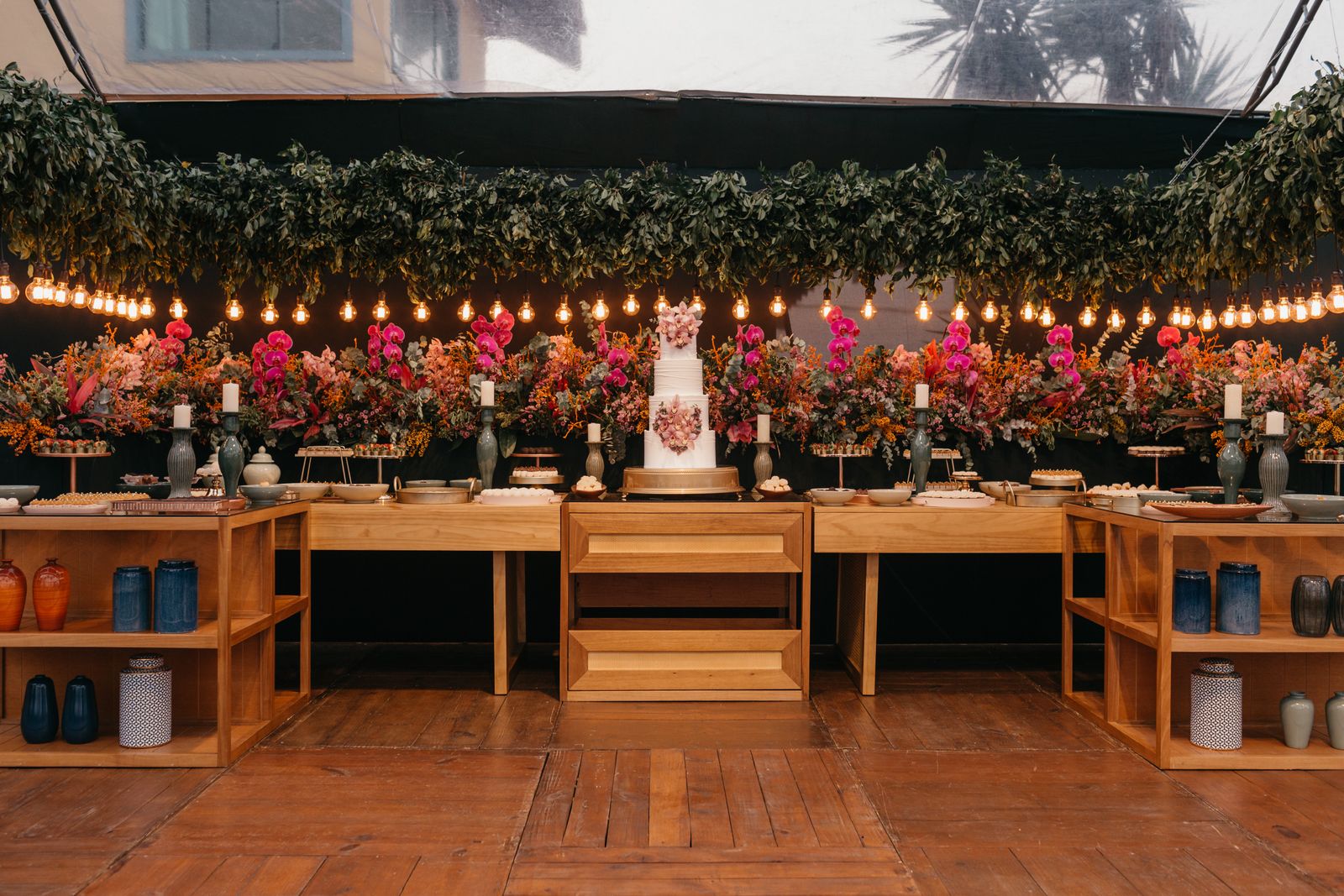
One last first-timer's point, learned the hard way at events everywhere but felt keenly here: book the photographer before you finalise the programme, not after. An experienced Oklahoma event photographer will read your run sheet and move the group photograph out of the 4 p.m. storm window, put the sponsor shots before the weather can scatter the sponsors, and tell you which of your venue's corners goes dark at sunset. That advice is free inside a booking and unavailable at any price the week after.
This site lists 721 event photographers, and Oklahoma's share includes everyone from $250-first-hour published services to full production studios. For a first event, choose the photographer who talks about your venue's insurance requirement and your month's weather pattern before they talk about their camera. In Oklahoma, that order of conversation is not caution. It is competence.
Sources
- Rad Love, Oklahoma City Event and Brand Photography — published package ladder from $400 for two hours to $2,000 for ten hours, with add-on prices for additional photographers, headshot stations, rush delivery and same-day previews.
- MacroSnaps, Festival Photographer in Oklahoma City — published hourly pricing of $250 for the first hour plus $100 per additional hour, a typical five-hour festival booking at $650, and insurance coverage of $1 million per occurrence and $2 million aggregate.
- Oklahoma Tax Commission, Sales and Use Tax — sales tax applies to transfers of tangible personal property and to certain specified services, at a state rate of 4.5 percent plus applicable local taxes, sourced to the place of delivery.
- Avalara, Oklahoma Sales Tax Rates 2026 — the 4.5 percent state rate and combined rates up to 11.5 percent with local taxes.
- National Weather Service, Norman, Tornadoes in the Oklahoma City Area — May as the peak month followed by April and June, about two-thirds of area tornadoes in those three months, formation most often between mid-afternoon and early evening, and a secondary autumn season in the record.
- Mapscaping, Oklahoma Severe Storm Reports 1950–2025 — statewide distribution of tornadoes by month, with March through June accounting for the great majority and May for roughly two-fifths.
- Photo by Pavel Danilyuk, https://www.pexels.com/photo/8761319/
- Photo by Pavel Danilyuk, https://www.pexels.com/photo/6405773/
- Photo by Jonathan Borba, https://www.pexels.com/photo/9714791/
More guides
- How to Find a Wedding Photographer: The Complete, Honest GuidePhotographers › Wedding Photographers
- How Much Does a Wedding Photographer Cost? Packages DecodedPhotographers › Wedding Photographers
- 10 Questions to Ask a Wedding Photographer Before You BookPhotographers › Wedding Photographers
- Wedding Photography Styles Explained: Documentary, Editorial, Traditional, Fine ArtPhotographers › Wedding Photographers
- Hiring a Wedding Photographer in California: Venue Light, Permits, and Price LevelsPhotographers › Wedding Photographers
- All Guides & ArticlesBrowse the full guides library