Photographers › Events Photographers
Event Photography in Vermont: Permits, Prices and Local Know-How
An assistant sees an event differently from the person who booked it. The organizer sees a festival, a fair, a company celebration. The assistant sees a run sheet, a parking problem, a sunset time, a stage manager who has never met the photographer, and a client who will ask, at 9 p.m., whether anyone got a photograph of the sponsor's banner. In Vermont, add three local variables to that list: a provider bench thin enough that your photographer may have driven ninety minutes to reach you, a calendar that stacks the state's biggest events into about twenty weekends, and terrain — dirt roads, mountain weather, lake wind — that treats an unprepared crew the way it treats everyone else.
Vermont does not license photographers, so for events as for portraits, the contract and the references carry the decision. This site lists 721 events photographers nationally; the ones who work Vermont well are a smaller, knowable set. Here is what hiring them actually involves in this state: the calendar, the prices, the permits, and the tax rule that surprises out-of-state organizers.
The Vermont event calendar is the pricing calendar
Event photography prices follow demand, and Vermont's demand is not spread evenly across the year. It is stacked.
Late spring opens the season. The Vermont City Marathon fills Burlington's waterfront on the Sunday of Memorial Day weekend — the state's largest single-day sporting event — and the Burlington Discover Jazz Festival follows in early June, turning downtown into a city-wide stage for five days. Both are the kind of event where a single photographer cannot be in two places: a marathon needs the start, the course and the finish; a festival needs stages, street scenes and sponsors. Budget for two photographers at anything that runs in parallel, because in Vermont you cannot hire a competent second shooter at a week's notice in June.
Summer is fair season, and fairs are a photographer's marathon. The Vermont Agency of Agriculture's fairs and field days schedule runs from the Dairy Festival in Enosburg Falls in early June through a dense August: the Vermont State Fair in Rutland runs August 18–22, 2026, the Champlain Valley Exposition in Essex Junction runs August 28 to September 6, and the Tunbridge World's Fair — the state's beloved September institution — runs September 17–20. Fair photography is long-day work in mixed light: barns, midway neon, livestock barns at noon and fireworks at night. Quote it by the day, not the hour, and put the shot list in agricultural order — animals and exhibits photograph best in the morning, before crowds and heat.
Autumn is the collision. September and October stack foliage festivals on top of fair season's tail: Grand Point North brings a waterfront music festival to Burlington's Waterfront Park in mid-to-late September, resorts like Bolton Valley run foliage weekends from late September through mid-October, and every inn, barn and events field in the state is hosting something during the weeks when colour moves from the Northeast Kingdom in late September to the Champlain Valley in mid-October. Event photographers' autumn weekends book the way wedding photographers' do — because in Vermont they are frequently the same people, and there are only so many of them.
Winter and mud season are the negotiable months. Ski-town events in Stowe, Killington and the Mad River Valley keep winter working for photographers who shoot in cold and snow. Mud season — roughly March into May, when snowmelt posts the dirt roads and the Vermont Maple Festival in St. Albans (April 24–26, 2026) runs in the middle of it — is when calendars empty and rates soften. An organizer who can hold a corporate event in April will find photographers available, flexible and pleased to be asked. Just hold it somewhere reachable on paved roads.
What event photography costs in Vermont
Vermont's most transparent published pricing is hourly, and it is the same structure from one end of the state to the other: $250 for the first hour of photography and $100 for each additional hour, with travel included in the first hour and a two-hour minimum. That puts a typical two-hour event at $350, a five-hour celebration at $650, and a long fair day of eight hours at $950. Videography on the same published card runs $300 for the first hour and $200 for each additional hour.
Read those numbers the assistant's way. The first hour is expensive because it carries the travel, the load-in, the light check and the run-sheet conversation — in a rural state, that is honest pricing, not a surcharge. The cheap additional hours are why Vermont events should be quoted as whole events: an organizer who trims coverage from five hours to three to save $200 usually deletes the reception, the awards or the fireworks — the part the photographs were for. The line items to discuss instead are a second photographer (essential at parallel-programme events, and the first thing to book early in peak season), delivery speed, and usage: an organizer's licence to use images in next year's promotion, sponsor reports and press is a term to settle in the contract, not assume from delivery of the files.
| Coverage | Published Vermont price | Best fit |
|---|---|---|
| 2 hours of photography | $350 | A reception, a ceremony with portraits, a small company celebration |
| 5 hours of photography | $650 | A typical private celebration or half-day festival programme |
| 8 hours of photography | $950 | A full fair day, a marathon or a festival day with evening programme |
| Videography, per hour after the first | $200 (first hour $300) | Add where the event will be promoted with motion next year |
For Burlington's corporate and branding end, expect to pay above the statewide hourly card: Burlington is the one market in Vermont with a genuine commercial tier, and a half-day of business event and brand work there prices like a small metro, not a small town. The honest Vermont summary is that supply, not geography, is your constraint — the rate card is reasonable, the calendar is not.

Permits: whose land is the event on?
Most Vermont events happen on private or municipal land — fairgrounds, inns, resorts, town greens — where the venue's own rules and the organizer's arrangements govern, and the photographer's job is to work within the event's permissions. The formal system appears when an event touches state land.
Vermont's Agency of Natural Resources requires formal written authorization — a Special Use Permit for short-term, low-impact use, or a licence for longer-term use — for commercial activity on the lands it manages: state parks, state forests and wildlife areas. Commercial photography and filming is expressly named a commercial use, and an organized event involving fees or public invitation on those lands needs authorization in its own right, with fees, certificates of liability insurance and the endorsed permit documents submitted before operations begin. The base administration fee for a special use permit starts at a minimum of $50, with further charges possible by area. If your event is a trail race starting in a state forest, a festival using a state park, or a company day on a lakeshore state park beach, the permit belongs in the organizer's timeline months ahead — and your photographer should be asking about it at booking, because their insurance certificate is part of the paperwork.
Two practical Vermont corollaries. First, drones: treat aerial coverage at Vermont events as a separate permission conversation everywhere, not a package bullet — land managers and venues each have their own position, and an assistant who has watched a drone grounded by a venue manager mid-event can tell you the conversation is cheaper in advance. Second, municipal Burlington: the waterfront parks that host the city's festival season are city-managed, with their own event permitting through the city — the organizer's event permit and the photographer's commercial position are related but not identical questions, and a photographer who works the waterfront regularly will already know the difference.
Light, weather and roads: the assistant's checklist
Vermont event light has two signatures. In summer, the working day is long and the golden hour over Lake Champlain — the backdrop for Burlington's whole festival season — is genuinely spectacular and genuinely late; an evening programme on the waterfront is a gift to a photographer who has planned for it. In the Green Mountains, weather crosses a ridge and changes: a fairground can sit in sun while the next valley takes the rain. Build the run sheet with a weather decision time in it, and a covered position for the photographer at outdoor ceremonies and stage events, because a photographer under an umbrella photographs the umbrella's edge.
The roads deserve their own line, because they are Vermont's distinctive event risk. A large share of the state's roads are unpaved. In mud season they soften, towns post weight limits, and a photographer's sedan — or your guests' — can be the day's problem. In winter, the same roads are a snow question. None of this is a reason to avoid rural Vermont events; the Tunbridge fair has run since the nineteenth century through all of it. It is a reason the contract should carry a weather and road-conditions clause with a named decision-maker, and the booking conversation should include the unglamorous question: "How will you get here if the road is posted?" A Vermont photographer answers that question from experience. An imported one answers it from optimism.

The tax line on your invoice
Vermont's Department of Taxes publishes specific guidance for photographers, and event organizers from out of state misread it most often. The rule: photography services are not usually taxed as services, but because the transaction's focus is producing photographs — tangible personal property — the charges that produce them are taxable when a taxable product is delivered. Labour charges for taking photos at an event are expressly listed among the taxable services when provided as part of a transaction involving the sale of photographs. Printed photographs, photographs on a disc or thumb drive, albums, frames and delivery charges are always taxable, and itemizing the invoice does not separate the service from the tax.
The one clean exception is digital-only delivery: digital photographs downloaded electronically or emailed are not subject to Vermont sales tax, and a package containing nothing taxable is an untaxed package. But a bundle is all-or-nothing — if one taxable item is included in a bundled package, the total package price becomes taxable at Vermont's 6 percent state rate. So an event organizer choosing between a digital gallery and a gallery plus a printed album for the sponsor is also choosing the tax treatment of the whole commission. Neither choice is wrong. Making it unknowingly, and then querying the invoice, is the avoidable part.
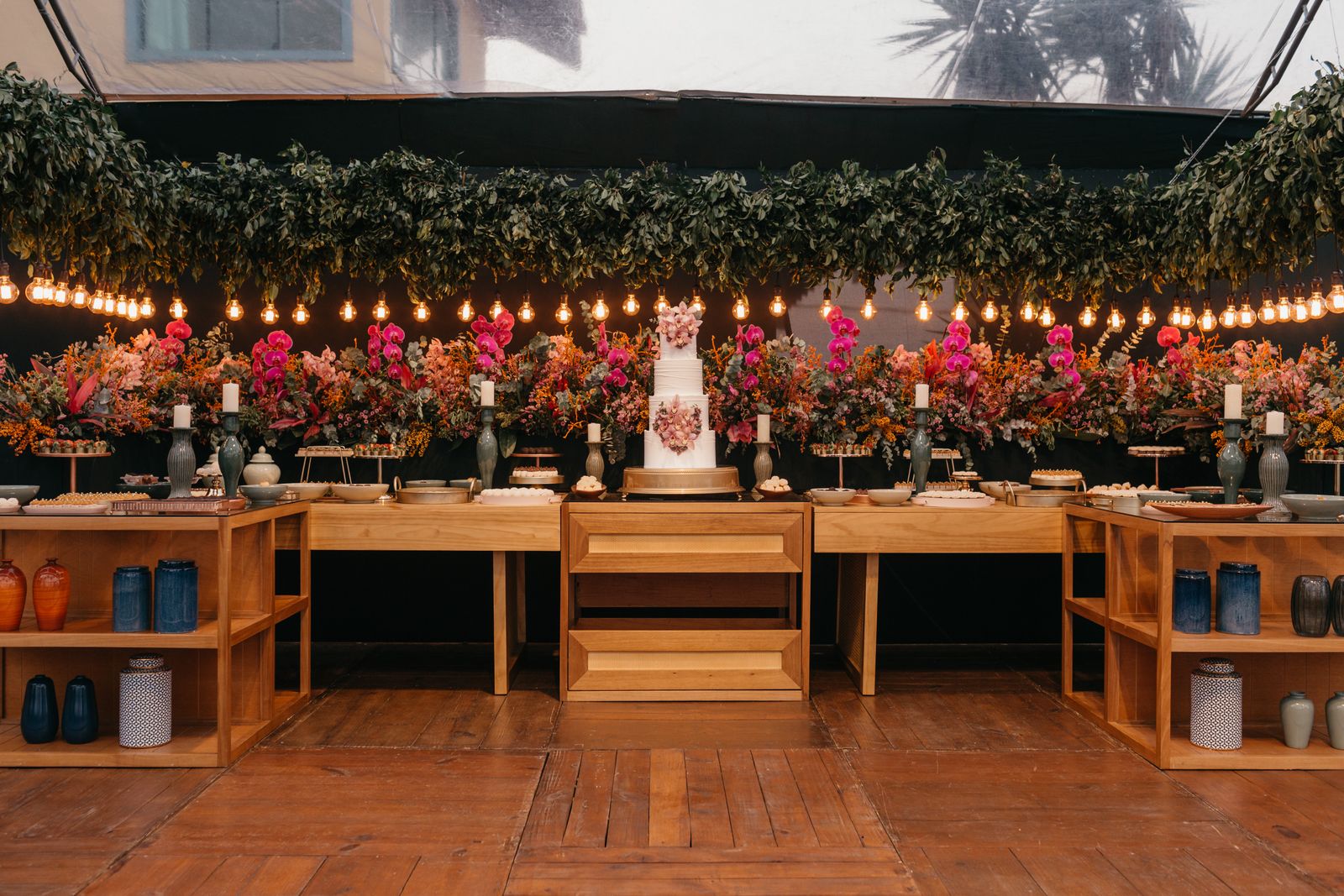
Booking the event, Vermont style
Put four things in writing and Vermont events go smoothly. The run sheet, shared with the photographer before the day, with the three moments that must not be missed named in order. The coverage hours bought as a whole event, not trimmed at the celebration's end. The permit and insurance position, settled at booking — especially for state land. And the delivery terms: a small set of selects fast for press and sponsors, the full gallery on a stated date, and the usage licence your organization actually needs.
This site lists 721 events photographers. Filter for Vermont, ask who has shot your venue or your fair before — in a small state, somebody has, and their answer will be specific — and check references from organizers, not just audiences. The photographers who thrive here do so on a reputation carried town to town, fair to fair, October to October. Book them before the calendar stacks up, and the assistant's bag will be the only thing at your event that feels heavy.
Sources
- MacroSnaps, Vermont photography and videography pricing — published statewide rates of $250 for the first hour of photography and $100 for each additional hour (two hours $350, five hours $650), travel included in the first hour, two-hour minimum; videography $300 for the first hour and $200 for each additional hour.
- Vermont Agency of Agriculture, Food and Markets, Fairs & Field Days Schedule — Vermont Maple Festival, St. Albans, April 24–26, 2026; Vermont State Fair, Rutland, August 18–22, 2026; Champlain Valley Exposition, Essex Junction, August 28–September 6, 2026; Tunbridge World's Fair, September 17–20, 2026.
- Hello Burlington, Burlington 2026 events calendar — Vermont City Marathon on May 24 as the state's largest single-day sporting event; Burlington Discover Jazz Festival June 3–7; Vermont Brewers Festival at Waterfront Park July 17–18; Grand Point North at Waterfront Park September 18–20.
- Vermont Department of Forests, Parks and Recreation, Leases, Licenses and Special Use Permits — commercial use of Agency of Natural Resources lands, expressly including commercial photography/filming and the procurement of photographs to fulfil a contract, requires a licence or Special Use Permit; fees, certificates of liability insurance and endorsed documents must be submitted before operations begin; minimum $50 base administration fee for special use permits.
- Vermont Department of Taxes, Photographers — labour charges for taking photos at an event are taxable when provided as part of a transaction involving the sale of photographs; printed photos, photos on storage devices, albums, frames and delivery charges are always taxable; digital photos downloaded electronically are not subject to Vermont sales tax; if one taxable item is included in a bundled package, the total package price is subject to tax.
Photo by Pavel Danilyuk, https://www.pexels.com/photo/8761319/ Photo by Pavel Danilyuk, https://www.pexels.com/photo/6405773/ Photo by Jonathan Borba, https://www.pexels.com/photo/9714791/
More guides
- How to Find a Wedding Photographer: The Complete, Honest GuidePhotographers › Wedding Photographers
- How Much Does a Wedding Photographer Cost? Packages DecodedPhotographers › Wedding Photographers
- 10 Questions to Ask a Wedding Photographer Before You BookPhotographers › Wedding Photographers
- Wedding Photography Styles Explained: Documentary, Editorial, Traditional, Fine ArtPhotographers › Wedding Photographers
- Hiring a Wedding Photographer in California: Venue Light, Permits, and Price LevelsPhotographers › Wedding Photographers
- All Guides & ArticlesBrowse the full guides library