Photographers › Fine Art Photographers
Fine Art Photography by Season: When to Book, When to Wait, and What Timing Changes
Most photography forgives bad timing. A headshot shot in March looks like a headshot shot in October. Fine art photography does not work that way. The landscape photograph you want exists for about three weeks a year. The portrait series you have imagined needs the light of a particular month. The print you intend to buy will be shown, priced, and competed for on an art-market calendar that has its own seasons, entirely separate from the weather. Book fine art work as if timing were a detail and you will get a competent photograph of the wrong moment — which, in this category, is the same as the wrong photograph.
This guide is for the people doing the booking and buying — collectors, businesses commissioning work for real spaces, and anyone hiring a fine art photographer rather than a service photographer. It walks the year as the trade actually lives it: what each season gives and takes away, when photographers and galleries are busiest and most flexible, and the points in the calendar where waiting is the smartest money you can spend.
Two calendars, running at once
Every fine art commission sits on two calendars. The first is the light calendar: day length, sun angle, foliage, bloom, snow, and storm seasons, which decide what can be photographed and how it will look. The second is the market calendar: exhibition seasons, art fairs, holiday selling, and the photographer's own booking peaks, which decide availability and price. A booking that respects only one of them fails on the other — the classic case being the client who books a landscape photographer for peak foliage week, correctly, eighteen days in advance, in a year when that photographer's autumn was sold out by June.
On the light side, the mechanics are simple and unforgiving. At mid-latitudes — most of the United States — day length swings from roughly nine to ten hours in winter to fourteen to fifteen in summer. Golden hour, the low warm light fine art work is disproportionately made in, stretches and compresses with it: published seasonal guides put it at roughly forty to fifty minutes in winter, when the sun travels at a shallow angle, against twenty to thirty minutes in summer, when it climbs steeply and the good light is gone before a location shoot has settled. Winter's compensation is real: at 40 degrees north the sun stays low all day, so the directional, sculptural light that summer rationed to dawn and dusk becomes available at noon — and sunrise comes at a civilized 7:20 or so, rather than summer's 5:20.
Spring: bloom, green-up, and the year's first booking squeeze
Spring is a sequence, not a season, and the sequence is the commission. Wildflowers, blossom, and new foliage arrive in succession over several weeks, each with a window measured in days. In the Blue Ridge, one photographer's season guide describes the mountains going from bare and gray to explosively green almost overnight, with wildflowers carpeting the forest floor, dogwoods along the roads, and rhododendrons arriving in late May into June. In the Rockies, June holds a contrast that exists for only a few weeks: new green at mid-elevations with snow still on the high slopes. If your commission is of a spring subject — a bloom, a green valley, a waterfall at full spring flow — the booking conversation needs to happen in winter, with dates held flexibly around a forecast peak rather than fixed to a weekend. Photographers who specialize in this work plan their springs a year out, because their subjects will not reschedule.
Spring is also when the market calendar wakes. Galleries mount the shows that follow the winter holidays, university and museum exhibition calendars run full, and the year's art-fair circuit is underway by March. For buyers, spring's practical meaning is selection: new bodies of work are being shown for the first time, and the photographers whose autumn you want are still bookable — briefly.
Summer: long days, hard light, and the honest trade-offs
Summer gives the landscape photographer abundance and difficulty in the same day. Days are long, access is easy, high-elevation wildflowers bloom in July and August, and in the Rockies the North American monsoon builds the afternoon thunderstorms that make dramatic skies — a working Rockies guide pairs July and August wildflowers directly with those storms. Against that: midday summer light is the harshest of the year, hard and contrasty with genuinely black shadows at altitude, and the golden hours arrive at punishing times — sunrise before 5:30, sunset after 8 — which stretches a location day and the crew costs attached to it.
For portrait and commissioned work, summer is paradoxically the flexible season. It sits outside the art market's peak selling months and outside the autumn landscape rush, so established fine art photographers are more available, more willing to travel, and sometimes more negotiable on fees for substantial commissions — particularly for work that will be shot in summer but shown later. Businesses commissioning art for an office, hotel, or restaurant should know that summer is when a photographer can actually come and look at your light, your walls, and your sightlines before quoting, rather than promising to.
One warning belongs here: in much of the West, late summer is now fire and smoke season. A commission dependent on clear mountain or coastal air in August carries a real probability of orange, airless days. Contracts for late-summer landscape work should carry the same reschedule language you would want for rain — agreed in advance, not improvised over a smoked-in valley.
Autumn: peak subject, peak market, peak prices
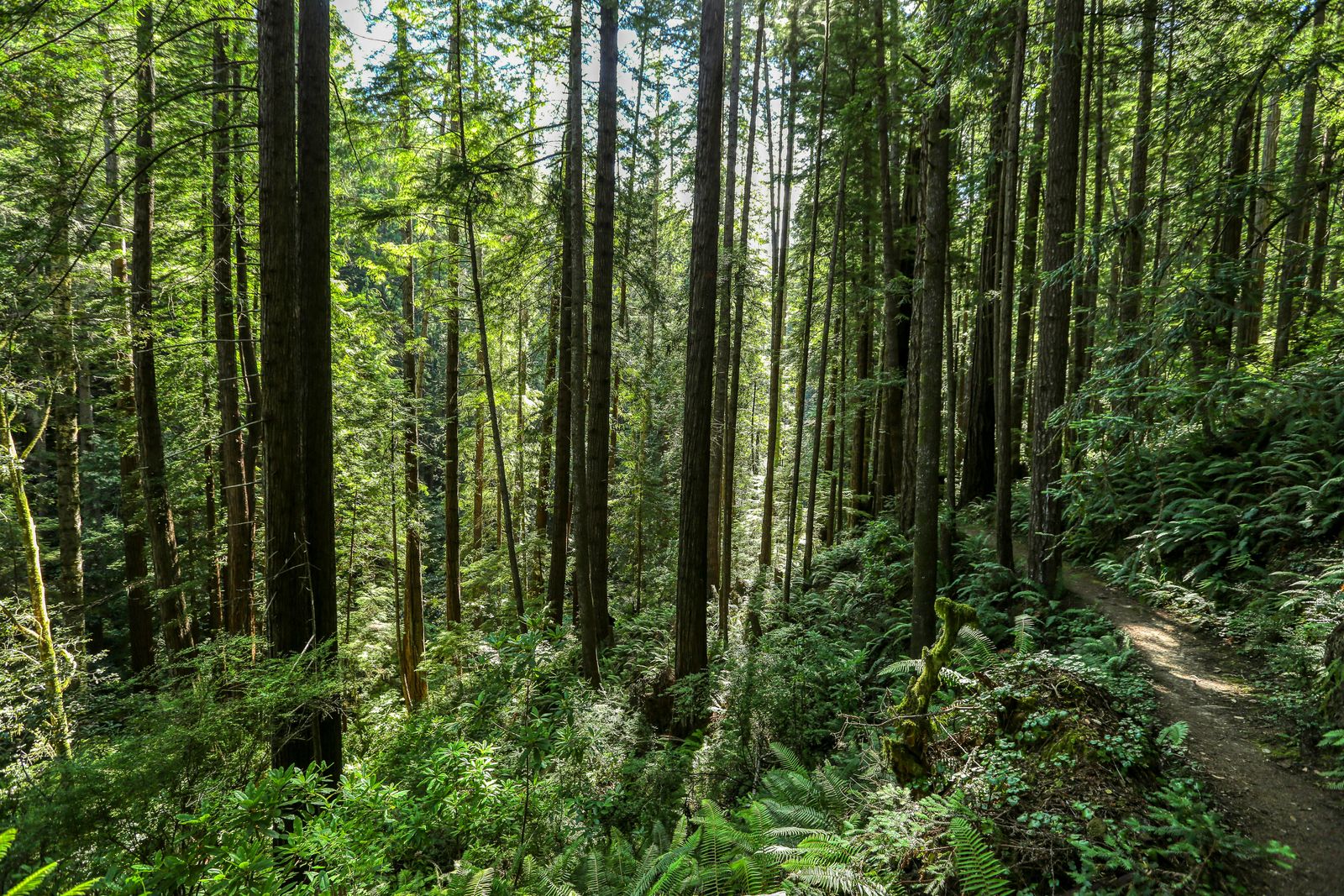
Autumn is the season everyone wants, for both calendars at once — which is precisely the problem. On the light side, it earns its reputation. Fall color runs for roughly two to three weeks of vibrancy in any one place, staggered by elevation and latitude: northern regions and high elevations peak in late September — the Rockies' aspen window runs late September into early October, and the Tetons pair it with June as their two great seasons — while the Blue Ridge and lower elevations peak from mid-October into early November, with different species turning at different rates and stretching the show across weeks. Morning mist settles in river valleys more consistently in fall than in any other season. And the light improves daily as the sun lowers: a Rockies photographer notes that yellow foliage holds its saturation even in flat midday or overcast light, which makes autumn the most forgiving season in which to schedule around weather.
On the market side, autumn is the summit of the year. The art-fair calendar stacks up — in the 2026 guide listings, September alone brings the Armory Show and Affordable Art Fair in New York, October brings Atlanta, Houston, London, and Paris fairs in quick succession, and the ADAA Fair follows in November — while galleries mount their most important exhibitions and photographers' landscape calendars sell out. The booking rule follows directly: autumn work is booked in spring. A fine art photographer with a landscape practice who still has peak-foliage weeks open in September has them open for a reason worth asking about. Prices follow demand; expect autumn dates to be quoted at full rate, with the least flexibility on rescheduling, because there is no second peak week to move you to.
For buyers rather than commissioners, autumn's density is an advantage of a different kind: it is the best season to see work in person, compare photographers across fairs and gallery shows, and start the conversation about next year's commission with this year's pictures still on the wall.
Winter: the undervalued season
Winter is where this guide's "when to wait" becomes "when to book." The light case is stronger than its reputation: the sun low all day, long golden hours, late sunrises that make dawn shoots humane, cold dry air with a clarity that intensifies color at the horizon, and landscapes stripped to structure — bare branches, snow, ice, and the bones of mountains that foliage hides the rest of the year. More than one working photographer calls winter quiet and underrated in almost those words, and notes the practical mercy of it: with the light low and soft all day, you are not racing the sun.
The market case is just as strong. After the holiday selling season — galleries run holiday shows and small-works exhibitions through December, aimed squarely at gift buyers, with work priced and sized accordingly — January and February are the art market's quietest months. Photographers are available. Galleries have time to talk. A commission negotiated in February, for work to be shot in spring, is negotiated with a seller who has room in the calendar and reason to fill it. Buyers should also know the year's rhythm at the level of the individual photographer: many fine art photographers spend winter printing, editioning, and preparing the work that spring shows will sell. A print purchase or a commission agreed in winter is often joining that production schedule at exactly the right point.
What winter genuinely costs: weather risk on travel, short shooting days for location work, and — for portrait commissions — subjects who look cold in the photograph, because they are. Build the weather day into the schedule and the season pays you back in light and leverage.
The month-by-month booking logic
| When you want it | Book it | Why |
|---|---|---|
| Spring bloom or green-up commission | Previous winter | Bloom windows are days long; specialist calendars fill first |
| Summer location or site work | Spring | Best availability and travel flexibility of the year |
| Peak autumn landscape work | Spring — early summer at the latest | Peak weeks sell out; full rates; no reschedule slack |
| Buying at fairs and autumn shows | September–November | Densest in-person selection of the year |
| Holiday gifts of prints and small works | November–early December | Galleries program holiday shows and small-works exhibitions for exactly this |
| Winter light commissions | Autumn | Photographers available; negotiate while their calendar is open |
| Next year's major commission | January–February | Quietest market months; joins the photographer's winter production schedule |
Questions that expose a seasonal amateur
The directory is not small — this site lists 177 fine art photographers among its specialist categories — and the fastest way to sort it is to ask questions only a seasonal practitioner can answer. What month would you shoot this in, and what month would you refuse to? What does this location look like three weeks before and after the famous window, and is the commission still worth making then? What is your weather and smoke reschedule policy, in the contract? For buyers: is this print from an edition, how many remain, and does the price change as the edition sells — as, in honest editioning, it should? A photographer or gallery that answers those questions fluently, with specifics about your subject's calendar, is selling you the thing fine art pricing actually buys: not a camera, and not a day, but judgement about when.
That is the whole guide in one line. In fine art photography, timing is not when the work happens. A great deal of the time, timing is the work.
Sources
- Chris Chandler, Photographing the Rocky Mountains: Seasons, Light and Weather — aspen window, monsoon storms, winter light at altitude, at https://itschrischandler.com/photography/guides/rocky-mountain-photography-conditions
- Steph Jensen Photography, The Best Time of Year for Outdoor Photos in Asheville, NC — Blue Ridge spring sequence, fall peak timing, winter's low all-day light, at https://www.stephjensen.com/blog-post-4.html
- J. Patterson Photography, Chasing Light Across America — Grand Teton late-September and June seasons, Blue Ridge mid-to-late October peaks, Big Sur September–October clarity, at https://www.jpattersonphoto.com/american-landscape-photography-destinations
- Paths of Learning, 7 Tips for Photographing Changing Seasons — foliage windows of about 2–3 weeks, elevation and latitude staggering, at https://www.pathsoflearning.net/14691/7-tips-for-photographing-changing-seasons/
- 365 Pages, Golden Hour Calculator and seasonal timing table — golden hour length by season at mid-latitudes, at https://365-pages.com/pages/249/
- Calculatorian, The Best Time to See Sunrise: A Seasonal Guide — day length and golden hour mechanics at 40°N, winter's hour-plus golden light, at https://www.calculatorian.com/en/articles/time-and-date/best-time-to-see-sunrise-seasonal-guide
- Art-Collecting.com, 2026 Art Fair Guide — the September–November fair calendar including the Armory Show, Affordable Art Fair New York, and the ADAA Fair, at https://art-collecting.com/artfairs.htm
- Collective Arts Network, Holiday Market Guide 2026 — gallery holiday shows and small-works exhibitions through December, at https://canjournal.org/holiday-market-guide-2026/
- Photographs: photo by Mick Haupt, https://www.pexels.com/photo/green-plants-and-trees-in-a-forest-5586120/ ; photo by Giuseppe Messina, https://www.pexels.com/photo/a-couple-having-a-beach-wedding-4364780/
More guides
- How to Find a Wedding Photographer: The Complete, Honest GuidePhotographers › Wedding Photographers
- How Much Does a Wedding Photographer Cost? Packages DecodedPhotographers › Wedding Photographers
- 10 Questions to Ask a Wedding Photographer Before You BookPhotographers › Wedding Photographers
- Wedding Photography Styles Explained: Documentary, Editorial, Traditional, Fine ArtPhotographers › Wedding Photographers
- Hiring a Wedding Photographer in California: Venue Light, Permits, and Price LevelsPhotographers › Wedding Photographers
- All Guides & ArticlesBrowse the full guides library