Photographers › Headshot & Portfolio Photographers
Headshot and Portfolio Photography by Season: When to Book, When to Wait, and What Timing Changes
A headshot looks like the least seasonal product in photography. It is a face, a background, a light. Studio photographers shoot them in windowless rooms in July and January alike, and the results are indistinguishable. And yet, if you book photographers for a living — for companies refreshing a team page, actors feeding a casting season, professionals rebuilding a public profile — you learn quickly that headshots run on a calendar as surely as wedding photography does. Demand arrives in waves, and the waves have names: pilot season, the January refresh, conference season, the fall rush. Book with the wave and you pay more for less choice. Book against it and the same photographer has open Saturdays, faster delivery, and occasionally a rate card with room in it. This guide maps the year.
The three calendars that run headshot demand
The corporate calendar. Companies refresh headshots when organizations change: new hires starting in January and September, leadership changes announced at year-start, websites relaunched ahead of conferences, sales teams staffed up for the selling season. The practical shape is two peaks — the first quarter, when new budgets and new joiners arrive together, and early fall, when companies prepare for conference season and year-end marketing — and a genuine trough in late December and, for many businesses, mid-summer, when decision-makers are on holiday and headshot days are hard to fill a room for.
The acting calendar. This one has a hard deadline with a name. Pilot season — the window when networks cast new series — has traditionally run from January through April, with streaming having stretched it toward year-round. Casting Networks' guidance to actors is unambiguous about the arithmetic: preparation happens in the fourth quarter, materials refreshed by mid-December, because casting offices are assembling lists before January begins. Actors who book headshots in October and November are buying readiness. Actors who book in January are buying a place in a queue. The refresh cycle is also age-graded: agents commonly recommend new headshots every 12 to 18 months for adults — sooner after any significant change of look — and about every six months for child actors, who change faster than their portfolios do.
The light calendar. Only outdoor and environmental headshots answer to this one, but for personal-brand and portfolio work — the photographs that show a person in a place — it is decisive, and it is the subject of the season-by-season section below.
What the money does across the year
Headshot pricing is mostly published as flat menus rather than seasonal rates, so timing rarely changes the rate card. What it changes is availability, turnaround, minimums, and how much photographer's time your money buys. The published structures show what you're scheduling around:
| Booking | Published price | Timing note |
|---|---|---|
| Individual executive session (Greenville, SC studio) | $650 for 1 retouched image; $1,250 for 3 images; $2,500 portfolio session with 8 images | Finals in 3–5 business days standard; the portfolio tier carries 72-hour priority delivery |
| Team headshots, per person (Apex, NC) | $150/person; $1,200 half day; $2,200 full day | Per-person and half-day pricing break even at 8 people — the day rate wins from 9 up |
| Team headshot day (Chicago) | About $40–$85 per person, ~5 minutes each, ~12 people/hour; full day capped at $6,000 | Throughput is the product: a 45-person team takes about 4 hours and prices at $3,550 |
| Team studio day (Greenville, SC) | $5,500 for up to 30 people, then $90 per additional person | Built for company-wide refreshes — the January and September product |
| Event headshot booth (Greenville, SC) | From $7,500 for a half day, no per-person fee | The conference-season product: priced on the event, not the headcount |
Two timing lessons hide in that table. First, turnaround is a seasonal commodity: the 3-to-5-business-day delivery quoted in a quiet month is a promise made against an empty editing queue; in peak weeks the same studio's queue is full of everyone who waited, and priority delivery becomes a paid tier rather than a courtesy. Second, the day rate rewards the organized: a company that assembles 30 people in one room buys headshots at a per-person cost a fraction of 30 individual sessions — but assembling 30 people is itself a seasonal act, easiest when the whole company is actually in the office, which is a January and September fact, not an August one.
The year, season by season
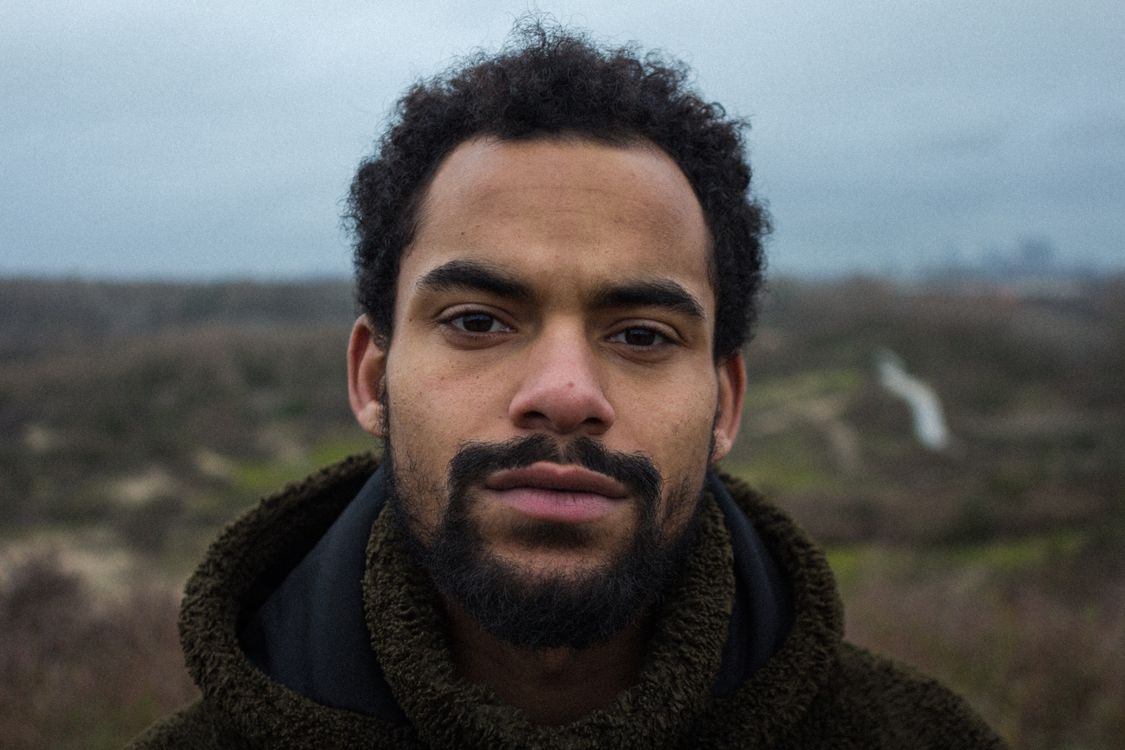
Winter (December–February). Two different winters happen at once. December is the corporate trough — offices empty, budgets closing — except for actors, for whom mid-December is the deadline to have pilot-season materials finished. January is the single sharpest demand spike of the year: new-year professional refreshes, new hires, and pilot season all land together, and good headshot photographers book out. February belongs to the actors still casting and to companies executing January's decisions. For outdoor work, winter is the connoisseur's season and the beginner's surprise: a Northern New Jersey headshot photographer with thirty years in the metro argues that winter produces some of his best outdoor headshots precisely because the low sun stays soft and diffused all day, giving a long working window instead of a fight with harsh overhead light — with bare backgrounds that read clean and minimal. The price of that light is cold subjects and short days; sessions are brief, midday, and planned around warmth.
Spring (March–May). Pilot season runs into spring, and the corporate calendar adds graduations and conference preparation. Outdoors, spring is the underrated slot: fresh green backgrounds, even and forgiving light before the sun reaches its summer angle, and — the practical advantage photographers themselves point out — availability. Fall books out entirely by September in many markets; spring rarely does. If you want a weekend golden-hour session without booking a season ahead, spring is where it lives. The trade is weather volatility: spring rain is the reschedule clause's busiest season.
Summer (June–August). Corporate demand softens as offices empty — which makes summer the strategic season for a small business that can assemble its team: photographers have room, scheduling is flexible, and a headshot day competes with nobody's conference. Individual and portfolio work outdoors gets long evenings and lush backgrounds, and two enemies: harsh midday sun that drives every session toward shade or the edges of the day, and heat and humidity, which show on camera — in Las Vegas, where summer temperatures reach 110°F, outdoor portrait work moves to early morning or indoors entirely. Summer is also when next year's seniors and the fall's job-seekers quietly book, ahead of the rush they can see coming.
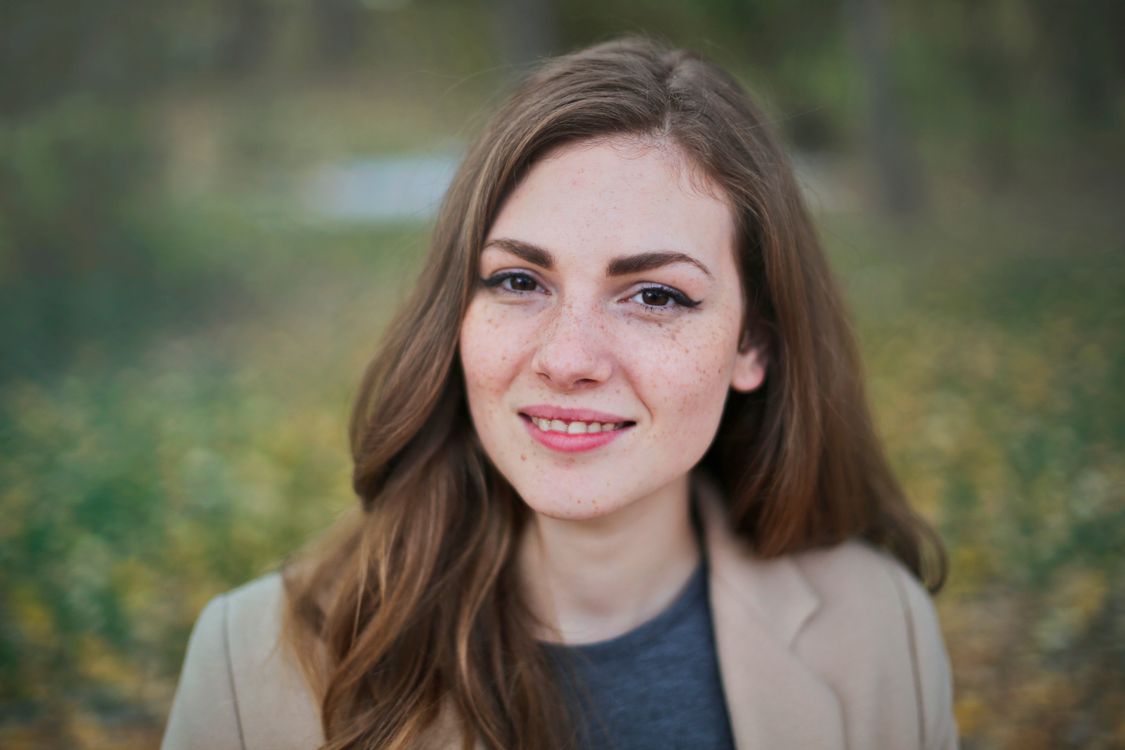
Fall (September–November). The second corporate peak and the photographer's high season arrive together. Companies staff up and refresh team pages; actors execute the fourth-quarter playbook — Casting Networks calls Q4 the setup season, when headshots, reels and résumés get rebuilt for January; and outdoors, fall offers the look everyone pictures: warm, rich tones that one New Jersey photographer notes suit law, finance and executive positioning particularly well. It is the best-looking and worst-available season of the year. Golden-hour slots go first, editing queues lengthen, and the client who books fall photographs in fall is choosing from what is left. Book fall in late summer, or accept spring.
The year at a glance
Compressed, the planning calendar looks like this. Treat it as the demand map, not a price list — the rates in the table above are the published ones; what moves across these months is how much choice, speed and photographer attention the same money commands.
| Months | What's happening | Booking posture |
|---|---|---|
| January–February | Pilot season opens; corporate new-year refresh and new hires peak together | Booked in the prior quarter, ideally; expect the year's longest waits |
| March–April | Pilot season's tail; spring conferences; graduation season approaches | Book 4–6 weeks out; spring outdoor availability is still genuinely open |
| May–June | Graduations, conference season, early-summer team days | Good availability; outdoor sessions lengthen into the evenings |
| July–August | Corporate trough; heat rules outdoor work in much of the country | The strategic window: flexible scheduling, photographers with room, if you can assemble your people |
| September–October | Fall corporate peak; actors begin the Q4 refresh; fall color outdoors | Book in late summer; golden-hour and weekend slots go first |
| November–December | Actors finish materials by mid-December; corporate demand falls off a cliff after mid-month | Actor bookings are deadline work; corporate bookings are the year's easiest to place late |
One row deserves emphasis because it inverts most people's instinct: the easiest month to place a corporate booking — late December, when photographers' calendars empty — is nearly the hardest month to use one, because a headshot day needs a room full of employees and December offices are empty. Seasonal planning is mostly the discipline of noticing which side of that trade your project sits on before the calendar decides for you.
When to book, when to wait: the planner's version
- Actors: refresh in October–November, finished by mid-December. January bookings compete with pilot season itself. Refresh again whenever your look changes materially, and at least every 12–18 months; children, roughly every six months.
- Small businesses and teams: book the headshot day for January or September if you need the whole company; book it for summer if you can assemble people then and want the photographer's full attention and flexibility. Cross the per-person/day-rate break-even deliberately — at one published rate card it sits at exactly eight people.
- Individual professionals: your deadline is rarely the calendar's. A job search, a book launch, a speaking season, a promotion — book four to six weeks ahead of the use, not the session, so retouching and selection happen without a rush fee or a priority tier doing the work that a calendar should have.
- Outdoor and personal-brand portfolios: choose the season for the look, then book a season ahead for fall, a few weeks ahead for spring, and opportunistically in winter if you can dress for it — winter light is the year's most underpriced asset.
- Everyone: ask about delivery time at booking, for that month. The honest answer in a peak week is different from the website's standard, and the difference is where timing turns into money.
This site's directory lists 177 headshot and portfolio photographers, and the seasonal logic above is how to work a shortlist from it: find the specialists in your market, then time the approach. The photograph will look the same whenever you take it. Everything around the photograph — the wait, the queue, the choice of photographers, the delivery date — is seasonal. Buy the season, not just the session.
Sources
- Casting Networks, "The Q4 Actor Playbook" and "Pilot Season 2026 Tips" — Q4 as the setup season; materials refreshed by mid-December; pilot season traditionally January–April, now stretched by streaming; preparation in November–December determines January readiness. https://www.castingnetworks.com/news/the-q4-actor-playbook-close-the-year-strong/ and https://www.castingnetworks.com/news/pilot-season-2026-tips-tv-audition-how-to-guide/
- The Playground (Los Angeles), "Pilot Season Prep: What LA Families Start in October" — the October-to-January preparation timeline, headshot refresh in October, core pilot casting January–March. https://theplayground.com/pilot-season-prep-what-la-families-start-in-october/
- Argento Headshots (Hollywood), FAQ — update headshots before pilot season if they are more than 12–18 months old or your look has changed; most agents recommend refreshing annually. https://www.argentoheadshots.com/headshots-hollywood
- Chele Jones Photography, "Commercial Acting Headshots & Pilot Season" — pilot season traditionally late January through April; child and teen headshots updated about every six months, adults every one to two years. https://www.chelejones.com/blog/getting-the-right-headshots-for-your-acting-career?v=2
- Jack Robert Photo (Greenville, SC), services and prices — individual headshots $650 / $1,250 / $2,500 with 3–5 business day delivery (72-hour priority at the portfolio tier); team packages $1,500–$6,500; Team Studio Day $5,500 for up to 30 people plus $90 each additional; event headshot booth from $7,500 per half day. https://www.jackrobertphoto.com/services
- GKPhoto (Apex, NC), "Team Headshot Day: How to Plan and Price It" — $150 per person, $1,200 half day, $2,200 full day; per-person and half-day pricing equal at eight people. https://www.gkeyphoto.com/blog/team-headshot-day-planning-guide/
- Elite Headshots (Chicago), team headshots — about $40–$85 per person at roughly five minutes each (about 12 people per hour); a 45-person team in about four hours at $3,550; full day capped at $6,000. https://eliteheadshots.io/team-headshots/
- Alex Kaplan Photo (Northern NJ), "Outdoor Headshots: Why They Work All Year" — winter's low sun stays soft and diffused all day, giving a longer working window; fall's warm tones suit law, finance and executive work; summer sun forces shade or golden-hour timing. https://alexkaplanphoto.com/outdoor-headshots-northern-nj/
- South Shore Photography (MA), "Best Season for Outdoor Portraits" — spring's soft light, fresh backgrounds and open availability versus fall, which books out entirely by September; summer golden hour around 7:00–8:30 p.m. https://www.southshorephotography.com/blog/choosing-right-season-outdoor-portraits-south-shore/
- Joseph Blake Photography (Las Vegas), "Studio vs. Outdoor Portraits" — summer temperatures to 110°F push outdoor sessions to early morning; spring and fall (March–May, September–November) are the mild outdoor seasons. https://www.jblake.photo/blog/studio-vs-outdoor-portraits-las-vegas
Photos: portrait in a winter landscape — photo by Thyrone Paas, https://www.pexels.com/photo/portrait-photo-of-man-1722198/ ; portrait in a fall park — photo by Andrea Piacquadio, https://www.pexels.com/photo/woman-wearing-coat-762020/
More guides
- How to Find a Wedding Photographer: The Complete, Honest GuidePhotographers › Wedding Photographers
- How Much Does a Wedding Photographer Cost? Packages DecodedPhotographers › Wedding Photographers
- 10 Questions to Ask a Wedding Photographer Before You BookPhotographers › Wedding Photographers
- Wedding Photography Styles Explained: Documentary, Editorial, Traditional, Fine ArtPhotographers › Wedding Photographers
- Hiring a Wedding Photographer in California: Venue Light, Permits, and Price LevelsPhotographers › Wedding Photographers
- All Guides & ArticlesBrowse the full guides library