Photographers › Headshot & Portfolio Photographers
Headshot and Portfolio Photography Emergencies: What to Do in the First 24 Hours
Headshot emergencies have a signature sound: a deadline that was comfortably next month has become Friday. A casting submission closes tomorrow. A new employer's directory page goes live Monday and your photograph is a cropped wedding picture. Or the emergency is not the deadline but the supply: your photographer has cancelled, gone silent, delivered files you cannot use, or — the one that still makes studio managers wince — lost the session entirely. I managed a portrait studio, and I can tell you these days are survivable, almost always, provided the first 24 hours are spent in the right order. Panic spends them in the wrong one: booking the first photographer who answers, before establishing what you actually need, what you already have, and what the original booking entitles you to.
So here is the playbook, in the order a studio would run it for you. The first hours are triage. The middle hours are the search. The last hours are paperwork — because an emergency handled without a paper trail becomes a second emergency when you try to recover your deposit.
Hour 0–1: Define the deadline like a professional would
Before calling anyone, answer four questions in writing, because every photographer you contact will ask them and your answers set the price.
What exactly is due, and when — really? "Friday" can mean a file uploaded by 5 p.m., a print in a programme, or a casting director opening submissions sometime next week. Find the hard edge: the submission portal's closing time, the employer's start date, the printer's deadline. People routinely discover two extra days they did not know they had, and two days is the difference between a standard booking and a rush fee.
What specification? Casting, corporate and press uses each want different things: file format and size, colour or black-and-white, aspect ratio and cropping, background requirements, and for actors, the industry-standard 8×10 print format and the casting platform's upload spec. Get it from the source — the casting notice, the employer's brand guidelines, the conference organiser — not from memory. A replacement session shot to the wrong spec is a second emergency with better lighting.
How many images, of what? An emergency almost never needs the full portfolio session you originally booked. It needs one compliant headshot, perhaps two looks. Saying so shrinks the job from a half-day production to a 20–30 minute studio slot — the kind of slot that actually exists at short notice. One Detroit studio's published model makes the point: an in-studio headshot session with same-day proofs, most clients out the door inside 20 minutes, finished files within two days of your picks. That is the shape of an emergency booking.
What do you already have? Search before you shoot. A previous session's gallery, an event photographer's corporate set from last year's conference, even a well-lit recent photograph from another professional context may contain a usable image — or be upscalable, croppable or re-retouchable into compliance for a fraction of a new session's cost. Photographers will often re-deliver or re-edit an old file quickly and cheaply. Exhaust the archive first; it is the fastest inventory there is.
Hour 1–3: Work the original booking before replacing it
If the emergency is a cancellation or silence, the original contract is your first asset, not a sunk cost.
If the photographer cancelled, get it in writing if it arrived by phone: the date, the reason, and what happens to the money you paid. Then find the substitution clause. Many professional contracts allow or require the photographer to arrange a qualified substitute when they cannot perform — and their bench is your fastest replacement, because the substitute already knows the date, the brief and what was promised. Ask directly: "Who are you sending?" If illness is the reason, a prepared professional follows exactly this pattern; hold the conversation to that standard.
If the photographer has gone silent, that is a different problem from cancellation, and the first moves are about contact and evidence, not replacement. Work every channel in a short, documented burst: text and email with a clear urgent subject line naming the deadline, the business phone, a message through their social or booking platform. Check whether their business presence is still live. If there is zero response within about two hours and your deadline is inside 72 hours, escalate — start the replacement search in parallel while keeping the contact attempts logged. Wedding-industry guidance on ghosted photographers uses the same thresholds, and adds a point worth borrowing: if you hold any vendor-failure insurance, carriers typically require notification quickly — within about 72 hours is a commonly cited window — so check any policy the same day, not after the deadline passes.
In both cases, start the evidence file now, while it is effortless: screenshots of messages and call logs, the contract, payment receipts, the original brief. Six hours from now you will be busy being photographed; the file builds itself only if you start it first.
Hour 3–8: The replacement search, run like a studio runs it
Studios fill emergency slots from a bench. You are going to build a temporary one, in this order, because the order is sorted by speed.
Call studios, not just solo photographers. A studio with several photographers on staff has someone whose diary has a gap; a solo operator either has your slot or does not. Studios also run the systems emergencies need — same-day proofing, in-house retouching, published rush options. Tell them, in the first sentence, the four answers from hour one: deadline, spec, number of images, looks. "I need one retouched corporate headshot, file by Thursday 5 p.m., I can come to you any time you name" gets a diary checked. "How much is a photoshoot?" gets a brochure.
Ask about rush delivery as a priced product, because it is one. Published examples show the going structure: one Boston studio delivers retouched images in 3–5 business days standard, charges +$100 for 24–48 hour rush and +$200 for same-day; an Austin studio turns retouched files around within 48 hours of selection as standard, with rush available; an Orange County studio builds its whole offer on a same-day selection gallery with retouched downloads the next business day. Expect to pay for speed, budget for it, and get the delivery time in writing with the file spec attached — "rush" that means proofs, not finished files, is a misunderstanding waiting at hour 23.
Use your network's benches. Whoever booked photographers before you — an agent, an employer's comms team, a conference organiser, the venue, other vendors on the same project — keeps a mental list of reliable local photographers. One message to each, with the date and the need, outperforms an evening of cold searching. Local photography and casting groups online work the same way, and the posts that get answered share a shape: short, dated, specific, priced. "Emergency: need a headshot photographer, [city], session tomorrow or Thursday, file needed Friday, budget $X" is a post a professional can say yes to in one reply.
Price the emergency honestly. Standard professional headshots in current published pricing run roughly $199 for a single retouched image in one Detroit studio, $295–$595 for sessions in Austin, $350–$700 for the standard professional tier in Boston, with sessions in Orange County from $400. An emergency booking at a good studio usually lands inside those bands plus a rush fee — not at panic prices. If a quote is wildly above the band, ask what it includes before assuming gouging; if it is wildly below, ask who is actually photographing you and when the finished file — not the proof — arrives.
Hour 8–24: Shoot, select, and close the loop
Prepare like the slot is short, because it is. Arrive with the spec printed, two wardrobe options that photograph cleanly (solid colours, no fine patterns that moiré, the jacket that fits now), and hair and makeup as close to your everyday professional presentation as you can manage. Emergency sessions fail on logistics more than talent: the wrong shirt, the forgotten brand guideline, the selection left unmade.
Select on the day if you possibly can. The retouching clock starts at selection, not at the session. Studios that proof same-day or review live on a calibrated monitor exist precisely so the choice happens while you are in the room. Make it. Sleeping on proofs is a luxury of the non-emergency booking, and a second round of retouching after you have slept on them is, as one studio notes, something to schedule explicitly if you want it.
Confirm delivery in writing before you leave: which files, which crops (ask for the platform-specific crop — a LinkedIn square, a casting 8×10 — alongside the full-resolution file), what format, and the exact delivery time. Then do the unglamorous final hour's work: update the evidence file, confirm in writing what the original photographer owes you and by when, notify any insurer inside their window, and send the deadline-holder a short note — file coming, by when, to what spec. Deadlines forgive people who communicate early; they do not forgive silence, which is, when you think about it, how this day started.
The prevention paragraph, for next time
Every element of this playbook gets easier if it exists before the emergency: a current headshot on file and refreshed before it is stale, the original photographer's contract read at booking (substitution clause located, delivery times known), your files — including the full-resolution versions and the print release — in your own storage rather than only in a photographer's expiring gallery, and one studio relationship warm. This site lists 177 headshot and portfolio photographers and 375 portrait studios; the time to learn which of them does same-day proofing and published rush delivery is a quiet afternoon, not hour three of the emergency. But if it is hour three: define, document, call a studio, pay the rush fee without resentment, select on the day — and the photograph will be the least dramatic thing about your week.
Sources
- Photography Shark, Boston headshot guide — standard professional tier $350–$700; delivery in 3–5 business days, 24–48 hour rush +$100, same-day +$200, https://www.photographyshark.com/boston-headshot-photographers/
- Detroit Photography, FAQ — in-studio headshot $199 for one retouched image; same-day proofs; most clients out within 20 minutes; finished files within two days of picks, https://www.detroitphotography.com/detroit-photography-faq
- ATX Headshots, FAQ — sessions $295/$395/$595; retouched files within 48 hours for most sessions; additional images $125 each, https://www.atxheadshots.co/faq
- Aaron Alvarez Photography, Orange County headshots — sessions from $400; same-day selection gallery; retouched downloads next business day, https://aaronalvarez.com/headshot-photographer-orange-county
- Cover My Shoot, "My Wedding Photographer Cancelled — Now What?" — cancellation in writing, substitution clause, replacement search in parallel, https://covermyshoot.com/hub/my-wedding-photographer-cancelled-now-what
- WeddingInsurances.com, "Photographer Ghosted? 24-Hour Action Plan" — two-hour escalation threshold, documentation checklist, vendor-failure notification typically within 72 hours, https://www.weddinginsurances.com/blog/what-to-do-if-wedding-photographer-ghosts-you
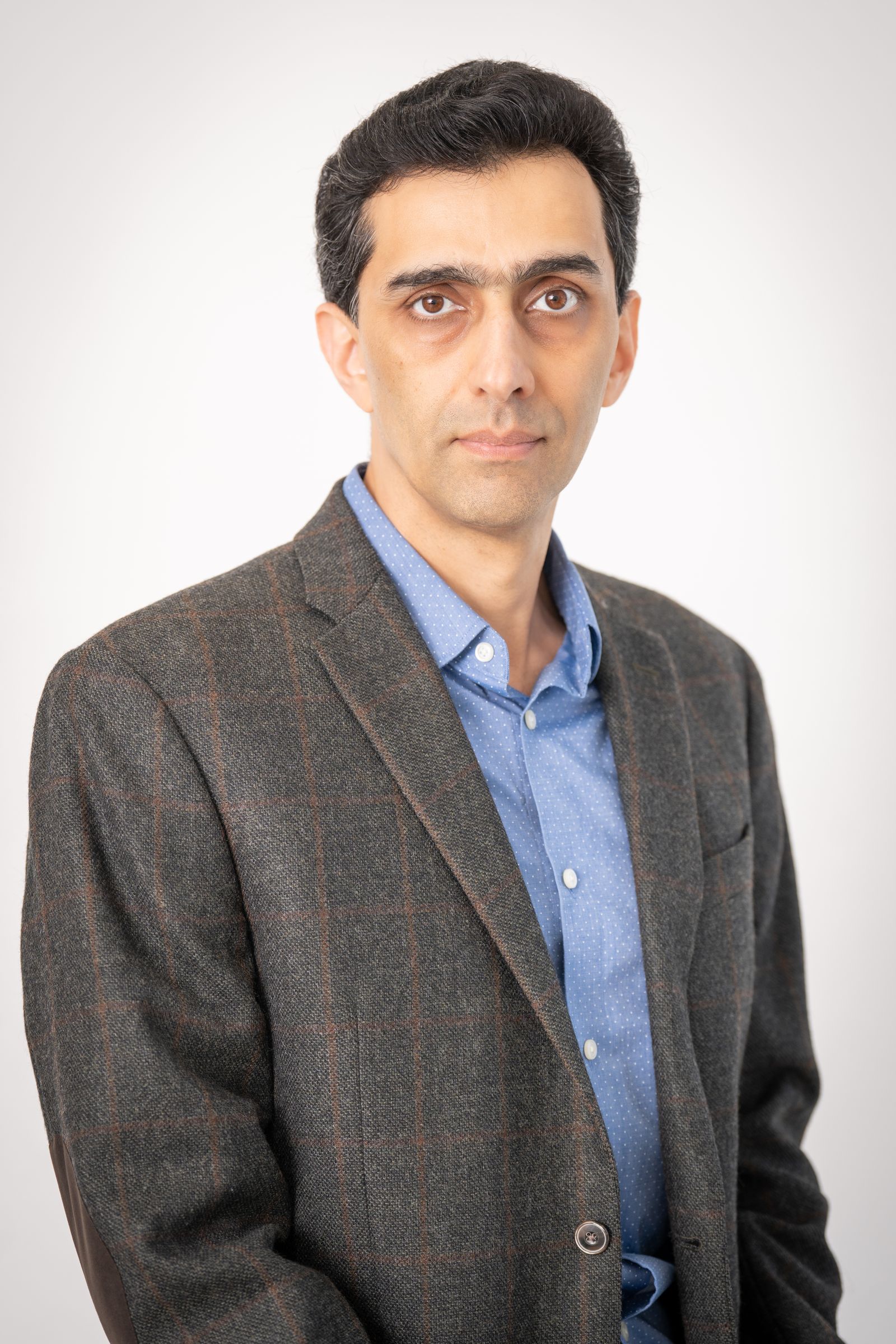
- Headshot of a man in formal attire — photo by Sam Agdasi, https://www.pexels.com/photo/professional-portrait-of-a-businessman-in-studio-39974547/
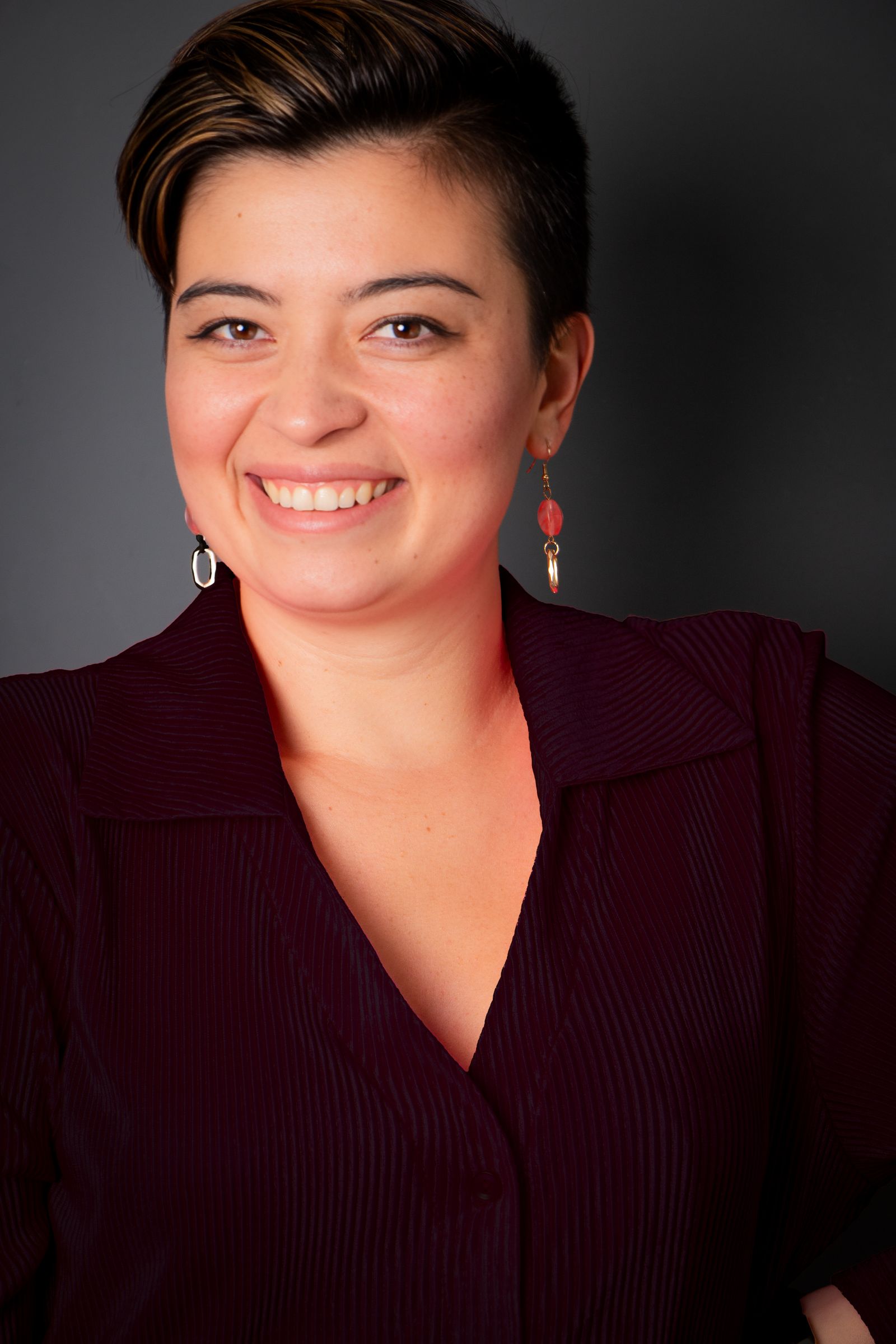
- Headshot of a woman in formal attire — photo by Tony Zohari, https://www.pexels.com/photo/professional-portrait-of-smiling-woman-in-studio-38197025/
More guides
- How to Find a Wedding Photographer: The Complete, Honest GuidePhotographers › Wedding Photographers
- How Much Does a Wedding Photographer Cost? Packages DecodedPhotographers › Wedding Photographers
- 10 Questions to Ask a Wedding Photographer Before You BookPhotographers › Wedding Photographers
- Wedding Photography Styles Explained: Documentary, Editorial, Traditional, Fine ArtPhotographers › Wedding Photographers
- Hiring a Wedding Photographer in California: Venue Light, Permits, and Price LevelsPhotographers › Wedding Photographers
- All Guides & ArticlesBrowse the full guides library