Photographers › Portrait Photographers
Headshots That Work: Choosing a Photographer for Professional Portraits
A headshot is the smallest photograph you will ever commission and the one that works the longest hours. It sits beside your name in search results, in conference programs, on the team page a client checks before the first call, and in the inbox preview of every cold email you send. It is judged before anything you have written is read — the research on that is not vague. Princeton psychologists Janine Willis and Alexander Todorov showed in 2006 that viewers form impressions of a face — trustworthiness, competence, likeability — after seeing it for a tenth of a second, and that those snap judgements correlate strongly with the judgements made at leisure. You do not get a second, slower hearing. You get a better photograph, chosen well, or you get the one you have.
This guide is for professionals updating their headshots: what "credible" actually looks like in different industries, what the session should cost, how retouching should be handled (and where it should stop), and how to pick the photographer — and then the final frame — without fooling yourself.
Credible is industry-specific, and your photographer should know it
There is no universal professional headshot. There is a photograph that reads as credible to the people in your industry, and photographs that read as imported from someone else's.
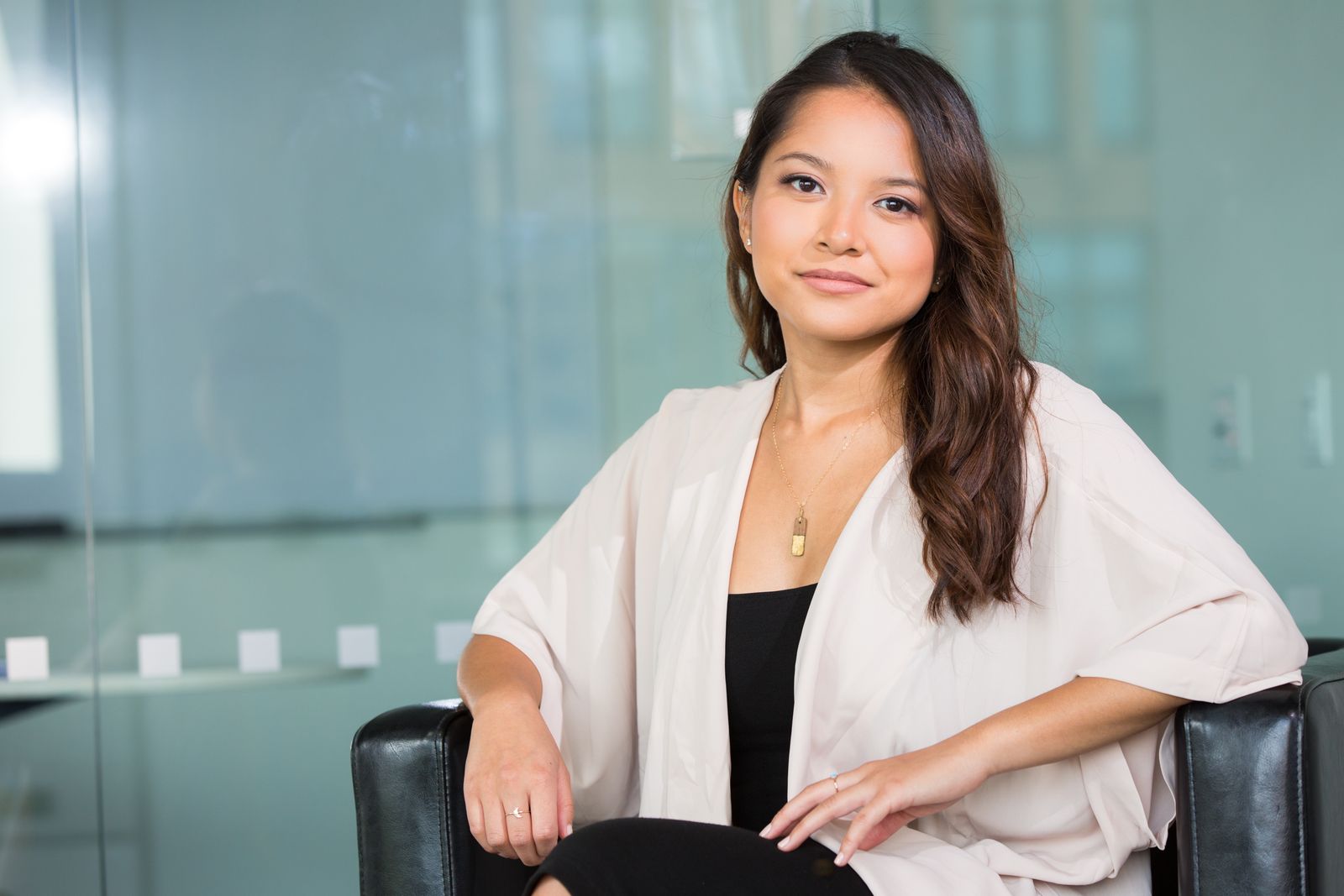
In law, finance, medicine, and consulting, the buyer is purchasing judgement under risk, and the visual dialect is conservative for a reason: formal dress, a controlled background, direct eye contact, and an expression that is pleasant without performing enthusiasm. PhotoFeeler's analysis of more than 60,000 ratings across 800 business profile photos found that formal dress produced the largest gains in perceived competence and influence of any variable tested. In these fields, that finding is the whole brief. A creative, environmental portrait can work for a senior partner with an established name; for everyone else, it spends credibility to buy personality the client did not ask for.
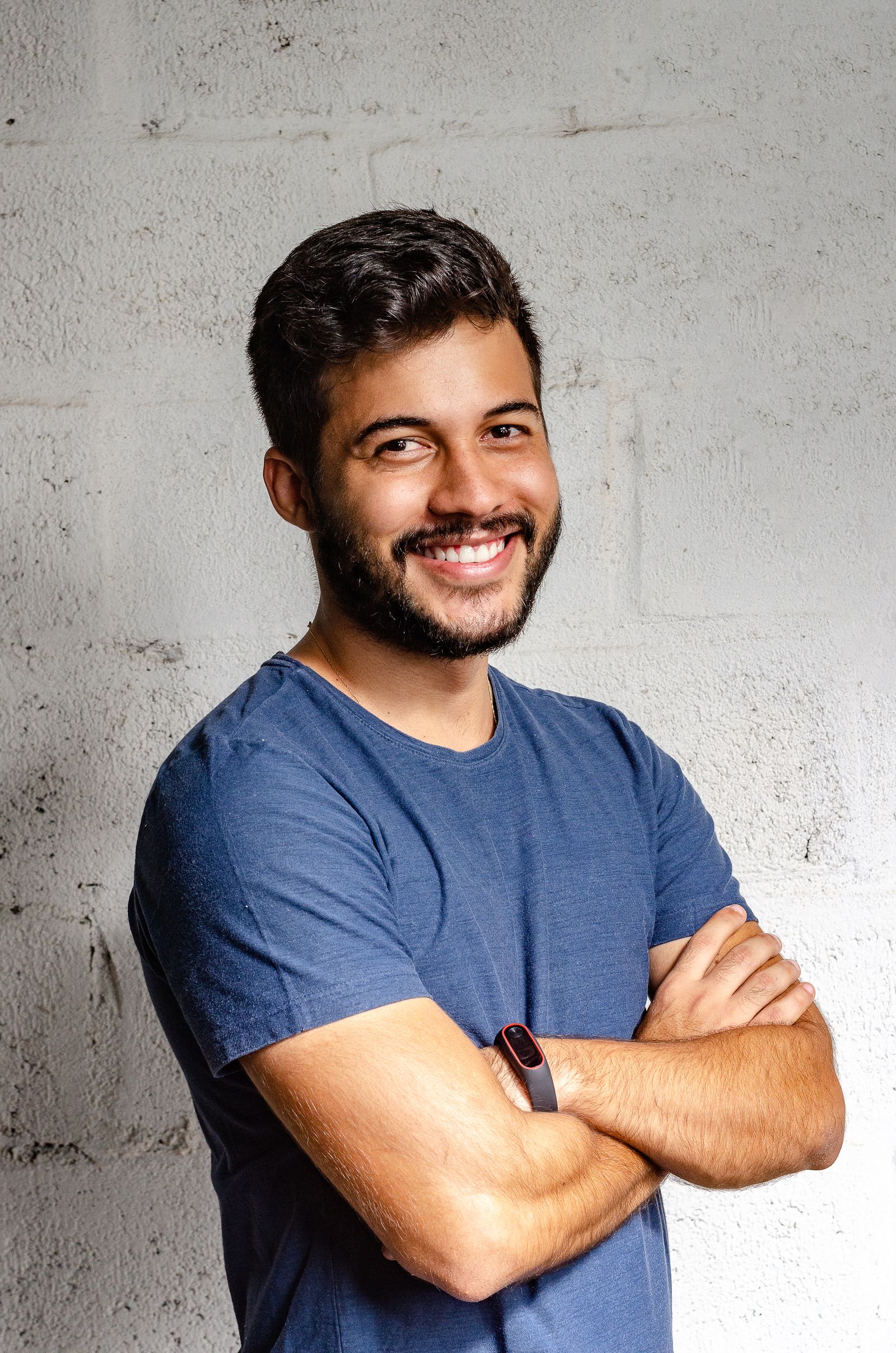
In technology, startups, and media, the dialect loosens: business-casual dress, natural light, real workplaces as backgrounds, and more visible personality. The risk flips. A stiff, suited studio portrait in a hoodie industry reads as costume — the photograph of someone performing seriousness rather than having it. Match the dress code of the room you want to be hired into, photographed one notch more deliberately.
For actors and presenters, the headshot is a casting document, not a portrait: it must look like the person who will walk into the room, in neutral light, with the range shown across a small set of images rather than in one heroic frame. Actor headshots are their own specialty market, commonly $200–$400, and a corporate photographer is not automatically good at them.
For speakers, authors, and founders, the headshot does double duty as a publicity photograph. You need horizontal as well as vertical crops, space around the subject for program layouts, and a license that covers press use. Say so before the session; it changes how the photographer frames.
The test for all of it is the same: show the photograph to someone in your industry who does not know you, for two seconds, and ask what job they think you do and whether they would take your call. A good photographer builds the session backward from that answer.
What the research says about the frame itself
Strip away taste and a few findings survive every retelling. LinkedIn reports that profiles with a photo are far more likely to be viewed — its long-standing figure is fourteen times — and its own framing guidance is the most useful single instruction in this field: your face should fill about 60 percent of the frame. Most amateur headshots fail exactly there, with a full-length or wide shot shrunk into a circular thumbnail until the face is a rumor.
PhotoFeeler's ratings add the expression data. A smile showing teeth was the largest single positive effect measured, raising likeability substantially with modest gains in competence; a laughing smile pushed likeability higher still but cost perceived competence — the right trade for a coach, the wrong one for a litigator. A slight squint — photographers call it a squinch — scored small gains across competence and influence, mostly by removing the startled look of wide eyes. Eyes obstructed by sunglasses, hair, glare, or shadow lost points on every dimension. And background color, the thing clients deliberate over longest, showed no statistically significant effect at all. Choose the gray, the white, or the office wall on practical grounds and spend your deliberation on expression and dress, where the measured effects actually live.
One more research finding should govern the last step of the process. In a 2017 study, psychologists David White, Clare Sutherland, and Amy Burton found that strangers choosing profile photographs for other people picked better ones than the subjects picked for themselves — the strangers' selections made stronger first impressions on fresh viewers. You are, measurably, the worst judge of your own headshot, because you see the face you know rather than the photograph a stranger sees. Build an outside check into the process: shortlist with the photographer, then let two or three people who will tell you the truth pick between the finalists.
What it costs, and what the price is actually buying
Published 2026 pricing puts a standard individual session — thirty to sixty minutes, one to three looks, two to five retouched finals — in a wide national band. Thumbtack's January 2025 data puts the United States average at $304, with most clients paying $216–$427. A multi-city survey of published studio rates found a median around $250, running from roughly $150 in lower-cost metros to $450–$900 or more in New York. One detailed 2026 guide summarizes the structure plainly: most professional headshots cost $100–$1,000, with a median of about $250 for a studio session, and add-ons raising the final bill by 40 to 60 percent.
| What you're buying | Typical price | Notes |
|---|---|---|
| Standard individual session | $200–$400 | 30–60 minutes, 2–3 edited images in most published 2026 rates |
| Executive / high-touch session | $500–$1,000+ | Direction and coaching, wardrobe guidance, hand retouching, press-ready files |
| Team headshots, on site | $75–$275 per person | Per-person rate falls as headcount rises; half days roughly $1,500–$3,500, full days $3,000–$6,000 |
| Additional retouched image | $25–$75 (advanced work) | Basic cleanup is usually included; know the per-image price before the shoot |
| Hair and makeup | $75–$200 | Worth it more often than clients expect; camera light is not bathroom light |
| Rush delivery | $50–$150 | Ask before you need it |
Read quotes by their structure, not their headline. The two common models are a session fee with retouched images included, and a lower session fee with each finished image billed separately — at better studios, $100–$200 per hand-retouched file is a real price, reflecting thirty to ninety minutes of skilled work per image. Neither model is a trick. The trick, when there is one, is a cheap session whose per-image prices you learn about afterward. Ask three questions of every quote: how many finished images are included, what does one more cost, and what usage is licensed — personal and company use is standard, while paid advertising use may be priced separately.
Retouching: the honest middle
Retouching is where headshots go wrong in both directions, and the angle of this guide deserves stating plainly: the goal is you on a good day, not a plausible relative of you.
What should be done, routinely: removing temporary blemishes and stray hairs, softening under-eye shadows, evening skin tone while keeping its texture, taming glare on glasses, whitening teeth by a shade rather than to appliance white, and cleaning up a distracting background. This is basic retouching, it is included in most professional sessions, and it is the photographic equivalent of good lighting — it removes noise between the viewer and the person.
What should be negotiated, not assumed: reshaping a jawline or body, erasing permanent features — moles, scars, the lines that carry expression — smoothing skin until texture disappears, and slimming. Some of this is advanced retouching, billed per image at $25–$75 on top of basic work. All of it carries the same risk: the photograph stops matching the person who arrives at the meeting, and the mismatch, not the wrinkle, is what damages trust. The rule a good photographer will offer unprompted, and the one to insist on if they do not: if a client who met you last month would not recognize the retouch as editing, it is right; if they would, it has gone too far.
What to ask before the session: who retouches (the photographer, or an outside service), whether you will see proofs before retouching begins, how many revision rounds are included, and whether unretouched files are available. And a modern question that now belongs in every first conversation: whether any part of the workflow is AI-generated or AI-altered beyond cleanup, and if so, where. The distinction matters because an AI-generated headshot — built from selfies by a service costing $29–$79 — is a different product from a photograph. A 2024 Ringover survey of more than 1,000 recruiters found they identified AI headshots correctly only about 40 percent of the time in blind tests, and often preferred them; but 66 percent said they would be put off on learning a headshot was AI-generated. A photographer records what you look like and coaches the expression in the room. That likeness — the person who shows up matching the photograph — is what you are paying for.
Choosing the photographer
Headshots are a specialty, and the directory is deep — this site lists 672 portrait photographers and 177 headshot and portfolio specialists among its categories — so filter on evidence, in this order:
- A gallery of people like you. Not models: professionals in your industry, your age range, photographed in the style you need. A photographer whose book is all actors will light you like an actor.
- Consistency across faces. Anyone can show one great frame. Look for twenty headshots in a row that are all competent — same care with different faces, skin tones, glasses, and hair. That consistency is the product a team buyer is purchasing, and the thing an individual is borrowing.
- Direction. Most clients are not comfortable in front of a camera, and the difference between studios is largely whether the photographer can direct an expression out of an uncomfortable person in fifteen minutes. Read reviews for the words "put me at ease" and "directed" — they are describing the core skill.
- The deliverables, in writing. Final image count, file sizes and crops (including a square, thumbnail-legible crop), turnaround, archive policy, and the retouching terms above.
Keeping it current
A headshot expires when it stops looking like the person who walks into the room. The common professional practice is a refresh every two to three years — sooner for executives, speakers, and client-facing roles, and immediately on a visible change: different hair, new glasses, a beard gained or lost, a role change the photograph should announce. Companies have the harder version of the problem: a team page assembled over years of individual sessions drifts into a collage of backgrounds and crops. The working fixes are a single team session that resets everyone to one standard, then a recurring catch-up day — quarterly or twice a year — so new hires are photographed into the set instead of beside it.
Do those things — brief for your industry, frame for the thumbnail, retouch to the honest middle, let other eyes pick the final frame, and refresh it before it becomes a historical document — and the smallest photograph you own will do the largest job in your professional life: making a stranger's tenth-of-a-second judgement the right one.
Sources
- Willis, J. and Todorov, A., "First impressions: making up your mind after a 100-ms exposure to a face," Psychological Science (2006) — summarized at https://linkedinrank.com/blogs/profile-photo-first-impressions
- PhotoFeeler, analysis of 60,000+ ratings across 800 business profile photos — summarized at https://www.yesware.com/blog/best-photo-linkedin/
- White, D., Sutherland, C. and Burton, A. (2017) — strangers choose better profile photographs than subjects choose for themselves, summarized at https://linkedinrank.com/blogs/profile-photo-first-impressions
- LinkedIn profile photo guidance — face filling about 60 percent of the frame; profiles with photos more likely to be viewed, at https://www.innernote.space/blog/linkedin-profile-photo
- Idea Stream Marketing, Corporate Headshot Cost: 2026 Pricing Guide — $100–$1,000 range, ~$250 median, add-on and team rates, at https://ideastreammarketing.com/corporate-headshot-cost/
- Leap, How Much Do Headshots Cost in 2026? — Thumbtack January 2025 average of $304 and multi-city published rates, at https://www.tryleap.ai/headshot-pricing
- TheCamera.School, Headshot Photography Pricing 2026 — standard session, team day, and retouching tier ranges, at https://thecamera.school/learn/hubs/business/headshot-photography-pricing
- Ringover (2024), recruiter survey on AI-generated headshots — summarized at https://www.headshotphoto.io/blogs/can-employers-tell-ai-headshot
- Big Wave, How Often Should You Update Corporate Headshots? — two-to-three-year refresh practice and catch-up sessions, at https://meetbigwave.com/blog/how-often-to-update-corporate-headshots
- Photographs: photo by Italo Melo, https://images.pexels.com/photos/2379004/pexels-photo-2379004.jpeg ; photo by Mike Ngo Photography, https://images.pexels.com/photos/1181690/pexels-photo-1181690.jpeg
More guides
- How to Find a Wedding Photographer: The Complete, Honest GuidePhotographers › Wedding Photographers
- How Much Does a Wedding Photographer Cost? Packages DecodedPhotographers › Wedding Photographers
- 10 Questions to Ask a Wedding Photographer Before You BookPhotographers › Wedding Photographers
- Wedding Photography Styles Explained: Documentary, Editorial, Traditional, Fine ArtPhotographers › Wedding Photographers
- Hiring a Wedding Photographer in California: Venue Light, Permits, and Price LevelsPhotographers › Wedding Photographers
- All Guides & ArticlesBrowse the full guides library