Photographers › Photographers Commercial & Industrial
Hiring a Commercial Photographer in California: LA Production Costs and Usage Norms
The first estimate for a commercial shoot in Los Angeles rarely shocks a California business because the photographer's fee is high. It shocks them because of everything around it: a permit application, a location fee, a producer, two assistants, a digital tech, casting, usage — lines that were never in the headshot quote they got last year. That is not padding. That is what commercial work is in this state: a small production company assembled for a day, in the most developed advertising market on the West Coast, under permit rules that treat a stills shoot with a product and a crew as filming.
I have sat on the commissioning side of that estimate table. This guide is how to read one in California — what the creative fee actually buys, how usage is priced and why it is not a scam, what Los Angeles locations and permits really cost, and how to hire so the images you pay for are the images you are legally allowed to use.
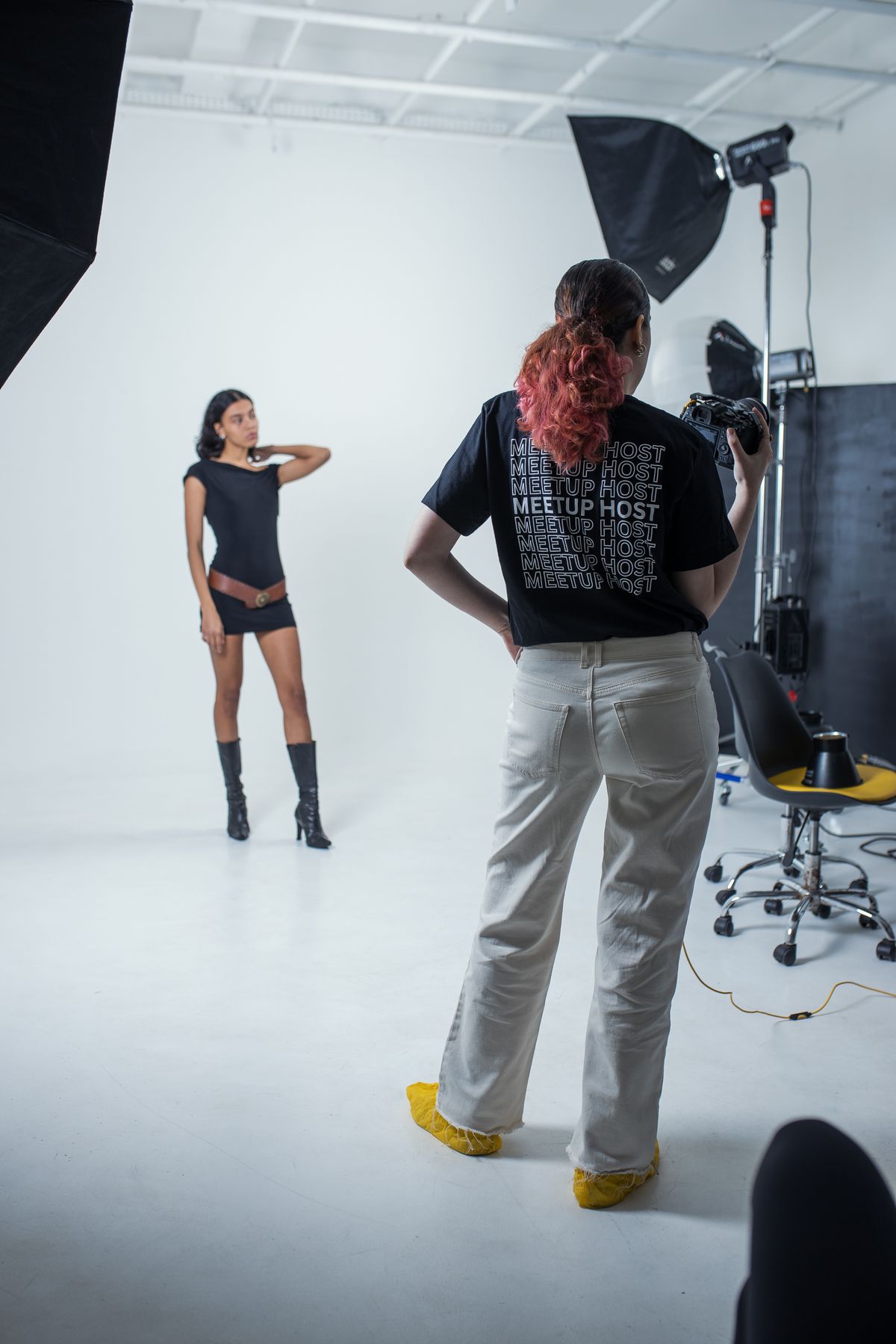
Commercial is a different trade, not a pricier portrait
A commercial photographer is hired to make images that sell something: a campaign, a product launch, a brand's website and paid media for a season or a year. The work is briefed, cast, styled, lit, produced and licensed. It is distinct from corporate event coverage, from headshots, and from editorial work commissioned by a magazine — and the pricing follows the distinction.
The clearest illustration comes from published Los Angeles rates at different levels of the market. A working LA corporate photographer lists edited event coverage at $300 an hour with a two-hour minimum, full days at $2,400 to $3,200, and a 30-minute executive portrait session at $800. That is competent, useful photography — and it is not campaign work. At the campaign end, a Los Angeles commercial beauty photographer describes typical work at $10,000 to $30,000 per day for multi-day shoots combining stills and motion, with the range driven by deliverables, usage and production scale. A California brand photographer working between San Francisco and Los Angeles puts the creative fee alone at $1,500 for small editorial and local work to more than $10,000 a day for a national campaign, noting that a two-hour, natural-light, social-only shoot might total around $1,800 in fees while a full crew day on location sits in the mid four figures before production costs.
None of those numbers contradict each other. They describe different stakes. The question a good photographer asks first — and the one you should answer honestly — is what the images have to do, where they will run, and what it costs the business if they fail.
How an LA estimate is built
Professional estimates in this market are itemised, often built in bidding software such as BlinkBid, and a single all-in number should make you more nervous, not less. Expect these blocks:
Creative fee. The photographer's direction, eye and ability to run a set under pressure. Billed per day, usually on a ten-hour day, with prep days and tech scouts billed as their own lines because they are real days of work. Crew, by contrast, are typically billed at a full ten-hour day whether they are on set for four hours or ten.
Usage, or licensing. Sometimes a separate line, sometimes folded into the creative fee for small jobs. On national work it is often its own four- to five-figure line. This is the section explained in detail below, because it is where California clients most often either overpay through vagueness or under-buy and inherit a problem.
Production. Producer, assistants, digital tech, hair and makeup, wardrobe and food stylists where relevant, casting, studio or location rental, equipment rental, catering, travel and lodging. A Los Angeles brand studio describes most full brand projects landing between $4,500 and $5,500, rising toward $10,000 with a second model, a permitted or rented location, or heavier pre-production — before you reach full campaign production at $10,000 and up for a day with a full crew.
Post-production. Capture and file preparation, selects, retouching per finished image, and delivery in the sizes and crops the media plan needs. Retouching is not one thing: a clean e-commerce finish and a beauty campaign finish are different hours of work, priced differently.
| Type of job | Honest California range | What drives it |
|---|---|---|
| Small brand / social shoot | Around $1,800 in photographer fees; $2,000 and up as a project | One location, light crew, social and web use, limited term |
| Full brand day, Los Angeles | $3,500–$10,000; most projects $4,500–$5,500 | Scouted location, 1–2 models, multiple setups, web/social/ads use |
| National campaign day | $7,500–$10,000+ creative fee per day, plus production and usage | Crew, casting, locations, broad media, longer term |
| High-end beauty / stills + motion | $10,000–$30,000 per day | Multi-day production, specialist team, extensive licensing |
Read an estimate by asking which block each line belongs to. If a quote is dramatically cheaper than the others, one of the blocks is missing — usually usage, usually production, sometimes retouching — and it will reappear later as an extra, a limitation, or an argument.
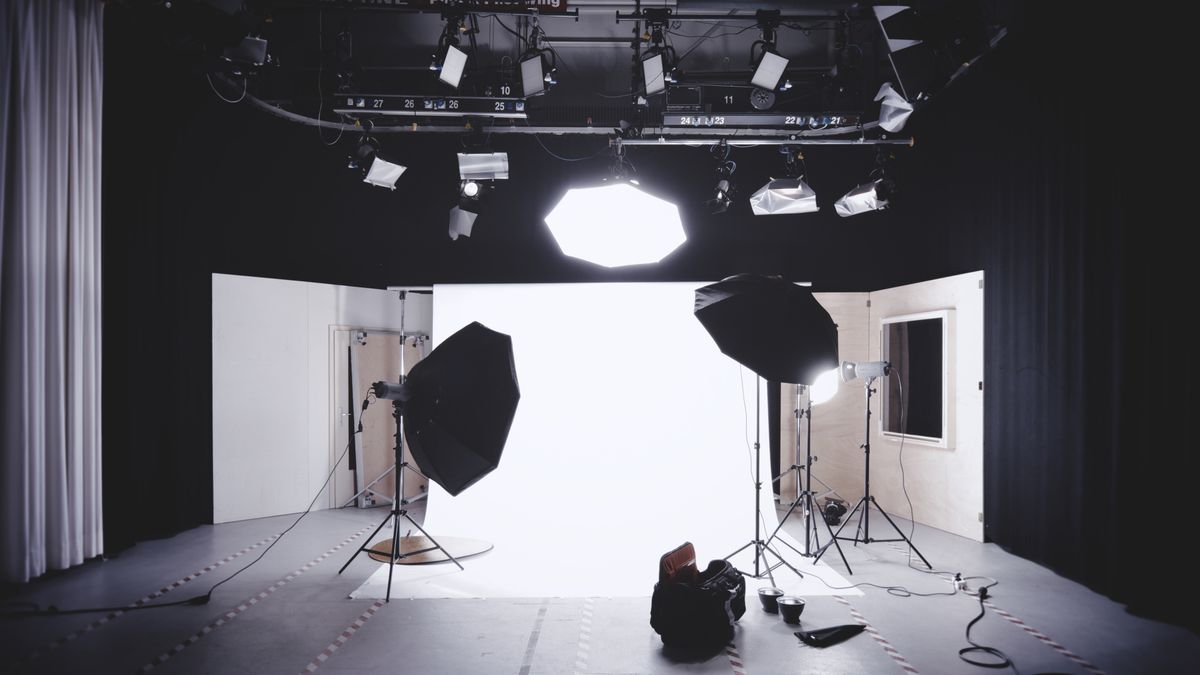
Usage: the norm California clients must understand
In commercial photography you do not buy photographs. You license them. The photographer retains copyright unless a buyout is separately negotiated, and your fee purchases defined rights: which media, which territory, how long, and whether anyone else — a retailer, a distributor, a franchisee — may use the images too.
This is not a Los Angeles invention. It is the long-standing structure documented by the American Society of Media Photographers, whose paperwork examples show estimates separating the photography fee from a distinct usage line — in one published example, $5,000 for unlimited use for unlimited time in North America on a product-label job, listed apart from the $9,000–$10,500 photography fee and the stylists, assistants and capture charges around it. The principle scales in both directions: a family business using images on its own website, email and social channels for a few years is buying a small license; a national campaign across paid digital, print and out-of-home — billboards and transit — is buying a large one, and large-format use prices accordingly.
Practical norms to commission by:
- Name the media before the shoot, not after. Web, organic social, paid social, print, packaging and out-of-home are different rights. Adding paid media to a web-only license afterwards is a new negotiation from a weaker position.
- Name the term. One year is a common starting term for campaign use, with renewal options priced per year so you only buy the time you need. Perpetuity costs more because it is worth more.
- Name the territory. California, the United States, North America and worldwide are different licenses. A regional launch does not need worldwide rights; a brand that will expand does not want to re-license in year two.
- Ask who else may use the images. Retailers, wholesalers, PR agencies and talent all ask for campaign images. Third-party use is normally excluded unless it is written in, and photographers police it because it is the use most often given away by accident.
- Do not ask for the raw files as a substitute for a license. Unedited files are not the product, and handing them over does not transfer rights.
One Los Angeles corporate provider bundles a perpetual, non-exclusive license into every booking while retaining copyright, with buyouts quoted separately. Whichever model you are offered, the test is the same: rights must be written, specific, and wide enough for your actual media plan.
Los Angeles locations and permits: budget the city, not just the shoot
Los Angeles is where California commercial shoots most often meet the permit system, and the city is explicit: under its administrative code, a temporary use permit is required for all on-location filming of a commercial nature, on public and private property, within the city's jurisdiction. FilmLA, which administers permits, draws the stills line clearly on its fee schedule.
A still photography application costs $104 per permit — but a cast and crew of 16 or more requires the motion rate, and the standard motion permit application is $931 for up to five locations over seven consecutive days, with a $232 notification fee on top. A local brand-production guide makes the practical point bluntly: the moment a shoot rolls any video at all — and almost every brand shoot now captures short-form video alongside stills — it is bumped to the motion rate, so budget for the motion rate from the start rather than discovering it in production week.
Timing is the other constraint. FilmLA requires a minimum of three full business days of processing before the first activity date, not counting the day of submission, with a 10 a.m. submission deadline; city parks need at least four business days. Standard filming hours are 7 a.m. to 10 p.m. on weekdays and 9 a.m. to 10 p.m. at weekends. Insurance must be on file with the city and FilmLA before a permit is released.
Beyond the city itself, the map fragments — and a photographer or producer who works here regularly earns part of their fee simply by knowing which fragment you are standing in:
- LA County beaches and parks are permitted separately, with a still shoot for a small crew carrying a per-day beach fee and motion work costing more; drones are not allowed on LA County beaches.
- Santa Monica runs its own film office and its own fees, separate from FilmLA, including for the pier and the beach.
- State beaches and parks — including the Malibu coast locations clients request most — go through California State Parks and the California Film Commission, not FilmLA at all.
- Private locations — houses, warehouses, restaurants, rooftops — are rented commercially through location services and owners, with fees, deposits, site representatives and neighbourhood rules of their own, on top of any city permit.
The production answer is simple: put permits in the estimate as named lines, assign them to a named person — usually the producer or the photographer — and start them before casting is finished, not after. A shoot stopped for want of a $104 stills permit it should have had, or a $931 motion permit it actually needed, is the most avoidable waste in California commercial production.
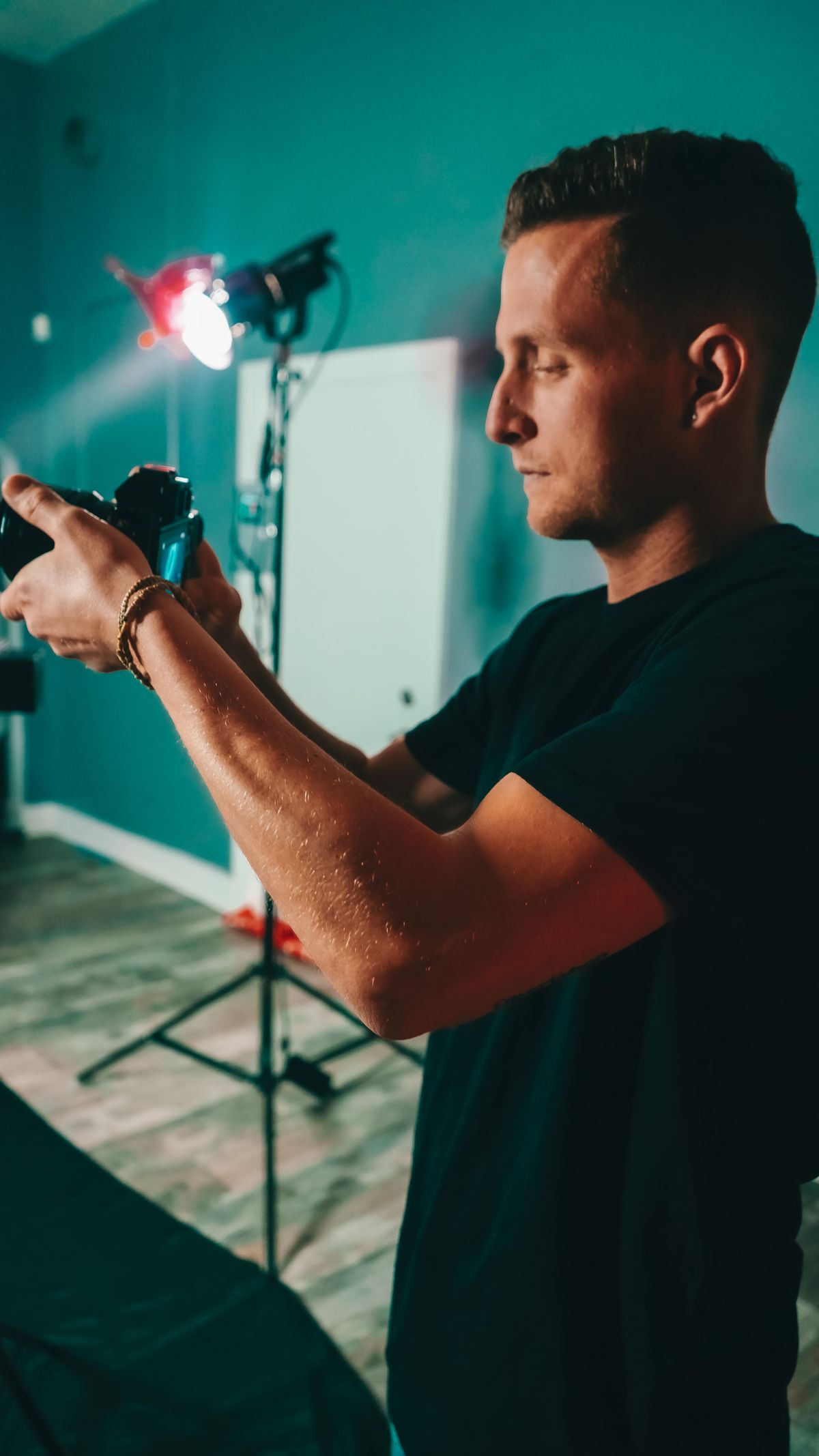
Crew: who is on a California commercial set, and why
Clients sometimes count heads on set and wonder if they are paying for an entourage. On a properly produced LA shoot, each role exists because its absence costs more:
- Producer — budget, permits, locations, casting, call sheets, insurance, and the person who solves the problem that would otherwise stop the day.
- Digital tech — tethered capture, file integrity, colour and exposure checks on a calibrated monitor, and the backup discipline that means the day's work exists twice before anyone leaves.
- First assistant — lighting builds, camera support, and the speed that lets a photographer keep directing instead of moving stands.
- Hair, makeup and wardrobe — not vanity roles on a campaign set; they are continuity, brand compliance and retouching-hours saved.
- Stylists and art department — product, food, props and set, scaled to the category. Food and beauty work in Los Angeles is a specialist world with its own day rates and its own stars.
Half-day logic does not apply cleanly here. Even when the camera is only up for four hours, crew are booked for the day, the studio is rented for the day, and the permit covers the day. Build the shot list so the day earns its rate: multiple setups, stills and motion captured together where the license allows, and enough finished images to feed a season of media rather than a single post.
Hiring well in this market
Start with category, not geography alone. The photographer for a skincare launch, a restaurant group, an industrial manufacturer and a fashion label may all be in Los Angeles, and they are four different hires. This site's directory is broad — its taxonomy lists 5,719 photographers under Commercial & Industrial alone — so narrow by specialty and by evidence: full campaign galleries, tear sheets and client lists in your category, and estimates you can compare line by line.
Then ask the California questions:
- Is usage itemised — media, term, territory, third parties — and what does renewal cost?
- Who produces: permits, location, casting, insurance? Are FilmLA or other permit fees in the estimate as lines?
- What is the day — ten hours, from when to when — and what do prep and tech-scout days cost?
- How many finished, retouched images are included, and what does an additional finished image cost?
- Who is the crew, are they booked for the full day, and who is the backup if the photographer is ill?
- What is the delivery schedule, in what formats and crops, and how are files archived after delivery?
- Is motion included, captured under the same permit and license, or a separate production?
Get the answers in the estimate itself, not in email alongside it. In this market, the estimate is the contract's foundation, and the productions that go well are almost always the ones whose paper was clear before the first light was switched on.
California gives a commercial client advantages few places can match: deep specialist talent, rental houses, studios, locations from desert to coastline, and crews who have solved most problems before. What it asks in return is that you commission like a producer — brief the use, budget the city, license honestly, and hire for the category. Do that, and the number at the bottom of the estimate stops being a shock and becomes what it should have been all along: a plan.
Sources
- Dawn Heumann, "What a Commercial Photo Shoot Actually Costs in San Francisco and Los Angeles" — creative-fee ranges for California brand and campaign work, ten-hour day and crew billing norms, and usage as a separate line on national work. https://www.dawnheumann.com/unscripted/what-a-commercial-photo-shoot-costs-san-francisco-los-angeles/
- Courtney Dailey, "How Much Does Commercial Beauty Photography Cost?" — Los Angeles commercial beauty campaign day rates of $10,000–$30,000 for stills-and-motion work. https://www.courtneydailey.com/beauty-photographer/6/15/how-much-does-commercial-beauty-photography-cost
- Chris Frara Studios, "What Brand Photography Costs in Los Angeles" — Los Angeles brand project ranges, most projects at $4,500–$5,500, and campaign production from $10,000. https://www.chrisfrarastudios.com/blog/what-brand-photography-costs-in-los-angeles
- LA Corporate Photo, pricing page — Los Angeles corporate rates: $300 per hour for edited coverage, $2,400–$3,200 full days, $800 executive session, and a bundled perpetual non-exclusive license model. https://lacorporatephoto.com/pricing
- FilmLA, "Area Requirements: City of Los Angeles" — commercial permit requirement, $104 still photo application fee, $931 motion application fee, $232 notification fee, processing times, filming hours and insurance requirements. https://info.filmla.com/area-requirements/area-requirements-city-of-los-angeles
- Beyond Bright Creative, "The best spots in LA to shoot brand content (and the permit reality)" — the stills-versus-motion permit threshold, county beach fees and state beach permitting in practice. https://beyondbrightcreative.com/blog/best-places-to-shoot-brand-content-los-angeles
- ASMP, "Licensing Guide: Commercial Example — Product Labels" — a published commercial estimate separating photography fees from a $5,000 usage line for unlimited use in North America. https://www.asmp.org/paperwork-share/product-labels-brian-beaugureau/
- Photograph: photo by Matheus Bertelli, https://www.pexels.com/photo/33714920/
- Photograph: photo by Alexander Dummer, https://www.pexels.com/photo/134469/
- Photograph: photo by Justin L U C K, https://www.pexels.com/photo/4142863/
More guides
- How to Find a Wedding Photographer: The Complete, Honest GuidePhotographers › Wedding Photographers
- How Much Does a Wedding Photographer Cost? Packages DecodedPhotographers › Wedding Photographers
- 10 Questions to Ask a Wedding Photographer Before You BookPhotographers › Wedding Photographers
- Wedding Photography Styles Explained: Documentary, Editorial, Traditional, Fine ArtPhotographers › Wedding Photographers
- Hiring a Wedding Photographer in California: Venue Light, Permits, and Price LevelsPhotographers › Wedding Photographers
- All Guides & ArticlesBrowse the full guides library