Photographers › Photography
Hiring a Photographer in California: Permits, Locations, and Pricing Reality
California clients usually start with the wrong question. They ask what a photographer costs, find a national average, and then wonder why every quote from Los Angeles, San Francisco, or San Diego sits well above it — or why a photographer in Fresno can be excellent, experienced, and cheaper than a beginner on the coast. The answer is not that coastal photographers are gouging. It is that California is several photography markets sharing one state line, layered over the most complicated location-permit landscape in the country. Hire well here and you have to price both things: the person, and the ground you want to stand on.
This guide is for anyone booking a photographer in California — for a wedding, a family session, headshots, an event, or commercial work. It covers what sessions actually cost, where permits are required and what they cost, how travel works across a state this large, and the California tax rule that makes one line on your invoice look wrong when it is not.
California is not one market
Start with the national anchor, because it is useful as long as you know its limits. The Knot's Real Weddings Study, based on couples married in 2025, put the average amount paid for a wedding photographer at $3,000 nationally, with a median of $2,800 and the middle half of couples paying roughly between $1,500 and $4,700. For shorter work, Bark's 2026 pricing guide puts a typical California session at $250 to $500, against a national session average of about $200, and portrait work commonly at $150 to $350 an hour.
California's coastal metros sit above those anchors. Published Los Angeles pricing for full-day wedding coverage commonly runs $4,500 to $10,000 and up, while one Los Angeles photographer's published rate card — a useful reality check because it is a real business, not a survey — lists a two-hour family or engagement session at $950, a seven-hour wedding at $4,200, and ten hours at $5,800, with extra wedding hours at $450 each. Bureau of Labor Statistics wage data tells the same story from the other side: California photographers are among the better-paid in the country, at a mean of $33.67 an hour in the May 2025 survey, which is part of why studio time here prices the way it does.
Inland, the arithmetic changes. The Central Valley, much of the Sacramento region, and the Sierra foothills support working professionals at prices close to or below the national wedding average, because rent, insurance, and second-shooter rates are lower there too. Neither price is a verdict on quality. A $3,200 Fresno wedding package and a $7,000 Los Angeles package can both be fairly priced — for different cost bases, different demand, and often different included hours. Compare packages on hours, a second photographer, delivery format, and albums, never on the headline number alone.
| Type of work | California reality | Notes |
|---|---|---|
| Short session (family, engagement, portraits) | $250–$500 typical statewide; $950 for a published two-hour Los Angeles session | Bark puts California sessions at $250–$500; the Los Angeles figure is one working photographer's rate card, not a survey |
| Wedding, full day | $3,000 national average paid; $4,500–$10,000+ commonly quoted in Los Angeles | The Knot's $3,000 is what couples reported paying nationally in 2025, not a California quote |
| Headshots and branding | $200–$600 for standard Los Angeles headshots; $500–$1,500 for creative or branding sessions | Commercial use and larger teams move the price, not just the hour |
| Events | $200–$500 an hour in Los Angeles, usually with two-to-four-hour minimums | Corporate work with licensing sits above social-event rates |
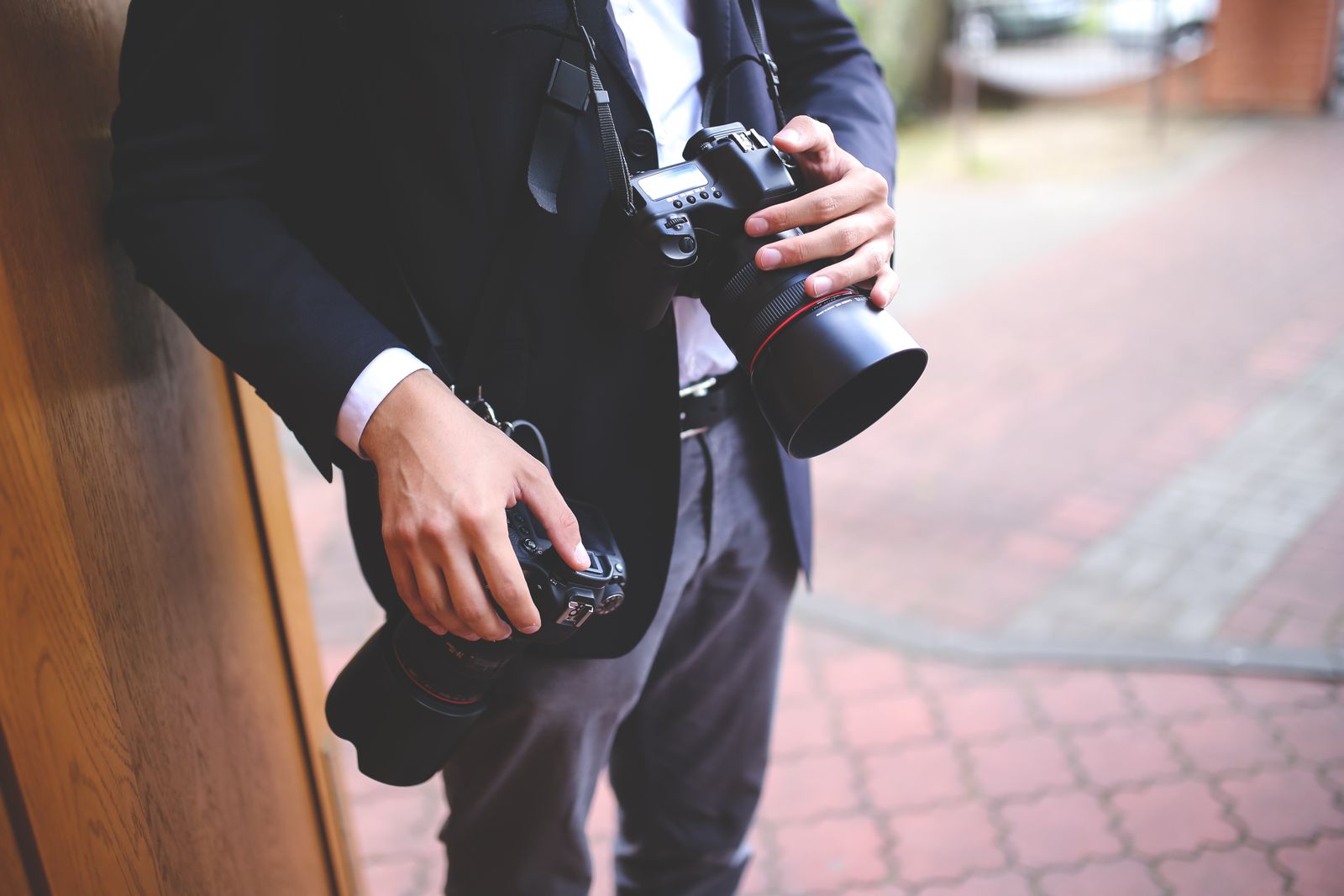
The permit layer: whose land are you standing on?
Here is the California fact that surprises clients most: the moment you pay a photographer, your session may become commercial photography in the eyes of whoever owns the location — and commercial photography often needs a permit. The rule is never statewide and never uniform. It follows the landowner, and California stacks landowners tightly: a single Los Angeles afternoon can cross city, county, another city, and state land.
State parks and state beaches. The California Film Commission is blunt: anyone engaged in commercial photography on state property is required to obtain a film permit from the Commission, while stills taken for personal use without commercial equipment do not need one. That covers places clients dream about — El Matador and Leo Carrillo in Malibu, state beaches up and down the coast, redwood parks in the north. The process starts with the park's film coordinator, and the application must reach the Commission at least four business days in advance. The Commission itself charges no processing fee; State Parks charges a review fee of $100 a day per park or beach for a simple shoot and $250 a day for a complex one, with monitor fees on top if a monitor is required. No retroactive permits exist — if the date passes, the permission does not get fixed afterward.
Los Angeles city and county. FilmLA permits both. Its published still-photography application fee is $104. A small session in a City of Los Angeles park adds a Recreation and Parks still-photo use fee of $75 a day for one to fourteen people; Los Angeles County parks and county beaches charge $100 a day for still photography for groups of one to fifteen. At sixteen or more people in cast and crew, FilmLA switches a still shoot to its motion rate and other surcharges can follow — one reason large group portraits quietly move indoors. Santa Monica runs its own film office, with small still-photography permits starting around $110 and longer lead times. Each of those numbers is small. The lead time is the real cost: file late and the location, not the fee, is what you lose.
National parks. Yosemite, Joshua Tree, Death Valley, and the Redwood parks follow federal rules, and those rules loosened recently. Under the EXPLORE Act, signed on January 4, 2025, the National Park Service says permits and fees are in most cases not required for photography involving eight or fewer individuals, provided the shoot happens in areas open to the public, uses hand-carried equipment only, does not require exclusive use of a site, does not harm park resources or other visitors, and is not likely to create extra administrative costs for the Service. Entrance fees still apply, a wedding itself may still need its own authorization, and a larger or more elaborate production still needs a permit. Do not assume the state rule and the federal rule match; at a state beach next to federal land, they do not.
| Where you are shooting | Who permits it | Published cost and lead time |
|---|---|---|
| California state park or state beach | California Film Commission with State Parks | $100/day review for a simple shoot, $250/day for a complex one; apply at least 4 business days ahead |
| City of Los Angeles park | FilmLA and the Park Film Office | $104 still-photo application plus $75/day park use for 1–14 people |
| LA County park or beach | FilmLA | $104 application plus $100/day still-photo use for 1–15 people |
| Santa Monica beach or pier | Film Santa Monica | From about $110 for small still photography; allow about 5 business days |
| National park (Yosemite, Joshua Tree, etc.) | National Park Service | Usually no permit or fee for 8 or fewer people meeting all EXPLORE Act conditions; entrance fees still apply |
Who handles all this? A working California photographer's normal practice is to research and file the permit and pass the fee through at cost — but practices vary, and that sentence belongs in your contract with a name next to it. An unpermitted session stopped by a ranger is rarely a refund situation. Ask, in writing, before you sign, and build the session around the unglamorous constraints permits reveal: El Matador's arches and coves, for example, are cut off at high tide, so the tide chart matters as much as the sunset.
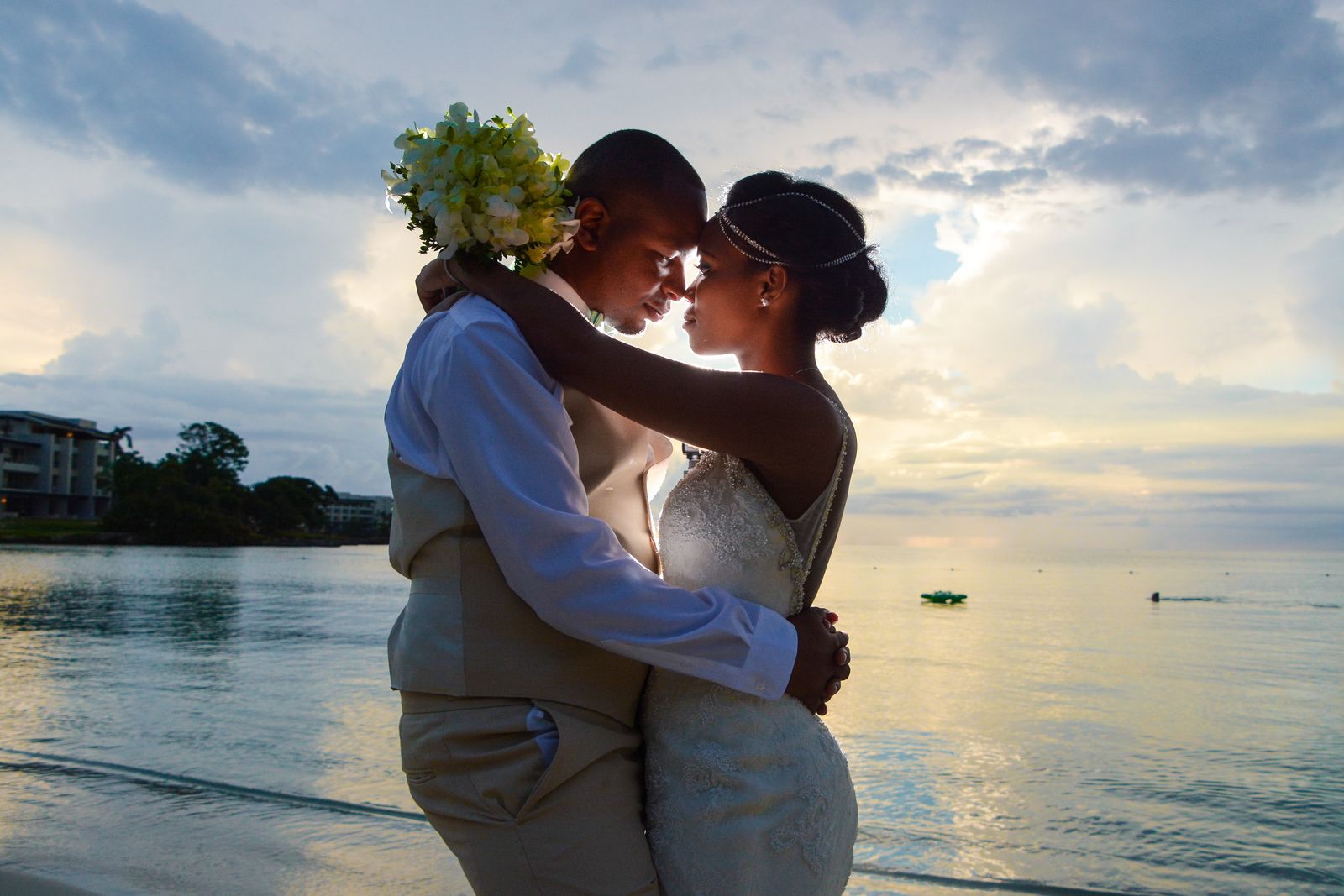
Light, season, and distance: the other California pricing
The coast does not promise sun. From May into July the marine layer — May Gray, June Gloom — can hold over beaches and coastal venues well into the day. It is soft, even, flattering portrait light, but it is not a blazing sunset. Inland, the problem reverses: summer afternoons in Fresno, Sacramento, and Paso Robles routinely pass 100 degrees, and midday portraits become an endurance test. Wine country prices peak in the September–October harvest. Northern and foothill sessions in late summer and fall now carry a real wildfire-smoke risk, which is why a California contract should have a rescheduling clause that names smoke and fire closures, not just rain. In mid-December the sun sets around 4:45 p.m. in Southern California and earlier in the north, so a winter afternoon session is a race you plan for, not a surprise you discover.
Travel is a line item, not a favor. Most California photographers include travel within a radius — commonly 50 to 100 miles — and charge beyond it per mile or as a flat fee. The distances are genuine: San Francisco to Los Angeles is about 380 miles. For Big Sur, Yosemite, or Joshua Tree work, expect a night or two of lodging in the quote, because no responsible photographer drives mountain roads home at midnight after a ten-hour day. The honest choice is between a local, who brings permit fluency and no travel bill, and an imported photographer whose style you love and whose distance you pay for. Importing a bargain gets you neither.
The tax line that looks wrong and is not
California's Department of Tax and Fee Administration taxes photography in a way that catches clients off guard. If your photographs are delivered in any tangible form — prints, an album, or files on a CD, flash drive, or DVD — the entire charge is generally taxable, including the shooting and editing services that produced them, even if those services are listed separately. If the photographs are transferred only electronically, with nothing tangible provided, the charges are generally not taxable. On a coastal wedding package, that distinction is worth several hundred dollars. It does not mean skip the album. It means the tax line on your invoice is legitimate, and that structuring an album as a separate later purchase is a normal conversation to have openly with your photographer — not a trick, and not a reason to accuse anyone of padding.
Round out the contract with the unglamorous items: a retainer to hold the date (50 percent is common for California weddings), a delivery window in writing, a named backup if your photographer is ill, insurance, and confirmation that the person whose portfolio you reviewed is the person who will actually shoot.
How to search in a directory this large
This site's directory is built from a large live listings base — more than 32,000 listings under its broad Photography subcategory, including 564 wedding photographers, 672 portrait photographers, 877 aerial photographers, and 141 architectural photographers. Numbers that size are a map, not a verdict. Use them to narrow by specialty and city first — a listing shoot, a newborn session, and a commercial campaign are different trades that happen to share a camera — then do the verification no directory can do for you: one complete gallery from a job like yours, a contract that names permits, delivery, and tax, and a conversation about your location's light and landowner. Do that, and California stops being the expensive, complicated outlier in your search and becomes what it actually is: the deepest bench of photographic talent in the country, priced honestly once you know which California you are hiring in.
Sources
- California Film Commission, Permit FAQ and State Parks & Beaches permit pages — commercial photography on state property requires a permit; $100/day simple and $250/day complex State Parks review fees; applications at least four business days in advance. https://film.ca.gov/state-permits/faqs/ and http://film.ca.gov/state-permits/state-parks-beaches/
- FilmLA, Basic Fees List and Los Angeles city and county area requirements — $104 still-photo application fee; $75/day City of Los Angeles parks still-photo use (1–14 people); $100/day LA County parks and beaches still-photo use (1–15 people). https://info.filmla.com/filming-related-fees/filmla-basic-fees-list
- National Park Service, Filming, Still Photography, and Audio Recording — EXPLORE Act (signed January 4, 2025) conditions under which permits and fees are generally not required for groups of eight or fewer. https://www.nps.gov/aboutus/news/film-and-photo-permits.htm
- The Knot Real Weddings Study, as summarized in Lulan Studio's wedding photography pricing guide — average wedding photographer spend of $3,000 and median of $2,800 for couples married in 2025. https://lulanstudio.com/wedding-photography-pricing-guide
- Bark, Photographer Prices 2026 — California sessions at $250–$500; portrait and session ranges. https://www.bark.com/en/us/photographer/photography-pricing/
- Kelly Williams Photography, published Los Angeles pricing — two-hour family and engagement sessions at $950; wedding coverage at $4,200 for seven hours and $5,800 for ten hours. https://www.kellywilliamsphotographer.com/pricing
- California Department of Tax and Fee Administration, Tax Guide for the Gig Economy (Photographers) and Publication 68 — tangible delivery makes the entire charge taxable; purely electronic transfer is generally not taxable. https://cdtfa.ca.gov/industry/gig-economy/
- Lulan Studio, Engagement Photo Permits in Los Angeles (2026 Guide) — Santa Monica still-photography permits from about $110 and jurisdiction-by-jurisdiction Los Angeles guidance. https://lulanstudio.com/blog/engagement-session-permits-in-los-angeles-what-needs-a-permit-and-what-doesnt
Photos: Beach couple at sunset — photo by Giuseppe Messina, https://www.pexels.com/photo/a-couple-having-a-beach-wedding-4364780/ ; Redwood forest in Mendocino — photo by Mick Haupt, https://www.pexels.com/photo/green-plants-and-trees-in-a-forest-5586120/ ; Photographer holding two cameras — photo by Karolina Grabowska, https://www.pexels.com/photo/6182/
More guides
- How to Find a Wedding Photographer: The Complete, Honest GuidePhotographers › Wedding Photographers
- How Much Does a Wedding Photographer Cost? Packages DecodedPhotographers › Wedding Photographers
- 10 Questions to Ask a Wedding Photographer Before You BookPhotographers › Wedding Photographers
- Wedding Photography Styles Explained: Documentary, Editorial, Traditional, Fine ArtPhotographers › Wedding Photographers
- Hiring a Wedding Photographer in California: Venue Light, Permits, and Price LevelsPhotographers › Wedding Photographers
- All Guides & ArticlesBrowse the full guides library