Photographers › Photography
Hiring a Photographer in Texas: Heat, Distance, and Big-Venue Logistics
Texas does not have one photography market. It has several, separated by three-hour drives, different kinds of summer, and venues that range from a Fredericksburg ranch with no cell signal to a Houston hotel ballroom that seats six hundred. Hiring a photographer here is less about finding "the best" name and more about matching three things: the market you're actually in, the season you're actually booking, and the distance your photographer actually has to cover to reach you. Get those three right and the rest — style, packages, albums — falls into place. Get them wrong and you pay metro prices for the wrong kind of experience, or budget prices for someone wilting in weather they have never worked in.
What Texas costs, market by market
Start with the national anchor. The Knot's Real Weddings Study put the average spend on a wedding photographer at $3,000 for couples married in 2025, with the middle half of couples paying between about $1,500 and $4,700. Texas published prices run wider than that average suggests, because the state contains both ends of the market at once.
| Market | What published prices look like | Notes |
|---|---|---|
| Dallas–Fort Worth | Established full-day wedding coverage commonly $3,500–$6,000 | Large-venue and luxury work runs $7,000 and up; published Texas lists show DFW names starting around $3,000 for a half day |
| Houston | Established professionals commonly $3,300–$6,000 | Ballroom and multi-day cultural weddings push totals higher; some established Houston duos publish starting prices near $7,000 |
| Austin & Hill Country | From about $3,200 for established solo photographers; $5,000+ for in-demand names | Ranch and Hill Country venues add travel and lodging more often than city work does |
| Smaller cities & rural Texas | Published starting prices from under $1,000 to about $2,500 | National studios booking into San Antonio and smaller markets publish the lowest starting prices; local experience varies, so vet full galleries hard |
Those are wedding numbers because weddings are where Texas publishes its prices most openly, but the shape holds for other work too: family, senior, quinceañera, and event photographers in the big metros price like small businesses in expensive cities, because they are. A Houston family session and a Marfa family session are not the same product at different prices; they are different cost structures entirely.
Two budgeting warnings. First, "starting at" buys the shortest coverage and the fewest deliverables — compare full packages, not headlines. Second, Texas couples in Zola's marketplace data typically spend around $2,800 on photography for a 100-guest wedding, roughly 9 percent of the total budget, and Zola's data shows costs varying by about 23 percent across the state, with Austin the priciest area. If your quotes sit far below your market's range, the difference is usually coming out of experience, backup equipment, or delivery time. Sometimes that trade is fine. Know that you're making it.
The Texas summer problem
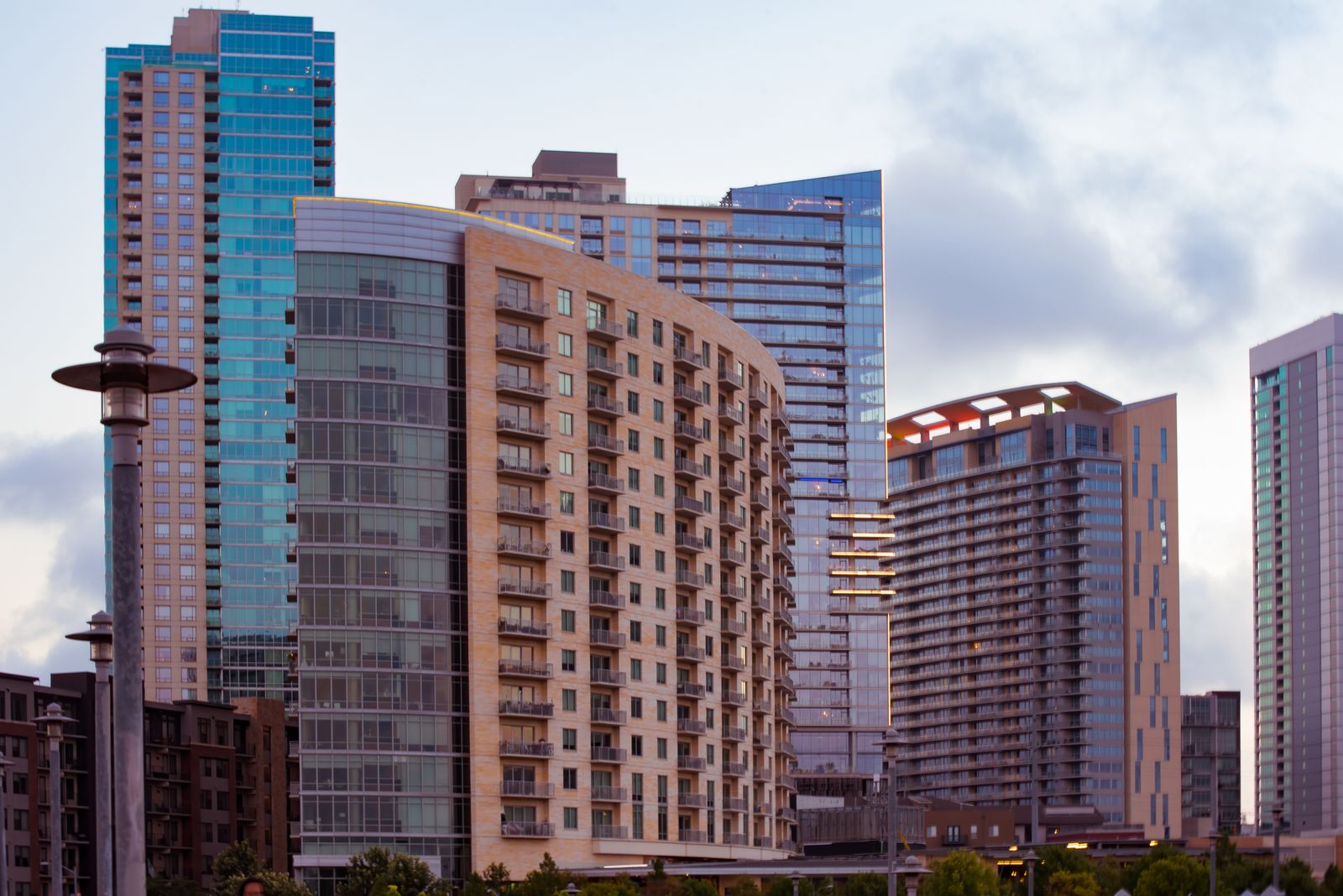
Every Texas photographer has a summer story, and clients should understand why. July average highs run about 94°F in Houston, 95°F in Austin, and 95°F in Dallas — and the thermometer is the least of it. Houston's humidity averages around 75 percent in July, pushing heat-index values into the 105–115°F range, while Dallas runs drier (about 58 percent July humidity) but records more days over 100°F — roughly twenty a year against Houston's seven. Austin splits the difference and adds Hill Country sun with very little shade.
What this means for a shoot, concretely:
- Midday outdoor portraits in July and August are a false economy. Hard overhead sun is the least flattering light of the day, makeup and hair lose to Houston humidity within the hour, and elderly guests and small children are a genuine heat risk, not an aesthetic one. A Texas photographer worth hiring will push outdoor portraits toward morning or the last ninety minutes of light — and will say so before you sign, not after.
- Gear behaves differently. Lenses fog when they move from air-conditioning to Gulf humidity; batteries and bodies overheat in direct sun. Ask whether your photographer carries backup bodies. In Texas summer, that question is not paranoia.
- Venues need a weather plan B that is photographic, not just logistical. A barn with a metal roof in a Hill Country thunderstorm, a ballroom with no window light, a ranch ceremony field with no shade structure — your photographer should have shot your venue type in your season, and their portfolio should prove it.
- Build the timeline around water and shade. The experienced Texas timeline has portrait blocks in shade, a real break indoors between ceremony and reception in summer, and a hard rule that nobody stands in a field at 2 p.m. in August for group photos.
Spring and fall are the state's prime seasons for a reason — March through May and October into November are when outdoor Texas looks the way the brochures promise, which is also why those Saturdays book a year or more out in Austin and Dallas.
Distance is a line item, not a detail
Texans are casual about distance in a way that quietly breaks photography budgets. The Texas Triangle is real mileage: Houston to Dallas is about 240 miles and four to four and a half hours on I-45; Houston to Austin about 165 miles, two and a half to three hours; Houston to San Antonio about 200 miles; Austin to San Antonio the short hop at roughly 80 miles. A photographer "based in Texas" may be a full working day of driving from your venue.
So ask the travel questions explicitly:
- What radius is included? Many Texas photographers include 50–100 miles and charge beyond it, per mile or as a flat fee. Get the number in the contract.
- Does the job need a hotel? A Dallas photographer shooting an evening wedding in Fredericksburg should not be driving home at midnight on Hill Country roads. Lodging for one or two nights is a legitimate, itemizable cost — and a safety practice, not a perk.
- Who is the local backup? If your photographer is three hours away and something goes wrong on the day — illness, a breakdown on I-35 — a local second shooter or a named associate matters more than it does in a compact market.
- Has the photographer worked your venue? Big Texas venues have big-venue logistics: ballrooms with load-in docks and hard load-out times, ranches where the ceremony field is a ten-minute walk from the barn, museums and historic sites with house rules about where a photographer may stand. Venue fluency is worth money; its absence costs you shooting time on the day.
The honest choice is usually local versus imported, and both are defensible. Local buys venue knowledge, no travel bill, and a backup network nearby. Imported buys a style you love. What doesn't work is importing a bargain: once mileage, lodging, and a travel day are added, the savings evaporate and you have neither advantage.
Big venues, Texas rules
Texas shoots run into permits more often than clients expect, because so much of the state's photogenic land is public or institutional.
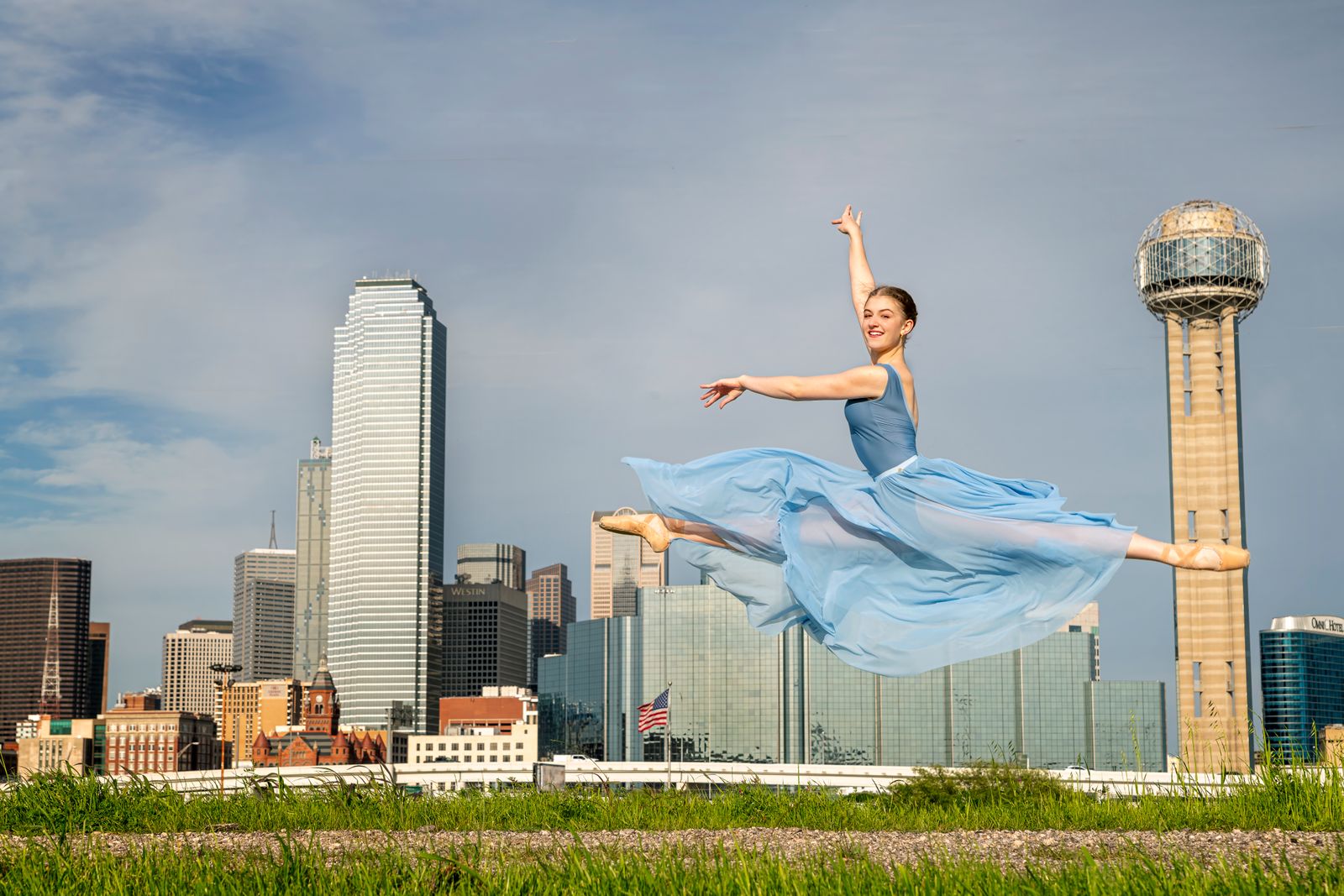
Texas State Parks — Enchanted Rock, McKinney Falls, Pedernales Falls, Garner — treat paid photography as a media production. The Texas Parks and Wildlife Department defines media production to include still photography, and commercial shoots need an application through the park superintendent; TPWD's published guidance asks for applications up to a year and not less than 90 days ahead, may assess a flat fee or a percentage of gross revenue, and requires insurance. A casual visitor's snapshots need nothing. A paid portrait session is not that. If your photographer proposes a state park, the permit conversation should happen at booking, not at the park gate.
City parks are their own systems. In Houston, professional photography in a city park — engagements, weddings, graduations, quinceañeras — requires a parks department filming/photography reservation at $154.42 per park per date, and Memorial Park runs its own permit at $250 a day for commercial shoots. In Austin, the city's professional photography permit costs $50 for a two-hour session and is valid at only four locations: Auditorium Shores, Mayfield Cottage and Gardens, Mount Bonnell, and Zilker Park. Everywhere else is somebody else's system — Travis County, a conservancy, a university, a private venue — and your photographer should know which one applies to your location before promising you the shot.
Private and historic venues — San Antonio's missions area, Dallas and Houston museums, Hill Country ranches that host events — set their own photography rules, vendor lists, and insurance requirements. Ask whether your photographer is already approved or insured to work there; discovering a venue's vendor requirements a month out is a Texas rite of passage you can skip.
Vetting, the Texas way
Judge a Texas photographer on full galleries from work like yours, in your season: a complete summer wedding, not three golden-hour heroes from October. Then check the unglamorous list — backup bodies and cards, liability insurance, a contract that names travel, lodging, permits, and delivery dates, and a named plan if the photographer cannot make it. Delivery norms mirror the national pattern: ask for the gallery window in writing, and expect peak-season Texas work to take longer, because October in this state is every photographer's busiest month.
This site's directory lists more than 560 wedding photographers and over 670 portrait photographers among its Texas-relevant categories nationally — use any directory as a map, not a verdict. Filter by your metro and your venue type, read two full galleries, confirm the permit and travel terms in the contract, and hire the person whose summer work, not just whose best work, you trust. In Texas, the distance and the heat are part of the job. The right photographer is the one who has already planned for both.
Sources
- The Knot, "The Average Wedding Photographer Cost, Explained" — national average $3,000 (2025 marriages), middle quartiles $1,500–$4,700: https://www.theknot.com/content/average-cost-wedding-photographer
- Zola, Texas wedding photographers marketplace and Wedding Cost Index data — typical Texas spend around $2,800 for a 100-guest wedding, about 9% of budget; costs vary ~23% across the state, Austin priciest: https://www.zola.com/wedding-vendors/find/photographers/state/texas
- BrideBox, "Top 20 Wedding Photographers in Texas for 2026" — published prices from $895 to $7,000+, most established names starting $3,000–$5,500: https://www.bridebox.com/blog/top-20-wedding-photographers-texas/
- Bushel + Peck, "Wedding Photographer Cost" — Texas ranges: entry $1,200–$3,000, established $3,000–$7,000, DFW full-day average $3,500–$6,000: https://bushel-peck.com/how-much-does-wedding-photography-cost/
- WeatherSpark, climate comparison of Houston, Austin, and Dallas — July average highs 94–95°F across the three cities: https://weatherspark.com/compare/y/9247~8004~8813/Comparison-of-the-Average-Weather-in-Houston-Austin-and-Dallas
- Houston climate normals summary (NOAA 1991–2020 normals via NWS Houston/Galveston) — July humidity ~75%, heat index 105–115°F; Dallas ~20 days over 100°F vs Houston ~7: https://www.relocatemetx.com/houston/weather/
- Texas Parks and Wildlife Department, special events and media productions — commercial still photography is a media production; applications up to one year and not less than 90 days ahead; flat fee or percentage of gross revenue possible: https://tpwd.texas.gov/state-parks/park-information/park-requests-application/events-media-concessions-requests
- Houston photo permit guide (Shoot Spots, checked against Houston Parks and Recreation and Memorial Park Conservancy sources) — city park professional photography reservation $154.42 per park per date; Memorial Park commercial permit $250/day: https://shootspots.netlify.app/permit-cheat-sheet
- Bridget Daehler Photography, "Do You Need a Permit to Photograph in Austin Parks?" — Austin professional photography permit $50 per two-hour session, valid at Auditorium Shores, Mayfield Cottage and Gardens, Mt. Bonnell, and Zilker Park: https://www.bridgetdaehlerphotography.com/blog/austin-park-photography-permits
- Lavish Ride, Houston long-distance transportation guide — Houston–Dallas 240 miles / 4–4.5 hours; Houston–Austin 165 miles / 2.5–3 hours; Houston–San Antonio 200 miles / 3–3.5 hours: https://blog.lavishride.com/articles/houston-long-distance-transportation
Photographs: Austin skyline — photo by Trac Vu, https://www.pexels.com/photo/an-urban-skyline-of-austin-texas-5281394/ ; Dallas skyline — photo by Patrick Dunn, https://www.pexels.com/photo/ballerina-dancing-in-front-of-dallas-skyline-30386106/
More guides
- How to Find a Wedding Photographer: The Complete, Honest GuidePhotographers › Wedding Photographers
- How Much Does a Wedding Photographer Cost? Packages DecodedPhotographers › Wedding Photographers
- 10 Questions to Ask a Wedding Photographer Before You BookPhotographers › Wedding Photographers
- Wedding Photography Styles Explained: Documentary, Editorial, Traditional, Fine ArtPhotographers › Wedding Photographers
- Hiring a Wedding Photographer in California: Venue Light, Permits, and Price LevelsPhotographers › Wedding Photographers
- All Guides & ArticlesBrowse the full guides library