Photographers › Wedding Photographers
Hiring a Wedding Photographer in Texas: Big Venues, Bigger Guest Counts, and Heat
Texas weddings run large, and they run hot. Those two facts — not style, not gear — are what should drive your choice of photographer in this state. A ranch ceremony outside Austin puts your wedding party on open ground with no shade at 4 p.m. in September. A Houston ballroom reception seats 300 people under chandeliers, in a room the size of an aircraft hangar, with the dance floor forty feet from the head table. A San Antonio mission wedding is a study in blinding white limestone at noon. Each of those days breaks a different kind of photographer, and the portfolios that look identical on Instagram were not made under the same conditions yours will impose.
I shot weddings across this state for years. This guide is the Texas version of the hiring conversation: what photography actually costs here, how heat rewrites a timeline, why guest count is a staffing question before it is a catering question, and the Texas tax rule that adds a real line to your invoice — one that works the opposite way from the state most wedding advice is written about.
What Texas costs
Start with the national anchor and then leave it behind, because Texas prices spread wider than the national market does. BrideBox's October 2026 survey of twenty established Texas photographers found published wedding prices running from $895 at the studio end to $7,000 and up, with most established names starting between $3,000 and $5,500. Texas pricing guides built from working studios tell the same story in tiers:
| Tier | Typical Texas range | What it usually means |
|---|---|---|
| Entry level | $1,200–$3,000 | Newer photographers, shorter coverage, digital-only delivery |
| Established professional | $3,000–$7,000 | Full-day coverage, experienced lead, often a second shooter and an album |
| Luxury / editorial | $7,000 and up | Named photographers in Dallas, Austin, and Houston with published work and multi-shooter teams |
Within the state, geography prices the same résumé differently. Austin tends to be the priciest market in Texas — Zola's vendor data puts Texas wedding costs varying by roughly 23 percent depending on location, with Austin at the top and smaller markets like Conroe near the bottom. Dallas–Fort Worth full-day coverage from established professionals clusters around $3,500–$6,000. Houston sits in the same band at the top end — published Houston packages in BrideBox's survey ran $3,300–$6,000 for a solo photographer, and $7,000 and up for an established married duo. Zola's cost data puts the typical Texas spend for a 100-guest wedding at about $2,800 on photography, roughly 9 percent of the total budget — a useful floor, remembering that Texas guest counts frequently run well past 100, and coverage needs grow with them.
Two Texas warnings. First, "starting at" prices in this state often buy six hours and one photographer; for a 250-guest ranch wedding ending at midnight, that is not a package, it is a down payment on an argument. Compare total coverage — hours, shooters, album, travel — not headlines. Second, distances are a line item. El Paso to Texarkana is a longer drive than New York to Chicago. A Dallas photographer shooting your Saturday wedding in Fredericksburg is making a three-to-four-hour trip each way; expect travel fees or a lodging night beyond a stated radius, and expect them to be legitimate.
Heat is a photography problem, not just a comfort problem
Every Texas couple knows summer is hot. Fewer understand what heat does to photographs, and to the people in them, until they are looking at the gallery.
The timeline moves. From June through September, midday outdoor portraits in most of Texas are a physical ordeal and a visual one: overhead sun at 100 degrees produces squinting, sweat-darkened shirts, wilted makeup, and blown-out highlights no editing fully repairs. Photographers who work Texas summers build the day backwards from sunset — ceremony late, portraits in the last ninety minutes of light, family formals in shade or indoors, and the big outdoor group shots treated as a short, marshaled operation rather than a leisurely gathering. If a photographer's sample timeline for your August wedding has forty minutes of full-sun portraits at 2 p.m., they do not shoot Texas summers, whatever their portfolio says.
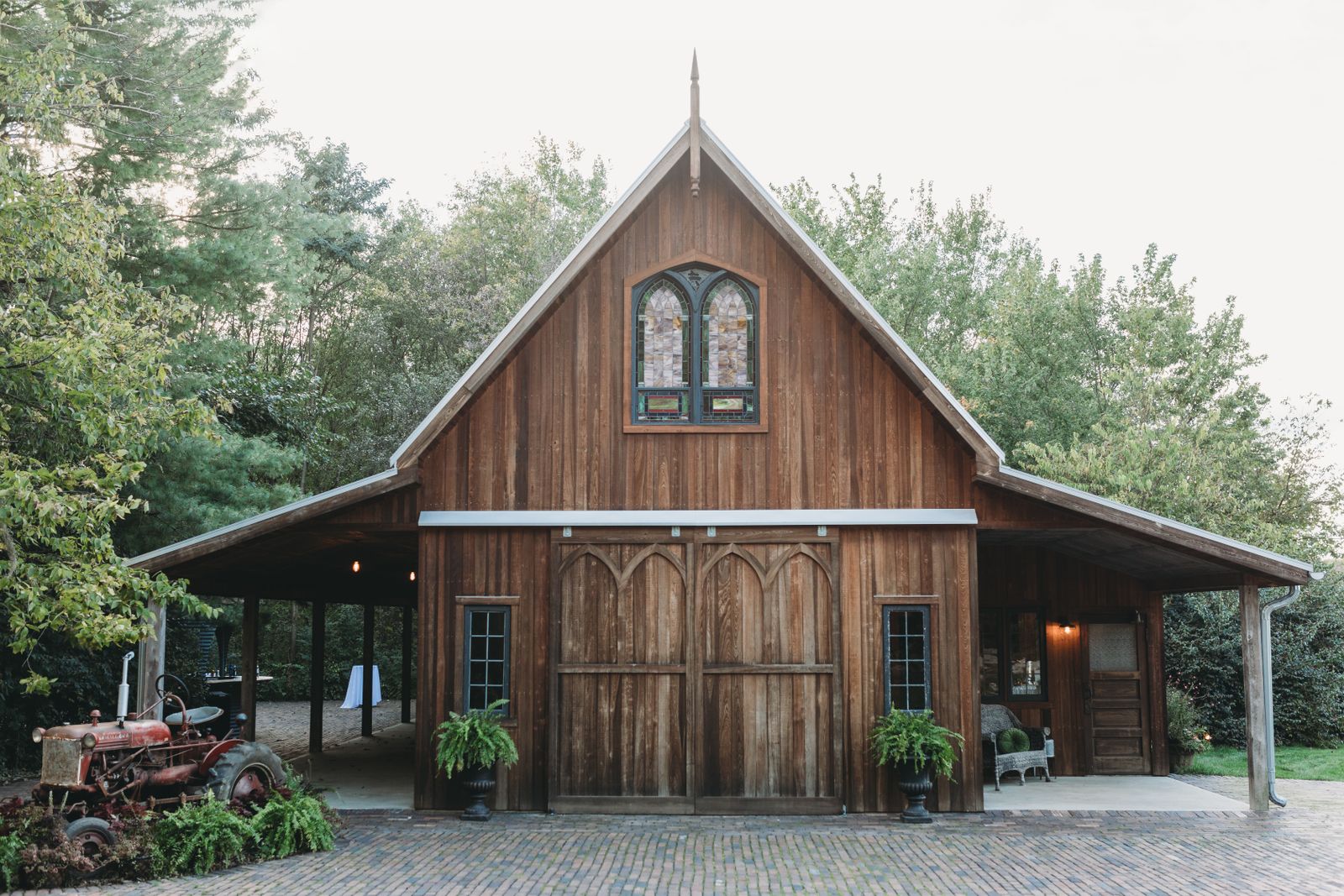
The venue decides the backup plan. Hill Country ranches and barn venues — the Dripping Springs, Boerne, and Waxahachie circuit — are beautiful and exposed. Ask what the venue offers at 105 degrees or in a thunderstorm: a covered pavilion, an air-conditioned barn, an indoor ceremony flip. Then ask the photographer for a full gallery shot in that kind of space, because a cavernous barn with a dark ceiling is a lighting problem that separates professionals from hobbyists more reliably than any sunset portrait does. Houston ballrooms invert the problem: enormous rooms, mixed artificial light, and a reception that never goes near a window. Judge ballroom photographers on reception work — flash craft at distance, in the dark, at speed.
People are equipment too. Build water, shade breaks, and a hard limit on outdoor time into the schedule for the wedding party, and ask your photographer how they handle heat — a photographer who faints at hour six is a single point of failure. This is also the practical argument for the next section.
Bigger guest counts are a staffing question
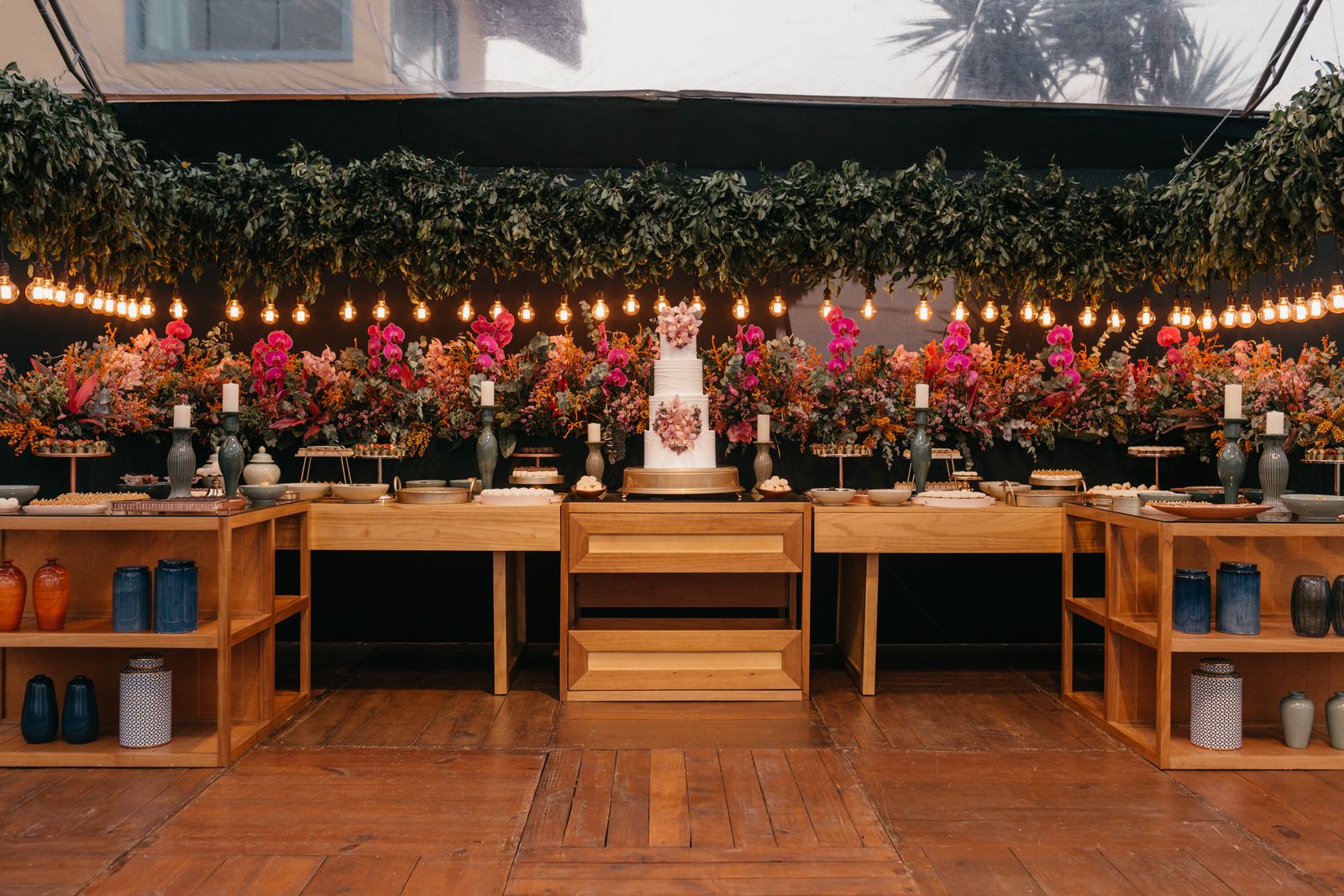
Texas weddings skew large — family, church, and community lists that would be trimmed in other states are honored here, and 200-to-300-guest receptions are unremarkable in Dallas, Houston, and San Antonio. Guest count changes the photography math in ways couples rarely hear until it is too late:
- One photographer cannot be in two places, and a big day has two places constantly. While the lead photographs the couple, the reception room fills, the grandparents arrive, the details get used and scattered. A second shooter is not a luxury upgrade at 200 guests; it is how the day gets covered at all. Studios price accordingly — the duo and team structures in the Texas surveys exist because the market's weddings demand them.
- Family formals scale brutally. Every added combination is minutes of gathering, arranging, and shooting, in heat, with a cocktail hour clock running. A Texas-experienced photographer will cap the formal list, assign a family member as wrangler, and shoot the big groups first while everyone is still findable.
- Candids need coverage ratios. The candid gallery from a 300-guest ballroom shot by one person will be, in large part, photographs of the forty people nearest the dance floor. If the sprawling, everyone-was-there record matters to you — at a Texas family wedding, it usually does — that is a second-shooter and possibly a third-coverage conversation, priced in advance, not a disappointment discovered in the gallery.
Ask each candidate the direct question: "What is the largest wedding you have shot as lead, and how many shooters did you bring?" The answer calibrates everything else they tell you.
Texas places, Texas rules
A few locations carry their own photography rules, and local photographers know them cold — one more reason local beats imported for Texas weddings. BrideBox's Texas guide flags the photo rules at the Dallas Arboretum, Houston's Hermann Park, and the bluebonnet fields specifically: popular portrait locations in Texas cities commonly require permits, fees, or advance arrangements for professional photography sessions, and the bluebonnet patches that bloom for a few weeks each spring are frequently on private land, where a photographer who treats a fence as a suggestion creates a trespassing problem with your names on it. San Antonio's missions add a federal layer — they sit within a National Historical Park and a UNESCO World Heritage site, and commercial photography there runs through National Park Service permitting. None of this is difficult. All of it is the kind of thing you want your photographer to raise before you do.
The Texas tax line nobody warns you about
Here is the Texas rule that surprises couples who read national wedding advice: in Texas, sales tax applies to your photography package — all of it, including digital delivery. The Texas Comptroller's guidance for photographers (Publication 94-176, under Rule 3.312) treats photographs as taxable tangible personal property however they are delivered — prints, disc, or purely electronically — and taxes the entire charge connected to producing them: sitting and session fees, editing, and billed expenses such as travel, when the customer buys photographs in any form. The state rate is 6.25 percent, and local taxes can add up to 2 percent more, for a combined rate of up to 8.25 percent depending on where the sale takes place. On a $5,500 package, that is roughly $340 to $450 — real money, appearing on the invoice of every legitimate Texas photographer.
Why this matters beyond the arithmetic: couples comparison-shopping across state lines get confused, because the rule runs the other way in California and New York, where photographs delivered solely electronically are generally not taxed. A Texas quote that looks higher may simply be a Texas quote that is honest. And a Texas photographer who does not charge the tax is not giving you a discount; they are either misunderstanding their obligations or asking you to share a risk that the Comptroller will eventually price for both of you. Expect the tax line. Budget for it. Be mildly suspicious in its absence.
Contracts, Texas edition
The standard clauses matter everywhere — a retainer to hold the date (commonly a substantial share of the package), the balance due before the wedding, a gallery delivery window measured in weeks during the fall peak, and a named backup if your photographer is ill. Texas adds two clauses worth reading twice.
The weather and heat clause. Your contract should say what happens if extreme heat, a hurricane-season storm, or a venue power failure forces a postponement or a radical timeline change — rescheduling terms, fees, and how long your retainer survives. Gulf Coast couples booking September are not being morbid; they are reading a calendar.
Travel and overtime, in numbers. With Texas distances, get the included radius, the per-mile or flat travel charge beyond it, the lodging trigger, and the hourly overtime rate written into the agreement. Ranch weddings run long, receptions in this state run longer, and the difference between a contracted overtime rate and an improvised one is paid at midnight, in an argument.
How to choose, in Texas
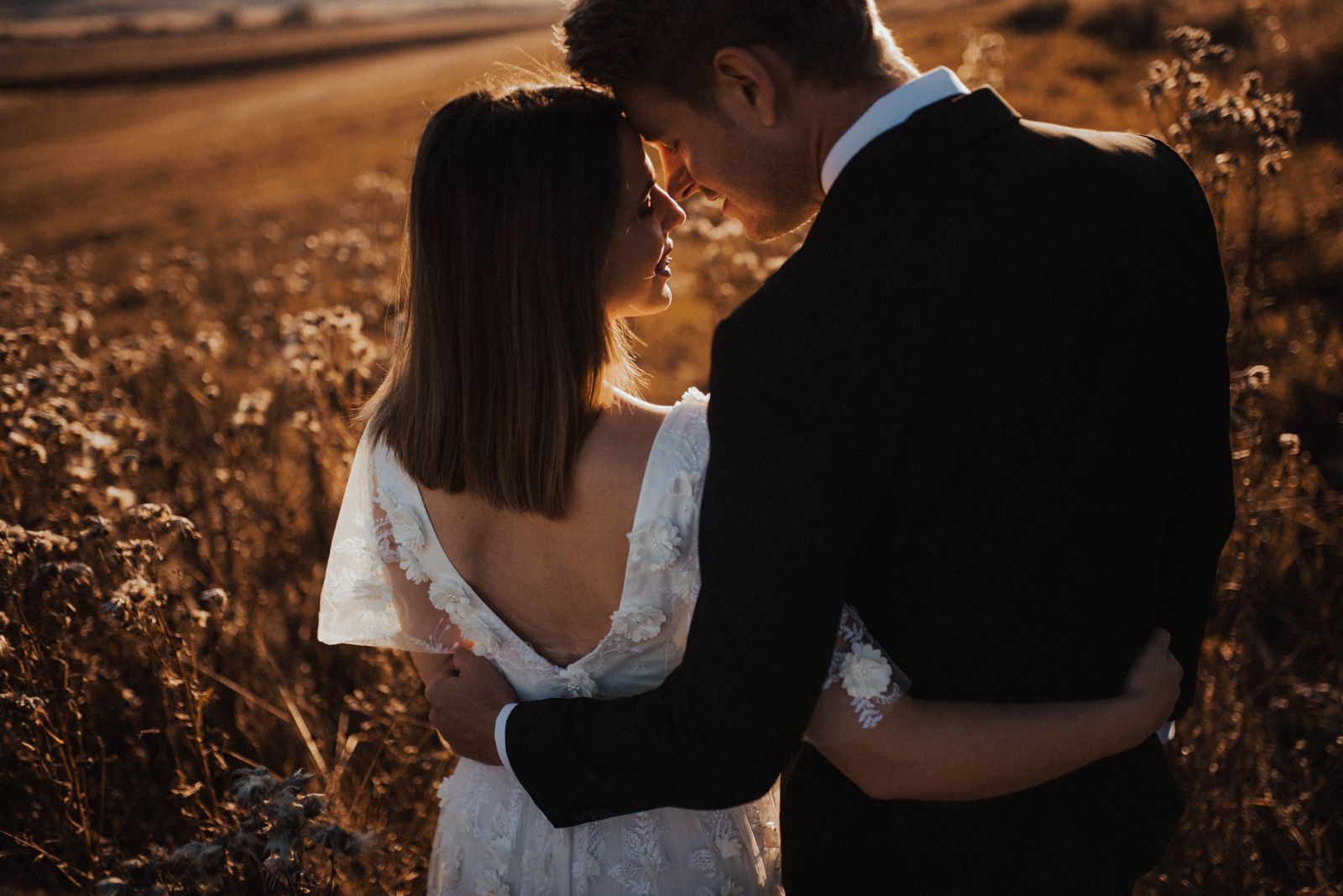
Ask for two complete galleries: one at a venue like yours, and one shot in your season — a full August ranch wedding is the hardest document in Texas photography, and the photographer who hands you one without hesitation has nothing to hide. Confirm the shooter count against your guest count. Confirm who raises permits for your portrait locations. Confirm the tax treatment on the quote, and the weather clause in the contract. This site's directory lists more than 560 wedding photographers nationally; use it the way Texans use any map of a big state — to find the specialists in your part of it, then verify with full galleries and hard questions.
Do that, and the person you hire will be ready for the wedding Texas actually gives you: large, loud, beautiful, and a hundred degrees in the shade. Choose like the gallery has to survive all four. It does.
Sources
- BrideBox, "Top 20 Wedding Photographers in Texas for 2026" (rebuilt Oct 2026; prices as listed Oct 25, 2026) — published Texas prices $895 to $7,000+, most established names starting $3,000–$5,500; Houston examples $3,300–$6,000 solo and from $7,000 for an established duo; Fort Worth half-day from $3,000 / full day from $5,500; photo rules at the Dallas Arboretum, Hermann Park, and bluebonnet fields flagged as Texas-specific logistics.
- Bushel + Peck Photo, "Wedding Photographer Cost: Complete Pricing Guide" (Texas/DFW studio) — Texas tiers: entry $1,200–$3,000, established $3,000–$7,000, luxury $7,000+; DFW full-day average $3,500–$6,000.
- Zola, Texas wedding photographers marketplace and cost data (updated Oct 2026) — typical Texas spend for a 100-guest wedding about $2,800 on photography, roughly 9% of budget; Texas wedding costs vary by about 23% by location, Austin priciest, Conroe among the least expensive.
- Wedding Realm, "Best Wedding Photographers & Videographers in Texas for 2026" — budget $1,000–$2,500, mid-range $2,500–$5,000, premium $5,000–$12,000+; Dallas and Austin commanding higher pricing than smaller Texas cities.
- Texas Comptroller of Public Accounts, Publication 94-176, "Photographers and Texas Sales Tax," and Rule 3.312 — sales of photographs are taxable however delivered (prints, DVD/CD, digitally or electronically); all expenses directly related to production and billed to the customer are taxable, including travel; sitting fees taxable when photographs are purchased in any form.
- StatesLaws summary of Texas photography sales tax — photographs treated as tangible personal property; total invoice taxed (session fee, travel, editing, images) regardless of delivery format; state rate 6.25% with local additions up to 2%, combined cap 8.25%; contrast with California/New York, where solely electronic delivery is generally not taxed (cross-checked against Xposure's state-by-state photographer tax guide).
Photographs
- photo by Jonathan Borba, https://www.pexels.com/photo/9714791/
- photo by Steven Van Elk, https://www.pexels.com/photo/10172875/
- photo by Sandro Crepulja, https://www.pexels.com/photo/3361200/
More guides
- How to Find a Wedding Photographer: The Complete, Honest GuidePhotographers › Wedding Photographers
- How Much Does a Wedding Photographer Cost? Packages DecodedPhotographers › Wedding Photographers
- 10 Questions to Ask a Wedding Photographer Before You BookPhotographers › Wedding Photographers
- Wedding Photography Styles Explained: Documentary, Editorial, Traditional, Fine ArtPhotographers › Wedding Photographers
- Hiring a Wedding Photographer in California: Venue Light, Permits, and Price LevelsPhotographers › Wedding Photographers
- All Guides & ArticlesBrowse the full guides library