Photographers › Portrait Photographers
How to Choose a Portrait Photographer (and Prepare for the Session)
Almost everyone believes they are bad at being photographed. Almost everyone is wrong. What they remember is a school photograph taken under fluorescent light in four seconds, or a friend saying "smile" while they were mid-blink. A portrait session with a professional is a different activity entirely — slower, directed, and built around the fact that ordinary people do not know what to do with their hands. Choosing the right photographer is mostly about finding someone whose pictures look like the people in them, and whose process makes room for you to be a person rather than a prop. The preparation half of this guide matters just as much: the difference between stiff portraits and natural ones is rarely talent. It is weight shifted onto one leg, an outfit that fits, an hour that is not rushed, and a photographer who gives you something to do instead of something to hold.
First, decide what the portrait is for
A portrait for a grandmother's wall, a dating profile, a company website, a senior yearbook, and a family holiday card are five different products wearing the same name. Before you look at a single portfolio, write down the job: who is in it, where it will live, and how long it needs to last. A headshot that must sit beside forty colleagues' headshots needs consistency and restraint. A family portrait that will hang for a decade can afford weather, movement, and a location that means something.
This decision also settles the format question. Portrait work is sold in three broad shapes:
- Mini sessions — 15 to 30 minutes at a location the photographer has chosen, often on a set date with several families booked back to back. Efficient, cheap, and perfectly good for an updated group photograph or a holiday card. You get the photographer's standard look, not a bespoke one.
- Standard sessions — typically 45 to 90 minutes, one location, sometimes two outfits. This is the workhorse format: enough time to warm up, which matters more than people expect, because the best frames of most sessions come after the first fifteen minutes.
- Premium and branding sessions — half a day or more, multiple locations and outfits, hair and makeup, and a gallery built for varied uses. Worth it when the images will work for a living; hard to justify for a single frame.
Pricing guides for 2026 put mini sessions around $100–$250, standard portrait sessions at $250–$750, and premium or branding work at $750–$2,000 and up, with Thumbtack's national average for a portrait session at $277. Published studio prices land inside those bands — $425 to $550 for 45- to 90-minute family sessions is a typical example. What varies is what the price includes: some sessions include every edited download, others include a handful of images and sell the rest. Compare the price of the photographs you will actually take home, not the price of showing up.
Matching style: read portfolios like a casting director
Portrait styles cluster into a few recognisable families. Studio and classic work is lit, posed, and timeless — a plain background, careful posture, nothing to date it. Lifestyle work happens in homes, streets, and parks, with movement and interaction doing the posing. Editorial work borrows from magazines: stronger direction, stronger fashion, more drama in the light. Documentary family work barely poses at all, and accepts chaos as the price of honesty.
None of these is better. The test is consistency and recognition. Scroll a photographer's whole portfolio and ask two questions. First: do the subjects look like distinct people, or like the same person in different clothes? A photographer with a heavy signature style will give you their picture of you; one with a lighter touch gives you a picture of you. Both are legitimate purchases — know which you are making. Second: is there anyone in the portfolio who looks like you — your age, your build, your family shape, your level of camera-shyness? Photographers publish the subjects who flatter them. Evidence that they can photograph people like you is worth more than a gallery of models.
Then ask to see a complete session, not the portfolio. A portfolio is twenty best frames from twenty days. A full session gallery shows you the ratio: how many usable, varied, well-lit frames an ordinary client actually received, and whether frame forty is as good as frame four.
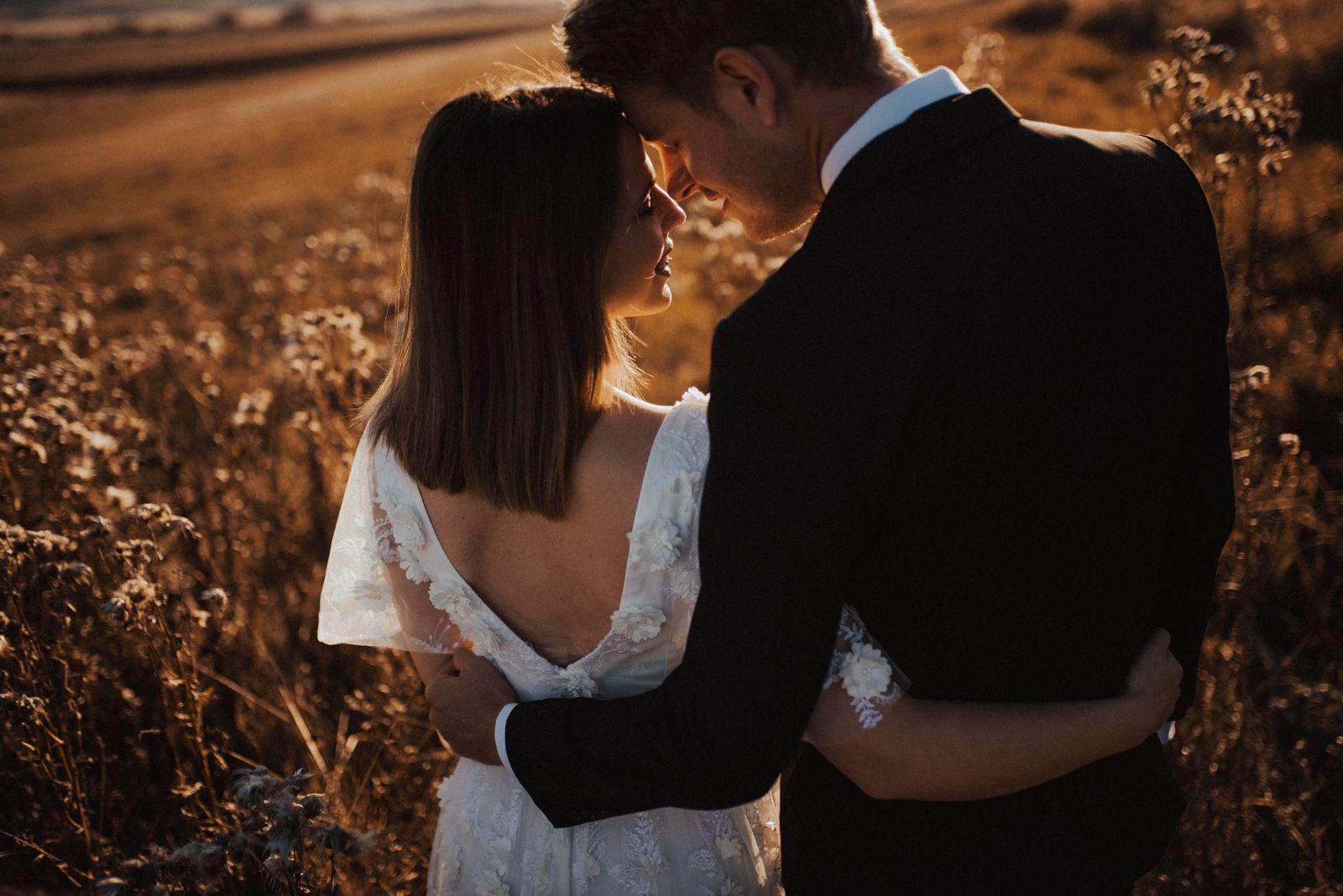
The conversation before the session
A good portrait photographer interviews you back. Expect questions about what the photographs are for, who is coming, what you are anxious about, and whether anyone has mobility needs, sensory sensitivities, or a limited supply of patience — a toddler, a grandparent, most teenagers. Expect practical guidance sent a few days ahead: where to park, what to bring, what to wear, and reassurance that no posing experience is required. If the entire pre-session process is a payment link and a calendar invite, expect the session itself to feel the same way.
Ask directly about direction. "How do you pose people who hate posing?" is not an insult; it is the central technical question of the trade, and professionals answer it fluently: movement prompts instead of static shapes, weight shifted to the back foot, shoulders angled 30 to 45 degrees rather than square to the camera, hands given a job — a pocket, a jacket, a child's hand — and a chin nudged slightly forward and down, which feels odd and photographs well. A photographer who says "just relax and be natural" has told you they have no method for the moment you cannot.
What it costs, and what to check in the price
| Format | Typical 2026 price | Usually includes |
|---|---|---|
| Mini session | $100–$250 | 15–30 minutes, photographer's location, a small set of edited images |
| Standard session | $250–$750 | 45–90 minutes, one location, outfit change, online gallery |
| Premium / branding | $750–$2,000+ | Multiple locations and outfits, more retouching, commercial use |
Before you book, pin down five things in writing: how many edited images are included and what extras cost; whether full-resolution downloads and print rights are included (many portrait photographers include full print rights, but check); how much retouching is standard — colour and polish on everything, detailed retouching on a few; when the gallery arrives, with one to two weeks a common published promise for family sessions; and the rescheduling policy, because children get fevers on portrait days with uncanny reliability. Weekend and golden-hour slots in spring and fall fill first — working photographers commonly advise booking three to six weeks ahead for a specific date, and fall minis go faster than that.
Preparing yourself: wardrobe
The wardrobe rules from working portrait photographers are remarkably consistent, because the camera's complaints are always the same.
Wear something you feel good in. Every photographer's guidance puts this first, ahead of colour theory: discomfort photographs. An outfit you keep adjusting will adjust you.
Coordinate, don't match. For groups, choose a palette — two or three colours that sit well together and with the location — and let each person dress as themselves inside it. Identical outfits flatten everyone into a uniform; a shared palette keeps the group coherent and the people distinct.
Mind the camera's enemies. Very bright colours, tight stripes, busy patterns, and large logos pull attention away from faces. Large blocks of white can blow out in bright light, though white under a jacket is fine. Solid colours and soft textures are the safe professional default. Then the small humiliations: lint-roll everything, empty your pockets, take the hair tie and the fitness watch off your wrist unless you want them in a portrait you will look at for years, and decide about glasses in advance — wear them if they are part of your face, and tell the photographer, because reflections are a lighting problem they can solve if they know.
Bring options. Two or three tops, reviewed with the photographer on arrival, costs nothing and rescues sessions. For children, bring the change of clothes for the disaster you are sure will not happen, plus snacks, water, and the toy that works.
Preparing yourself: timing, light, and nerves
Time of day is a quality decision. Photographers schedule outdoor portraits early in the morning or in the couple of hours before sunset because the light is softer and more flattering; midday sun carves shadows into eye sockets and makes everyone squint. If your session must be at noon, a good photographer will hunt for open shade — the shaded side of a building, a tree line, a covered porch — and you should hear that plan when you book, not on the day.
Arrive early and unhurried. Ten minutes of settling — finding the place, meeting the photographer as a person, letting children inspect the situation — does more for natural expressions than any posing trick. Sessions that start with a sprint from a car park spend their first twenty frames recovering from it.
Understand why you feel stiff, and what fixes it. Posing research and practitioners agree on the mechanism: self-consciousness locks knees, lifts shoulders, shortens breath, and flattens hands, and vague instructions ("relax") make it worse by announcing that you look wrong without saying what to change. What works is a task, not a shape: walk slowly toward the camera, talk to your partner, hold the child, adjust a cuff, look away and look back. Movement gives the body its natural curves back; a held smile fades in seconds, while a real one, caught mid-conversation, does not. Breathe out slowly before the first frames — shoulders drop on an exhale whether you will them to or not. And tell the photographer what you are worried about. A good one has heard "I hate my arms" and "my toddler will not sit still" four hundred times, and has a plan for both that they cannot deploy if you suffer in silence.
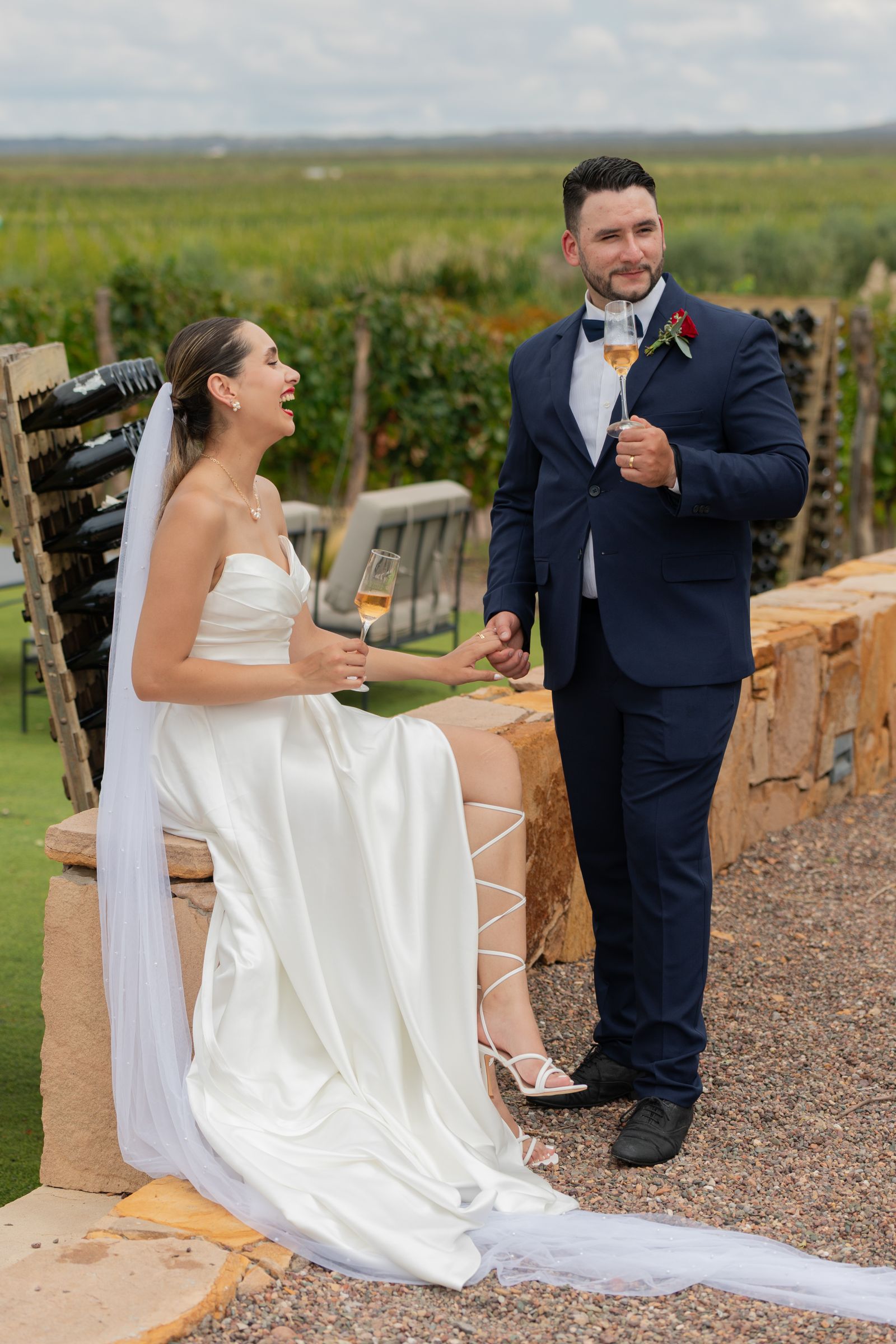
Children, groups, and other honest complications
For family sessions, judge a photographer by their logistics as much as their eye. Group posing is a technical skill — staggering heights so the back row is not a line of heads, closing the gaps people naturally leave between themselves, and working fast while attention lasts. Ask how they sequence a family session (usually the whole group first, while cooperation is fresh, then smaller combinations), what they do when a child melts down (the honest answer involves a break, a snack, and photographing the parents alone for five minutes), and whether they will photograph the combinations you actually need — grandparents with grandchildren, siblings together — if you hand them a short list in advance. Bring the list. Photographers are not mind-readers, and "we forgot one with Grandma" is the saddest sentence in the business.
Booking, and the morning itself
Book when you have seen a full session, matched the style to the job, confirmed the included images and print rights in writing, and heard a direction method you believe in. This site lists 672 portrait photographers among its more than 32,000 photography listings, alongside 375 children photographers and 375 portrait studios — the choice is wide enough that "they were available Saturday" should never be the deciding factor on its own.
On the day: eat, hydrate, sleep if the household allows it, lint-roll, empty pockets, arrive ten minutes early, and then hand the problem to the professional you hired. Your only remaining job is the one no photographer can do for you — be there, with the people you brought, in a good enough mood. The first fifteen minutes will feel awkward. They feel awkward for everyone, including, once, the person holding the camera. Frame forty is the one you will frame.
Sources
- Aftershoot, "The Beginner's Photography Pricing Guide" (2026) — portrait session bands: minis $100–$250, standard $250–$750, premium/branding $750–$2,000+. https://aftershoot.com/blog/photography-pricing-guide/
- Thumbtack, "2026 Photographer Prices" — national average portrait session cost of $277. https://www.Thumbtack.com/p/photographer-prices?browse_view=0
- Lauren B. Photography, Portrait and Event Photography FAQ — wardrobe guidance (comfort first, coordinate rather than match, avoid busy patterns and large blocks of white, lint-roll) and published mini and session pricing. https://laurenbfalk.com/faqs
- Mike Pittman Photography, Portrait FAQs — 45- and 90-minute session formats, morning and pre-sunset light, three-to-four-week booking advice, print rights. https://www.pittmanphoto.com/portrait-faqs/
- PhotographyIcon, "Portrait Posing Guide" — weight shift, body angle, chin position, and giving hands something to do. https://photographyicon.com/portrait-posing-guide/
- Kristie Montrois, "Avoiding Stiff Poses in Portrait Photography" (2026) — movement over held poses, breathing, and props for hands. https://kristiemontrois.com/2026/09/30/avoiding-stiff-poses-in-portrait-photography/
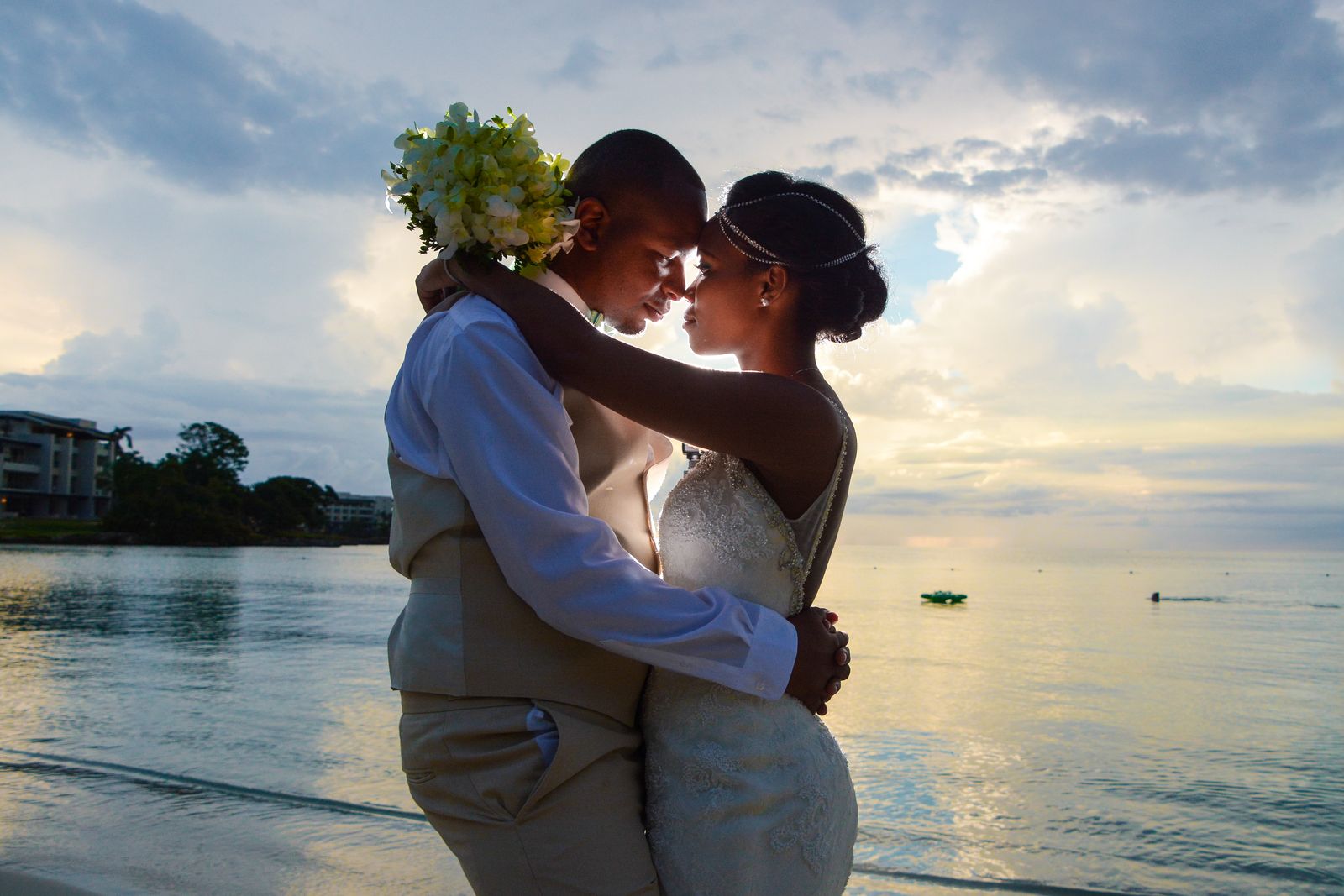
Photos: Formally posed couple — photo by Sandro Crepulja, https://www.pexels.com/photo/3361200/ ; Vineyard couple — photo by Lilen Diaz, https://www.pexels.com/photo/joyful-wedding-couple-toasting-in-mendoza-vineyard-31531920/ ; Beach couple at sunset — photo by Giuseppe Messina, https://www.pexels.com/photo/a-couple-having-a-beach-wedding-4364780/
More guides
- How to Find a Wedding Photographer: The Complete, Honest GuidePhotographers › Wedding Photographers
- How Much Does a Wedding Photographer Cost? Packages DecodedPhotographers › Wedding Photographers
- 10 Questions to Ask a Wedding Photographer Before You BookPhotographers › Wedding Photographers
- Wedding Photography Styles Explained: Documentary, Editorial, Traditional, Fine ArtPhotographers › Wedding Photographers
- Hiring a Wedding Photographer in California: Venue Light, Permits, and Price LevelsPhotographers › Wedding Photographers
- All Guides & ArticlesBrowse the full guides library