Photographers › Wedding Photographers
How to Hire an Interior-Design Photographer When You're Selling Your House
There are two kinds of photographers who will happily take your money to photograph your house for sale, and they barely overlap. The first is the real-estate photographer: fast, systematic, in and out in an hour, twenty-five to forty bright HDR images in your agent's inbox tomorrow. The second is the interior-design photographer: slow, deliberate, half a day or a day in your house, moving a chair four inches and waiting forty minutes for the light to cross a room — and delivering perhaps ten finished photographs that look like they belong in a magazine, because that is literally the work they do the rest of the year.
Neither is the "good" one. They are different instruments, and hiring the wrong one wastes money in both directions: the design photographer is an extravagance for an ordinary listing that needs coverage and speed, and the listing photographer cannot give a design-led house — a renovation you're proud of, an architect's work, a home whose price rests on how it feels — the images its price tag is asking for. This guide explains how the two differ in practice, what the design-led shoot costs and buys, and how to run one so the photographs and the staging work as a single act of persuasion.
Two crafts that share a camera
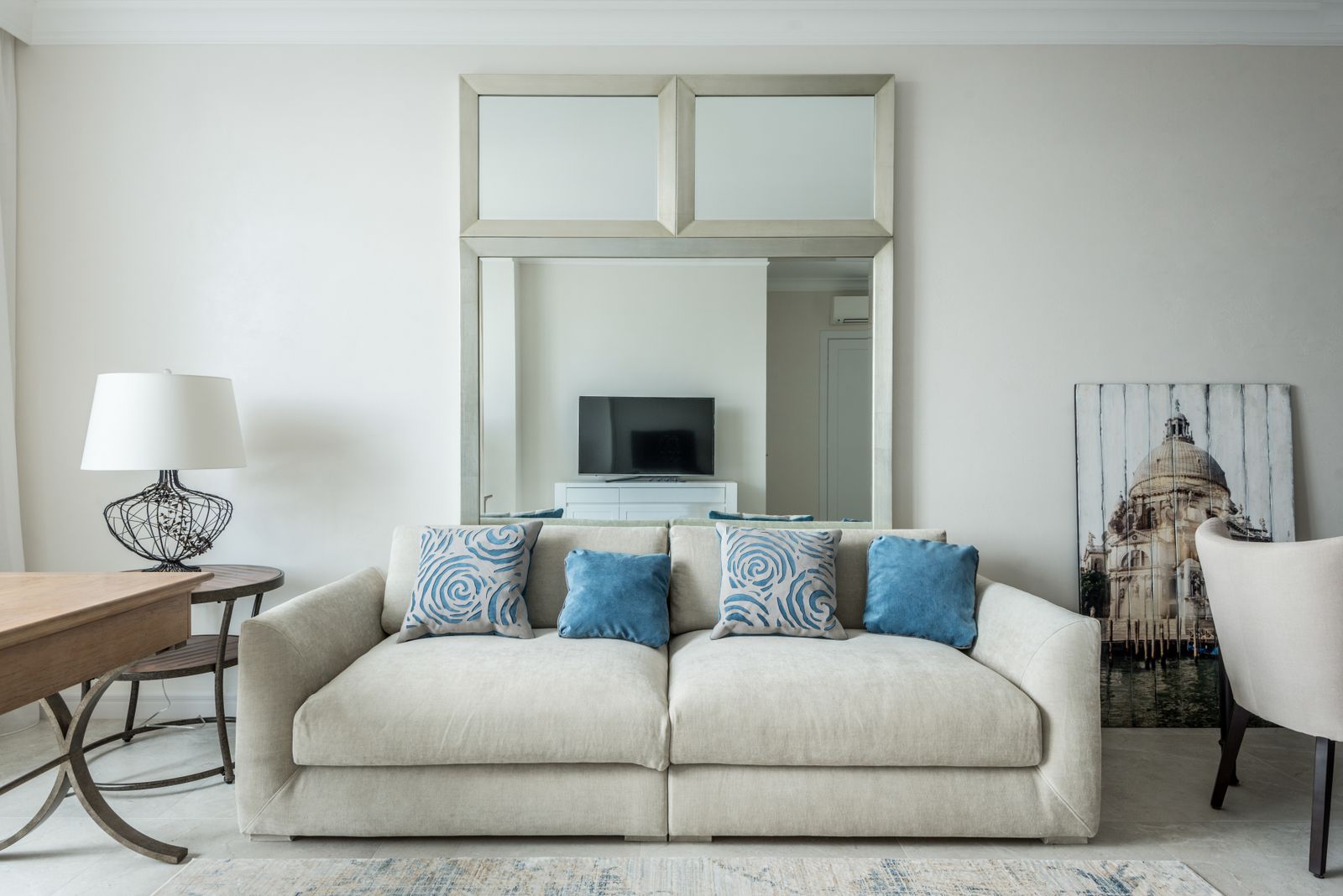
The cleanest way to see the difference is to compare what each shoot optimises for. Real-estate photography optimises for the listing system: complete coverage of every room, accurate representation, fast turnaround — typically 24 to 48 hours — and a price, commonly $150 to $500 a shoot, that an agent can absorb as a routine marketing cost. Its images are built to convert listing views into showing requests, and at that job the good ones are excellent.
Interior and architectural photography optimises for design quality. The photographer's subject is not the room's existence but its intent: the sightline the designer built from the hall to the garden, the material change where the kitchen meets the oak floor, the way the stair light falls at 4 p.m. Shoots run from a few hours for a single room to a full day for a house; the editing is compositing work — a single finished image may blend three to ten exposures, with flash and ambient frames layered so windows hold their view while the room keeps its warmth — and delivery is measured in days or a couple of weeks, not hours. Photographers who do this work describe the same arithmetic from the other side: ten to twelve finished photographs from a full day is a normal, honest yield.
The gear tells the story too. Both use tripods and wide lenses. The design photographer adds tilt-shift or perspective-control lenses to keep architecture true without software stretching, brings their own lighting rather than relying on exposure blending alone, and — the tell that matters most on the day — works with a stylist's eye, or an actual stylist: straightening, editing and arranging the room for the frame between shots, tethered to a laptop so each composition is judged at full size before moving on.
When the upgrade is worth it — and when it isn't
The case for the design-led shoot is strongest where the house's value is in its design rather than its specifications. A thoughtful renovation, an architect-designed home, a house in a design-conscious neighbourhood competing against other beautiful houses, a listing whose buyers will be found through editorial and social channels as much as the portals: in these sales, the photographs are not illustrating the price, they are arguing for it.
Staging research explains the mechanism. The National Association of Realtors' 2025 Profile of Home Staging found that 83 percent of buyers' agents said staging made it easier for a buyer to visualise the property as their future home; 73 percent of buyers' agents rated having photos available as much more or more important to their clients — ahead of physical staging itself at 57 percent; 49 percent of sellers' agents said staging reduced time on market; and 29 percent of sellers' agents reported staging lifted the dollar value offered by 1 to 10 percent. Read those numbers together and the conclusion writes itself: for most buyers, the staging is the photographs. Money spent staging rooms that are then photographed indifferently is money half-spent — and money spent on exquisite photography of unstaged, cluttered rooms is the same error in reverse. The median cost of a staging service in NAR's survey was $1,500, against $500 when the agent staged the home personally. A design photographer's fee belongs in that same budget conversation, not in a separate one.
When is it not worth it? When the house will sell on location, school district and square footage to buyers comparing spreadsheets; when the market is moving so fast that a two-week editorial timeline costs you the moment; when the likely buyer is an investor or a demolisher; or when the total marketing budget is small enough that the design premium would eat the staging, the floor plan and the video combined. In those sales, book the best listing photographer you can find, and spend the difference on preparation.
What it costs
Interior and architecture photography is priced like commercial photography, because it is: a creative or day rate, often plus a per-image fee, plus licensing. Current market guides put standard residential and commercial interior projects at roughly $400 to $3,000, with full architectural assignments — exteriors, twilight, extended licensing — running $800 to $8,000 and up. A designer or homeowner documenting a finished home typically pays $600 to $2,500 for a half-day to full-day shoot covering the house and yielding on the order of 8 to 15 finished images; established specialists in major markets charge day rates around $600 to $2,000 plus usage fees, and one working interior photographer's published structure — about a $1,000 day rate plus roughly $100 per finished photo in a large city — is a useful mental model. Single-room or small-space shoots can start as low as $300 to $600 in some markets.
| Listing (real-estate) shoot | Interior-design shoot | |
|---|---|---|
| Time in the house | About an hour | Half a day to a full day |
| Finished images | 25–40 | Typically 7–15 |
| Turnaround | 24–48 hours | Several days to ~2 weeks |
| Typical cost | $150–$500 | $600–$2,500 for most homes; $3,000+ for editorial-tier names |
| Styling during shoot | Minimal — shoot the house as presented | Active — stylist's eye or a stylist on set, tethered review |
| Licensing | Listing use, usually while the home is yours to sell | Negotiated — clarify listing, portfolio and resale use in writing |
| Best for | Most sales, speed, complete coverage | Design-led homes whose price rests on feel and finish |
Get the licensing conversation done before the shoot, not after. Commercial photographers price by use; the fee you are quoted assumes a use you described. For a sale, you need the images for the listing, the portals, social media and print brochures for the duration of your sale — and you should ask what happens to the rights if the home does not sell and you relist with another agent, and whether the designer or stager involved may use the images in their own portfolio (usually negotiable, often granted, sometimes charged). Surprises in this paragraph are the most common source of friction in the whole transaction, and they are entirely avoidable in one email.
Finding and vetting the right photographer
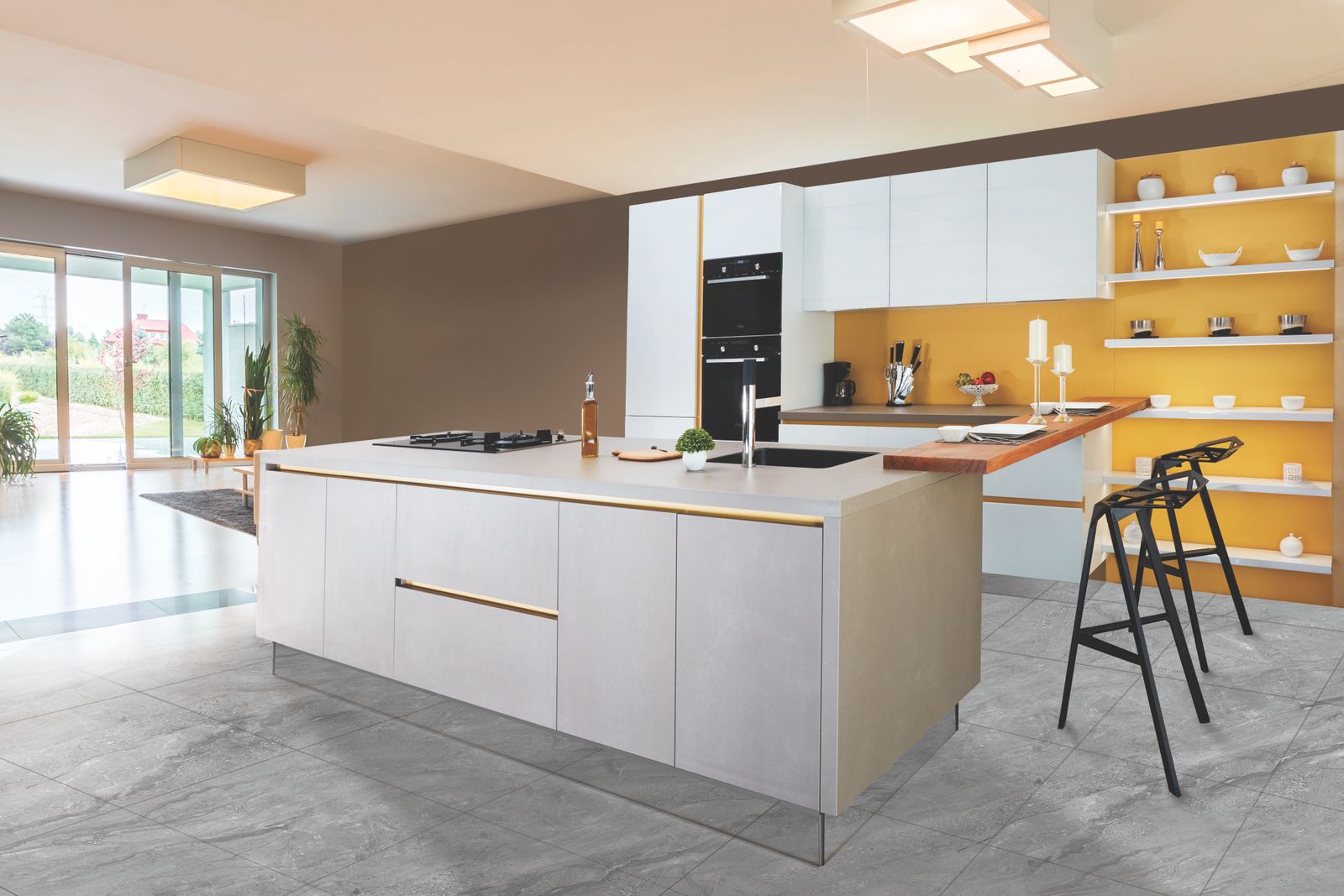
You are shopping in a different directory than the listing world. Interior-design photographers are found through designers, architects, stagers and shelter-magazine credits as much as through photography listings — this site alone records 5,719 commercial and industrial photographers and 141 architectural specialists, and the honest way to use any directory here is to shortlist by portfolio, then interrogate the portfolio properly.
Judge the book on three things. Light: do their rooms hold window views and interior warmth at once, or does every window blow white and every corner go muddy? Restraint: design photography uses natural focal lengths more honestly than listing work — rooms should look their size, composed rather than stretched. Consistency at the level you can afford: ask to see one complete delivered set from a single ordinary house, not a portfolio of career-best frames from magazine commissions with stylists and art directors you are not hiring.
Then ask the sale-specific questions. Have they shot homes for sale before, and do they understand that your timeline has a listing date in it? Will they work alongside your stager — the ideal arrangement is staging completed, then the photographer and stager walking the house together on shoot day, styling each frame between them? What is included: how many finished images, at what resolution, in what timeframe, with what licensing? And can they also supply the listing system's unglamorous necessities — a full set of straightforward room coverage, MLS-sized files — or will you need the listing photographer as well for the portal set? Many sellers of design-led homes end up with a hybrid: the design shoot for the hero images that carry the campaign, and standard coverage for completeness. That is not duplication; it is the two crafts each doing their own job.
Running the shoot
Sequence is everything. The shoot happens after cleaning, repairs and staging are complete — never before, never in parallel with a stager still unpacking — and it is scheduled around the house's own light, which the photographer should scout or at least discuss: which rooms are morning rooms, when the garden-facing glass is lit, whether a twilight exterior is worth the return visit. On the day, your job is absence and readiness: pets out, cars moved, every bulb working and matched in colour temperature, beds made hotel-tight, counters cleared, bins and hoses and chargers gone. The photographer and stager compose; you keep the house still around them.
Build the schedule backwards from the listing date with the editorial timeline honestly included: shoot day, selection of frames, retouching, delivery, then listing. If the market will not wait for that, it is information — it means this was a listing-photographer sale after all.
The decision, plainly
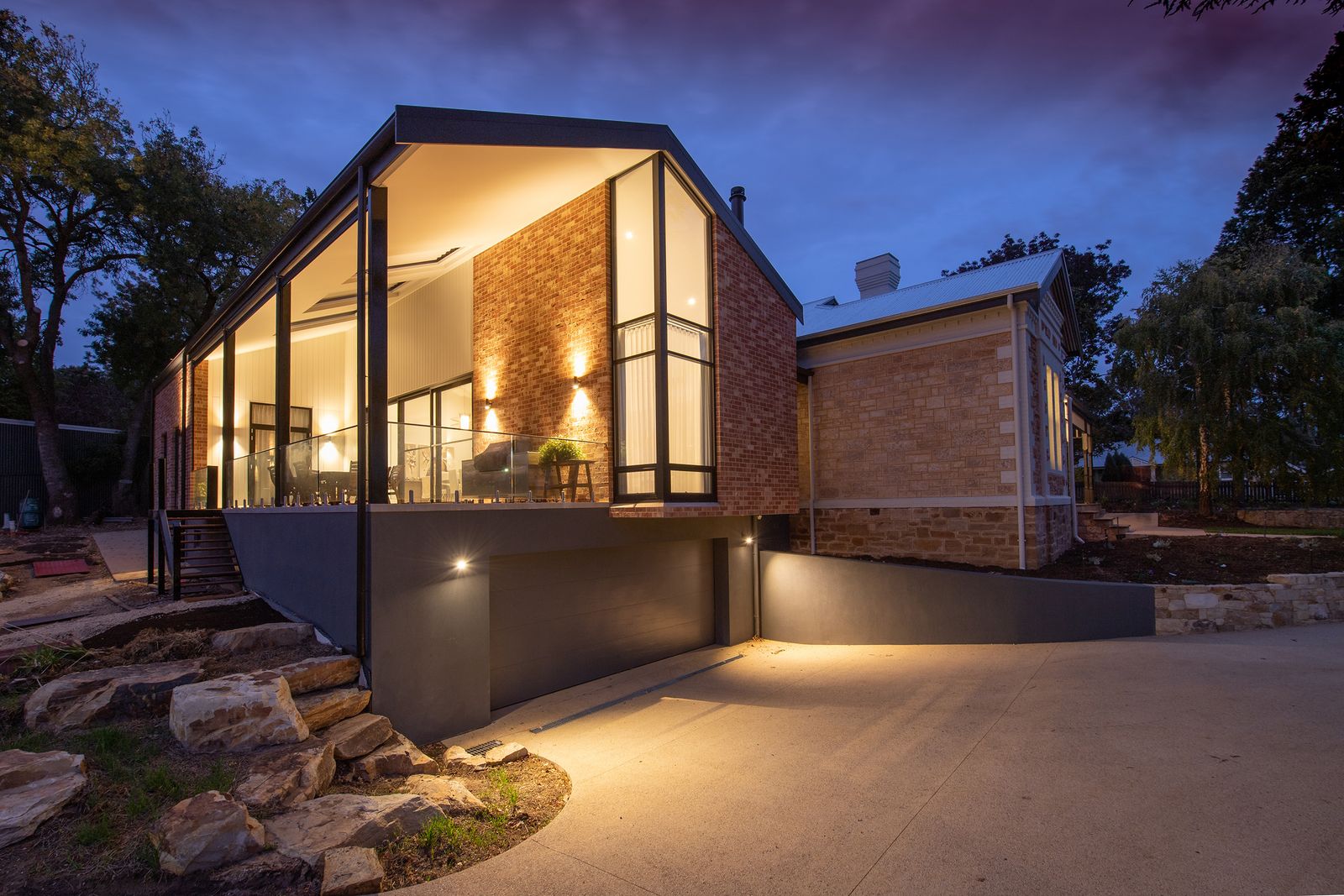
If your house competes on specifications, hire for coverage and speed and put your money into preparation. If it competes on how it feels — on design a buyer has to see to value — then the photographs are not a marketing accessory; they are the valuation, presented visually. In that sale, a photographer who shoots ten considered frames, styled with the stager and lit like a magazine page, is not a luxury upgrade on the $300 listing shoot. They are a different professional, doing a different job, at a price — typically somewhere between $600 and $2,500 for most homes — that sits comfortably inside the staging budget NAR's data already justifies. Hire them the way designers do: by the portfolio, with the licensing in writing, on a timeline built backwards from your listing date. Then let the first showing — the one on the phone, in the feed, where 83 percent of buyers' agents say the imagining happens — do the work you paid for.
Sources
- PhotographersRanked, "Architecture and Interior Photography: What It Costs and How to Find the Right Specialist in 2026" (June 30, 2026) — interior/architecture projects $400–$3,000; full architectural assignments $800–$8,000+; residential interior shoots $600–$2,500 for a half-day to full-day covering 8–15 rooms; established architectural day rates $600–$2,000 plus usage licensing; real-estate photography characterised as 24–48-hour turnaround, 25–40 HDR images, $150–$500 per shoot.
- Sean Carranza Photography, "Interior & Architectural Photography vs Real Estate Photography" (working photographer's comparison) — listing shoots deliver ~25 photos with ~2-business-day delivery; interior/architectural shoots yield ~10–12 photos in a full day, each composited from 3–10 exposures; real-estate packages commonly $100–$300; interior/architectural pricing as a day rate plus per-photo charge, a seasoned large-city practitioner at ~$1,000/day plus ~$100/photo.
- Antonio Cuellar Photography (Miami interior-design photographer, 20+ years) — interior-design photography $300–$600 for a small space/single room up to $2,500–$5,000+ for larger homes; editorial process vs fast-paced listing work; ~7–10 final images from a full day's interiors shoot.
- National Association of Realtors, 2025 Profile of Home Staging (survey conducted Feb 2025; NAR press release May 6, 2025 and full report) — 83% of buyers' agents said staging made it easier for buyers to visualise the home as their future home; photos rated much more/more important by 73% of buyers' agents, physical staging 57%, videos 48%, virtual tours 43%; 49% of sellers' agents said staging reduced time on market; 29% of sellers' agents reported a 1–10% increase in dollar value offered; most-staged rooms: living room 91%, primary bedroom 83%, dining room 69%; median staging-service cost $1,500 vs $500 when the agent staged personally.
Photographs
- photo by Max Vakhtbovych, https://www.pexels.com/photo/sofa-with-cushions-in-living-room-5998023/
- photo by Saviesa Home, https://www.pexels.com/photo/kitchen-island-2089698/
- photo by Littlehampton Bricks, https://www.pexels.com/photo/modern-house-facade-with-glowing-lights-at-dusk-4626268/
More guides
- How to Find a Wedding Photographer: The Complete, Honest GuidePhotographers › Wedding Photographers
- How Much Does a Wedding Photographer Cost? Packages DecodedPhotographers › Wedding Photographers
- 10 Questions to Ask a Wedding Photographer Before You BookPhotographers › Wedding Photographers
- Wedding Photography Styles Explained: Documentary, Editorial, Traditional, Fine ArtPhotographers › Wedding Photographers
- Hiring a Wedding Photographer in California: Venue Light, Permits, and Price LevelsPhotographers › Wedding Photographers
- All Guides & ArticlesBrowse the full guides library