Photographers › Stock Photographers
How to Prepare for Stock Photographers: The Week Before, the Day Itself, and After
A stock shoot looks like any other photo session until you understand what the pictures are for. A wedding photographer's images go to one couple. A stock photographer's images — this site lists 314 stock photographers — go out into the world: licensed by businesses you have never heard of, for campaigns that do not exist yet, in countries you may never visit. If you and your family are the people in those images — as models for a photographer's library, as the real family in a brand's commissioned stock-style shoot, or as hosts whose home and celebration are being photographed for licensing — then preparation is not about looking your best. It is about making the images usable, and about knowing exactly what you have agreed to before the first frame is taken.
I assisted on stock shoots, and I can tell you the failures were never photographic. They were a logo on a child's T-shirt that killed forty frames. A release form nobody could find. A grandfather who turned out to be recognisable in the background of the best shot and had never signed anything. Every one of those was preventable in the week before. Here is the preparation, in the order it should happen.
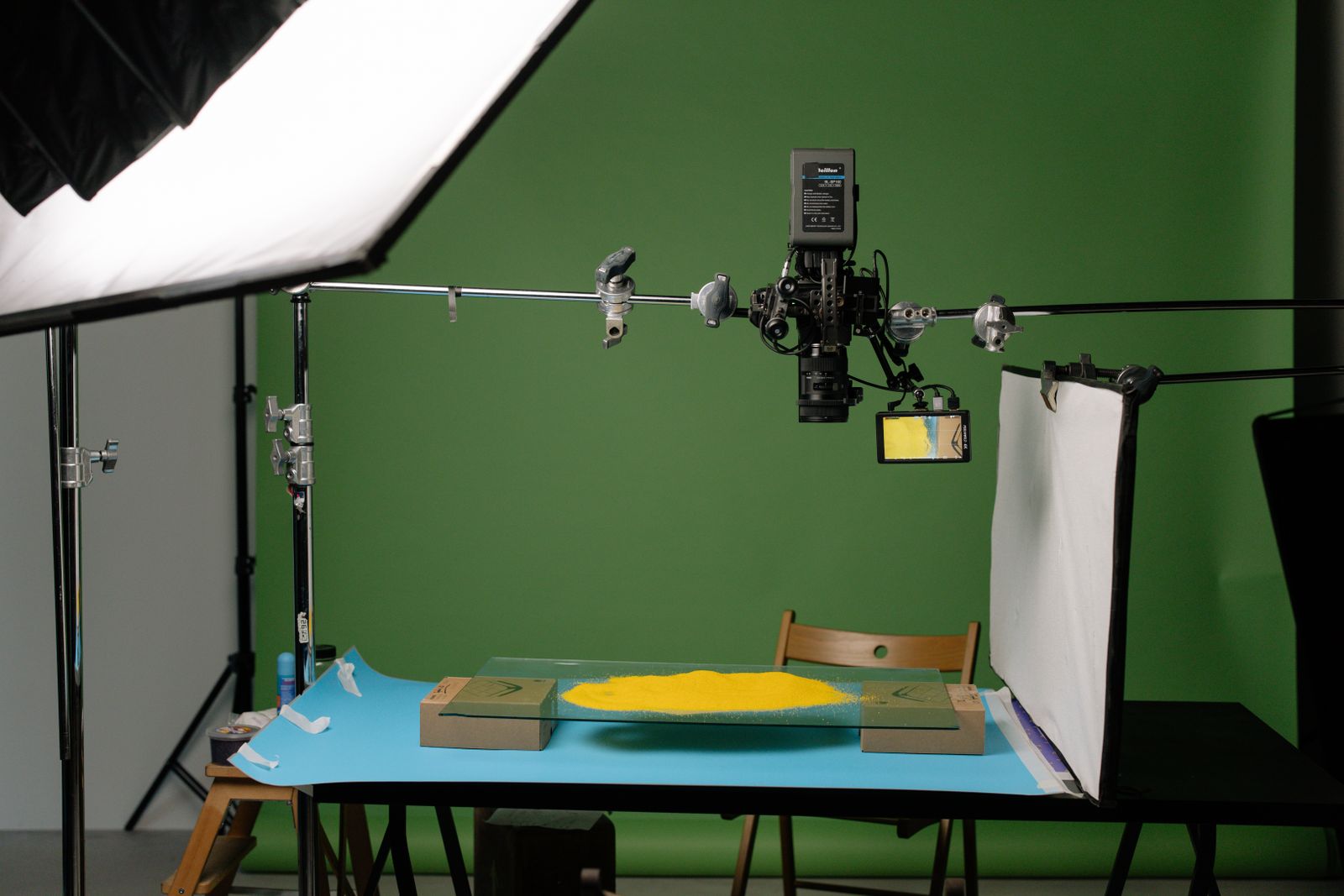
The week before: the paperwork is the shoot
Read the release before the week gets busy — and understand what kind of release it is. The model release is the central document of stock photography: your written permission for your likeness to be used commercially. Stock agencies — Adobe Stock, Shutterstock, Getty Images and the rest — will not accept an image containing a recognisable person for commercial licensing without a signed release on file. Two things deserve your attention. First, scope: for stock, releases are normally broad — the whole point is licensing across unpredictable future uses — and a release with no time limit is generally treated as perpetual. That is standard, not sinister, but you should sign it knowing it, and if the shoot is a private commission for your own family's use rather than the photographer's library, the scope should say so and be narrower. Second, the details agencies actually check: the release needs your legal name and contact details, the shoot's date and location, the scope of permitted uses, the right to edit the images, and something of value exchanged — and rules differ between agencies in ways that matter, down to Shutterstock requiring signatures physically written (pen, stylus or finger on a screen) rather than typed, and requiring a witness who is neither the photographer nor the model.
Know who counts as "recognisable." It is wider than you think. The test the agencies use is whether the person could recognise themselves — not whether a stranger could name them. A face is the obvious case, but tattoos, birthmarks, distinctive clothing, a recognisable location, even a back-turned figure or a cropped body part can carry recognition. Shutterstock requires a release for every recognisable person in an image, including background figures, and including the photographer themselves when they appear. The practical consequence for a family shoot: everyone who might drift into frame — grandparents, neighbours, the friend who came to help — is either signed or kept out of shot. Decide which, in advance, person by person.
Children need a parent's or guardian's signature. If your children are in the shoot, you will sign for them. Read what you are signing on their behalf with the same care as your own release — broader, because they cannot revisit the decision at eighteen.
Sort the property releases for your home. If the shoot is at your house, recognisable property can need a release too: the house itself if it is identifiable, artwork on the walls (a painting that is the focus of a shot needs its artist's permission), and anything with a brand on it. Which brings us to the week's most practical job.
Do the logo sweep. No company names, brand names or logos — or any recognisable portion of one — are permitted in commercial stock. Not the swoosh on a trainer, not the stripes on a sleeve, not the label on a bottle in the background, not a storefront sign through the window. Agencies reject images for a corner of a logo; photographers retouch them out at painful cost in time. The week before, go through the wardrobe and the rooms with that single rule in mind: clothing plain, solid-coloured, clean and new-looking; props unbranded or turned so no mark shows; artwork, books, bottles and branded household objects out of the shooting rooms or out of shot. Distinctive patterns deserve the same suspicion as logos — designer patterns can be protected intellectual property in themselves. Tattoos are a genuine edge case: heavy tattooing may need covering, or the tattoo artist's own permission, because the artwork is theirs. Ask the photographer how they handle it rather than discovering it on the day.
Agree the brief and the shot list. Stock photographers shoot for commercial usefulness — images that communicate something a buyer needs — which is not identical to the images you would choose. If this is a commissioned shoot (you are paying, for your event or your business), say in advance which specific images you need; one stock photographer's own guidance to clients offers around five company-specific images worked into the library shoot, with longer wish lists treated as extra work. If you are modelling for the photographer's own library, the brief is theirs — but you are still entitled to know the concepts, the wardrobe and the situations you will be asked to portray, before the day.
Confirm the commercial terms while you still have leverage. What are you being paid, or what are you receiving — copies of the images, a print credit, a fee? If the photographer is paying you, when and how? If you are paying them, what do you receive: which files, in what form, licensed for what? And the question families forget: will you be told, or can you find out, where the images end up being used? Agencies do not usually notify models of individual licences, so set your expectations by the release you signed, not by hope.
The day itself: be boring, be early, be consistent
Bring the wardrobe, plus the spares. The agreed plain clothing, ironed, plus one or two alternates in the same spirit — because a coffee spill or a photographer's change of concept should not end the shoot or introduce a logo by the back door. Hair bands for long hair outdoors, matte powder if you use makeup (flash finds shine), and your own hairspray if you have a preference — the working photographer's preparation notes ask for exactly these, because they are the things whose absence costs shooting time.
Sign before the first frame, not after the last. Releases signed on the day should be completed before photography starts, while everyone is present, identifiable and unhurried. Keep your own copies — photograph the signed forms with your phone if nothing else. A release you cannot produce later is a story, not a document.
Stay in the agreed world. Stock images sell realism within a concept: the college student dressed like a college student, the family kitchen looking like a family kitchen — a lived-in one, tidied to the level you prepared, not a showroom nobody believes. If the photographer redirects wardrobe, hair or setting, they are usually protecting the images' commercial usability. Ask if you are curious; comply if you have agreed the brief.
Mind the edges of the frame. The logo rule applies all day, not just in the wardrobe check: the branded water bottle that migrates onto the table, the delivery van visible through the window, the copyright character on a child's toy. On a stock set, the assistant's job is watching for exactly this. You can do the photographer a real service by watching too — and by keeping unsigned people out of the background of shots, or flagging them when they wander in, so the release problem is solved in the moment rather than in the edit.
Expect repetition and volume. Stock shooting is not portrait shooting. The photographer is building a set of licensable variations — the same scene wider, tighter, vertical, with copy space — and will shoot far more frames than a family session would, most of which will never be selected. That is the economics of the library, not a judgement on you.
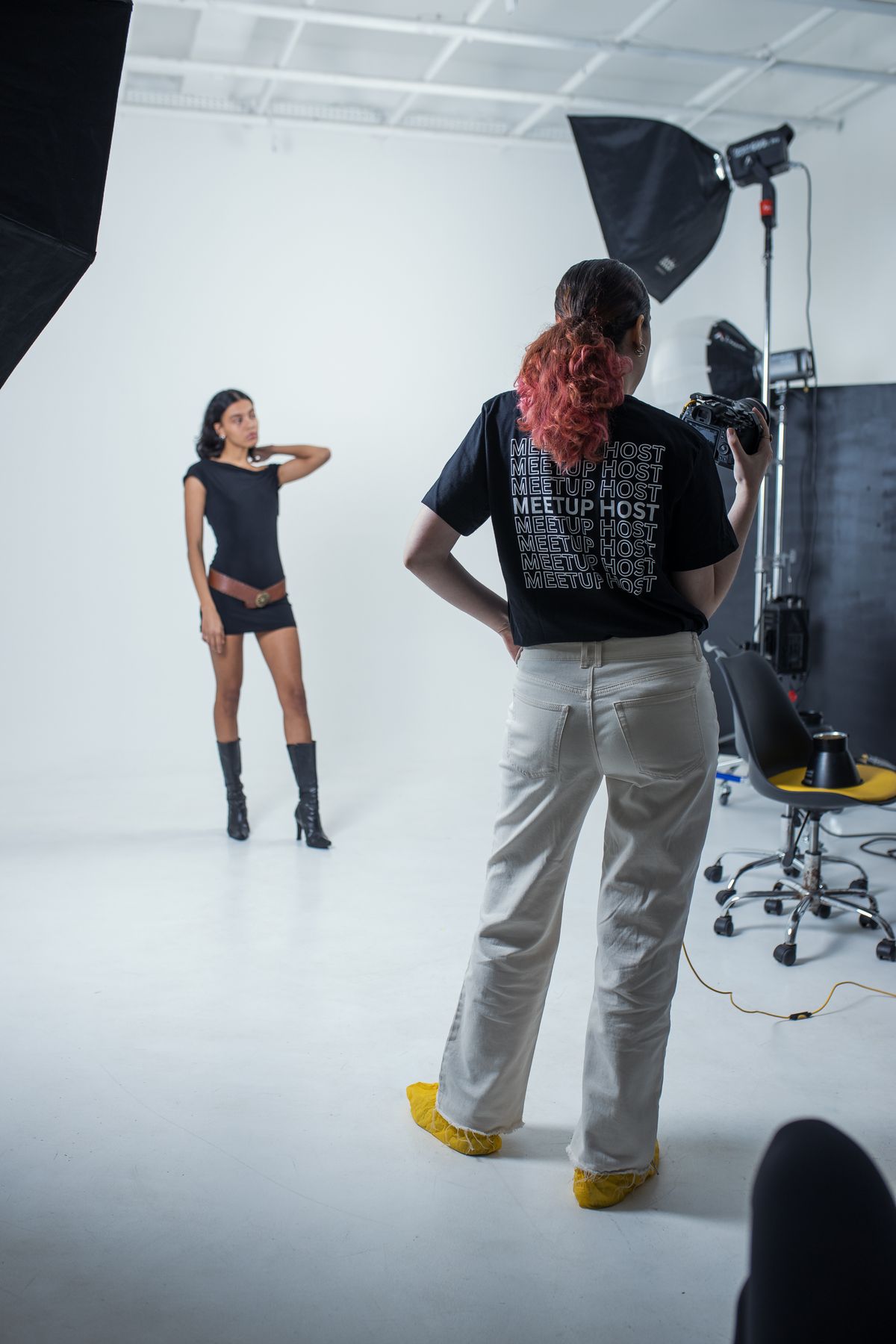
After: what to check, and what to expect
Get your copies of everything. The signed releases, the agreement, and — if copies of images were part of your arrangement — the files themselves, on the schedule agreed. If the deal was a fee only, confirm payment details before the trail goes cold.
Check the images you receive against the agreement. If you commissioned the shoot: are the specific images from your list there, in the form promised? If you modelled: are the images you were given for your own use actually licensed for the use you intend? A model's complimentary copies are not automatically cleared for your own business advertising; check the paper rather than assuming.
Understand what you will not be told. Once released images enter the libraries, they can be licensed at any time, for years, without notice to you. That is the system you signed into, and the week-before reading of the release is where your control over it lived. If an image of you surfaces somewhere you find genuinely objectionable, your route runs through the release's scope and the agency's processes — another reason the scope was worth reading slowly.
Keep your records with the images. Photographers and agencies keep releases attached to image files for the life of the licensing. Do the same at your end: the release, the agreement, the payment record, in one folder. If a question about an image arises in five years — and with stock, five years is nothing — the folder is the answer.
| When | The essentials |
|---|---|
| The week before | Read the release's scope; list every recognisable person and decide signed-or-out-of-frame; parent signatures for children; property and artwork check; the logo sweep of wardrobe and rooms; agree the brief, shot list and commercial terms |
| The day | Plain wardrobe plus spares; sign before the first frame and keep copies; keep brands and unsigned people out of shot; expect volume and variations |
| After | Collect releases, agreement and any promised files; check your own-use rights on copies you receive; file everything together; expect licensing without notice |
The point of preparing
None of this is bureaucracy for its own sake. A stock shoot is a small legal and commercial machine disguised as a photo session: releases that must satisfy agencies with differing rules, frames that must be clean of other people's intellectual property, and images built to be sold to strangers for purposes nobody can enumerate in advance. The families and couples who do well in that system are not the most photogenic. They are the ones who read the release in the quiet of the week before, swept the logos while there was time to launder a plain shirt instead, and kept their copies afterwards. The photographer's job is the images. Yours is everything that makes the images usable — and everything that makes your yes an informed one.
Sources
- PixTagger, Model & Property Releases: What 9 Agencies Require — the recognition test (whether the person would recognise themselves), agency-by-agency release rules including Shutterstock's handwritten-signature and independent-witness requirements and Adobe's electronic-signature workflow.
- SuperStock, Model and Property Releases Explained for Stock Photography — what model and property releases are, recognisability beyond the face (tattoos, birthmarks, distinctive clothing), parent or guardian signature for minors, and releases being required for commercial rather than editorial use.
- LegalClarity, Photography Model Release: When You Need One and What to Include — the elements of an enforceable release, limited versus unlimited scope, and broad releases being standard for stock licensing.
- 500px ISO, 3 Releases You Need to Know About When Licensing Your Photos and How to Style Your Model for a Commercial Shoot — model, property and ticketed-event releases; plain solid-coloured wardrobe; logos and distinctive patterns as rejection and intellectual-property risks.
- The Photography Firm, Preparing for a Stock Shoot — plain, new-looking clothing without branding, tattoo covering or artist permission, removing branded objects and artwork from shooting rooms, and working a small number of client-specific images into a library shoot.
- Beyond Here, What Models Should Know About Stock Photo Shoots — models should expect to sign a release before shooting begins and keep a copy, and stock's emphasis on useful, realistic images over beautiful ones.
Photos: Studio product setup — photo by cottonbro studio, https://www.pexels.com/photo/5878878/ ; Directing a session — photo by Matheus Bertelli, https://www.pexels.com/photo/33714920/ ; Stack of photographs — photo by Suzy Hazelwood, https://www.pexels.com/photo/1989747/
More guides
- How to Find a Wedding Photographer: The Complete, Honest GuidePhotographers › Wedding Photographers
- How Much Does a Wedding Photographer Cost? Packages DecodedPhotographers › Wedding Photographers
- 10 Questions to Ask a Wedding Photographer Before You BookPhotographers › Wedding Photographers
- Wedding Photography Styles Explained: Documentary, Editorial, Traditional, Fine ArtPhotographers › Wedding Photographers
- Hiring a Wedding Photographer in California: Venue Light, Permits, and Price LevelsPhotographers › Wedding Photographers
- All Guides & ArticlesBrowse the full guides library