Photographers › Studios
How to Prepare for Studios: The Week Before, the Day Itself, and After
A rented studio is the most controllable environment in photography, and the least forgiving of improvisation. Outdoors, the light changes and everyone adapts together; in a studio, the clock is the weather. You are paying by the hour for a room, a set of lights, and a backdrop, and every minute spent discovering that the ceiling is too low for your setup, that the seamless paper is an extra charge, or that your shot list is ordered by outfit instead of by lighting setup is a minute bought and burned. I managed a portrait studio long enough to see the pattern from the house side: the renters who got everything they came for were not the most experienced photographers. They were the ones who treated the booking like a small production — prepared a week out, ran the day to a plan, and left the room, and their files, in a state that made the next step easy. This guide follows that rhythm: the week before, the day itself, and after.
The week before: turn the booking into a production
Confirm what the rate actually buys. The headline hourly rate is a starting point, not a total. Working rental studios publish the structure plainly if you ask: one Los Angeles studio rents at $150 an hour with lighting and grip as a $25-an-hour add-on, guest fees for groups of five or more, and camera rental and a photographer as further add-ons; a Miami studio starts at $110 an hour on weekdays and $130 on weekends, all-inclusive, with extras itemized down to $15 for paper backdrops and $75 for a fresh cyclorama repaint. Marketplace data puts photo studio rentals in mid-sized cities around $76 to $81 an hour on average. The only number that matters is the all-in total for your exact hours: rate × hours, plus gear, plus guest or crew fees, plus cleaning, deposits, and parking. Get it in writing a week ahead, while there is still time to change studios if the total surprises you.
Ask the time questions before they cost you. Do setup and pack-out count toward your booked hours? At most studios, yes — which means a three-hour booking with an hour of combined setup and teardown is a two-hour shoot. What is the minimum booking, the overtime rate, and can you extend on the day if the room is free? How early can you arrive, and is there a hard stop because another renter follows you? First-timers are routinely advised to book two to three hours minimum, and the honest version of that advice is: book the shoot you have planned, plus the setup it needs, plus a margin for the one setup that will not work the first time.
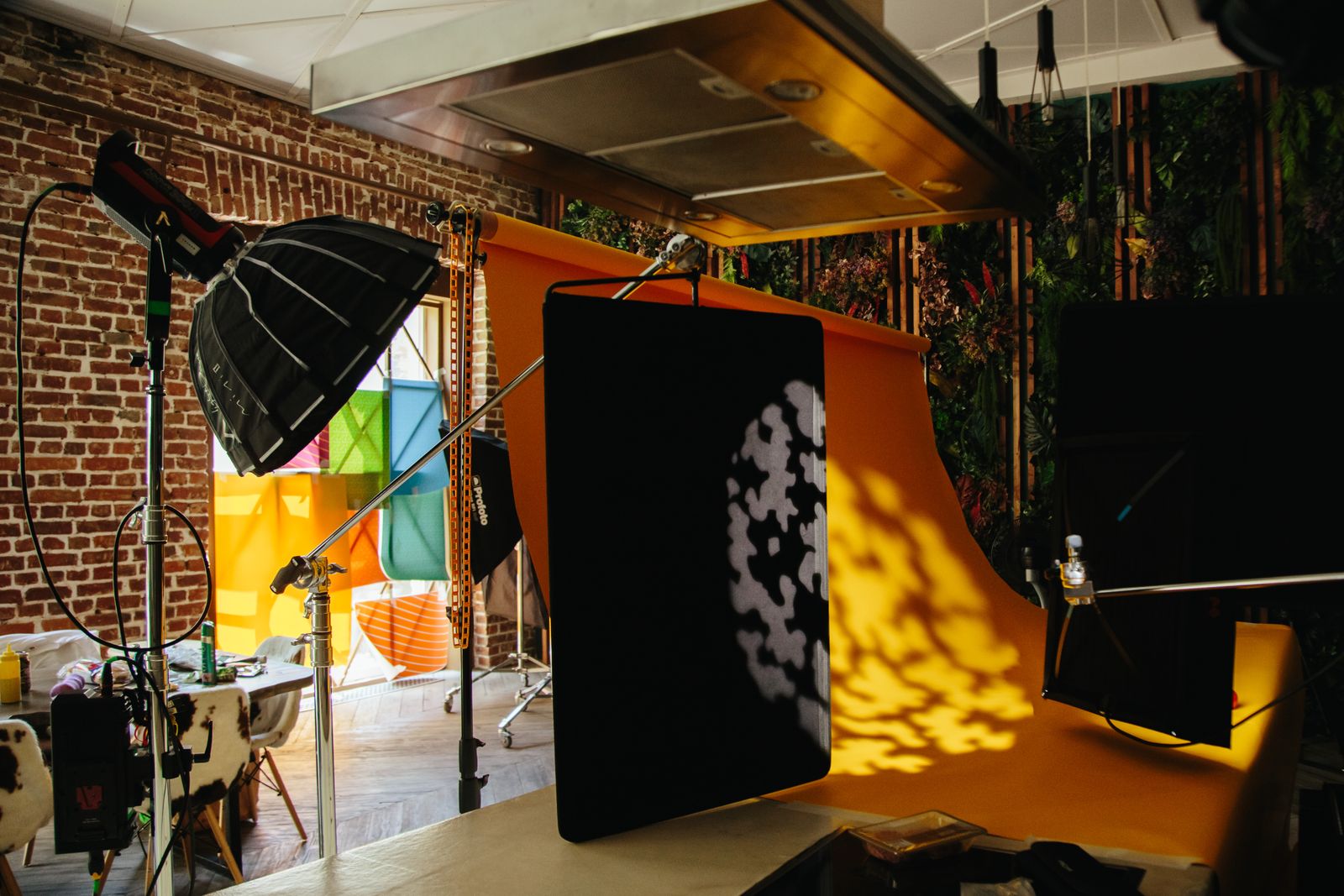
Match the room to the shot list, on paper. Write the shot list first, ordered by lighting setup rather than by subject or outfit — every change of lighting is ten to twenty minutes of a paid hour, so grouping shots by setup is the single largest efficiency in studio work. Then check the room against it: dimensions and ceiling height against your largest setup, the backdrop and cyclorama condition (a scuffed cyc wall photographs as a scuffed cyc wall; ask when it was last painted and what leaving it dirty costs), natural light and blackout options if your look depends on either, power — how many outlets near the shooting area, and whether circuits are shared — and load-in: elevator or stairs, door widths, where cases can be staged, and where everyone parks. Ask the host for a short video walk-through from the doorway if the listing photos are all you have seen; listings show angles, and you are renting corners and ceiling height too.
Assemble the kit and the paperwork. The bring-list from the house side: camera bodies and lenses, formatted cards and charged batteries plus chargers, triggers, a key light and modifier you trust even if the studio's gear is included (theirs may be booked into another room, or simply unfamiliar), clamps, gaffer tape if the host allows it, a steamer and a small wardrobe repair kit, hair and makeup supplies, extension cords and power strips, and a laptop with a tether cable if you shoot tethered — most studio professionals do, because the screen is where you find out a collar is crooked while fixing it is still free. Paperwork: model releases for everyone being photographed, the booking confirmation with the all-in total, and a certificate of insurance if the studio requires one — some do, and discovering it on the day is a cancelled shoot.
The day itself: run the clock like it is money, because it is
Arrive at the start of your booking, not the start of your shoot. Walk the room first: backdrop condition, gear present and working, outlets where you expected them. Photograph the room's condition with your phone — scuffs, marks on the cyc, the state of the seamless — because the same photographs are your evidence at checkout if a damage charge appears later. Run a ten-minute lighting check before your subject or client is in front of the camera: one test frame per setup, checked on the tethered screen at full size, beats discovering a misfiring light or a dirty sensor across forty frames.
Shoot in setup order, and protect the irreplaceable shots. Work the shot list in the order you built it — by lighting setup — and take the must-have photographs early in each setup, while time remains to fix what is wrong with them. If a client, model, or product is only available for part of the booking, schedule their irreplaceable shots inside that window, not at the end of it. Keep cards backed up as you go: a drive on site, copies made during natural pauses, originals untouched until the copies exist. Studios are full of trip hazards, coffee, and other people's schedules; the day a card fails is the day the backup habit pays for a year of bookings.
Mind the house rules while you still need the house. Head-count limits, food and drink near backdrops, tape on floors and walls, moving furniture, music volume, and where smoking, pets, or children are allowed all live in the rental terms you confirmed during the week. The studios remember renters: the ones who leave the seamless torn and the cyc scuffed pay deposits and lose booking priority; the ones who leave the room reset get the Saturday slots and the benefit of every doubt. If you are running over, ask about overtime before the clock runs out, not after — an extension agreed at hour three is a fee; the same minutes discovered at checkout are an argument.
Pack out inside your hours. Teardown is part of the booking at nearly every studio, so the last setup of the day should end with teardown time still on the clock. Reset furniture, coil cables, bag your trash, and walk the room once with fresh eyes for the three classic left-behinds: chargers in outlets, cards in readers, and wardrobe on the back of the changing-room door.
After: files, condition, and the relationship
Settle the room before you settle the invoice. If the studio raises a charge afterward — damaged seamless, cyc repaint, cleaning — your arrival photographs and your pack-out walk are the conversation. Honest damage is yours to pay, and paying it cleanly is cheap reputation; damage that predates you is what the phone photographs are for. Either way, resolve it promptly: studios talk to each other in every city, and a renter with an open dispute is a renter whose next booking is mysteriously unavailable.
Process the files like the shoot is not over — because it is not. Back up the full set to a second location the same day, before any editing, and keep the untouched originals permanently separate from working copies. Then review the whole take on a proper screen within a day or two, while the session is still fresh enough to judge honestly: which setups worked, which ran long, what the room did well and badly. If a reshoot of anything is needed, that judgment is worth the most in the first week, when the studio may still offer a short corrective booking and the subject's availability and the wardrobe still exist.
Write down what the room taught you. The studios you will rent again, the host whose gear list was accurate, the ceiling that was lower than the listing implied, the load-in that ate twenty minutes — this is production knowledge that compounds. The photographers and sellers who shoot regularly keep exactly this log, and it is why their second booking in any room costs less, in time and mistakes, than their first.
A worked booking, so the arithmetic is concrete
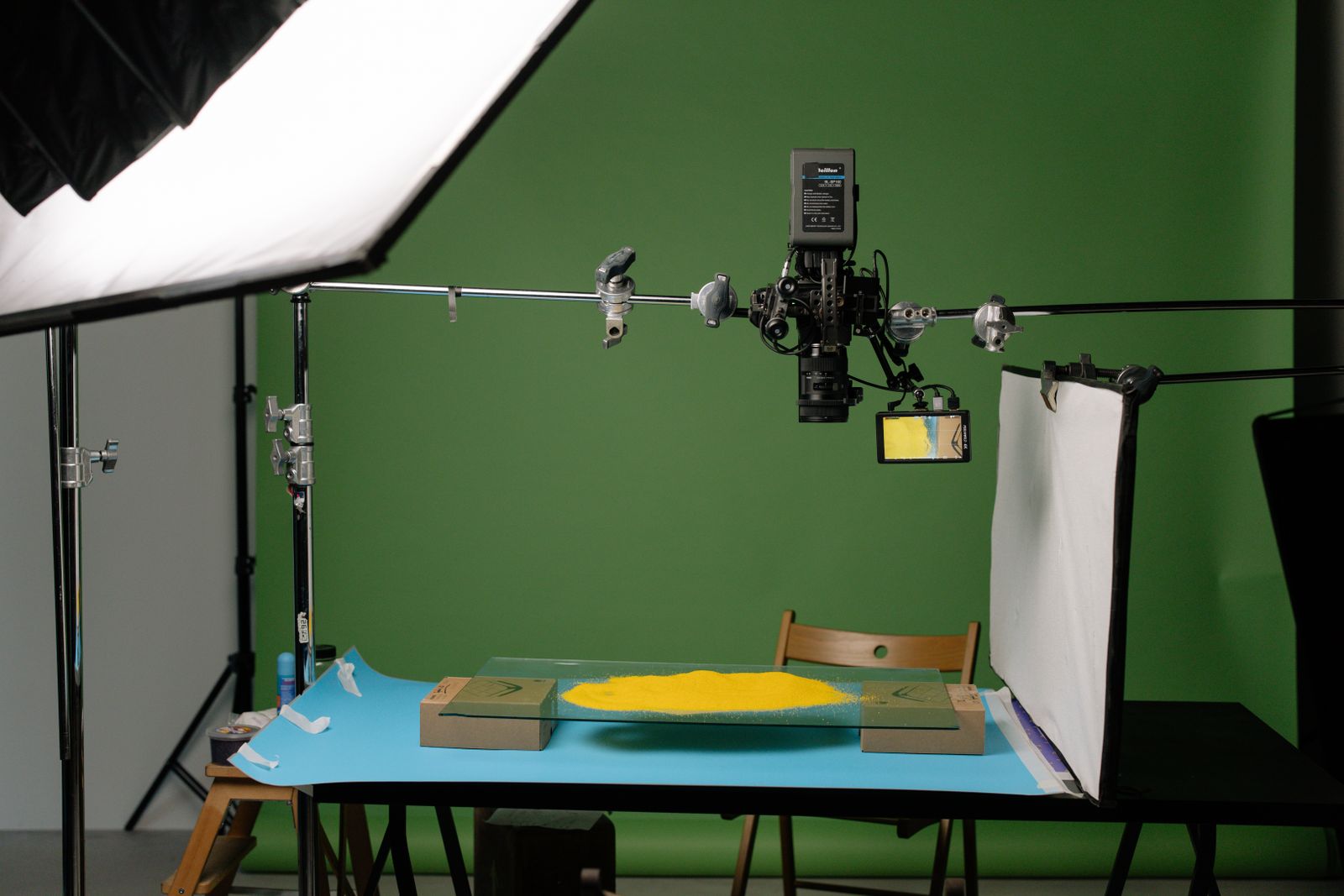
Take a seller shooting a season's product line: forty products, three lighting setups, one model for a third of the shots. The naive booking is three hours — "an hour a setup" — and it fails by construction, because it contains no setup time, no teardown, no lighting checks, and no margin. The prepared booking looks like this: four hours in the room, the first thirty minutes spent on load-in and the first lighting check, shots grouped so the model-dependent setup falls in the middle hours when she is present, a mid-session lighting check folded into the setup change that requires it anyway, and the final twenty minutes reserved for pack-out and the room walk. The cost difference against the naive booking is one hour's rate — at the published mid-sized-city averages, roughly $76 to $81, and at big-city all-inclusive rates, $110 to $150 plus any gear add-on. The value difference is the whole shoot: the naive version ends with the third setup rushed, the pack-out running into overtime at penalty rates, and the seller rebooking a second day for the shots that were squeezed out. In studio work, the margin is not padding. It is the product.
The short version
This site lists 769 photography studios, and the difference between a good day and a wasted one in any of them is rarely the room. Confirm the all-in total and the time rules a week ahead, build the shot list by lighting setup, check the room against it before you pay, arrive ready to shoot inside your own booked hours, and leave the space and the files in better order than the clock required. Do that, and a rented studio becomes what it promises to be: the one place in photography where everything is under your control — including, if you prepare, the outcome.
Sources
- GMA Creative House, "How to Rent a Photo Studio in Los Angeles" — establishes all-in cost structure (hourly rate plus gear, guest fees, and add-ons), a $150/hour studio rate with lighting and grip at $25/hour, and the questions to ask about time, space, and gear.
- Creative Canvas Studios Miami, "How to Rent a Photo Studio in Miami" — establishes all-inclusive rates from $110/hour weekdays and $130 weekends, itemized extras ($15 paper backdrops, $75 cyclorama repaint), a one-hour minimum, and the advice that first-timers book two to three hours.
- Peerspace, photo studios for rent in Denver — establishes an $81/hour average rental price and typical inclusions versus items to bring.
- Peerspace, photo studios for rent in Phoenix — establishes a $76/hour average rental price and the pre-booking checklist covering total cost, overtime, cyc wall condition, power, and load-in.
- Studio interior photograph: photo by Ron Lach, https://www.pexels.com/photo/8857043/
- Product setup photograph: photo by cottonbro studio, https://www.pexels.com/photo/5878878/
More guides
- How to Find a Wedding Photographer: The Complete, Honest GuidePhotographers › Wedding Photographers
- How Much Does a Wedding Photographer Cost? Packages DecodedPhotographers › Wedding Photographers
- 10 Questions to Ask a Wedding Photographer Before You BookPhotographers › Wedding Photographers
- Wedding Photography Styles Explained: Documentary, Editorial, Traditional, Fine ArtPhotographers › Wedding Photographers
- Hiring a Wedding Photographer in California: Venue Light, Permits, and Price LevelsPhotographers › Wedding Photographers
- All Guides & ArticlesBrowse the full guides library