Photographers › Professional Photographers
How to Read a Photographer's Portfolio Like an Editor
Every portfolio opens with the photographer's best day. That is not dishonesty; it is the job of a portfolio. The mistake clients make is stopping there — falling for twelve hero images and booking the person who made them, without ever asking what the other two hundred frames from those same shoots looked like. Editors don't read portfolios that way. We read them the way an accountant reads a sample of invoices: not to admire the largest one, but to find out whether the standard holds when nobody was trying to impress us.
This guide gives you that reading method. It works whether you are hiring for a wedding, a family session, a headshot, or a commercial job, because the underlying question never changes: can this person deliver this quality, on purpose, under your conditions, all the way to the last frame?
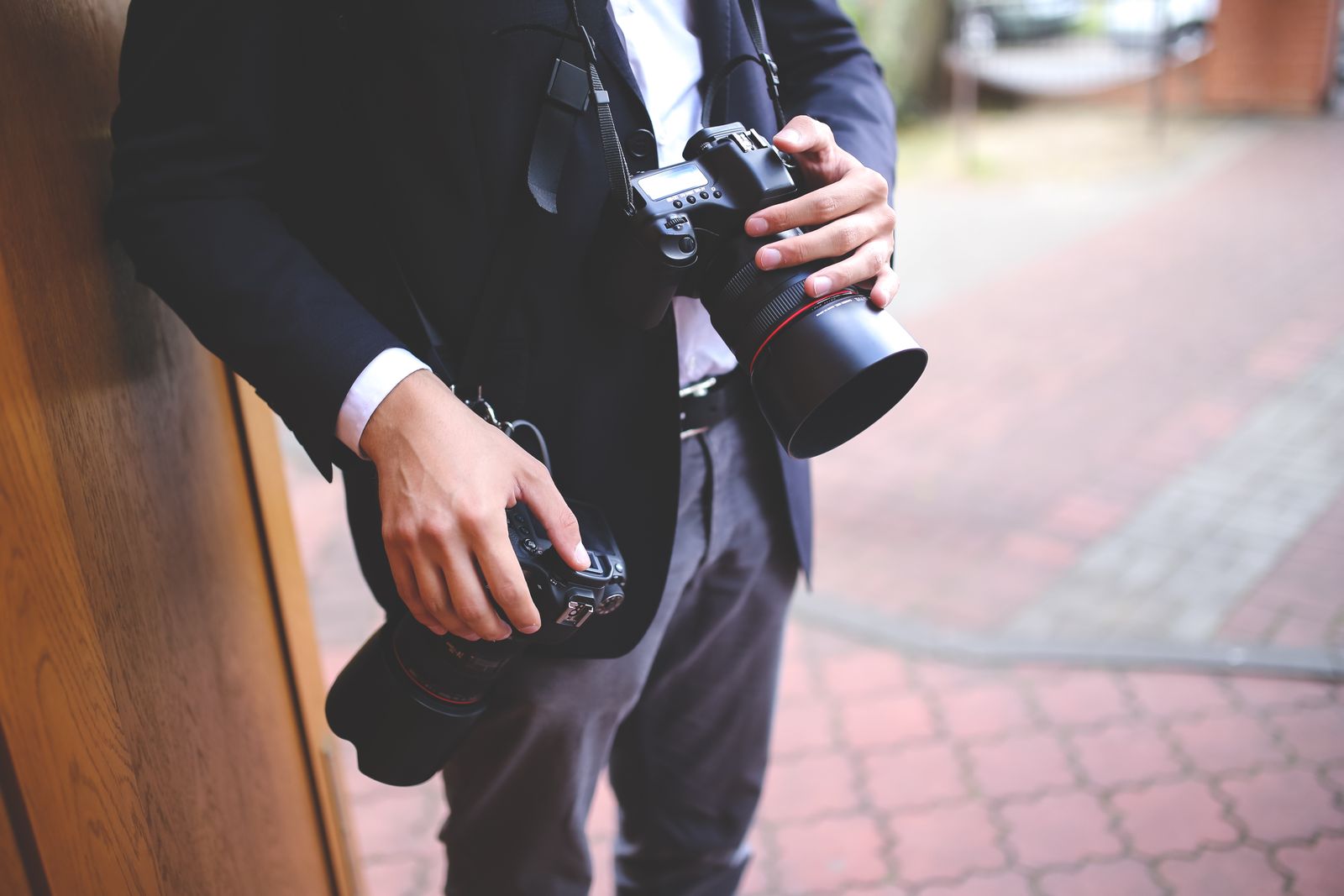
Start with the full gallery, not the highlight reel
The single most useful request you can make is this: pick two or three images you love from the portfolio, and ask to see the complete galleries those images came from. Portfolio advisers for couples make the same point — a full gallery shows the whole story of a job from start to finish, the candid frames you will actually receive, and whether quality holds from the first shot to the last dance. A photographer who will not share a full gallery is telling you something, and you should believe them.
When the gallery opens, resist the urge to hunt for more heroes. Count instead. In a delivered gallery of, say, eighty images, how many would you happily frame, post, or print? Editors think in ratios, not peaks. A gallery where sixty of eighty frames are clean, well-exposed, and alive is a far safer booking than one where eight are transcendent and the rest are filler the client was expected to quietly discard. You are not buying eight photographs. You are buying the whole delivery.
Then check the unglamorous stretches: the getting-ready room, the corridor, the midday group shot, the last hour when everyone is tired. Highlight reels are built from golden moments. Deliveries are built from everything else.
Consistency is the whole argument
Ask three full galleries from three different jobs to sit side by side, and look first at color. Skin should be rendered the same way in all three — the same warmth, the same contrast, the same idea of what a face looks like. If one gallery runs golden, the next cool and blue-white, and the third somewhere orange, the editing is not settled, and your job could land anywhere along that drift. Family-photography guides describe a simple version of the test: pull the gallery up, squint, and ask whether the set still feels like one body of work. Cohesion you can see at a squint is cohesion that will survive an album, a wall, and a feed.
Consistency also means recency. Portfolios quietly accumulate old favorites. Ask which images are from the last year. A style a photographer shot in 2019 and has since abandoned is not a style you can book, and a portfolio that leans on one exceptional season may be advertising a standard the photographer no longer meets — or no longer wants to meet.
Finally, look at what repeats. Every strong portfolio has a signature: a way of placing people in a frame, a preferred distance, a recurring kind of light. Repetition is not a lack of imagination. To an editor, it is evidence of control — proof the result was intended, because the photographer keeps producing it on different days, with different people, in different rooms.
Read the light before you read the smiles
Photography, as portfolio reviewers for food and editorial photographers like to remind their clients, is problem-solving with light. So read a portfolio as a record of problems solved. Find the hard frames on purpose:
- Backlight. A subject in front of a bright window or a low sun. Are faces visible and detailed, or silhouettes the photographer settled for?
- Mixed light. A warm room lit by tungsten bulbs with daylight spilling in. Skin that stays believable here — neither orange nor corpse-blue — marks a photographer who understands white balance rather than hoping the camera does.
- Dim rooms. Receptions, churches that restrict flash, evening events. Look for grain that looks like texture rather than noise, and for focus that still lands on eyes when the light drops.
- Harsh midday sun. The least flattering light there is. A photographer who can show you good midday work — subjects placed in open shade, faces even, no squinting into the lens — can work your schedule, not just the golden hour.
Catchlights — the small reflections in a subject's eyes — are a quiet tell. They show the light was placed, not found by accident. One clean catchlight in each eye, at a sensible angle, is the signature of deliberate lighting. Eyes with no life in them, frame after frame, usually mean flat, on-camera light and a photographer who was surviving the room rather than shaping it.
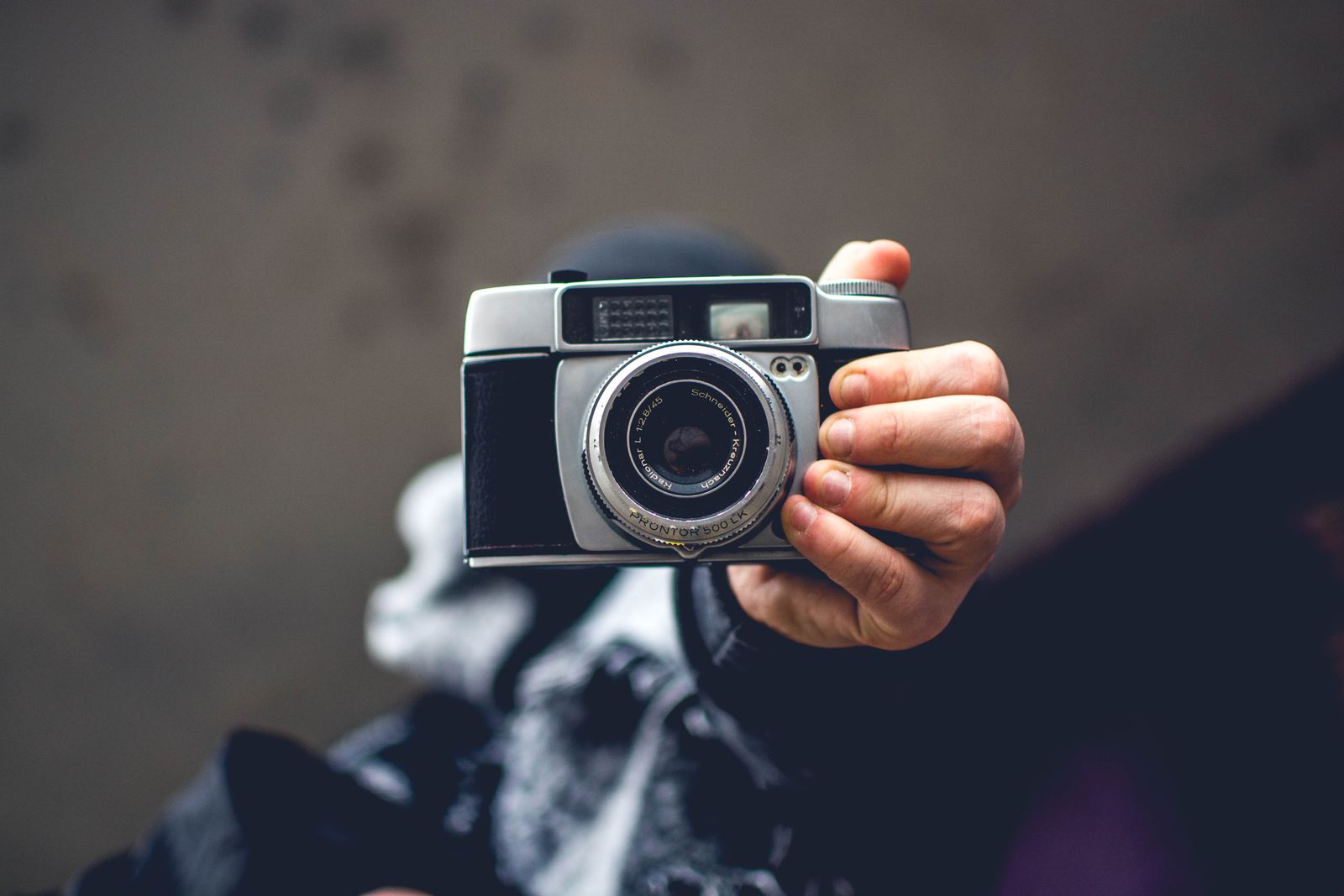
The unposed frames tell the truth about people skills
Anyone patient can arrange a posed portrait. The frames that reveal how a photographer is with people are the ones in between: a laugh that was not requested, a child looking somewhere else entirely, two people mid-conversation who have forgotten the camera exists. Wedding-portfolio guides make the point bluntly — if every image in a gallery looks staged, the photographer may not be strong on documentary coverage, whatever the posed work promises.
Look, too, at hands and shoulders. Relaxed hands and dropped shoulders mean the subject felt safe. Hands clenched, balled, or hidden in every frame, and shoulders up around ears, mean the photographer either didn't notice or couldn't fix it — and on your day, that discomfort will be yours. Count the distinct setups in a gallery as well: standing, seated, walking, close, wide. Variety is not decoration. It is evidence the photographer directs rather than waits.
And weigh people against details honestly. Detail frames — rings, table settings, shoes, signage — are easier than people and every portfolio knows it. A gallery dominated by beautiful objects and thin on human moments is often a photographer who is more comfortable with things than with the room. Book them for the job they are actually showing you.
Technical discipline, checked at full size
You do not need to be a photographer to run the technical checks editors run. Enlarge a handful of frames to full size and look at three places: the eyes, the hands, and the edges.
Eyes should be sharp — not approximately sharp, but lash-level sharp in the frames that matter. Hands reveal focus errors the face forgives. Edges reveal care: tilted horizons, chopped-off feet, a stranger's elbow intruding from the side, a bright exit sign growing out of a subject's head. One accident is an accident. The same accident across three galleries is a habit.
Then look at the editing itself. Zoom in on skin. Real skin has texture — pores, fine lines, the occasional blemish softened rather than erased. Skin rendered plastic-smooth, teeth whitened past plausibility, and clothing colors that no longer match the real garment are signs of an editor hiding capture problems under processing, or simply of taste you should decide about now, with your eyes open, rather than after delivery. Editing-consistency guides for family work put it plainly: check that skin tones stay true across the set and that the processing looks like a decision, not a filter of the month.
| What to check | A strong gallery | A warning sign |
|---|---|---|
| Full-gallery ratio | Most frames clean and usable | A few heroes, long stretches of filler |
| Color across jobs | Same skin rendering in every gallery | Warm in one, blue-white in the next |
| Difficult light | Faces held in backlight, dim rooms, midday | Good frames only in soft, easy light |
| Unposed moments | People relaxed, unaware, mid-laugh | Every frame arranged and looking at camera |
| Sharpness at 100% | Eyes and hands crisp | Soft faces excused by heavy editing |
| Skin in editing | Texture kept, color believable | Plastic skin, glowing teeth, shifted colors |
Score it, don't just feel it
Editors who review portfolios professionally rarely trust a single impression, because a strong personality, a beautiful website, and one famous client can all bias the eye. Recent portfolio-assessment guides recommend the unglamorous fix: score each candidate on the same criteria — technical competence, lighting control, composition, storytelling, and consistency across the project — before you read their biography or their testimonials. Weight the scores toward your job. A wedding weights consistency and people skills; a product job weights lighting control and technical precision; a headshot weights expression and flattering, repeatable light.
Scoring does something else useful: it tells you what to ask about. A candidate who scores high on everything except difficult light gets one precise question — show me your worst-lit job — instead of a vague unease you can't act on. And a total that disappoints tells you to keep looking while looking is still free, rather than after a retainer has made disappointment expensive.
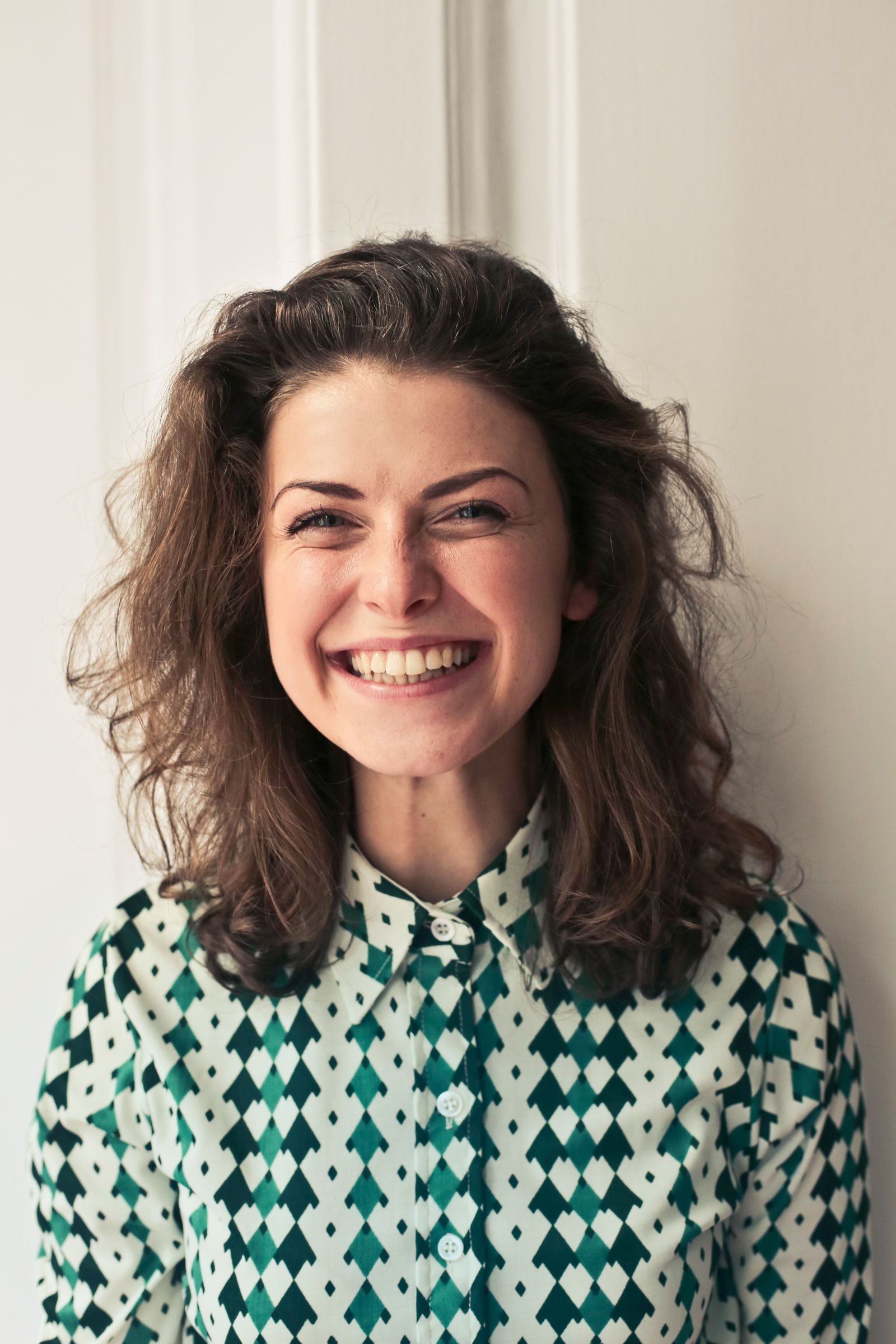
What a portfolio cannot tell you
A portfolio proves a photographer can make the photographs. It cannot prove they will deliver them on time, back them up properly, behave well with your family or your clients, or hold their terms when plans change. So the editorial read ends with non-visual checks: ask how files are backed up on the day and after it, what the delivery timeline is in the contract rather than in conversation, who owns the copyright and what usage you receive, and what happens if the photographer is ill. Screening guides for hiring photographers group these under reliability and rights for a reason — they are the failures that no beautiful gallery can compensate for.
This is also where the size of the field helps you. This site lists more than 18,000 professional photographers, alongside hundreds of specialists — 672 portrait photographers and 564 wedding photographers among them. You are not choosing between one portfolio and nothing. You are choosing between many, which means you can afford to read like an editor: slowly, comparatively, and with the full gallery open.
The editor's ten-minute routine
When you sit down with a shortlist, run the same routine on each candidate so the comparison is fair. Open the portfolio and note the three frames you love. Ask for those full galleries. In each one, count the usable ratio, check the color against the other jobs, find the worst light in the set and judge how it was handled, look for people who forgot the camera, and enlarge three faces to check eyes and skin. Score the five criteria while the images — not the bio, not the price — are in front of you. Then, and only then, talk terms.
Do that, and you will stop buying a photographer's best day. You will book the standard they actually work to — which is the only thing a portfolio was ever really evidence of.
Sources
- James DeSalvo Photography, "How to Assess Photographer Portfolio Quality" — weighted scoring rubric (technical competence, lighting control, composition, storytelling, consistency) and full-size checks of eyes, hands and frame edges. https://blog.jamesdesalvophotography.com/how-to-assess-photographer-portfolio-quality
- Green Apple Weddings, "How to Review a Photographer's Portfolio: Quality and Style" — requesting the full galleries behind favorite images, skin-tone consistency, and handling of difficult venues and low light. https://www.greenappleweddings.co/how-to-review-a-photographers-portfolio/
- Krae Images, "How to Choose the Best Family Photographer" — asking for two or three complete galleries, the squint test for editing cohesion, catchlights, posing range, and editing discipline at 100 percent. https://www.kraeimages.com/post/how-to-choose-the-best-family-photographer-in-prosper-tx
- Two Loves Studio, "Professional Food Photography Portfolio Must-Haves" — portfolio reviewers and clients judging problem-solving and the deliberate use of light. https://twolovesstudio.com/blog/food-photography-portfolio/
- HireVire, "Pre-Screening Interview Questions to Ask a Photographer" — screening for genre fit, equipment and backup, turnaround, and copyright and usage terms. https://hirevire.com/pre-screening-interview-questions/photographer
- Photograph: photo by Karolina Grabowska, https://www.pexels.com/photo/6182/
- Photograph: photo by Sarah Trummer, https://www.pexels.com/photo/955794/
- Photograph: photo by Andrea Piacquadio, https://www.pexels.com/photo/774909/
More guides
- How to Find a Wedding Photographer: The Complete, Honest GuidePhotographers › Wedding Photographers
- How Much Does a Wedding Photographer Cost? Packages DecodedPhotographers › Wedding Photographers
- 10 Questions to Ask a Wedding Photographer Before You BookPhotographers › Wedding Photographers
- Wedding Photography Styles Explained: Documentary, Editorial, Traditional, Fine ArtPhotographers › Wedding Photographers
- Hiring a Wedding Photographer in California: Venue Light, Permits, and Price LevelsPhotographers › Wedding Photographers
- All Guides & ArticlesBrowse the full guides library