Photographers › Photo Restoration- Preservation- & Supplies
Photo Restoration and Preservation With a Disability: Adjustments to Ask For, Rights to Know and Providers Who Get It
A damaged photograph is not like other purchases. You are not handing a shop a broken appliance; you are handing them the only picture of your grandmother, your father's service portrait, the one print that survived a flood. If you are disabled, the ordinary friction of that transaction — a counter you cannot reach, a proofing gallery you cannot see properly, a phone-only booking system you cannot use — lands on top of an already emotional job. The good news is that photo restoration is unusually well suited to being done accessibly: most of the work happens at a desk, most communication can happen in writing, and your originals can travel by tracked post instead of by you. This guide sets out the adjustments worth asking for, the rights behind them, and the responses that tell you a provider actually gets it.
This site lists 1,063 photo restoration, preservation and supplies businesses, so you are not choosing between one local shop and nothing. You can afford to pick the one that treats access as part of the service.
What restoration and preservation actually involve
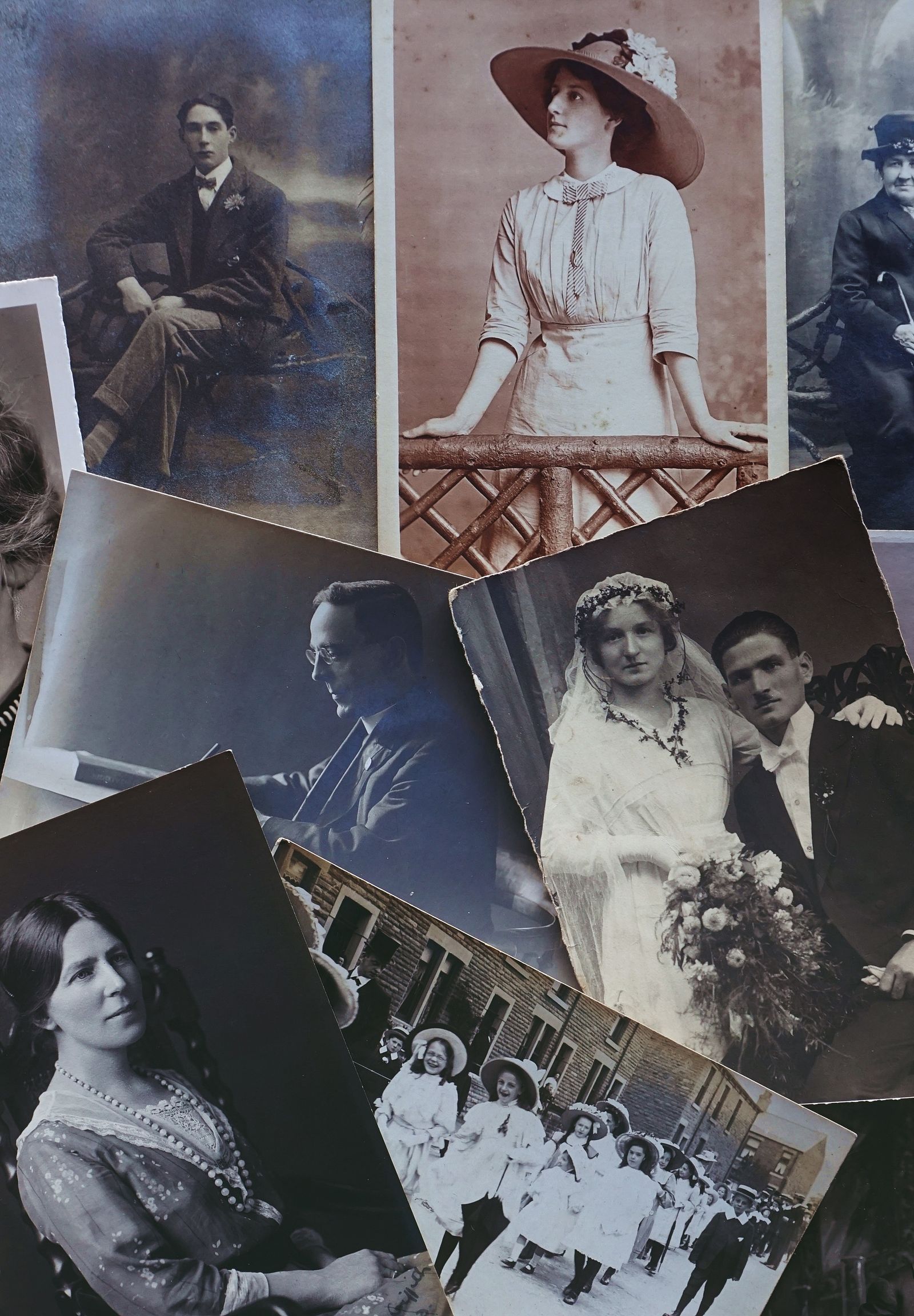
Restoration is digital repair. The provider scans your original, then works on the scan — closing tears and cracks, rebuilding missing corners, correcting fading and water stains, sometimes colorizing a black-and-white print. Your original should come back to you physically unchanged; the repaired version is a file and, if you want one, a new print.
Preservation is what happens around that: how the original is handled and stored, what the scan is kept as, and what you receive for the long term. The Library of Congress standard for home storage is a cool, dry, stable place — 70°F or below, 30 to 50 percent relative humidity, out of attics and basements — with prints in enclosures that pass the Photographic Activity Test under ISO 18902: acid-free, lignin-free paper, or uncoated polyester, polyethylene or polypropylene sleeves. A provider who uses the words "archival" should be able to tell you whether their boxes and sleeves meet that test. One who cannot is selling you a shoebox with better marketing.
Your rights, in plain terms
In the United States, a restoration shop that serves the public is a place of public accommodation under Title III of the Americans with Disabilities Act. Three consequences matter for this particular purchase.
Effective communication is the business's job. The business must provide auxiliary aids and services where they are needed for communication to be effective — large-print invoices and condition reports, information read aloud or provided in accessible digital formats, email or text instead of phone-only contact, and similar adjustments. The choice among workable options should involve you; a shop that only ever communicates by voice call is not meeting the standard for a deaf customer, and a proofing process that only works as tiny images on a bright screen is not meeting it for a low-vision one.
You cannot be charged extra for it. A business may not impose a surcharge on a disabled customer to cover the cost of an auxiliary aid or service. If a quote quietly grows a fee for "special handling" that is really about your access needs — as opposed to the genuine extra labor of a badly damaged photograph, which everyone pays for — that is a line worth challenging, in writing.
An inaccessible premises does not end the obligation. Where a physical barrier cannot readily be removed, the business is still expected to serve you by another method where one exists: curbside handover, a home collection, or a fully mail-in service. Restoration is one of the easiest services in the world to deliver this way, because the work itself is desk-based and the product is a file. A flat refusal to find an alternative is a red flag about the business, not a fact about the law.
Two honest limits. The business does not have to provide an adjustment that would fundamentally alter the service or impose an undue burden — a solo restorer cannot conjure a sign-language interpreter for a walk-in chat, though they can almost always move the conversation to email or text, which usually solves the same problem better. And none of this replaces asking early: rights are the floor, and the providers worth using build well above it without being asked twice.
The adjustments worth asking for, stage by stage
| Stage | Ask for this |
|---|---|
| First contact | Email, text or relay-friendly contact instead of phone-only; a named person who will handle your job end to end |
| Sending originals | Prepaid tracked mail-in, or curbside/home collection, instead of an in-person drop-off; written confirmation of receipt listing every item |
| The assessment | The condition report and quote in large print, plain text or another format you choose — not a scanned image of handwriting |
| Proofing | Proofs at full size with zoom, high-contrast viewing, and a plain-language description of what was changed; extra time to review, without a same-day approval deadline |
| Decisions | Every choice — colorize or not, how much reconstruction is acceptable — confirmed in writing before work proceeds |
| Delivery | Restored files in formats you can open and store, plus prints if ordered; originals returned by tracked post with the same itemized list |
| The bill | An itemized invoice in an accessible format, with restoration labor separated from any access-related help, which should not appear as a charge at all |
Notice what this list is: mostly communication and logistics, not special equipment. That is why "we can't do that" is so rarely a credible answer in this trade.
Proofing is where access is won or lost
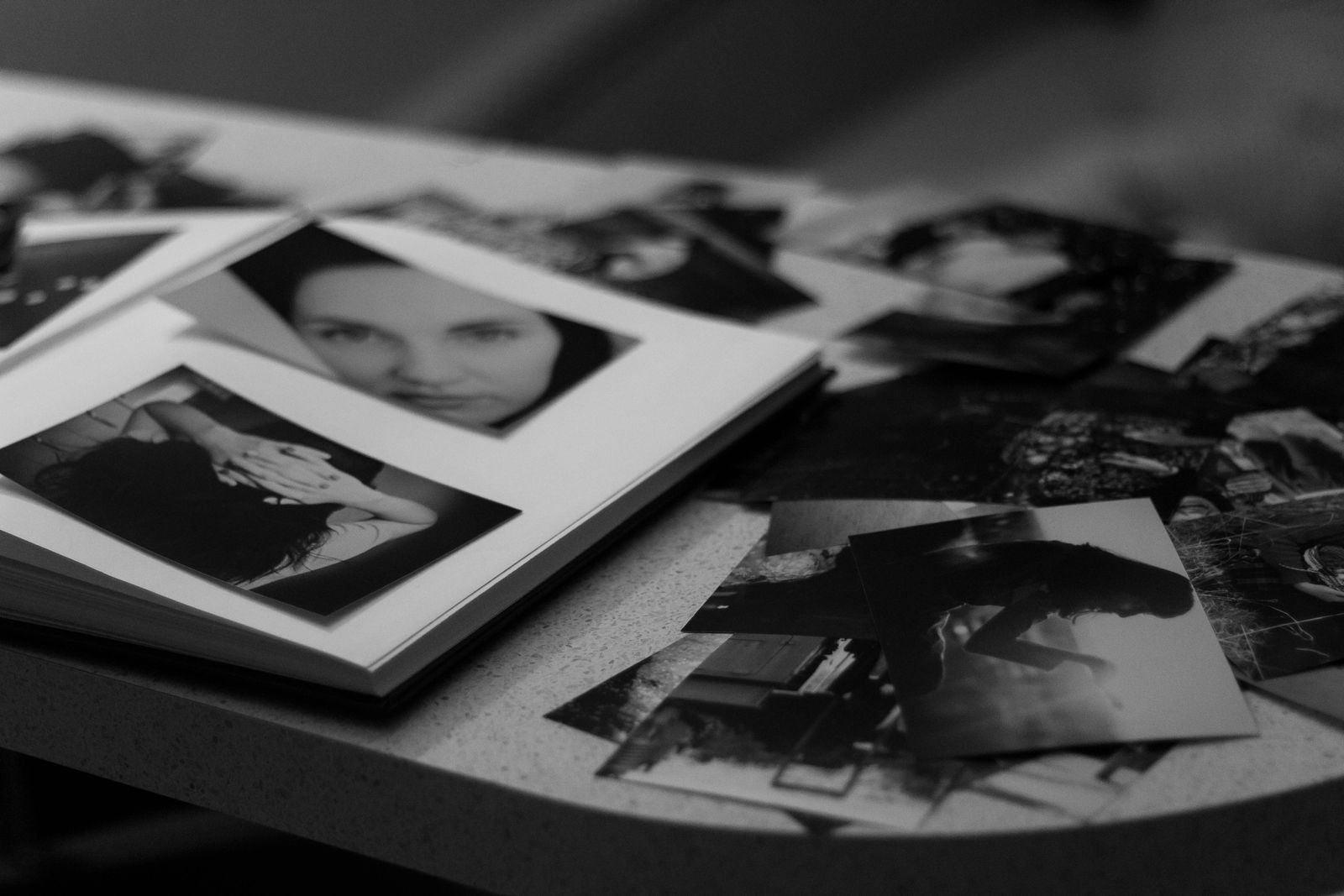
The proof is the moment you approve the restored face of someone you loved. Providers usually send a small watermarked preview and ask for a yes. If you have low vision, ask for the proof at 100 percent size, section by section, with the ability to zoom, and ask for a written description of each change: "the tear across the left cheek rebuilt from the right side; the missing corner reconstructed as background." If you process information slowly or fatigue quickly, ask for the proof to stay open for a set number of days — approval deadlines measured in hours are a sales device, not a technical necessity.
There is also a consent question hiding inside proofing, and it matters more than any adjustment: how much invention do you accept? Rebuilding a missing eye or a flood-destroyed half of a face means the software — or the artist — is guessing what a real person looked like. A good provider raises this before you have to, offers a conservative version that repairs damage without inventing features, and lets you choose. A provider who presents a heavily reconstructed face as simply "restored," with no account of what was guessed, has failed the central test of this work — for every customer, disabled or not.
What it costs, and where disability changes the bill (it shouldn't)
Restoration is priced by damage, not by the hour at the counter. Published price guides put simple work — dust, scratches, mild fading — from about $20 to $50 a photograph; moderate damage such as tears, stains and missing corners commonly runs $50 to $100; severe reconstruction can reach $150 to $500 or more, and scanning alone is often around $10 a piece, with colorization quoted separately at roughly $75. The average restoration order reported through Thumbtack sits near $78. Mail-in scanning services work differently, charging a few dollars a photo at bulk tiers.
Your disability should not move any of those numbers. Postage for a tracked mail-in is a normal cost of a mail-in service. Accessible formats are the business's obligation, not a product tier. The one legitimate variation is the work itself: a photograph that needs a home collection because it is a fragile, oversize original on a board is genuinely more handling — but that is true whoever owns it, and it should be explained as handling, not as help.
Handling originals: the questions that protect you
Whoever you are, ask these before anything leaves your hands. If you use a mail-in service, they matter twice over, because you cannot walk back in.
- Will my original be scanned and returned untouched, and can you confirm no cleaning or flattening will be attempted without asking me?
- What resolution and file format is the master scan, and do I receive it? A preservation-grade scan you keep is your insurance against ever needing to ship the original again.
- How are originals stored while you have them — flat, sleeved, away from water and heat?
- What happens if a parcel is lost: what is insured, and what is the claims process? Be clear-eyed here — insurance can pay money, not replace the photograph, which is why the itemized receipt list and tracking are not bureaucracy.
- How long do you keep my scan, and can I order reprints later without sending the original again?
Red flags in how a provider responds
You can learn most of what you need from the first exchange. Walk away from a provider who:
- Insists the whole arrangement must happen by phone, or in person, when a written or mail-in route plainly exists.
- Treats an access request as a favor to be granted rather than a normal part of taking the job, or quotes a fee for it.
- Cannot describe, in writing, what they propose to change in your photograph.
- Wants full payment before any proof, with no stated revision round.
- Is vague about how originals are logged, stored and returned — accessibility of information is a proxy for care with objects.
And credit the opposite when you see it: a provider whose website states its access arrangements unprompted, who answers an email access request with specifics instead of reassurance, and who sends the condition report before you knew to ask. In my work booking photographers and their suppliers, that pattern — competence volunteered early, in writing — is the most reliable predictor of a job done carefully.
A short script for the first message
You do not need to disclose a diagnosis to ask for any of this. One message does the whole job:
"I have [number] photographs for restoration, including [worst damage]. I need our communication by email, the quote and condition report as plain text, and proofs I can view enlarged with a written list of changes. I will send originals by tracked post and need an itemized confirmation when they arrive. Please tell me your prices for the restoration work itself, and confirm there is no charge for these arrangements."
Send that to two or three providers from the 1,063 listed here. Compare not just the prices but the replies. The one that answers every point, plainly, is the one to trust with the only photograph of your grandmother.
Sources
- Americans with Disabilities Act, Title III — public accommodations, auxiliary aids and services, and the rule against surcharges for them.
- Fairfax County accessibility guidance — reasonable accommodations, alternative methods of service where a premises barrier remains, and written requests.
- Library of Congress, Care, Handling and Storage of Photographs — storage at 70°F or below and 30–50% relative humidity; enclosures passing the Photographic Activity Test under ISO 18902.
- Vector Design US — restoration price tiers by damage level.
- Thumbtack — average restoration order near $78.
Photos: vintage portraits — photo by Suzy Hazelwood, https://www.pexels.com/photo/old-photos-3617531/ ; black-and-white prints on a table — photo by Pavel Danilyuk, https://www.pexels.com/photo/8057039/ ; hands with a family album — photo by cottonbro, https://www.pexels.com/photo/8848784/
More guides
- How to Find a Wedding Photographer: The Complete, Honest GuidePhotographers › Wedding Photographers
- How Much Does a Wedding Photographer Cost? Packages DecodedPhotographers › Wedding Photographers
- 10 Questions to Ask a Wedding Photographer Before You BookPhotographers › Wedding Photographers
- Wedding Photography Styles Explained: Documentary, Editorial, Traditional, Fine ArtPhotographers › Wedding Photographers
- Hiring a Wedding Photographer in California: Venue Light, Permits, and Price LevelsPhotographers › Wedding Photographers
- All Guides & ArticlesBrowse the full guides library