Photographers › Photofinishing Retail
Photofinishing Retail and Your Taxes: Deductions, Credits and the Paperwork Worth Keeping
A small business buys photofinishing constantly and thinks about it almost never: the prints for the trade-show booth, the framed photographs for the office wall, the product images printed for a pitch, the event photographs a client asked to see on paper. Each order is small. The pile, by filing time, is not — and the pile raises three separate tax questions that businesses routinely blur into one: Can I deduct it? Why was I charged sales tax on it (or wasn't I)? And which pieces of paper do I actually have to keep?
This site lists 7,823 photofinishing retail businesses, so the buying is easy. The tax side, handled in plain language with the honest limits stated, is below. One limit first: this is general information about how the rules are structured, not advice about your return — state rules genuinely differ, as the examples will show.

The deduction: “ordinary and necessary” is the whole test
Federal business-expense rules rest on two words from IRS Publication 334: to be deductible, an expense must be both ordinary — common and accepted in your field — and necessary — helpful and appropriate for your business, which does not mean indispensable. Business photofinishing passes that test easily when the use is business: prints and enlargements for marketing, displays, portfolios, client deliverables, office presentation and event documentation are ordinary costs of presenting a business. The deduction is claimed as a business expense in the year you pay for the order.
The boundary is use, not the item. The same lab order split between booth prints and family photographs is part deductible, part not — which is why the first rule of photofinishing paperwork is to place business and personal orders separately. A mixed receipt forces an allocation nobody can reconstruct in March; two clean orders make the deduction self-evident.
Two adjacent points businesses miss:
- The photography itself follows the same test. If you commissioned the photographs for the business, the commission and the printing are both business expenses under the same ordinary-and-necessary standard; keep the photographer's invoice with the lab receipt, because together they show the full business purpose.
- Durable items are treated differently from consumable prints. A framed photograph hung in your office for years is closer to furnishing or equipment than to a consumable supply; your accountant may expense small items immediately under the business's own policies, but large display pieces can belong on a depreciation schedule instead. Flag big-ticket framing orders rather than assuming.
The sales tax on your receipt: why it changes from order to order
Businesses are often surprised that one print order carries sales tax and a digital order from the same supplier doesn't, or that the rules flip across a state line. The structure, state by state:
- Physical prints are tangible personal property, and tangible property is what sales tax was built on. In most states, a print, album or framed photograph is taxable when you buy it, full stop — including, in states like California, the whole charge once a tangible product is delivered, even if shooting or editing fees are itemised separately.
- Digital delivery splits the states. New York's guidance is explicit that photographic images delivered solely electronically are not subject to sales tax. North Carolina and Pennsylvania, by contrast, name photographs among taxable digital products. There is no national rule; there is your state's rule.
- Some states tax the service itself. Kentucky has taxed “photography and photofinishing services” since January 1, 2023, at its 6% state rate — its tax authority defines the term to include taking, developing and printing an original photograph and image editing such as cropping, tone adjustment and composite work, delivered in any form.
- The USB trap: in states that exempt pure downloads, adding a physical item — a drive, a single print — to a digital package can make the whole package taxable. If a supplier's invoice surprises you, this is the first explanation to check.
As a buyer, your obligations are simpler than the seller's but not zero. If an out-of-state supplier charges you no tax on a taxable purchase, the mirror-image charge — use tax — is generally owed to your own state instead. And if you buy prints for resale (a shop selling framed prints, a photographer reselling lab work to clients), purchases for resale are the classic case where a resale certificate lets you buy without sales tax and collect it on your own sale instead; buying resale stock and paying tax on it anyway is money left on the counter.
Credits: the honest, short answer
Guides to this subject often pad a “credits” section. For ordinary business photofinishing, there is no general federal tax credit for buying prints — the benefit comes through the deduction, not a credit, and the two are not interchangeable: a deduction reduces the income taxed, while a credit would reduce the tax itself. If a credit is ever claimed in the photography neighbourhood, it belongs to a different purchase entirely (energy, research, employment incentives), not to a lab order. Any source promising a photofinishing credit as such deserves a sceptical second look — and a question to a tax professional before filing time, not after.
The paperwork worth keeping — and for how long
IRS Publication 583 sets the standard for supporting documents: they should show the amount paid and that the amount was for a business expense. For a photofinishing order, a complete record is:
| Keep this | Why |
|---|---|
| The itemised lab invoice or receipt | Shows what was printed, quantities, and the tax charged — the amount and the character of the expense |
| Proof of payment (card statement or bank record) | Corroborates the receipt; the pair is what substantiates the deduction |
| A one-line business-purpose note | “Booth prints, March trade show” — written when you order, not reconstructed at filing |
| The photographer's invoice, if the images were commissioned | Ties the printing to the business commission behind it |
| Resale certificate copies, if you buy for resale | Documents why no sales tax was charged on those orders |
Retention follows the IRS's period-of-limitations schedule, not a single number:
| Situation | Keep records |
|---|---|
| The standard case | 3 years from filing |
| Employment tax records | At least 4 years |
| Income understated by more than 25% | 6 years |
| Bad-debt or worthless-securities loss claims | 7 years |
| No return filed, or a fraudulent one | Indefinitely |
One practical warning from the physical world: lab receipts are often printed on thermal paper, which fades well inside three years. Photograph or scan every receipt the week it arrives; the IRS accepts electronic records, and a legible scan in year three beats a blank strip of paper in a shoebox.
A filing-season example: the café that printed all year
Consider a small café that used its local lab steadily through the year: menu-board photographs in spring, framed prints of the shop for the dining room in summer, a trade-show banner set in autumn, and holiday gift-card displays in December — fourteen orders, none above $180, totalling just under $1,400. Handled well, every one of those orders is an ordinary, necessary business expense: the receipts were scanned as they arrived, each carries a purpose note, and the sales tax on the physical prints was simply part of the cost recorded. Handled the way most small businesses actually handle it — one personal holiday order mixed into the pile, half the thermal receipts faded blank, no notes — the same $1,400 becomes an afternoon of reconstruction and a deduction the owner trims voluntarily, out of caution, to the few hundred dollars that can still be proved. Nothing about the tax law changed between those two outcomes. The difference is fourteen small acts of paperwork, each taking under a minute, done in the week of the order instead of the week of the deadline. Photofinishing is the ideal training ground for the habit precisely because the orders are small, frequent and dated: if your system can keep a $60 print order straight, it can keep anything straight.
The mistakes that actually cost money
They are unglamorous, and they repeat. Mixing personal prints into the business order and losing the whole receipt's clarity. Keeping the receipt but no purpose note, so a legitimate deduction becomes indefensible. Throwing away invoices at year-end because “the card statement shows it” — a statement shows an amount and a merchant, not what was bought. Assuming a digital order was tax-free by nature rather than by your state's rule, and being caught by the USB-drive version of the trap. Paying sales tax on resale purchases for want of a certificate on file. And the quietest one: letting the small orders go unrecorded because each is small — twenty $40 orders are an $800 deduction, and photofinishing is precisely the kind of recurring small spend that adds up to it.
Order separately, note the purpose, scan the receipt, keep the set for three years at minimum, and know your state's delivery rule. Do those five things and photofinishing becomes what it should be for a small business: a boring, fully documented, fully deductible line in the accounts.
Sources
- IRS, Publication 334 (Tax Guide for Small Business) — establishes that a deductible business expense must be both ordinary (common and accepted in the field) and necessary (helpful and appropriate, not necessarily indispensable).
- IRS, Publication 583 (Starting a Business and Keeping Records) — establishes that supporting documents include sales slips, invoices, receipts and canceled checks, and should show the amount paid and that the amount was for a business expense.
- IRS, How long should I keep records? — establishes the retention schedule: 3 years in the standard case, at least 4 years for employment tax records, 6 years where income was understated by more than 25%, 7 years for bad-debt and worthless-securities claims, and indefinitely where no return was filed.
- Kentucky Department of Revenue, Photography and Photo Finishing Services guidance — establishes that Kentucky has taxed photography and photofinishing services since January 1, 2023, and defines the services to include taking, developing and printing an original photograph and image editing, delivered in tangible, digital or other media.
- Xposure, Do Photographers Charge Sales Tax? A State-by-State Guide — establishes that physical prints are taxable tangible property in most states, that New York exempts photographic images delivered solely electronically, that North Carolina and Pennsylvania tax photographs as digital products, and that adding a physical item to a digital package can make the whole package taxable in states that exempt downloads.
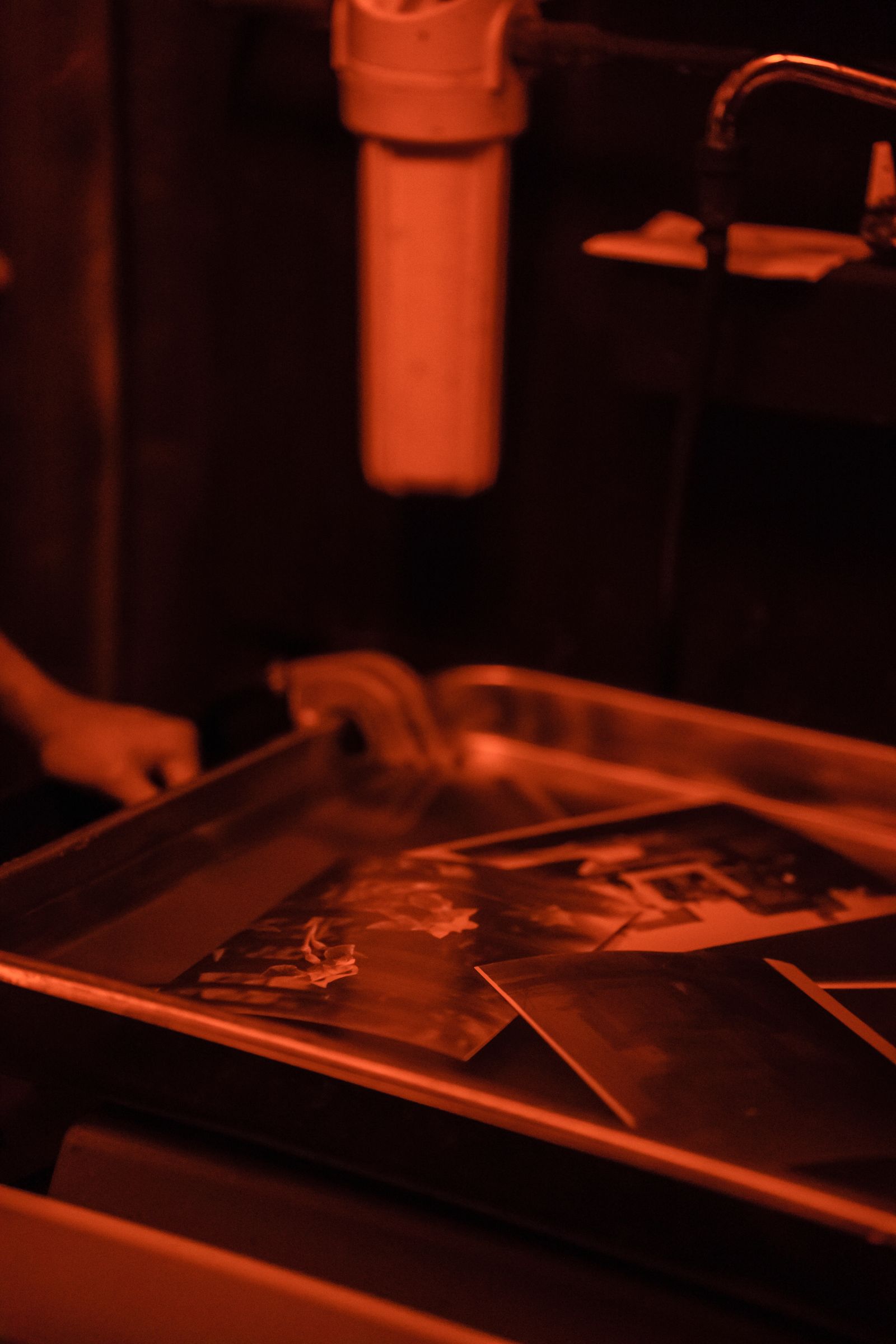
Photo by George Milton, https://www.pexels.com/photo/7015073/ Photo by Annushka Ahuja, https://www.pexels.com/photo/8114057/
More guides
- How to Find a Wedding Photographer: The Complete, Honest GuidePhotographers › Wedding Photographers
- How Much Does a Wedding Photographer Cost? Packages DecodedPhotographers › Wedding Photographers
- 10 Questions to Ask a Wedding Photographer Before You BookPhotographers › Wedding Photographers
- Wedding Photography Styles Explained: Documentary, Editorial, Traditional, Fine ArtPhotographers › Wedding Photographers
- Hiring a Wedding Photographer in California: Venue Light, Permits, and Price LevelsPhotographers › Wedding Photographers
- All Guides & ArticlesBrowse the full guides library