Photographers › Photofinishing Retail
Photofinishing Retail at Three Budgets: What Budget, Mid-Range and Premium Really Buy
Photofinishing is the least glamorous purchase in photography and the one your customers actually touch. A creator can shoot a perfect file, edit it beautifully, and then lose the sale — or the repeat order — because the print that arrived looked flat, cropped a forehead, or faded on a sunny wall. I learned this on the other side of the counter, assisting a commercial photographer whose clients ordered everything from nine-cent 4×6s for event handouts to framed metal pieces for office lobbies. Same files. Wildly different objects at the end.
This guide is for creators and sellers who need photos that convert: product images that become sellable prints, portraits clients will pay to enlarge, and wall pieces that have to survive shipping and still look expensive. It compares photofinishing retail at three budgets, side by side, and shows what the extra money actually buys at each step up — and where it buys nothing at all.
First, what "photofinishing" covers now
The word is older than the service. Photofinishing retail once meant a counter, an envelope of negatives, and a one-hour machine. Today it covers online labs and retail counters selling loose prints, enlargements, canvas gallery wraps, metal and acrylic pieces, photo books and albums, mounting and framing, and — at the professional end — hand-checked, color-corrected work on archival papers. This site lists 7,823 photofinishing retail businesses, which tells you how fragmented the market still is: national online labs, regional pro labs, local counters, and premium boutiques all compete for the same file.
That fragmentation is why prices for the identical size can differ by a factor of ten. A 4×6 print runs about $0.09 at the cheapest bulk services and about $0.89 at a professional lab that includes manual color correction. Neither price is a scam. They are different products wearing the same dimensions.
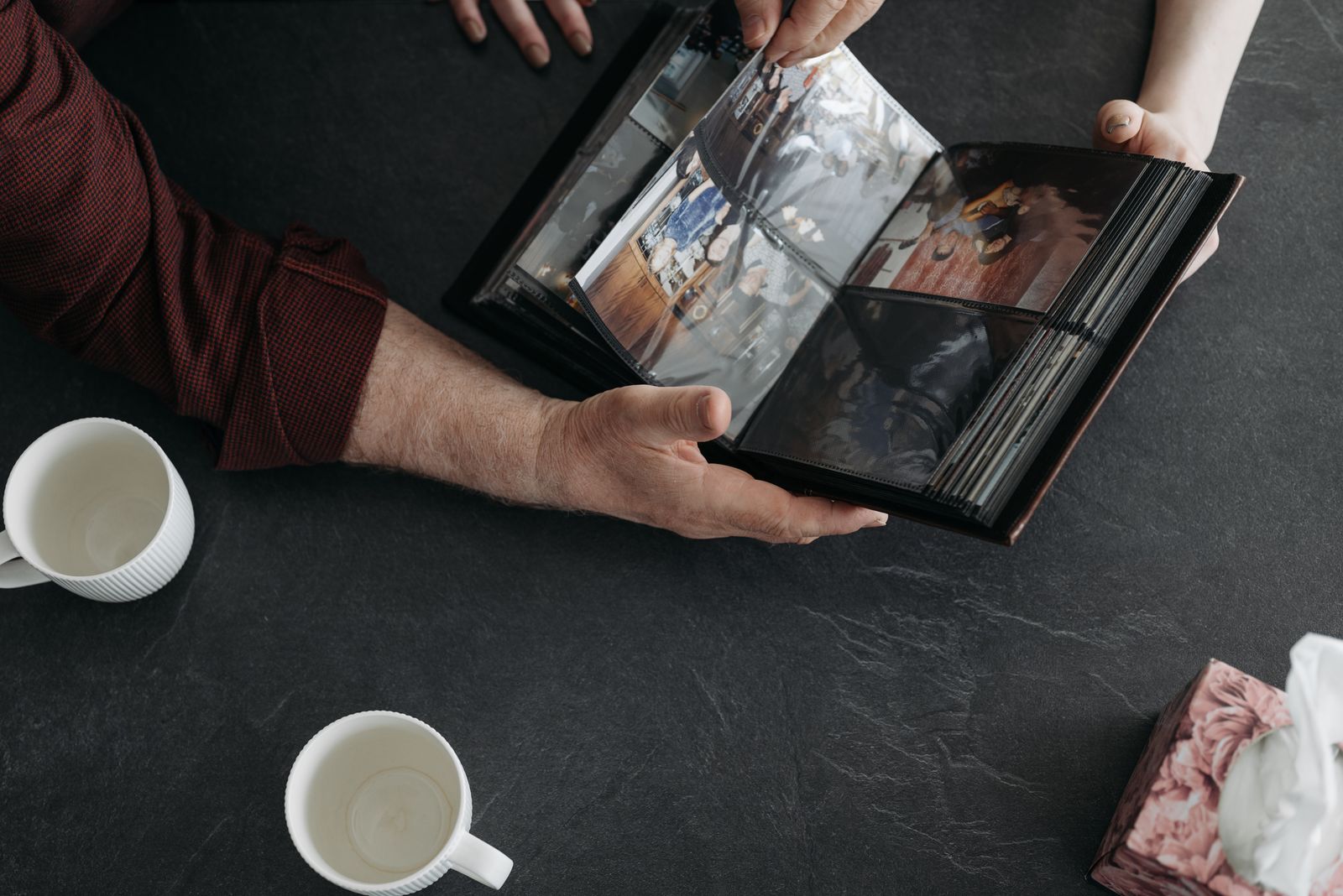
The three budgets, side by side
| What you get | Budget | Mid-range | Premium |
|---|---|---|---|
| Typical 4×6 print | $0.09–$0.20 | $0.30–$0.40 | $0.89 and up; boutique prints $1.90–$2.80 |
| Typical 8×10 | About $3 or less in promotions | About $3.49–$4.00 | $6–$15 on fine-art papers |
| Canvas wrap, 16×20 | Promotional canvas from about $10–$20 | Lab cost benchmarks around $63–$65 to the trade | Gallery canvas with framing well above $100 retail |
| Color handling | Automated correction, on or off | Automated plus better papers; some human checks | Manual color correction by technicians included |
| Papers | Thin glossy or lustre, house stock | Branded photographic papers, several finishes | Fine-art rag, deep matte, metallic, archival stocks |
| Turnaround | Same-day pickup or 3–7 days shipped | Usually 1–4 days | 3–10 days; proofing adds time |
| Best for | Volume, handouts, proofs, low-risk orders | Client prints, portfolios, most online sales | Wall art, exhibitions, high-ticket client work |
Those figures come from published lab pricing and current comparisons: budget services such as Snapfish and Walmart cluster around nine cents for a 4×6; mid-range labs such as Mpix (about $0.36 for a 4×6, $3.49 for an 8×10) and Nations Photo Lab (about $0.30 and $2.99) sit in the middle; Bay Photo, a professional lab working since 1976, starts a color-corrected 4×6 at about $0.89; and premium retail such as Artifact Uprising prices a 4×6 near $1.90 before shipping. Shipping routinely changes the ranking — more than one side-by-side buyer test has found the postage costing more than the prints on small budget orders.
Budget tier: what nine cents buys, and what it costs you
Budget photofinishing buys speed, volume, and convenience. Same-day pickup at thousands of big-box and pharmacy counters, app coupons that cut pharmacy list prices of roughly $0.35–$0.45 per 4×6 nearly in half, and promotional mail-order offers that make a stack of prints cost less than lunch.
What it does not buy is consistency. Automated correction is a guess made by software: it may lift a deliberately moody image into brightness, warm a neutral product shot, or leave a green cast under fluorescent light untouched. Papers are thinner, blacks are weaker, and reprints of the same file weeks apart can drift. For a seller, the hidden cost is returns and reputation: a customer who orders a print of your work from the cheapest channel judges your photography by that object.
Use the budget tier deliberately, not accidentally. It is right for proof sheets, event handouts, test prints before a large order, classroom and club use, and any job where the print is disposable. It is wrong for the print you sign, the portrait a client frames, or the product sample you send a buyer.
One budget trap deserves naming: headline prices exclude shipping, minimum orders, and the upsell screens — lustre coating, borders, "premium" paper — that can triple a small order at checkout. Compare the delivered total for your actual basket, never the banner price for a single 4×6.
Mid-range: the working professional's default
The mid-range is where most working creators should live. Labs in this tier — Mpix, the consumer arm of Miller's Professional Imaging, is the standard example, with Nations Photo Lab and Printique close by — charge roughly three to four times the budget price for a small print and give you disproportionately more: branded photographic papers, a real choice of finishes (lustre, glossy, metallic, deep matte), more reliable color, mounting options, and turnaround measured in a day or two rather than a week.
The economics work because the failure rate drops. When I assisted on commercial jobs, our reprint rate from cheap retail was a standing annoyance — a reshoot of the order, not the shoot, but still unpaid time and a client watching us fix it. At a competent mid-range lab, the order that arrives is the order you sell. For creators selling prints online, that reliability is the margin: current print-pricing guidance for sellers puts a standard 16×20 lustre print's underlying lab cost at only a few dollars, a 16×20 canvas wrap at about $65 in lab cost, and a metal print at about $45, with retail markups of roughly three times total cost being the working norm. You cannot hold a three-times markup if one order in five comes back.
Mid-range is also where product range widens usefully: press-printed books, greeting cards, calendars, and reasonably priced canvas and metal, with free-shipping thresholds — Mpix, for example, ships free above a modest order value — that reward batching client orders instead of drip-feeding them.
Premium: what the extra money actually buys
Premium photofinishing is not "the same print, nicer envelope." At the top tier you are buying four specific things.
Human eyes. Professional labs such as Bay Photo build manual color correction into the price: a technician adjusts your file rather than an algorithm averaging it. On skin tones, wedding whites, and product colors that must match the physical object, that is the difference between acceptable and right.
Materials that last. Fine-art rag and baryta papers, archival pigment printing, and deep matte finishes that do not glare under gallery light. Premium sellers talk in decades; a print sold as an heirloom on a paper with poor lightfastness is a refund arriving slowly.
Substrates as products. Metal, acrylic, glass, and framed canvas stop being "a print, but on something" and become finished objects — ready to hang, with proper backing, hanging hardware, and edges finished to be seen up close. A local lab comparison makes the ladder plain at 16×20: about $39.95 on paper, $79.95 on canvas, $119 on metal at one Berkeley lab — the substrate, not the image, drives the ticket.
Proofing and accountability. Premium labs will reprint a job that misses the proof, supply ICC profiles so you can soft-proof before ordering, and answer the phone. For an exhibition, a corporate installation, or a single large piece a client commissioned, that accountability is the product.
What premium does not buy: a better photograph. A soft file printed on rag paper is a soft file with texture. Spend premium money only on images that have already earned it — sharp, correctly exposed, and edited at full resolution.
Books, albums, and the middle trap
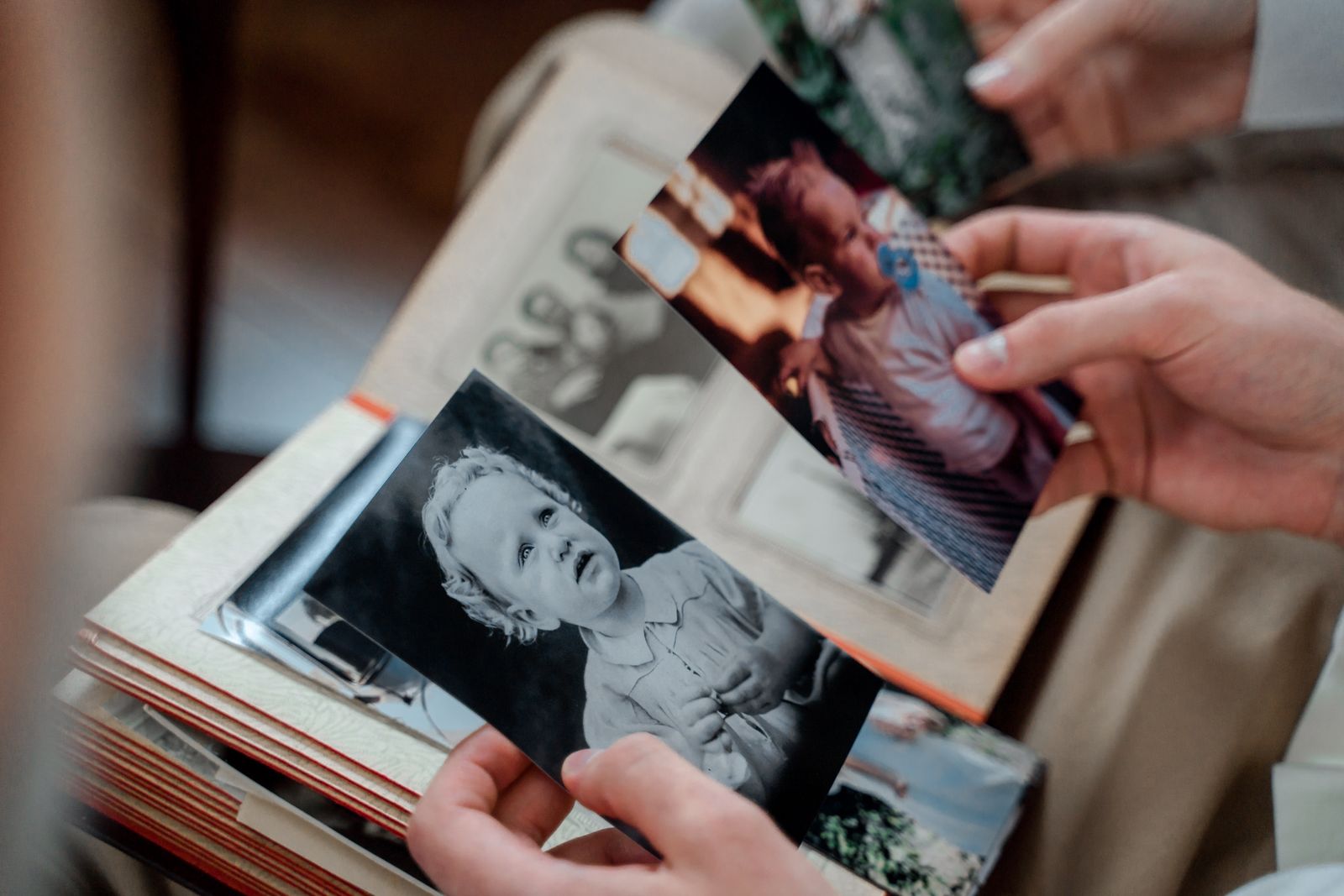
Photo books expose the tiers most sharply. Budget books are cheap, cheerful, and thin-paged — fine for a holiday gift. Mid-range press books are the working photographer's client staple. Premium albums — thick, lay-flat, printed on photographic paper — can cost ten times the budget book and are the one premium product many clients happily pay for, because they handle it at the sales session and feel the difference instantly.
The middle trap is paying mid-range money for a book with budget paper and premium-priced shipping. Read the specifications — paper weight, binding type, whether pages are press-printed or true photographic prints — rather than the marketing adjectives, which are identical at every tier.
A seller's decision rule
Match the tier to the promise you made, not to your anxiety:
- You promised a file, they chose to print it: recommend a mid-range lab by name in your delivery note. Your reputation rides on their print either way.
- You are selling the print itself: mid-range for open-edition small prints; premium for anything large, framed, or limited. Price from total cost — lab, shipping, packaging — at roughly three times, which current seller guidance treats as the sustainable norm.
- It hangs in public or represents a brand: premium, with a proof print first. One proof at 8×10 costs a few dollars and has saved more large orders than any other habit in the trade.
- It is disposable by design: budget, unapologetically, and spend the savings on volume.
Also order a test set before committing a body of work to any lab: the same five files — a portrait, a dark image, a bright product shot, a black-and-white, and your most saturated image — printed at each tier you are considering. Keep the sets labeled. That small archive, which will cost you less than a single botched large order, is the most honest buying guide in photofinishing, because it is printed from your files, not a reviewer's.
Finding the right counter
Start local if the work is urgent or oversized, and national if it is repeatable. This site lists 7,823 photofinishing retail businesses alongside 3,152 photo retouching services and 274 film-developing listings — a reminder that the surviving local labs often bundle finishing with skills the online giants do not sell, like printing from negatives and restoring originals. Ask any candidate three questions: Do you color-correct by hand or by machine? What paper is this price actually printed on? If the print does not match my proof, what happens? The answers sort the tiers faster than any price list.
Photofinishing is where photography becomes an object. Budget buys the object cheaply, mid-range buys it reliably, and premium buys it beautifully and for keeps. Know which object you promised — then pay for exactly that tier, and not a cent more.
Sources
- InspireFusion, "10 Best Photo Printing Services for High-Quality Prints in 2026" — comparative prices for Mpix, Nations Photo Lab, Printique, Bay Photo, Shutterfly, Artifact Uprising, Snapfish and Walmart, including 4×6 and 8×10 prices and canvas starting prices.
- ProfessionCalculators, "How to Price Photography Prints in 2026" — professional lab cost benchmarks for canvas, metal and fine-art prints, and the markup guidance sellers use.
- A1 Photo Lab, Berkeley and Concord price list — the same image priced on paper, canvas and metal at 16×20, and enlargement pricing by size.
- Passports.pics, "Where to Print a 4×6 Photo Cheaply" — same-day, pharmacy, warehouse-club and mail-order price ranges for small prints.
- LoveMaddily, "I Ordered 111 Prints From 10 Photo Companies" — a paid side-by-side test showing per-print prices and the effect of shipping on small orders.
Photographs: prints on a table — photo by Pavel Danilyuk, https://www.pexels.com/photo/8057039/ ; album in hands — photo by cottonbro, https://www.pexels.com/photo/8848784/ ; living room — photo by Max Vakhtbovych, https://www.pexels.com/photo/sofa-with-cushions-in-living-room-5998023/
More guides
- How to Find a Wedding Photographer: The Complete, Honest GuidePhotographers › Wedding Photographers
- How Much Does a Wedding Photographer Cost? Packages DecodedPhotographers › Wedding Photographers
- 10 Questions to Ask a Wedding Photographer Before You BookPhotographers › Wedding Photographers
- Wedding Photography Styles Explained: Documentary, Editorial, Traditional, Fine ArtPhotographers › Wedding Photographers
- Hiring a Wedding Photographer in California: Venue Light, Permits, and Price LevelsPhotographers › Wedding Photographers
- All Guides & ArticlesBrowse the full guides library