Photographers › Photographers Commercial & Industrial
Photographers Commercial and Industrial for Renters: What You Can Arrange, What Needs Permission and What the Landlord Covers
If your business rents its space — a warehouse unit, a light-industrial bay, an office in a managed building — then commercial photography comes with a third party attached: your landlord. Tenants routinely assume that because they pay rent on the space, they can photograph anything in it, bring any vendor into it, and publish the results however they like. Owners assume the same about their buildings. Both are partly right, and the boundary between the two is written in your lease, your building's rules, and a handful of permission habits that professional photographers who work in rented premises follow automatically. This guide draws that boundary: what a renter can arrange alone, what needs the landlord's written permission, and what is properly the landlord's cost — so your shoot day starts with a camera, not an argument at the security desk.
What you can arrange yourself
Photography inside your leased premises, of your own business. Your products on your benches, your machinery, your team at work, your fit-out: a tenant in possession of a unit may generally bring in a photographer to document and market its own operation inside that unit, in normal working hours, without asking anyone. This is the core of most commercial and industrial photography for renters — the website shoot, the capability brochure, the recruitment page — and it sits squarely within your rights as the occupier.
Your people, your products, your paperwork. Employee photographs for your own marketing (with your employees' own consent — their release is to you, and it's your job to have it), product photography of stock you own, and documentation of your equipment and inventory for insurance or finance purposes. If it is yours and it is inside your unit, the arranging is yours.
Condition documentation — and you should. Photographing the condition of your unit is one of the highest-value shoots a renter ever commissions, at move-in and again at move-out: walls, floors, docks, racking, office finishes, meter readings in frame. Landlord-tenant disputes over dilapidations and deposit deductions are won with dated, comprehensive photographs, and a professional set costs a fraction of one contested repair bill. Nothing in a standard lease stops a tenant documenting the premises they occupy; many a tenant wishes they had.
Choosing and paying your photographer. The vendor relationship is yours: you brief, you book, you pay. Published industrial rates give the scale — half-day industrial shoots commonly run $1,300–$3,000 depending on market and complexity — and this site lists 5,719 commercial and industrial photographers, so the market is deep. What the landlord controls is not your choice of photographer; it's the conditions under which any vendor works in the building, which is where the next section starts.
What needs the landlord's written permission
Vendor access itself, in managed buildings. This is the surprise that stops shoots. Managed office and industrial buildings run vendor regimes, and they are not decorative. A typical published set of tenant-vendor requirements — MetroNational's, for a Houston office property — states the pattern plainly: vendors enter only at a specific tenant's request and only to work in that tenant's premises; work happens during normal business hours (7 a.m.–5 p.m. weekdays in that document); deliveries and equipment come through the service entrance and freight elevator; and — the clause that ends shoot days — every vendor must deliver a Certificate of Insurance to the property management office before the work begins, with the landlord and management company named as additional insureds and certificate holders. Minimums in that document: general liability of at least $1,000,000, auto liability of $1,000,000, workers' compensation with $500,000 employers' liability, and umbrella coverage of $5,000,000 for some categories of work. Your building's numbers will differ; the structure won't. A photographer who works commercially carries liability insurance as a matter of course — but the certificate has to name your landlord, and producing it takes a day or two, not a phone call from the lobby.
Common areas, exteriors and the building itself. The lobby, the façade, the loading dock, the car park, the roof: these are the landlord's, and photographing them commercially needs written permission. Many leases say so explicitly — one standard building rulebook puts it in a single sentence: without the landlord's prior written consent, the tenant shall not use the name of the building, except as its business address, or pictures of the building, in advertising or publicity. Read that again if your marketing plan features your handsome headquarters. The building's image is an asset the landlord licenses, and hero shots of the exterior, signage photographs and drone flyovers of the property all start with a written yes.
Drones, doubly so. An FAA-certified pilot with airspace authorization has satisfied the federal system, which regulates flight — and only flight. The FAA does not grant rights over property: launching, landing and operating from the land requires the landowner's permission, and photographing a property its owner hasn't agreed to have photographed is where state privacy and trespass law lives. For a renter, that means a drone shoot over your industrial estate needs two permissions, not one: the pilot's Part 107 credentials for the sky, and your landlord's written consent for the property. Tenants can rarely grant the second one themselves for anything beyond their own unit — ask the landlord, in writing, early.
After-hours access, and anything that touches building systems. Evening shoots for the good light, weekend access, holding a freight elevator, propping a fire door, running cable through a corridor, shooting in a sprinklered warehouse with haze for atmosphere — each of these moves you from "tenant using its premises" into building operations, and each needs management's agreement, sometimes with building staff paid to attend. Put it in the same written request as the insurance certificate; property managers approve complete requests and stall incomplete ones.
Other tenants. Your lease gives you rights over your unit, not over the neighbors'. Photographs that capture another tenant's premises, signage, staff or operations — easy to do accidentally in shared yards and through warehouse racking — are theirs to object to. Frame them out, or get their agreement too.
What the landlord covers
The boundary runs the other way as well: some photography of your building is the landlord's job, at the landlord's cost, and tenants occasionally pay for it twice by not asking.
Marketing the property itself. Photographs used to lease the building — brochure and listing photography of the estate, the common parts and vacant units — are the landlord's marketing expense, made for the landlord's benefit. If a photographer's images of the building already exist in the leasing pack, ask for licensed copies before commissioning duplicates; landlords and their agents will often share building photography with tenants for co-marketing, on stated terms.
The building's own records. Documentation of the structure, plant and common systems — roof condition, façade surveys, the landlord's insurance and compliance records — belongs to the owner's maintenance regime. If your need is evidence about the building rather than about your business (a recurring leak's history, say), request the landlord's records through the lease's channels before paying your own photographer to document the landlord's asset.
Repairs that are the landlord's obligation. Where damage or defects are the landlord's repairing responsibility under the lease, the cost of remedying them is the landlord's — your photographs are evidence in that process, and they're cheap; the repair is the expensive part, and it isn't yours. Keep your condition documentation meticulous here: it is routinely the tenant's photographs, not the landlord's, that settle who pays.
What the landlord does not cover is equally worth stating, because tenants assume it hopefully: your marketing photography, your product shoots, your insurance documentation of your own contents and fit-out, and the photographer's fees for all of it are operating costs of your business. The landlord covers the building; you cover your business inside it.
The industrial-estate wrinkle: safety is a permission too
On industrial estates and shared manufacturing sites, there is a second gatekeeper beyond the landlord: the site's safety regime. Photographers working in operational industrial environments are routinely required to complete a site induction, wear specified PPE, stay out of marked zones, work with a spotter in live areas, and comply with the site's permit-to-work system — and on some categories of site, to hold safety credentials before they are allowed through the gate at all. As the tenant, arranging that clearance is your job: your photographer is your vendor, and the estate will look to you for their paperwork, their induction booking and their behavior on site. Build a day for it. The tenants who treat a photographer's site access as a five-minute signature are the ones whose shoots get escorted off at the first forklift route; the ones who arrive with the COI filed, the induction booked and the shot list pre-agreed with the site manager tend to be invited back. Note, too, that your own insurer may have views about photography of your processes — some industrial policies restrict imaging of certain operations — so a quick check with your broker belongs on the same pre-shoot list as the landlord's email.
The renter's pre-shoot routine
- Re-read your lease's clauses on alterations, signage, advertising and building rules — the pictures-of-the-building clause hides there.
- Send the property manager one written request covering: shoot date and hours, areas needed (unit only, or common parts and exterior too), drone or no drone, and after-hours or elevator needs.
- Have your photographer issue the Certificate of Insurance naming the landlord and manager as additional insureds — before the shoot week, not the shoot morning.
- Confirm your photographer's own credentials for the work: liability insurance as standard, and FAA Part 107 certification if anything flies.
- Photograph your unit's condition while the photographer is there anyway. Future you, at lease end, sends thanks.
This site lists 5,719 commercial and industrial photographers, and the good ones who serve business parks and industrial estates know this routine cold — they will ask about your building's vendor requirements before you think to mention them. Book one of those, do the landlord paperwork once and in writing, and your tenancy and your photography will never have to argue with each other again.
Sources
- MetroNational, "Tenant Vendor Requirements" (10100 Katy Freeway, Houston) — vendors admitted only at a tenant's request and only to that tenant's premises; business-hours access via service entrance and freight elevator; Certificates of Insurance required before work, with general liability of at least $1,000,000, auto liability $1,000,000, workers' compensation with $500,000 employers' liability, and landlord and manager named as additional insureds and certificate holders.
- One Rotary Center Tenant Manual (building rules) — the standard rule that a tenant may not, without the landlord's prior written consent, use the name of the building (except as its address) or pictures of the building in advertising or other publicity.
- National Drone Centre, "Drone Laws Over Private Property (2026)" — the split between FAA regulation of flight and state property law; launching, landing and retrieving a drone require the landowner's permission, and owner consent is the operative permission in professional work.
- ScenePhoto360, "Just Because You Can Fly There Doesn't Mean You Should" — FAA authorization answers an airspace question only; professional standard is imaging private property only with the knowledge and permission of an appropriate property representative.
Photographs
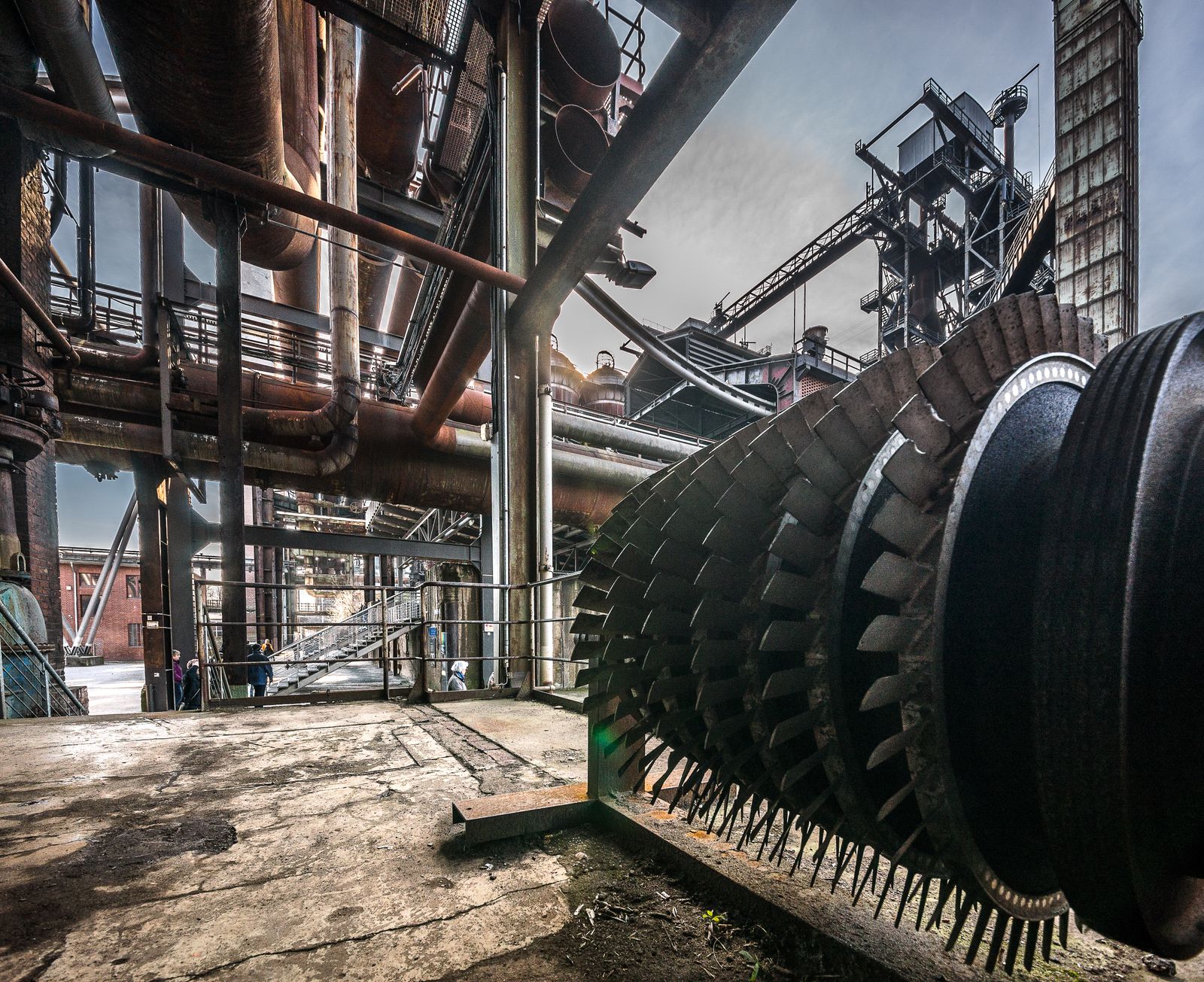
- Factory machinery — photo by Mike van Schoonderwalt, https://www.pexels.com/photo/5503874/
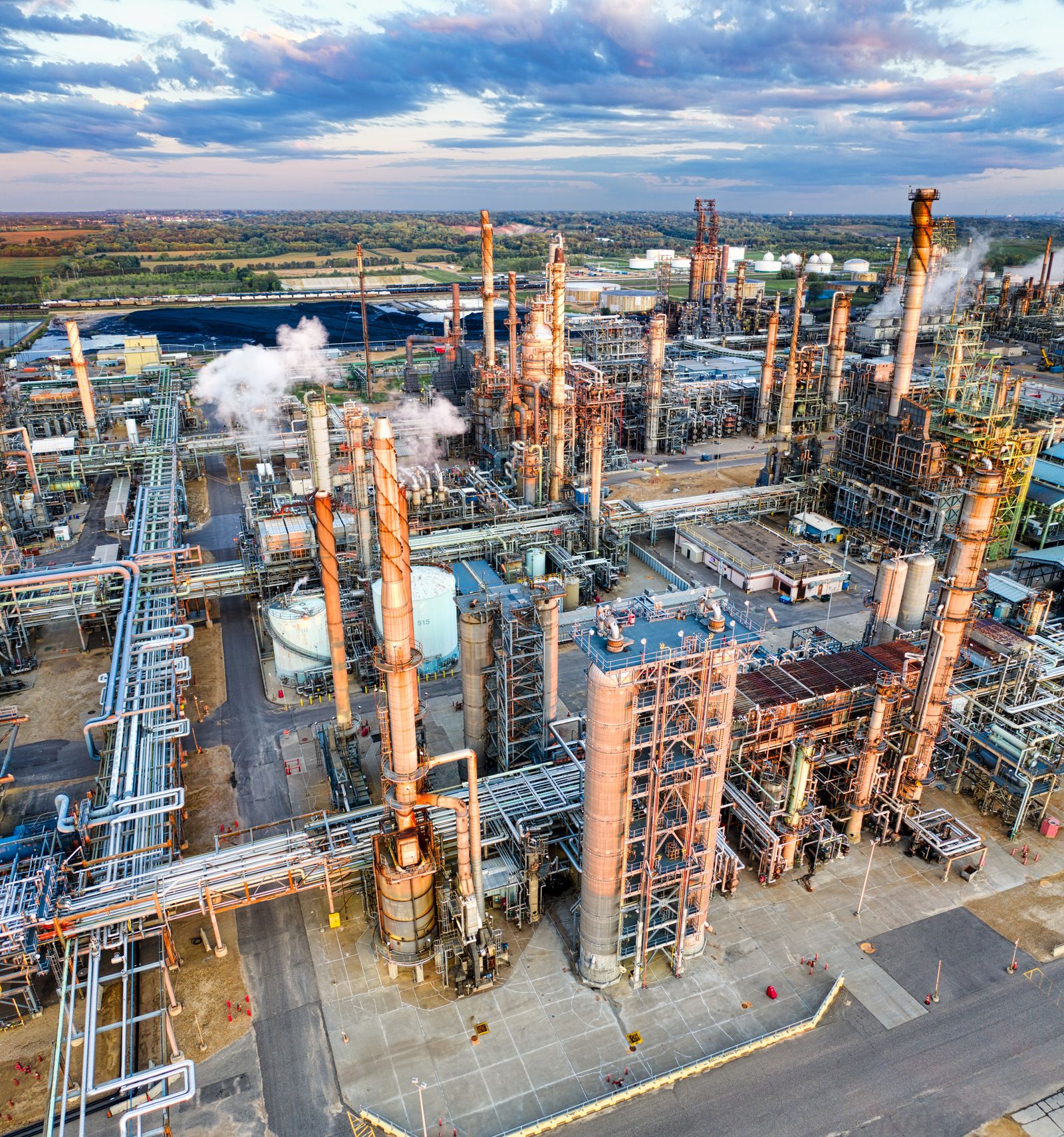
- Refinery aerial — photo by Tom Fisk, https://www.pexels.com/photo/10396416/
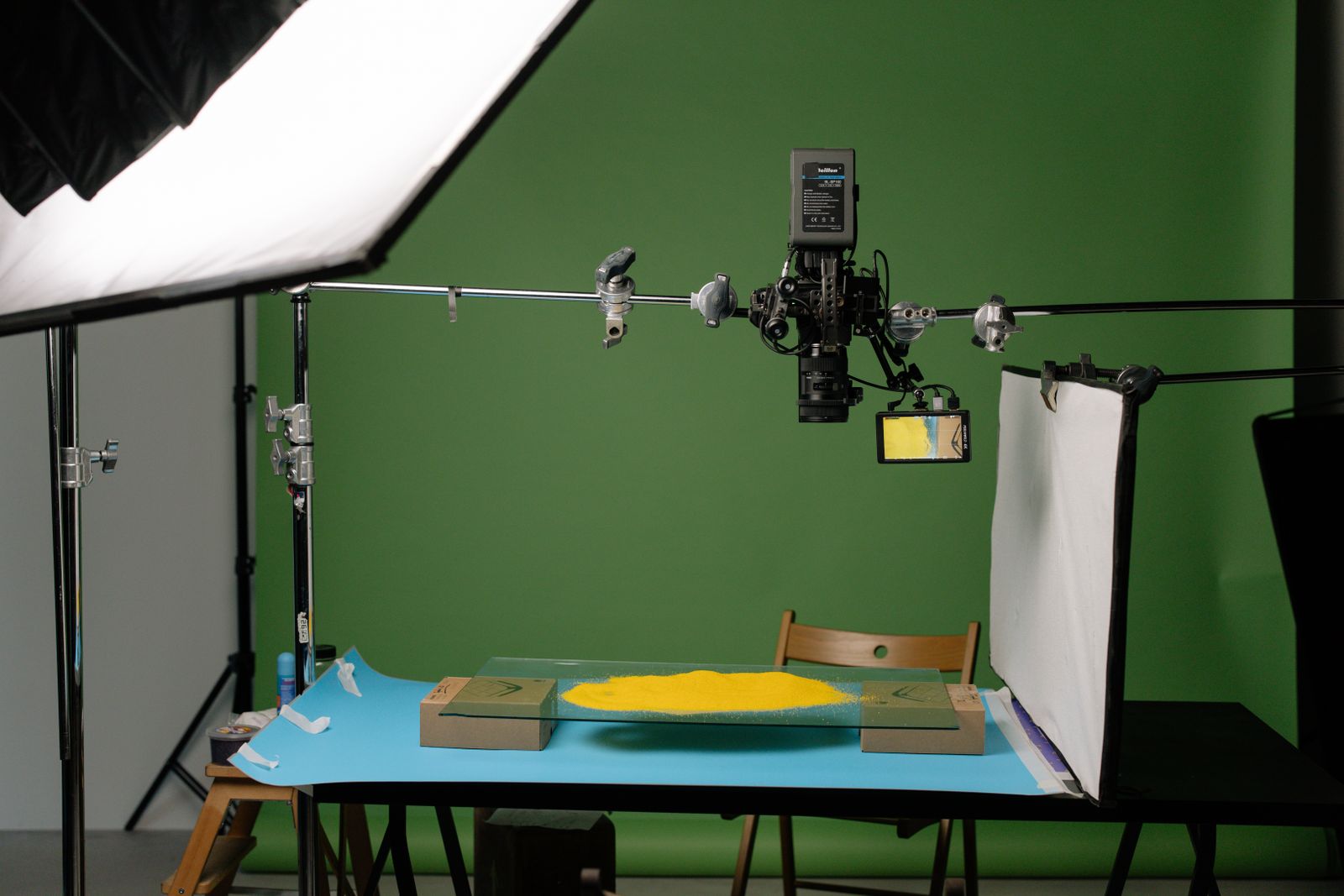
- Product setup — photo by cottonbro studio, https://www.pexels.com/photo/5878878/
More guides
- How to Find a Wedding Photographer: The Complete, Honest GuidePhotographers › Wedding Photographers
- How Much Does a Wedding Photographer Cost? Packages DecodedPhotographers › Wedding Photographers
- 10 Questions to Ask a Wedding Photographer Before You BookPhotographers › Wedding Photographers
- Wedding Photography Styles Explained: Documentary, Editorial, Traditional, Fine ArtPhotographers › Wedding Photographers
- Hiring a Wedding Photographer in California: Venue Light, Permits, and Price LevelsPhotographers › Wedding Photographers
- All Guides & ArticlesBrowse the full guides library