Photographers › Photographers Commercial & Industrial
Photographers Commercial and Industrial for Seniors: Costs, Comfort and the Adjustments Worth Asking About
Commercial and industrial photography sounds like a young person's booking: factory floors, product lines, a founder in a hard hat. In practice, a large share of the people commissioning it are older. The machine-shop owner of forty years who is finally selling and needs the business photographed properly for the sale memorandum. The family firm whose second generation wants portraits of the parents who built it, in the building, while that is still possible. The retirement-community operator, the senior-living developer, the couple marking fifty years of a business they started in a garage. This site lists 5,719 photographers in its commercial and industrial category, and the good ones have quietly learned a second trade alongside the first: pacing a shoot day so that an older client is comfortable, unhurried, and photographed at their best.
This guide is about what that work costs, what comfort actually means on a commercial shoot, and the specific adjustments worth asking for — most of which a good provider makes without being asked, and all of which you are entitled to request.
What "commercial and industrial" covers when the client is senior
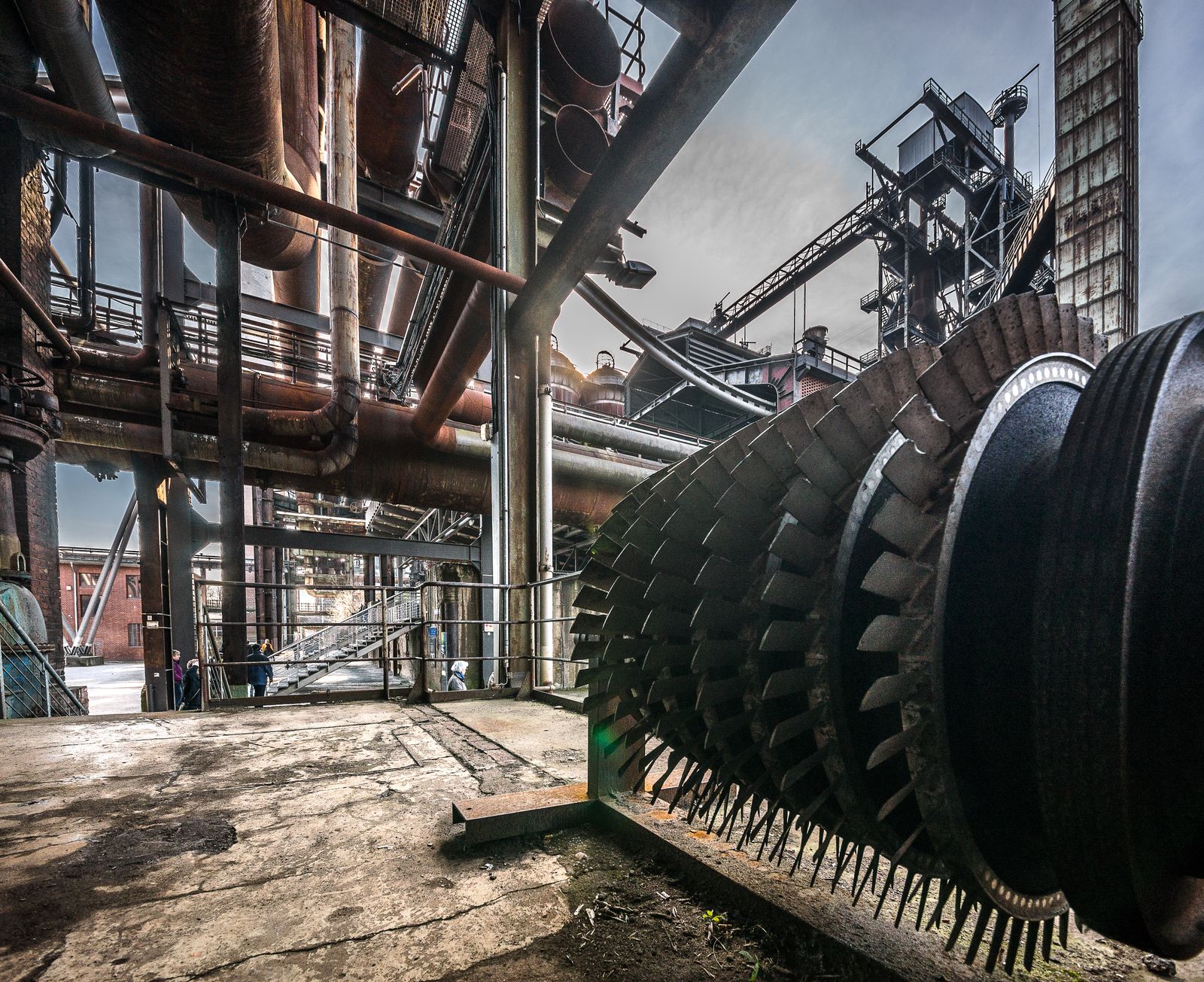
The category bundles two related kinds of work. Commercial photography is imagery made to sell or explain a business: premises, products, staff, processes, and portraits of the people in charge. Industrial photography is the heavier end of the same craft — manufacturing plants, warehouses, construction, energy and machinery — where the photographer works inside a working site, under its safety rules, often in personal protective equipment, and photographs operations that cannot stop for the camera.
For older customers, three commissions come up again and again:
- The legacy shoot. Portraits and premises photography for a business being sold, handed over, or commemorated — the owner at the bench, the machine, the desk they have occupied for decades. This is commercial photography with an heirloom purpose, and it deserves to be briefed that way.
- Senior-facing marketing. Retirement communities, home-care firms, financial and legal practices, and clinics photographing their spaces and people for an older audience — work that fails completely when the photographer lights and directs it like a youth brand shoot.
- The working-site record. Industrial documentation of a plant or process, often commissioned by an owner who no longer walks the floor daily and needs the record for buyers, insurers, or family.
What it costs
Commercial photography is priced by time and by use. Published 2026 pricing guides for small-business and brand work put a mini session at roughly $450–$850, a half day at $950–$1,800, and a full day at $1,800–$3,500, with wider commercial guides placing shoot days anywhere from $800 to $5,000 depending on production scale. Industrial work sits toward the top of those bands and above them, because it adds site inductions, safety compliance, assistants, and sometimes a second visit to catch a process that only runs on certain days.
| Commission | Typical price | What moves it |
|---|---|---|
| Legacy portraits and premises, half day | $950–$1,800 | Number of setups; whether staff and family are included |
| Full-day commercial shoot | $1,800–$3,500 | Locations, lighting production, image count |
| Industrial site day | $2,500–$5,000+ | Safety induction, PPE, assistants, restricted hours |
| Licensing for sale documents or advertising | Often included for web use; priced separately for campaigns | Where and how long the images run |
Two pricing points matter more to senior clients than to anyone else. First, licensing: a photograph commissioned for a company website is not automatically licensed for the sale brochure, the buyer's own marketing, or a newspaper advertisement. If the shoot is connected to selling the business, say so before the quote, and get the intended uses written into it. Second, the half day is usually the right unit. A well-planned half day covers more than most clients expect, and — as the next section argues — it is also the comfortable unit.
Comfort is a production decision
Photographers talk about comfort as if it were a personality trait — a friendly manner, a bit of patience. On a commercial shoot it is actually a set of production decisions, made in advance, and you can ask about every one of them.
Pacing. A full eight-hour shoot day is an endurance event even for the crew. For an older client who is the subject — standing for portraits, walking a site, repeating a process demonstration — the honest format is a half day with the most important shots first, while energy is highest. Ask the photographer to order the shot list by priority, not by convenience, and to build in seated breaks that are scheduled rather than apologetic. A photographer who has done legacy work will propose this themselves.
Seating and standing. Portrait setups can be built seated without looking like a concession: at a desk, at a workbench, in the office chair that has been theirs for thirty years. Seated portraits in a real workplace read as authority, not accommodation. Ask for a chair in every setup, water within reach, and no long standing waits while lights are adjusted — the photographer should dial in the lighting on an assistant or a stand-in, then bring the client in for the finished setup.
Access. Industrial and commercial premises are not always step-free. Before the day, walk the route the shoot will take: Is there a lift? How far is it from parking to the floor? Are there stairs between the office and the production area, and can the key shots be reordered or relocated to avoid them? None of this embarrasses a professional; site access questions are standard industrial practice, because crews haul heavy cases and ask the same things for themselves.
Hearing, sight, and print size. Direction on a noisy floor is shouted or gestured; a good industrial photographer agrees hand signals and a quiet briefing spot in advance. At the other end of the job, ask for proofs and contracts in large print if that helps — reputable studios produce them without fuss — and for the final gallery to be viewable at large sizes on a tablet or printed as contact sheets, not only as a phone-sized online gallery. Reviewing two hundred small thumbnails is nobody's idea of a fair selection process.
Temperature and timing. Warehouses are cold in winter and plants are hot in summer, and older clients feel both sooner. Schedule the floor work for the mildest part of the day, keep the client's time in the harshest environment short, and let the crew — not the client — wait out the delays.
The adjustments worth asking about, in one list
Ask for these explicitly when you book. Each is small; together they are the difference between a shoot that drains its subject and one that flatters them.
- A half-day booking, with the must-have shots scheduled first.
- A written shot list ordered by priority, shared before the day.
- Seated versions of the main portraits, built into real workplace settings.
- Lighting tested on an assistant before the client is called into the setup.
- A step-free route, or a reordered route that avoids stairs and long walks.
- Scheduled breaks, a chair and water at each setup, and a quiet room for briefings away from floor noise.
- Agreed hand signals for any work near operating machinery, plus the site's own safety induction for everyone present.
- Large-print contract and proofs, and a printed contact sheet or large-format gallery for image selection.
- Licensing that names the real uses — website, sale documents, family copies, press — in writing.
- A named contact for the day itself, so changes of plan do not have to be negotiated through an office.
Safety, when the shoot is industrial
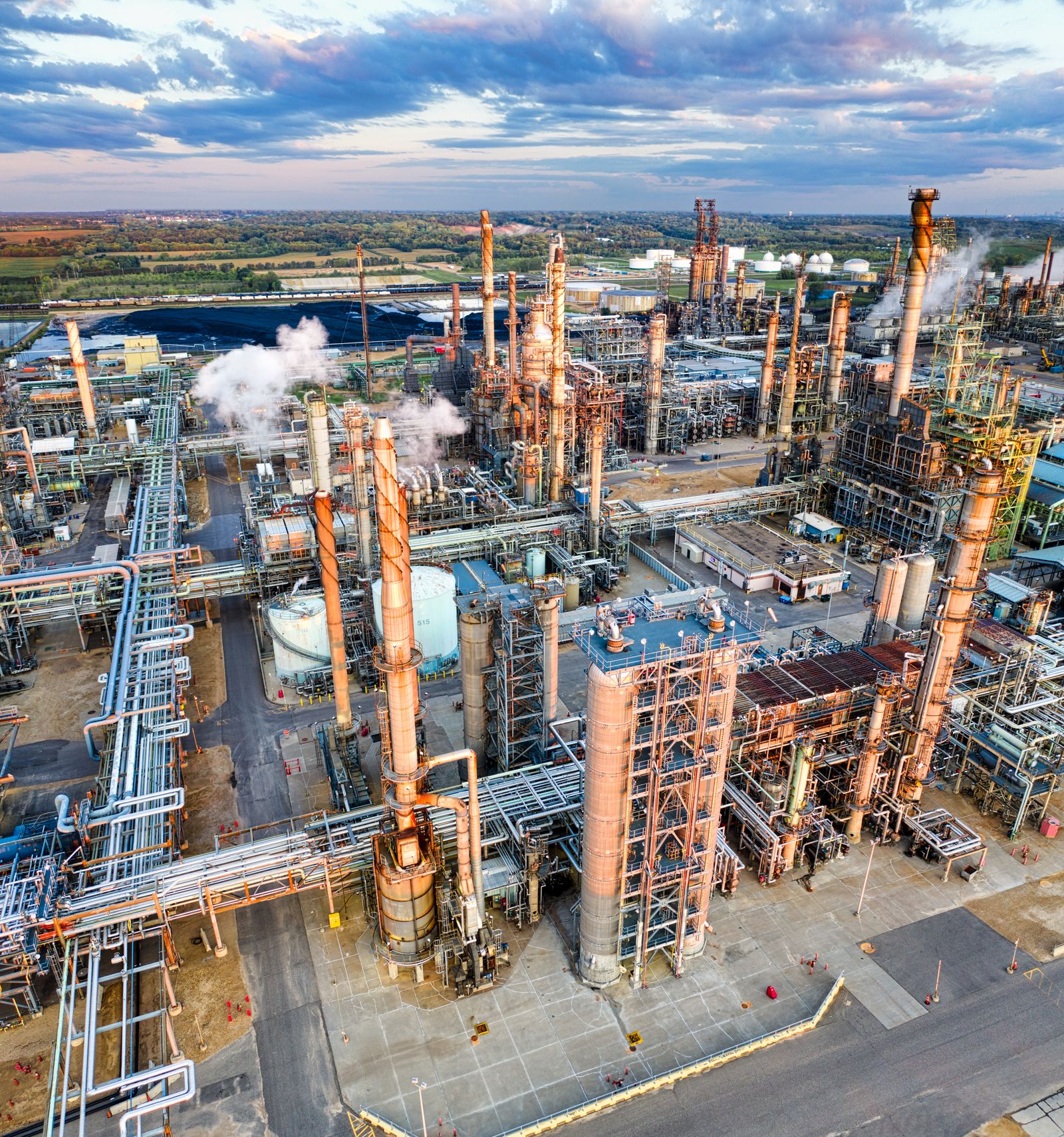
Industrial sites run on rules that override photography. The site's safety induction is not optional for anyone crossing the floor, client included; expect requirements for protective footwear, eye and ear protection, and high-visibility clothing, and expect some areas to be closed to photography altogether for safety or commercial reasons. A professional industrial photographer arrives already equipped and insured for this environment, carries liability cover the site will usually want evidenced in advance, and plans the shoot around production rather than asking production to arrange itself around the shoot. If a quote seems to treat a working plant like an empty studio, that is a warning sign, not a bargain.
One senior-specific point: if the client has limited mobility, say so at the booking stage, not on the day. Sites can often adjust — a different gate, a vehicle route across the yard, a ground-floor vantage for the process shots — but only if they know in advance.

Delivery, and how the pictures get reviewed
Agree the delivery format before the shoot, because it decides whether the client can actually judge the work. A download link full of full-resolution files suits an office manager; it does not suit everyone. Ask for three things: a small set of finished, edited hero images delivered first, within days, so the client sees the point of the exercise while it is still warm; a complete gallery presented large — on a tablet, a television, or as printed contact sheets — for the selection conversation; and the final files supplied in both print resolution and web sizes, clearly named, with a printed index if the archive matters. For a legacy commission, also ask about archival prints of the key portraits at the time of the shoot. Framing a founder's portrait is much easier while the photographer who made it is still holding the file, the paper stock, and the memory of what the client liked.
Choosing the photographer
Start in the commercial and industrial listings — this site lists 5,719 of them — and then filter by evidence, not by adjectives. Ask to see a complete gallery from one premises or site shoot, including the ordinary frames, not just the hero shot. Ask who has commissioned them before and whether they have photographed people of the client's generation as principals, not as background. Ask about insurance, about site experience, and about how they would structure the day for a client who tires by early afternoon. The right photographer answers that last question with a plan, immediately, because they have done it before.
The fee, in the end, is the smaller part of this purchase. What you are buying is a record — of a business, a building, a working life — made while it can still be made firsthand. Book the half day, put the important shots first, ask for the chair and the large print and the quiet room, and hire the photographer who treats those requests as the ordinary craft they are.
Sources
- Jimmy Clemmons, "Brand Photography Pricing: A Practical Guide for 2026" — small-business session, half-day and full-day price bands and per-image benchmarks. https://jimmyclemmons.com/brand-photography-pricing/
- NVAR Studios, "Commercial Photographer Rates in Lincoln, NE — 2026" — day-rate structure, licensing and what half-day and full-day bookings include. https://www.nvarstudios.com/blog/commercial-photographer-rates-lincoln-ne-2026
- Lars Miller Media, "Commercial Photography Rates & Pricing 2026" — hourly, half-day and full-day market ranges by photographer tier. https://larsmillermedia.com/commercial-photography-rates/
- Photographs: factory machinery — photo by Mike van Schoonderwalt, https://www.pexels.com/photo/5503874/ ; refinery, aerial view — photo by Tom Fisk, https://www.pexels.com/photo/10396416/ ; studio portrait — photo by Italo Melo, https://www.pexels.com/photo/2379004/
More guides
- How to Find a Wedding Photographer: The Complete, Honest GuidePhotographers › Wedding Photographers
- How Much Does a Wedding Photographer Cost? Packages DecodedPhotographers › Wedding Photographers
- 10 Questions to Ask a Wedding Photographer Before You BookPhotographers › Wedding Photographers
- Wedding Photography Styles Explained: Documentary, Editorial, Traditional, Fine ArtPhotographers › Wedding Photographers
- Hiring a Wedding Photographer in California: Venue Light, Permits, and Price LevelsPhotographers › Wedding Photographers
- All Guides & ArticlesBrowse the full guides library