Photographers › Photographic Equipment Service & Repair
Photographic Equipment Service and Repair: The Complete Checklist Before You Commit
A camera body going in for repair is not like a car going in for a service. There is no courtesy camera. There is no national chain with a branch in every town. There is a small, ageing trade of technicians, a parts supply that ends abruptly when a manufacturer decides it ends, and — for a working photographer or a small business whose product photographs depend on one body and two lenses — a queue measured in weeks that starts the moment you hand the equipment over. Committing to a repair is therefore a decision with more moving parts than the camera: the diagnosis, the price structure, who actually does the work, what happens if you decline, and whether the repair should happen at all.
I book photographers for events, and the professionals I trust share a habit: they treat a repair booking with the same paperwork discipline as a client booking. This checklist is that discipline, written down — every decision, document, and question to settle before money or signatures are committed, in the order the commitments actually happen.
Step 1: Decide whether the equipment should be repaired at all
The repair trade has a rule of thumb worth stealing: compare the quote not to what you paid for the camera, nor to its launch price, but to what an equivalent working example costs today. Under about a quarter of that replacement cost, repair is an easy yes. Far above half, you are usually buying sentiment. Between the two, the deciding factors are parts, downtime, and whether the equipment earns money.
Three situations change the arithmetic:
- The equipment is your business's production line. A studio or seller whose listings depend on one body should price in the downtime, not just the invoice — a $300 repair that takes six weeks can cost more in stalled shoots than a $500 repair done in two. Ask about loaner or rental arrangements, or time the repair for your quiet season, before you commit rather than after.
- The fault is wear, not damage. Shutters are consumables with rated lives; a shutter replacement on a valuable body ($200 to $500 or more in published estimates) is maintenance, not misfortune, and usually worth it. Impact and water damage are different: they hide secondary faults, and at least one specialist shop excludes impact, water, torn shutter curtains, and sand contamination from its standard service entirely, quoting them as open-ended repairs instead.
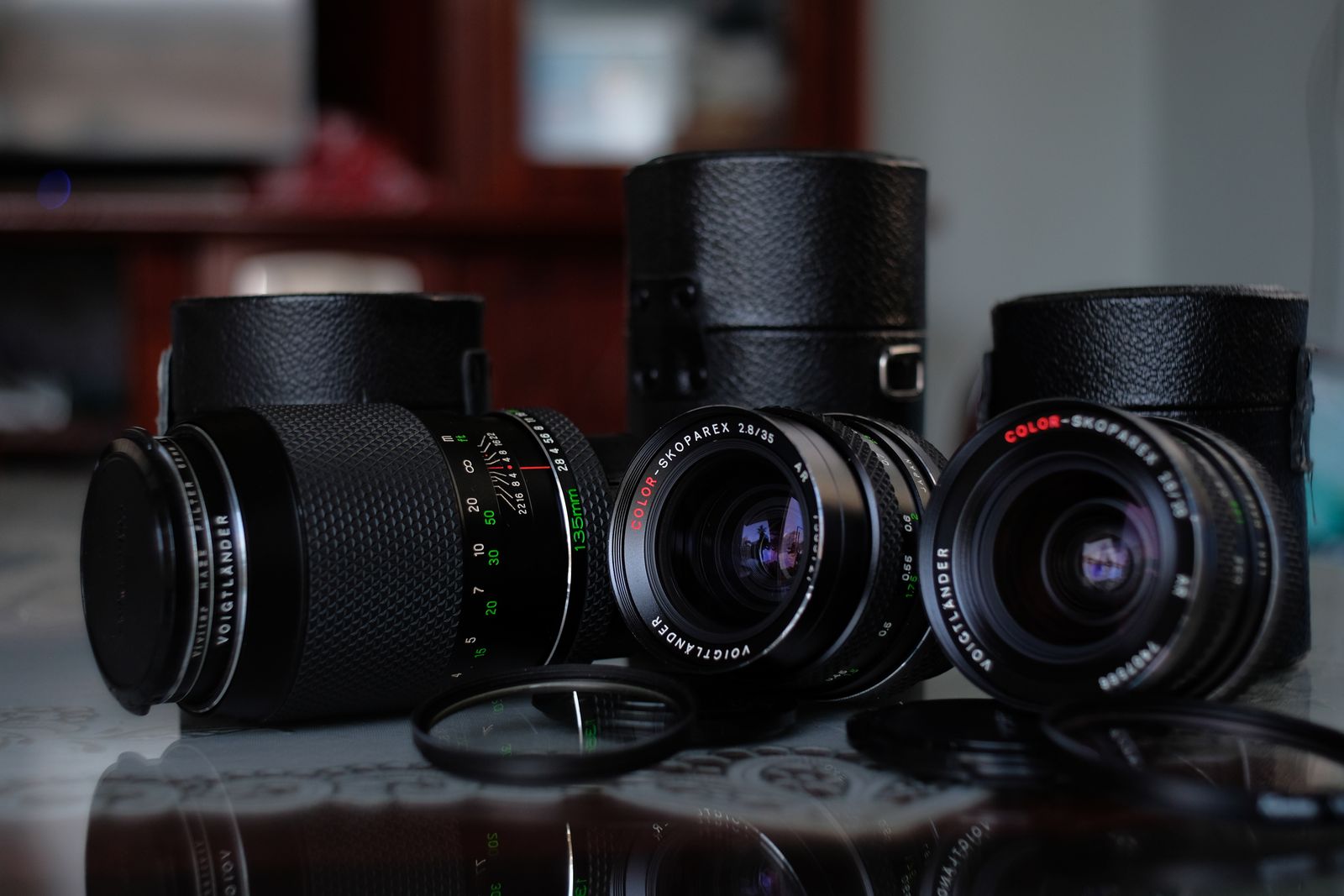
- Parts may not exist. For discontinued bodies and lenses, the honest first question is not "how much?" but "can this still be repaired at all, and with what parts — new, harvested, or third-party?" A shop that answers that plainly before taking your bench fee has earned the job.
Step 2: Understand the price ladder before you hear a number
Repair pricing confuses people because one word — "service" — covers wildly different amounts of work. Published US price lists converge on a ladder like this:
| Service | Typical US price | What it actually is |
|---|---|---|
| Bench / estimate fee | $24–$85 | Opening the equipment, diagnosing the fault, quoting the repair — ask whether it is credited toward the job if you proceed, because shops differ, and declining an estimate can itself cost money |
| Clean and check | $25–$58 | External and accessible clean, function test, shutter-speed check; little or no disassembly |
| Sensor cleaning (digital) | About $60–$120 | A wet clean of the sensor — the fix for recurring dark specks at small apertures |
| Tune-up | Around $128 | Partial disassembly, cleaning, adjustment of shutter and metering, minor parts |
| CLA (clean, lubricate, adjust) | $125–$325 | The standard mechanical-camera service: strip, remove old lubricant, re-lubricate, recalibrate shutter speeds and usually the meter. Lens CLAs are separate — roughly $125–$330 by focal length and complexity — and a body CLA does not touch your glass |
| Full overhaul | $278–$378 | Complete teardown and rebuild of every subsystem, worn parts replaced, full recalibration |
| Digital shutter replacement | $200–$500+ | A parts-driven job, priced by the body and the shutter unit |
| Specific fixes (film cameras) | $80–$120 | Light seals, stuck shutter, unjamming — often sold without a warranty |
Two checklist items fall straight out of that table. First, get the quote in writing, itemised — labour, parts, and what is excluded — because "repair the shutter" can mean a recalibration or a replacement unit, at three times the price. Second, get two quotes on anything over about $200. Shops sit all across the published ranges for identical work; the spread is not a rounding error, it is the market.
Step 3: Choose the route — manufacturer, authorised, or independent
This is the decision with the longest consequences, and it is mostly made for you by three facts: warranty status, age, and parts.
Use the manufacturer or an authorised centre when: the equipment is in warranty (an unauthorised repair can void what remains of it), the body is very new and its parts are restricted, or the job needs factory calibration equipment — sensor alignment and weather-sealing work are the usual examples. You get genuine parts, factory-trained technicians, and a documented service history tied to the serial number. You pay for it: manufacturer service is typically the most expensive route, and often not the fastest.
Use a good independent when: the equipment is out of warranty, mechanical, or old. Independents typically run 20 to 40 percent cheaper than manufacturer service for the same job and generally turn work around faster — two to four weeks is a normal independent timeline, depending on the backlog. They are also the only route for much film equipment, which manufacturers largely stopped servicing years ago, and for gray-market bodies, which at least one major manufacturer refuses to service at any price. Many independent technicians trained at the manufacturers they now undercut. The trade-offs are real: parts may be third-party, quality varies by shop, and the warranty on the repair itself is the shop's own — which is why the next step exists.
Step 4: The questions to ask before you hand anything over
Settle all of these, in writing where money is involved, before the equipment leaves your hands:
- Is the work done in-house? This is the single highest-value question on the list. A shop that sends equipment out is acting as a courier with a markup, and a send-out typically adds four to six weeks on top of the actual repair time. In-house means the shop controls its queue and can call you when it opens the body.
- What is the bench fee, and is it credited? $24 to $85 is the normal range. Whether it is credited toward an approved repair — and what declining the estimate costs — should be known before the camera is opened, not after.
- What is the current backlog, honestly? Two to four weeks is normal at an independent; busy periods run longer. A good shop tells you straight. A vague answer is an answer.
- What warranty covers the repair itself? Published examples include a three-month warranty on a full CLA at one specialist, while small specific fixes at the same shop carry none. Know which you are buying, and whether the warranty covers the same fault recurring or the whole mechanism.
- What parts will be used, and what if a part is unavailable? New, harvested, or third-party — and does the shop stop and call you, substitute, or return the equipment unrepaired, and at what charge?
- What is the approval threshold? Authorise the quoted work only, with any additional findings above an agreed amount requiring your approval before proceeding. Open-ended authorisations are how a $150 service becomes a $450 rebuild.
- How is the equipment insured in transit and on the premises? If you are shipping — and most people ship — use a tracked, insured service, photograph the equipment's condition and serial numbers before it goes, and keep the paperwork with the quote.
- What exactly comes back? The repaired item, the replaced parts (ask for them), a service report stating what was done and measured — shutter speeds tested, meter calibrated — and the warranty terms in writing.
Step 5: Prepare the equipment — and your business — for its absence
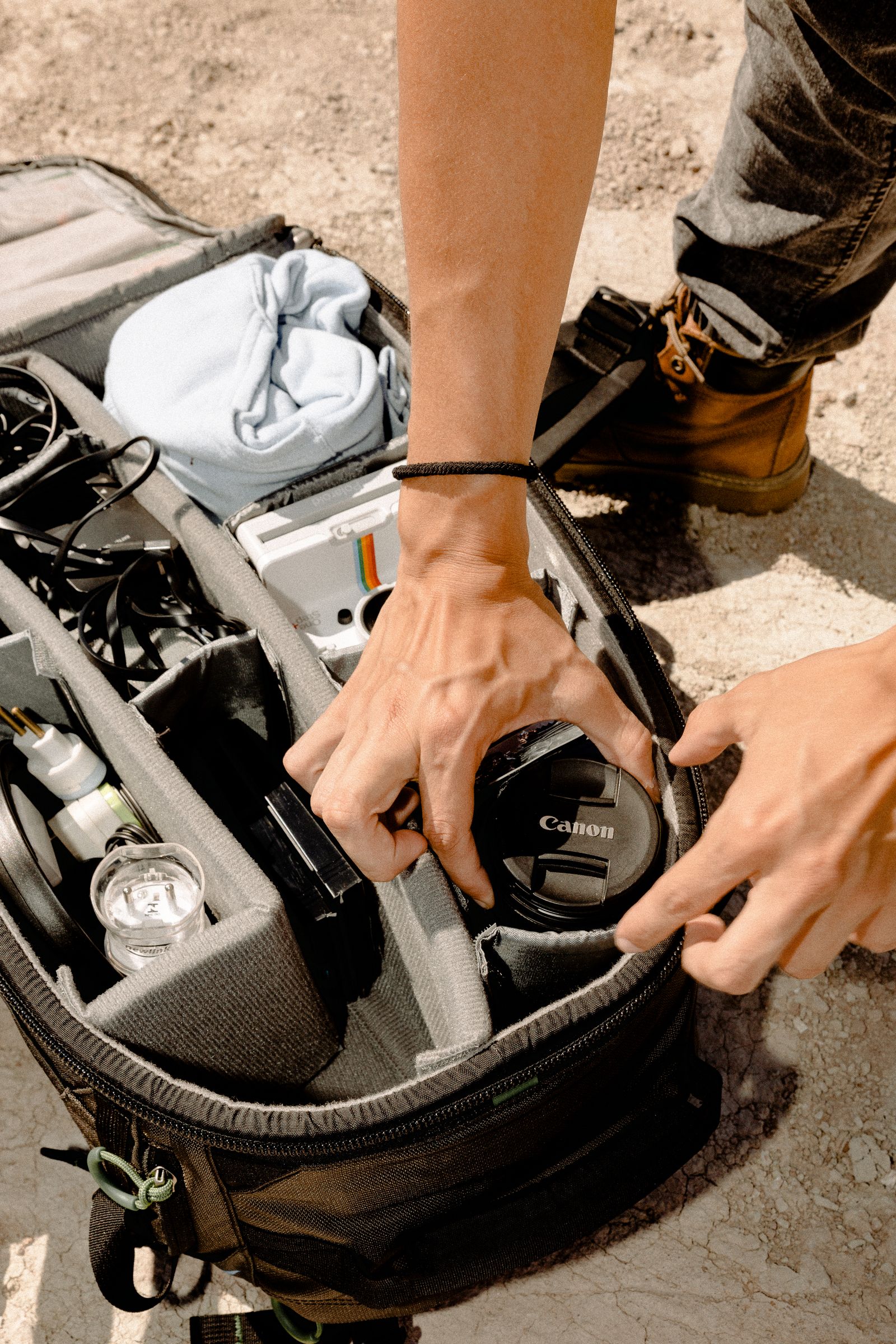
Before the box closes: remove memory cards, batteries, and accessories that aren't part of the fault; back up your settings if the body stores them; note serial numbers and cosmetic condition with photographs; and describe the fault in writing, precisely — when it happens, with which lens, at which settings — because intermittent faults are diagnosed from your description as much as from the bench. "It makes a noise" costs you a week. "Error appears on the third frame after a cold start, with either lens" saves one.
Then plan the gap. If the equipment earns money — event bookings, product listings, client sessions — the checklist's last item is a coverage plan for the repair window: a rental booked, a second body promoted, shoots rescheduled into the quiet weeks, clients told early. The photographers who survive repair season are not the ones whose cameras never break. They are the ones who treated the repair as a scheduling event with a paperwork trail, not as an errand.
The checklist, condensed
This site lists 571 photographic equipment service and repair listings, so the bench exists — your job is to commit to the right one in the right order: repair-versus-replace decided against today's working value; the price ladder understood before the quote arrives; manufacturer versus independent chosen on warranty, age, and parts; the eight questions answered in writing, in-house status first; and a coverage plan for the weeks the kit is gone. Do those five things before money changes hands, and a repair stops being a leap of faith and becomes what it should have been all along — a managed purchase, with a known price, a known timeline, and a known way back if the answer is no.
Sources
- CameraStores.net, camera repair costs — bench and estimate fees of $24–$85, clean-and-check at $25–$58, tune-ups around $128, CLAs at $125–$325, and full overhauls at $278–$378, with the repair-versus-replace test set against the cost of an equivalent working camera today.
- Brooklyn Film Camera, film camera repair and CLA pricing (2026) — specific fixes such as light seals and stuck shutters at $80–$120, full camera CLAs at $225–$400 with a three-month warranty, lens CLAs from $125, and impact, water, torn-curtain, and sand damage excluded from standard service.
- CleanCamera, how much it costs to repair an old camera — digital sensor cleaning at $60–$120, digital shutter replacement at $200–$500 or more, and lens mechanical repair at $100–$400 or more.
- CameraStores.net, camera repair near you — independents typically run 20–40% cheaper than manufacturer service and turn work around in two to four weeks; a shop that sends equipment out typically adds four to six weeks; manufacturers will not service some gray-market bodies at any price.
- GB Times, where to fix a digital camera — manufacturer and authorised centres offer genuine parts and preserve warranty coverage, while independent repairs may void a remaining manufacturer warranty.
- Photo by Nguyen Huy, https://www.pexels.com/photo/19079982/
- Photo by Luis Quintero, https://www.pexels.com/photo/1738645/
- Photo by Wendy Wei, https://www.pexels.com/photo/2994110/
More guides
- How to Find a Wedding Photographer: The Complete, Honest GuidePhotographers › Wedding Photographers
- How Much Does a Wedding Photographer Cost? Packages DecodedPhotographers › Wedding Photographers
- 10 Questions to Ask a Wedding Photographer Before You BookPhotographers › Wedding Photographers
- Wedding Photography Styles Explained: Documentary, Editorial, Traditional, Fine ArtPhotographers › Wedding Photographers
- Hiring a Wedding Photographer in California: Venue Light, Permits, and Price LevelsPhotographers › Wedding Photographers
- All Guides & ArticlesBrowse the full guides library