Photographers › Portrait & Commercial Photography
Portrait and Commercial Photography at Three Budgets: What Budget, Mid-Range and Premium Really Buy
Ask three photographers for a portrait or a day of commercial work and you will get three numbers that seem to describe three different professions. A family session at $250 and another at $1,500. A commercial day at $900 and another at $6,000. The instinct is to assume the expensive one is a markup on the cheap one. Having sat on the buying side of these quotes for years, I can tell you the truth is more useful: the three price levels are three different products that happen to share a camera. This guide walks the ladder — what budget, mid-range, and premium actually buy in portrait and commercial photography, and how to know which rung your job is really on.
First, understand what a quote is made of
Portrait work is usually sold as a package, but commercial work is built from three parts, and the parts explain the ladder better than any rate card. Industry analyses of brand photography put the split roughly like this: the creative fee — the photographer's time, eye, and direction — is 25 to 40 percent of a typical quote; production — crew, studio, styling, props, equipment, permits — is 30 to 50 percent; and licensing — where the images may run, for how long, and how exclusively — is 15 to 45 percent. A quote quoted as one flat number has either bundled all three or quietly assumed a license much narrower than you think you are buying. At the budget end, the three parts collapse into one small fee because there is barely any production and the license is barely discussed. At the premium end, each part is a line, a negotiation, and a reason.
The three levels, side by side
| Budget | Mid-range | Premium | |
|---|---|---|---|
| Portrait session | ~$100–$300 (mini sessions, newer photographers) | ~$250–$750 (standard session, established studio) | $750–$2,000+ (branding and signature work) |
| Commercial day rate | ~$750–$1,500 (emerging photographer) | ~$1,500–$2,500 (established local professional) | $2,500–$5,000+ (senior specialist; agency-level above this) |
| Who is on set | The photographer, alone | Photographer, often an assistant; basic lighting | A crew: assistant, digital tech, stylists as needed |
| Retouching | Light correction on a set number of images | Proper retouching on the delivered set | High-end retouching; per-image finishing on selects |
| License | Personal use, or web/organic social, often loosely defined | Defined license: your site, social, marketing, a stated term | Wide license: paid media, print, packaging, longer terms, exclusivity options |
| What you are really buying | Pictures | Pictures plus reliability | Pictures, reliability, and rights at scale |
The day-rate ladder behind the middle row is documented in published 2026 market guides: emerging commercial photographers at $75 to $150 an hour ($750 to $1,500 a day), established local professionals at $150 to $300 an hour ($1,500 to $2,500 a day), senior specialists at $300 to $500 an hour ($2,500 to $4,000 a day), and national or agency-level photographers at $500 an hour and $5,000 a day and up. Small-business marketing guides land in the same country: a mini session of one to two hours at $250 to $600, a half day at $600 to $1,400, a full day at $1,200 to $2,500, product shots on white at $15 to $75 per item, and headshots at $75 to $250 per person.
Budget: what the low rung buys, honestly
At the budget level you are buying a capable camera operator with a good eye and a thin infrastructure. The portrait version is the mini session — thirty minutes, one location, fifteen or so edited images — or a newer photographer building a portfolio at session prices from about $100 to $300. The commercial version is the emerging photographer at $750 to $1,500 a day, or per-item product pricing that looks irresistible until you multiply it by a catalog.
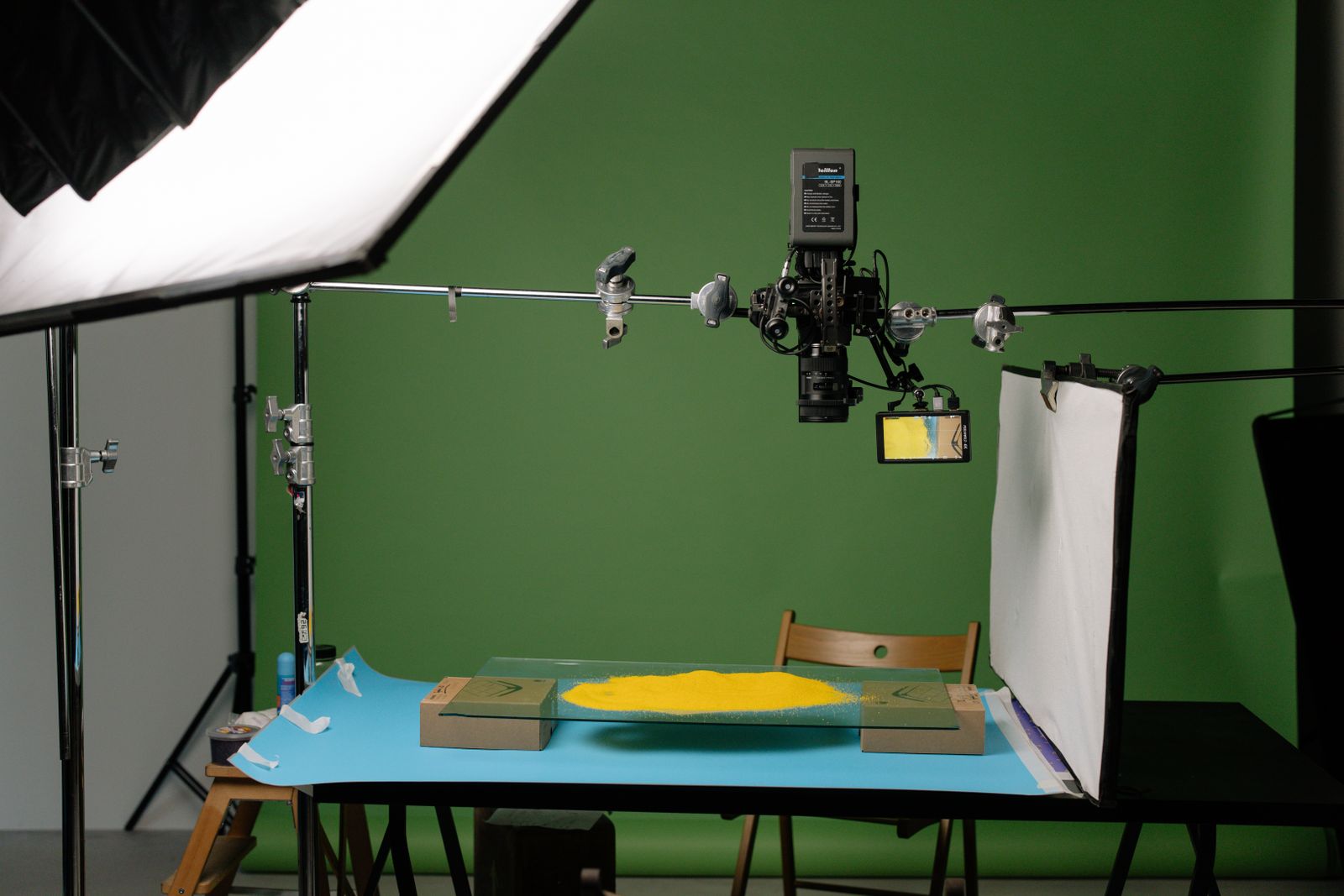
What you do not get is not quality, exactly — budget photographers produce lovely frames every day. What you do not get is margin for failure. There is one camera body mindset even when there are two bodies: no assistant to hold the light when the plan changes, no digital tech catching the soft focus on a monitor while there is still time to reshoot, retouching limited to correction rather than craft, and a license that was never really specified — which becomes a problem the first time your $900 shoot's hero image wants to become an ad. Budget work is the right buy for low-stakes, high-volume, replaceable images: this season's team page, a test of a new product line, a portrait that needs to be good rather than definitive. It is the wrong buy for the image your whole campaign stands on, because reshooting a failed cheap shoot costs the expensive shoot plus the cheap one.
Mid-range: where most good buying happens
The mid-range is the professional class: established portrait studios at $250 to $750 a session, established commercial photographers at $1,500 to $2,500 a day. This is the level at which photography becomes a business with systems — insurance, contracts with real terms, backup equipment, a tested editing workflow, delivery dates that are met because they were padded honestly. The portrait client gets direction (the thing amateurs most underestimate: a professional posing you is worth more than their lens), proper retouching on the delivered set, and a gallery large enough to choose from. The commercial client gets a defined license — your website, your social channels, your marketing materials, for a stated term — and production competence: the shoot is scouted, lit, and finished without your team having to produce it.
Most buyers should live here. The mid-range is where the price-to-certainty ratio peaks: you are paying for the near-elimination of the ordinary failures — the missed moment, the muddy edit, the late gallery, the license argument — without paying for scale you do not have. If your images will represent your business for two or three years and run in the ordinary channels, this rung is not the compromise. It is the correct specification.
Premium: what the top rung actually buys
Premium money buys three things, and only one of them is visible in the pictures.
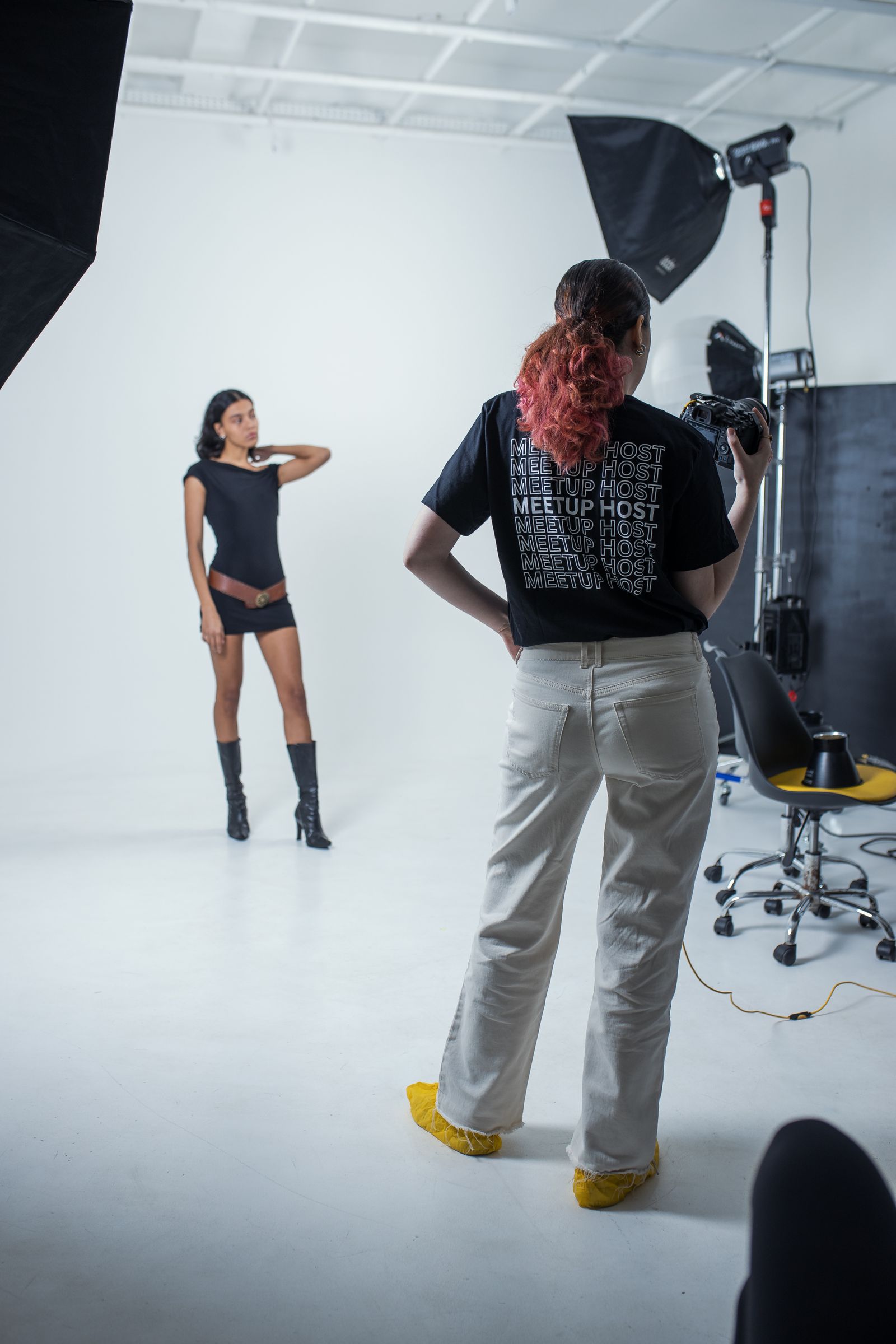
The first is depth of team. A senior commercial day at $2,500 to $4,000 and up carries assistants, a digital technician tethering every frame to a monitor where focus and detail are verified in real time, and styling and production support. On a portrait commission it buys time and direction at a level that changes faces, not just files.
The second is retouching as a craft. Standard retouching cleans; high-end retouching — the frequency-separation and dodge-and-burn work priced per image at the top of the retouching market — rebuilds. For beauty, product hero shots, and anything destined for a large format, this is the difference between a picture of your product and the picture your product deserves.
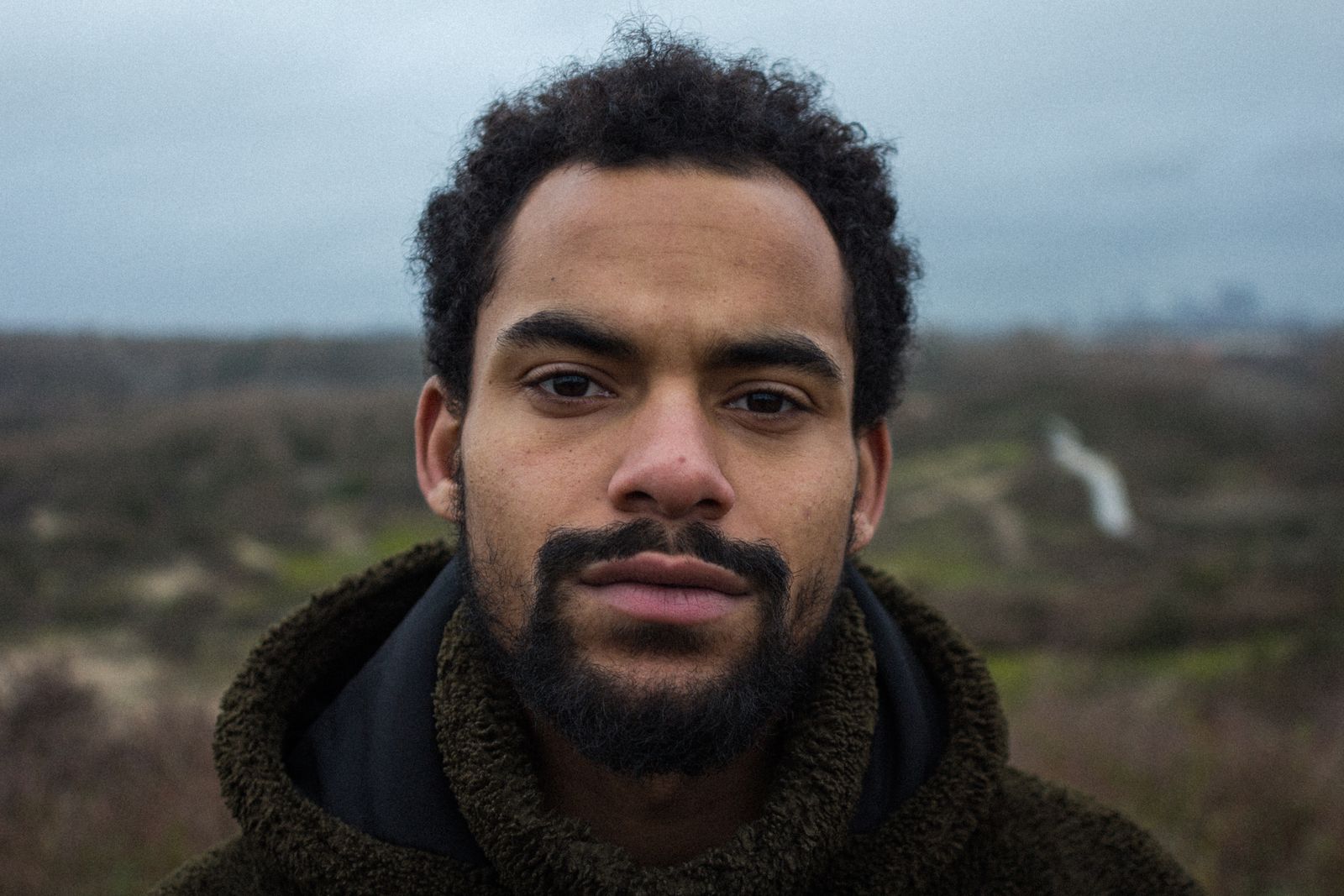
The third, and the one that most often justifies the whole premium, is the license. Usage is the swing factor in commercial pricing: adding paid social and digital advertising to a baseline web license adds roughly 25 to 60 percent to the licensing line; adding print, catalog, and in-store use for two years adds roughly 50 to 150 percent. A national campaign's usage line can run to four or five figures on its own. Premium clients are frequently not buying better photographs than the mid-range. They are buying the right to put good photographs in front of vastly more people, for longer, with competitors excluded. If your use is genuinely that wide, the premium is not indulgence; it is arithmetic. If it isn't, the premium is a donation.
How to choose your rung
Work backwards from the image's job, not forwards from your budget. Ask four questions. How long must it live? A season, or three years? How wide will it run? Your channels, or paid media and print? What does failure cost? A reshootable Tuesday, or a launch date, a venue full of people, a product that goes back to the factory? How many people must it convince? The honest answers place the job on the ladder almost every time: short life, narrow use, cheap failure — budget, happily. Long life, wide use, expensive failure — the premium stops looking premium. The expensive mistake in this market is rarely overbuying. It is buying a budget product for a premium job and discovering, at the moment of maximum inconvenience, which rung you were actually standing on.
One last buying skill applies at every level: make the quote show its parts. Ask any photographer, at any price, to separate the creative fee, the production, and the license — or to state plainly what license the flat price assumes. The budget photographer who can answer that question is safer than the premium one who cannot.
This site lists 381 portrait and commercial photography services — and thousands more photographers in the portrait and commercial categories around them — which is another way of saying every rung of this ladder is well populated in every market. Your job is not to find the cheapest photographer or the most decorated one. It is to name the job honestly, pick the rung that matches it, and make the quote prove it. Do that, and the three numbers stop looking like three professions. They look like what they are: three sizes of the same promise, priced accordingly.
Sources
- Lars Miller Media, "Commercial Photography Rates & Pricing 2026" — day-rate ladder by tier: emerging $750–$1,500 per day, established local professional $1,500–$2,500, senior specialist $2,500–$4,000, national/agency level $5,000 and up, with matching hourly rates.
- C&I Studios, "How Much Does Brand Photography Cost?" — the three-part structure of a commercial quote (creative fee 25–40%, production 30–50%, licensing 15–45%) and licensing escalators: paid social adding roughly 25–60% to the baseline license, print/catalog/in-store for two years adding roughly 50–150%.
- SmallBizWiz, "Marketing Photography: Costs, Shot Lists, and Usage" — small-business ranges: mini session $250–$600, half day $600–$1,400, full day $1,200–$2,500, product on white $15–$75 per item, headshots $75–$250 per person.
- Dawn Heumann, "What a Commercial Photo Shoot Actually Costs" — creative fees from $1,500 for small local work to $10,000 a day and more for national campaigns, and usage as a four-to-five-figure line on national work.
Photos: Studio product setup — photo by cottonbro studio, https://www.pexels.com/photo/5878878/ · Man's brand portrait — photo by Thyrone Paas, https://www.pexels.com/photo/1722198/ · Studio directing — photo by Matheus Bertelli, https://www.pexels.com/photo/33714920/
More guides
- How to Find a Wedding Photographer: The Complete, Honest GuidePhotographers › Wedding Photographers
- How Much Does a Wedding Photographer Cost? Packages DecodedPhotographers › Wedding Photographers
- 10 Questions to Ask a Wedding Photographer Before You BookPhotographers › Wedding Photographers
- Wedding Photography Styles Explained: Documentary, Editorial, Traditional, Fine ArtPhotographers › Wedding Photographers
- Hiring a Wedding Photographer in California: Venue Light, Permits, and Price LevelsPhotographers › Wedding Photographers
- All Guides & ArticlesBrowse the full guides library