Photographers › Portrait & Commercial Photography
Portrait and Commercial Photography: The Complete Checklist Before You Commit
A portrait session for your family and a commercial shoot for your business can involve the same photographer, the same studio and the same camera — and be completely different transactions. The difference is everything around the photographs: how the price is built, who owns what, which pieces of paper make the images legal to use, and what happens when the plan changes on the day. Small businesses booking commercial work for the first time usually discover these differences one expensive surprise at a time. This checklist exists so you can discover them in advance instead: every decision, document and question to settle before money moves or anything is signed.
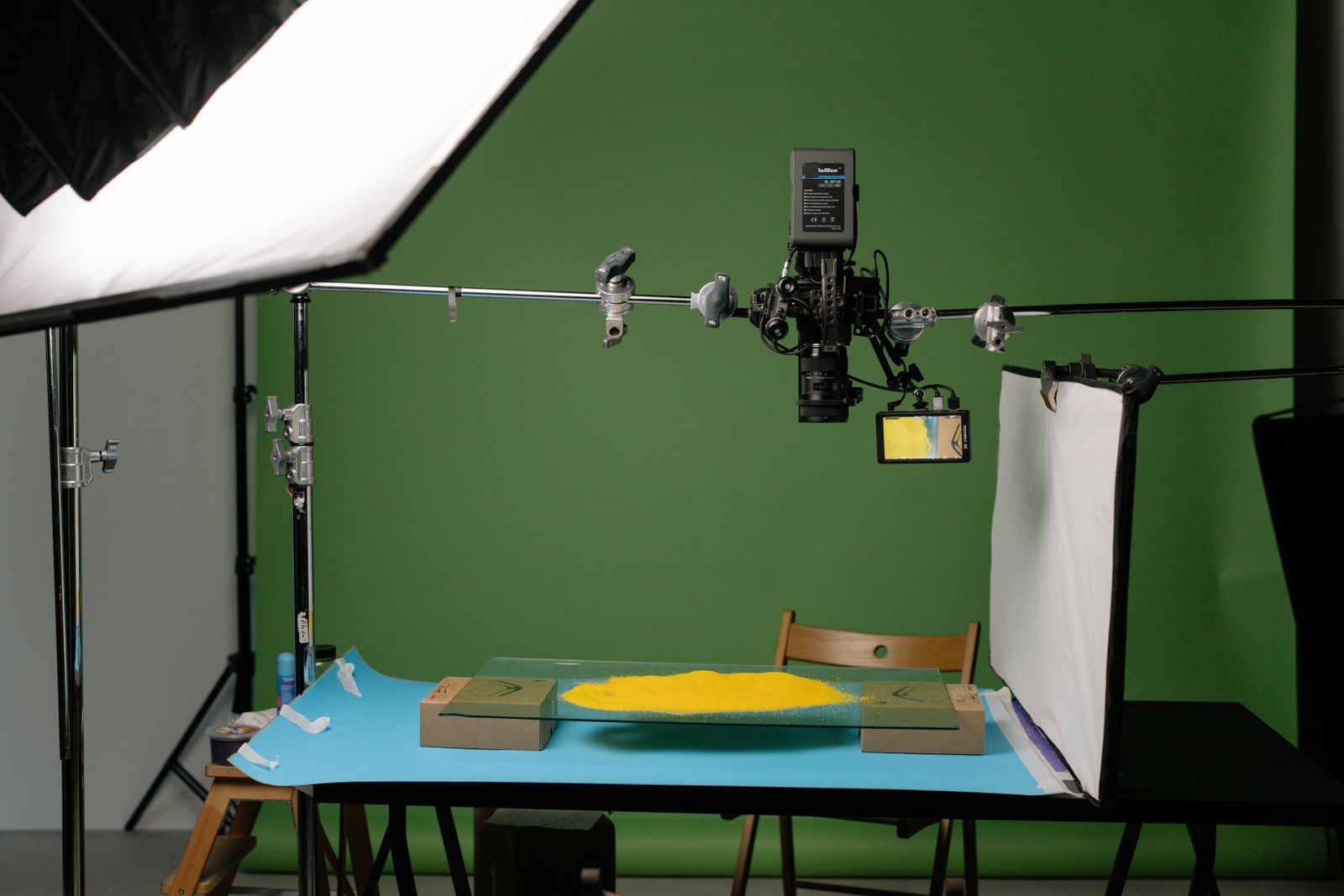
First, understand what a commercial quote is made of
Consumer photography is sold as a session fee. Commercial photography is sold as an estimate with separable parts, and a quote that arrives as one unexplained number is the first red flag on this checklist. The professional structure, consistent across published 2026 pricing guides and contract templates, looks like this:
| Component | What it covers | Typical 2026 range / norm |
|---|---|---|
| Creative fee | The photographer's craft and time on shoot days | $1,500–$5,000+ per day |
| Usage license | The right to use images by media, territory and duration | Often 50–200%+ of the creative fee; standard terms run 1–3 years |
| Pre- & post-production | Planning, casting, scouting; culling, color work, delivery | Billed as days/hours or folded into fees — ask which |
| Retouching beyond standard finishing | Compositing, extensive product or skin work | $25–$250+ per image by complexity |
| Production costs | Crew, stylists, hair & makeup, studio/location, props, rentals, talent | Estimated in advance, billed at cost plus a stated markup, commonly 10–20% |
| Full buyout | All rights, forever | 3–10× the licensed price — rarely the efficient choice |
Two structural points matter more than any number. First, an estimate is not a quote: the professional convention is that final costs may vary within an agreed band — often up to 10 percent — without further approval, with larger changes requiring a written change order. If that band isn't stated, ask for it in writing. Second, the license is priced on media, territory, duration and exclusivity: a year of regional web and social use is a modest line; national out-of-home for three years is a different product entirely. Photographers aren't being difficult when they ask where the images will run — they literally cannot price the job until you answer.
The pre-commit checklist: decisions
1. Write the brief before you request the price. What is being photographed, for what campaign or channel, in what quantities, by when. A photographer pricing a defined brief gives you a number you can hold; a photographer pricing a vibe gives you a number that moves.
2. Fix the deliverables in countable terms. Number of final images, sizes and formats (web exports, print-resolution files, cropped variants for each channel), and delivery date. "Some great shots for the launch" is not a deliverable. "24 retouched product images at print resolution plus web crops, delivered by the 14th" is.
3. Decide the usage you actually need — and buy only that. License the media, territory and term your real plan uses, with renewal priced in advance (renewals commonly run 50–75 percent of the original license fee). Buying perpetual global rights "just in case" is how small businesses overspend; buying a one-year web license for images destined for packaging is how they end up renegotiating from weakness.
4. Approve the shot list and the look before the day. Comps, mood references, product samples and logistics signed off in pre-production. On set, build in an approval point — the client or a delegate reviews each setup, live or via a tethered gallery — because the professional rule is stark: reshoots for direction changes after on-set sign-off are new fees. The cheapest reshoot is the one that happens while the set is still standing.
5. Agree who is on set and who decides. Commercial days burn money by the hour. One decision-maker with authority to approve setups, one channel for changes, and a call sheet everyone has seen: that is the difference between a one-day shoot and a two-day invoice.
The pre-commit checklist: documents
6. The estimate, itemized, with its validity period. Fees separated from expenses; the markup on billed-through costs stated; the variance band and change-order process written down; the estimate's expiry date noted (rate cards commonly hold prices for a set window, 90 days in one published example). If a line says "production: $2,000" with no breakdown, send it back.
7. The license, specified in the contract — not in an email thread. Media, territory, duration, exclusivity, and what happens at expiry. Also whether the photographer may use the images in their own portfolio and award entries; standard practice says yes unless you negotiate otherwise, and for unreleased products that negotiation matters.
8. Talent releases that match the license. Every recognizable person in advertising use needs a signed release whose scope matches the license's media and term — hired models through their own deals (with usage windows and renewal terms), your own employees through employee releases. The failure mode has a name in the industry: the expired model release under the live billboard. Check the match at booking, not when the campaign is already running.
9. Location and property paperwork. Location fees, permits and the venue's own release for recognizable premises; certificates of insurance where the location requires them. A professional photographer carries liability insurance and produces certificates routinely — ask, and file the certificate with the estimate.
10. Payment terms and kill fees. The common structures are a deposit on approval with the balance on delivery, or net terms for established business clients. What matters is that cancellation and rescheduling are priced in the document: who bears production costs already spent, what the kill fee is at one week out versus one day out, and how weather postponements are handled for location work.
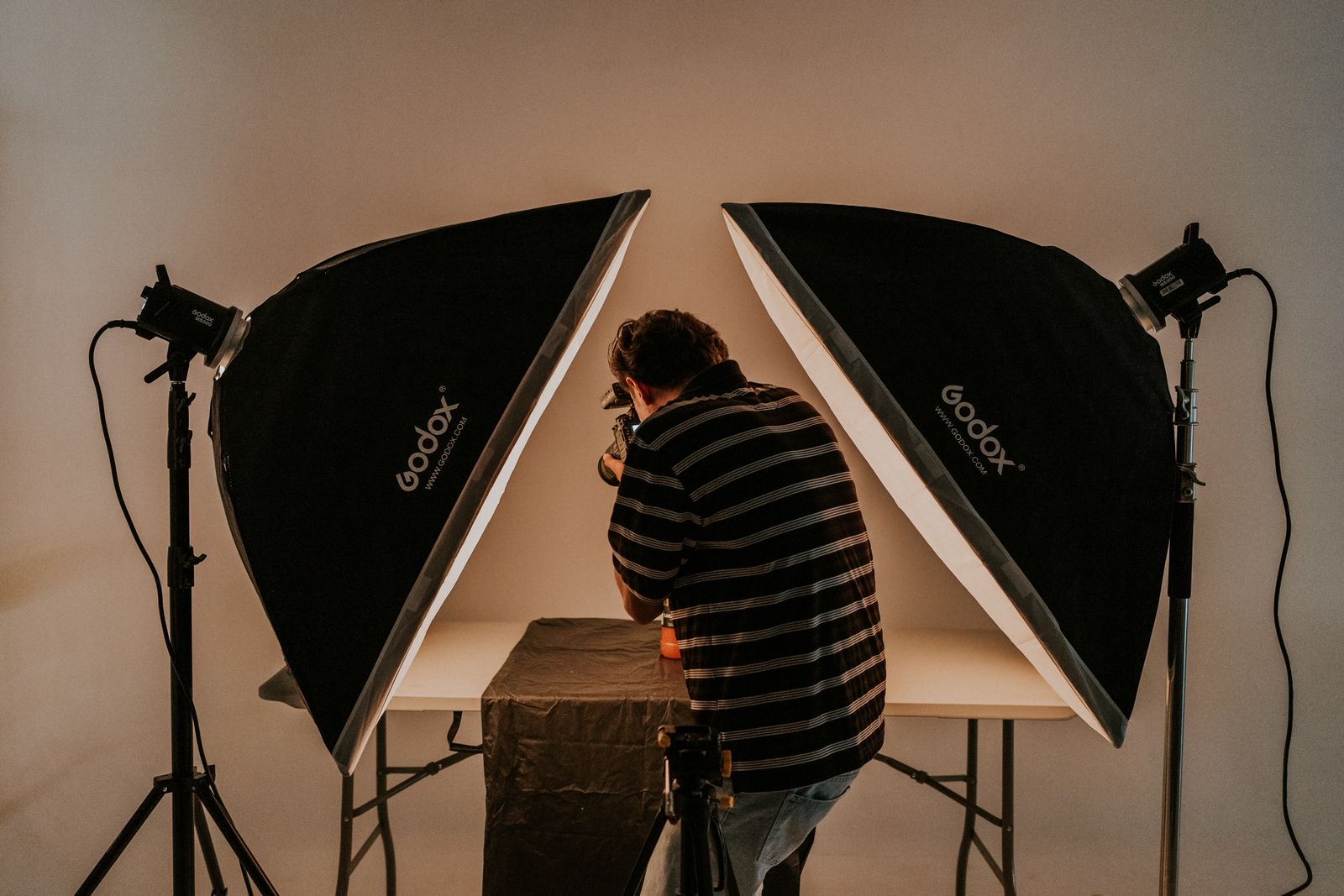
The pre-commit checklist: questions that reveal the professional
Ask these of any photographer you're about to commit real money to, and weigh the answers as much as the portfolio:
- "Walk me through your estimate — which lines are fees, which are costs, and what's your markup on costs?"
- "What license is included in this price, exactly — media, territory, term — and what would adding packaging cost?"
- "How many retouched finals are included, and what's the per-image rate beyond that?"
- "Who handles model releases, and will they cover the same term as the license?"
- "What does your cancellation schedule look like, and what have I spent by the time we're a week out?"
- "What happens if we need a reshoot — and what counts as a reshoot versus a fix?"
- "How are the files delivered, in what formats, and how long do you archive them?"
A working commercial photographer answers these fluently, because clients ask them every week. Hesitation on the license and releases questions — not the creative ones — is the tell that you're talking to a talented amateur about a professional transaction.
Where portraits fit in the same checklist
Everything above scales down gracefully to high-end portrait work — executive portraits, team headshots, branding sessions — which sits in this site's combined portrait and commercial category (this site lists 381 portrait and commercial photography businesses, alongside 672 portrait photographers and 177 headshot and portfolio specialists). For a team headshot day, the checklist compresses to: per-person or day rate stated, number of retouched files per person, usage rights for the company's website and press use in writing, releases handled for employees, and the reschedule terms if half the leadership team gets called into a board meeting. The amounts are smaller; the structure is identical, and the photographers who serve businesses well will hand you that structure unprompted.
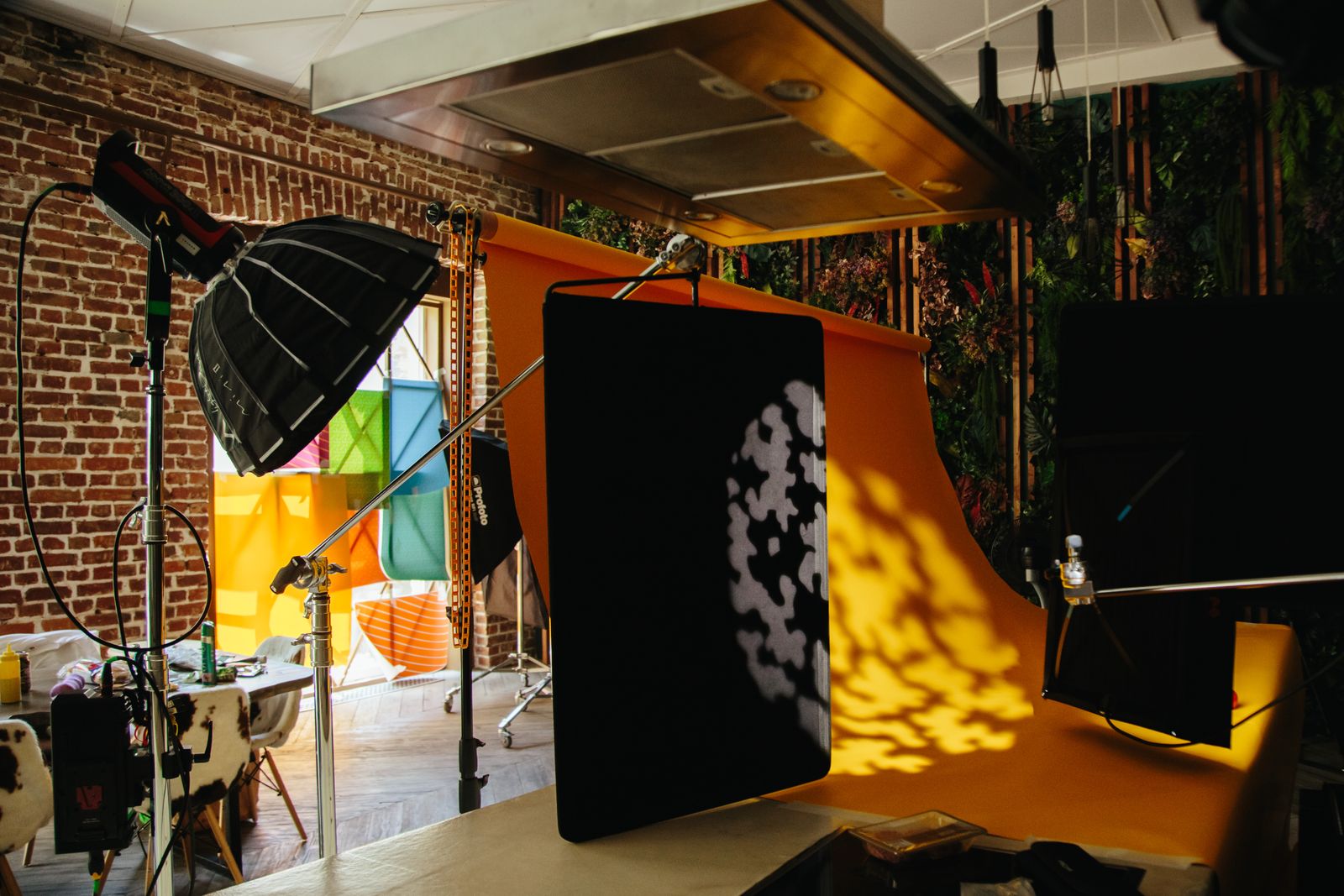
Before the checklist: choosing who gets it
The checklist assumes a shortlist; getting to one deserves its own discipline, because commercial competence and photographic talent are different filters and you need both. Review portfolios for your actual category — a luminous wedding portfolio says almost nothing about a photographer's product work, and vice versa. Ask for one complete commercial job, delivered files and all, rather than a highlight reel: consistency across forty frames is the commercial skill, because your campaign needs forty usable images, not two masterpieces and a apology. Check references from business clients specifically, and ask the question that separates operators from artists: "Tell me about a job that went wrong." Every working professional has one, and the answer you want is a story about a system — a backup body, a second card slot, an insurance claim handled, a reshoot absorbed — not a story about blame.
Then run the business checks you'd run on any supplier: a real contract offered before you ask, insurance in force, a business entity and invoicing that your accounts department can process, and a production trail — estimates, call sheets, delivery notes — that suggests your job will be administered, not improvised. None of this is unromantic; it is what lets the romantic part, the photographs themselves, happen on schedule.
The five-minute version
Get the brief in writing; get the estimate itemized with its variance band; buy the license your real plan needs, with renewals priced now; make the releases match the license; put one decision-maker on set with an approval point per setup; and have the cancellation math in the contract before the deposit moves. Portrait and commercial photography done this way is not more expensive than doing it casually — it is the same money, spent once, on images your business can actually use for as long as it planned to. Keep the signed estimate, the license and the releases together in one project file; three years from now, when the campaign is renewed or the images are wanted for a new channel, that file is the difference between a five-minute check and a five-thousand-dollar renegotiation.
Sources
- Agiled, Commercial Photography Contract Template (2026 terms) — creative fee $1,500–$5,000+ per day, usage license at 50–200%+ of creative fee, 1–3-year standard terms with renewals at 50–75%, production markup 10–20%, complex retouching $25–$250+ per image, buyouts at 3–10× licensed price, and releases matched to license scope.
- HSM University, PHOT-310 "Estimates, Usage Licensing and Production" — the structure of a commercial estimate (creative fee, usage fee, crew, studio and equipment, talent, locations/permits/insurance, post-production, markup, taxes), and the convention that estimates may vary by an agreed percentage, often up to 10%, before change orders are required.
- Roadbase, "How to Price Commercial Photography" — building a quote from scope and rights: pre-production plus production plus post-production plus usage plus expenses plus contingency.
- Clickbook, "Commercial Photography Pricing: Day Rates and Usage" — day rate versus project fee, usage priced by media, territory, duration and exclusivity, and the standard contents of a professional estimate.
Photographs
- Product setup — photo by cottonbro studio, https://www.pexels.com/photo/5878878/
- Studio session — photo by Amar Preciado, https://www.pexels.com/photo/17094508/
- Studio backdrops — photo by Ron Lach, https://www.pexels.com/photo/8857043/
More guides
- How to Find a Wedding Photographer: The Complete, Honest GuidePhotographers › Wedding Photographers
- How Much Does a Wedding Photographer Cost? Packages DecodedPhotographers › Wedding Photographers
- 10 Questions to Ask a Wedding Photographer Before You BookPhotographers › Wedding Photographers
- Wedding Photography Styles Explained: Documentary, Editorial, Traditional, Fine ArtPhotographers › Wedding Photographers
- Hiring a Wedding Photographer in California: Venue Light, Permits, and Price LevelsPhotographers › Wedding Photographers
- All Guides & ArticlesBrowse the full guides library