Photographers › Portrait Photographers
Portrait Photography in Hawaii: A Resident's Guide to Costs and Rules
Most portrait advice written for the mainland assumes three things: that a public park is a free location, that sales tax is a line a business may or may not add, and that if your photographer cancels, another one lives twenty minutes away. In Hawaii, all three assumptions fail. A paid portrait session on the sand is a regulated commercial activity with its own permit system. The state has no sales tax at all — it has something broader instead. And on most islands, the bench of working portrait photographers is short enough that the good ones shape the market, not the other way round.
This guide is written for residents, not visitors. You live here, which changes your negotiating position, your location options, and your timing — if you know where the visitor economy ends and the resident economy begins. This site lists 672 portrait photographers among its listings; in Hawaii, the relevant number is never the national one. It is the handful of working professionals on your island.
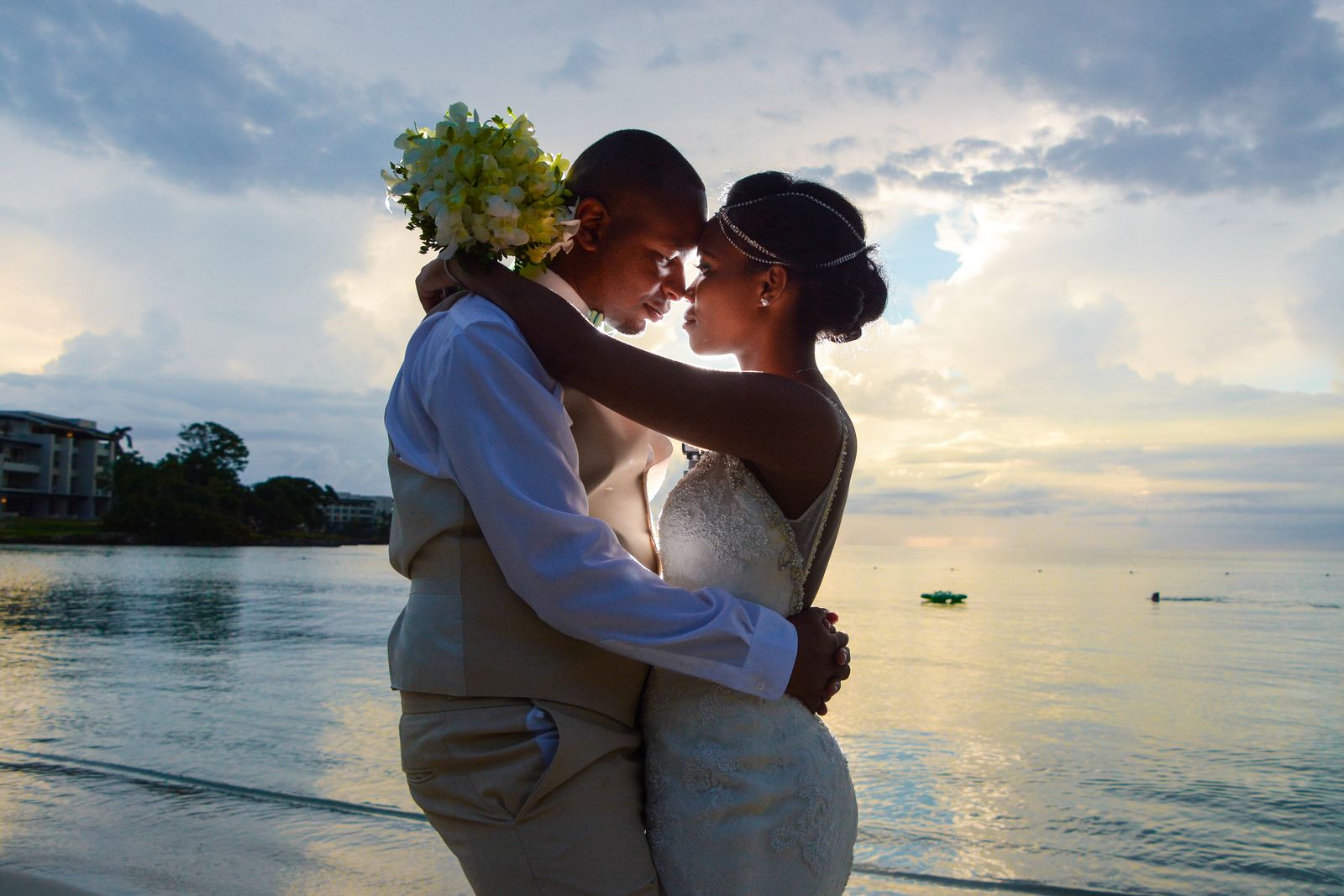
The permit rule that runs everything
Hawaii’s beaches are public by law. They are not, for a paid photographer, free to work on. Commercial photography on state shoreline requires a permit, and the state defines commercial broadly: compensation includes money, barter, and services in kind. A paid family, couples, maternity, or senior session needs one. So does a “free” session where the client gets photographs and the photographer gets portfolio images — that is a trade, and a trade is compensation. Photographing your own family for your own memories needs nothing. The line is not the camera; it is whether anyone is being compensated.
For most beach portrait sessions, the working permit is the DLNR Wiki Permit, issued by the Department of Land and Natural Resources’ Land Division for state shorelines. Its terms shape every session booked under it:
- Cost: ten cents per square foot, with a $20 minimum — $20 covers 200 square feet, which is plenty for a family session.
- Duration: two hours maximum, including setup and breakdown.
- Coverage: about 240 listed sites across Oahu, Maui, the Big Island, Kauai, Molokai, and Lanai. If a beach is not on the list, a Wiki Permit cannot be had for it.
- Group size: 30 people at most, counting the photographer and every other professional present.
- The sand stays empty: no arches, altars, tables, chairs, tents, or signs may be placed on it. Cameras, loose flowers, and leis are allowed; chairs only for elderly or disabled guests.
- No exclusive use: the beach stays open to the public, another permitted session may share it, and your photographer may not ask the public to move.
- No refunds or changes once bought — which is why working Hawaii photographers buy permits the night before or the morning of a session, after checking the weather.
Behind the $20 fee sits a serious gate. Before a photographer can buy a Wiki Permit at all, they must open an account with DLNR, which requires commercial liability insurance of at least $500,000 per incident and $1,000,000 in aggregate, with the State of Hawaii named as an additional insured — paperwork the Land Division wants a week or two ahead, because certificates are routinely returned for naming the state incorrectly. As a client, you never see this machinery. But it is your quality filter: a Hawaii beach photographer who can produce a permit for your date is, by definition, insured, registered, and known to the state. One who proposes skipping the permit is proposing that you share a risk the state prices at up to $5,000 for a first violation, $10,000 for a second within five years, and $20,000 for a third.
Where a permit will not save you
The second Hawaii lesson is that some of the most famous portrait locations in the state are simply closed to commercial photography, permit or no permit — and a resident should know the map better than a visitor does.
Most of Waikiki Beach sits under the state’s Boating and Ocean Recreation division, which does not issue commercial permits — so the postcard Waikiki session is, in most stretches, not legally bookable at all. The Kaanapali coast on Maui is under the same division, and no commercial photography is allowed on its beaches. On Oahu, Honolulu’s Bill 38 has banned most commercial activity, including family and maternity photography, at city beach parks from Waimanalo to Makapuu since 2022, and Kailua’s city beach parks were closed to commercial activity back in 2012. The Ko Olina lagoons are private property. Natural Area Reserves such as Ahihi-Kinau on Maui do not allow commercial activity, period. On Kauai, some of the most photographed places in the islands — the base of Wailua Falls, the Napali Coast — are closed to commercial photography, and Lumahai Beach is permitted only between Memorial Day and Labor Day, because of winter surf.
Other locations run through different doors. State parks — Makena on Maui, Kiholo Bay on the Big Island — go through the Division of State Parks, whose special-use permits for ceremonies are advised 45 days ahead. The Hawaii Film Office offers an alternative route on state land: an Open and Accessible ePermit at $10 for a two-week window, for small shoots, and a standard film permit at around $100 with at least seven business days’ lead time, fourteen with drones or water work. County beach parks are a third jurisdiction: the county permits the grass, pavilions, and parking, but the sand in front of the park is state land, and a county cannot permit it. A single beach can have three or four land managers. When a photographer tells you a location “needs a permit,” the professional follow-up is: from whom, and do you already hold the account to get it?
For residents, this map is an advantage, not just a constraint. Visitors cluster at the famous, restricted beaches. You know — or your photographer should — the listed Wiki beaches one bay over, the county parks where the lawn is bookable, and the inland locations, from botanical gardens to your own neighborhood’s mauka light, that never enter the visitor market at all.
What it costs a resident, honestly
Hawaii portrait pricing is built from mainland pricing plus island arithmetic, and it helps to see the layers separately, because residents can negotiate some of them and visitors usually cannot.
The session itself is priced by a thin market. Each island supports a limited number of full-time portrait professionals — one established Big Island team reports photographing around 300 sessions a year across the Big Island, Maui, and Oahu, which tells you the scale of a successful multi-island practice — and a photographer’s calendar, not a national rate card, sets the price. Visitor demand peaks around the holidays, spring break, and summer, and session prices harden with it. Residents hold the counter-move: weekday sessions, and dates outside the visitor peaks, are where a Hawaii photographer has empty calendar to fill and a reason to talk. Ask directly whether there is a kamaaina or weekday rate. Some studios offer one quietly; none will be offended by a resident asking once, politely.
The tax line is not sales tax. Hawaii has no sales tax. It levies a General Excise Tax — GET — on the business itself, at 4 percent of gross receipts for most activities, plus a 0.5 percent county surcharge in Honolulu, Kauai, Hawaii, and, since 2024, Maui counties. A photographer may visibly pass it on, and because the amount passed on is itself taxable income, the state caps the visible pass-on at 4.712 percent in surcharge counties. So the roughly 4.71 percent line on a Hawaii photography invoice is not a sales tax and not a markup; it is the GET, grossed up exactly as the Department of Taxation prescribes. On a $600 session, that line is about $28. If a quote instead hides the GET, the photographer is absorbing it — fine, but know that one of you is paying it either way.
The permit is small and should be visible. A Wiki Permit for a family session is $20. Some photographers absorb it; some pass it through. Either is reasonable. What is not reasonable is a large, vague “permit fee” for a beach session — the state’s price is published, and it is twenty dollars. Larger productions are different: a standard film permit runs around $100, and state-park special use varies. Ask which permit, and the number should match the system.
Inter-island travel is the hidden layer. If the photographer you want is based on another island, you are buying airfare, a rental car, and a day of their calendar on top of the session — which is why the right market is almost always your own island. The exception is a specialist — a particular senior-portrait, branding, or large-family photographer whose work you cannot get locally — and then the travel belongs in the written quote, itemized, not discovered afterward.
| Cost layer | Published figure | Who controls it |
|---|---|---|
| DLNR Wiki Permit (beach session) | $20 minimum, two hours, one listed site | The state — non-negotiable, and small |
| Film Office Open & Accessible ePermit | $10 per two-week window, small shoots only | The state — an alternative route, not an addition |
| Standard film permit | Around $100; 7–14 business days’ lead | The state — for bigger or unlisted productions |
| General Excise Tax, visibly passed on | Up to 4.712% in surcharge counties | The photographer chooses whether to pass it on |
| Photographer’s GET license | $20, one-time, before doing business | The photographer — your sign they are legitimate |
| Session fee | Set by your island’s market and season | Negotiable at the edges — weekday and off-peak, for residents |
The license question, answered plainly
Hawaii does not license photographers. There is no state photography license to check, and anyone who implies otherwise is decorating. What a legitimate Hawaii photographer must hold is a General Excise Tax license — obtained before doing business, on Form BB-1, for a one-time $20 — because the GET applies to services performed in Hawaii regardless of where the photographer is based. That last point matters for residents hiring mainland photographers who fly in for destination work: Hawaii taxes services performed here, and the state has said income from services performed in Hawaii is subject to Hawaii income tax regardless of residency. A visiting photographer who has never heard of a GET license is not being charmingly informal; they are unregistered in the state where your session happens, and they will not be able to open the Wiki Permit account your beach session needs, because that account demands the insurance and paperwork of an established operator.
A resident’s booking playbook
Book your own island first. Shortlist from this site’s 672 portrait photographers by island and by evidence of permitted beach work — a portfolio full of Hawaii beach sessions, season after season, is itself proof the permit machinery is in place. Confirm four things in writing before you pay a deposit: the exact location and which permit covers it, and who buys it; the total price with the GET shown or stated as included; what happens if weather closes the beach — remembering the permit itself is non-refundable and non-changeable, so the reschedule terms are the photographer’s policy, not the state’s; and the rain plan, because in Hawaii the alternative to a beach at 5 p.m. is often a garden, a pavilion the county has permitted, or a better morning.
Then use the one advantage visitors never have: time. You do not need the photograph by the end of a vacation. You can wait for the calm week after a storm cycle, the weekday the light and the beach are both empty, the month your island’s best photographer is actually available. In a market this small and this regulated, patience is not a compromise. It is the resident’s discount, and it is the largest one on offer.
Sources
- Wilde Sparrow Photography, Hawaii Photography Permits guide — Wiki Permit terms, closed locations by island, insurance requirements, penalties, and GET license requirements for photographers.
- Northlight Moments, Maui Photography Permits — the four permitting authorities on Maui and the county/state line between beach-park lawns and sand.
- Hawaii Department of Land and Natural Resources, Wiki Permits system and FAQ, via the guides above — fee of ten cents per square foot with a $20 minimum, two-hour limit, 30-person limit, and insurance thresholds.
- Hawaii Film Office, via Wilde Sparrow — Open and Accessible ePermit at $10 per two weeks and standard film permit terms and lead times.
- Hawaii Department of Taxation, General Excise Tax information — GET at 4 percent, county surcharges of 0.5 percent, and the maximum visible pass-on rate of 4.712 percent.
- Hawaii Adventure Portraits, Kikaua Point Park — DLNR commercial permit, GET license, insurance, and 30-person capacity for portrait sessions.
Photo credits: Beach couple at sunset — photo by Giuseppe Messina, https://www.pexels.com/photo/a-couple-having-a-beach-wedding-4364780/ . Formal portrait couple — photo by Sandro Crepulja, https://www.pexels.com/photo/3361200/ .
More guides
- How to Find a Wedding Photographer: The Complete, Honest GuidePhotographers › Wedding Photographers
- How Much Does a Wedding Photographer Cost? Packages DecodedPhotographers › Wedding Photographers
- 10 Questions to Ask a Wedding Photographer Before You BookPhotographers › Wedding Photographers
- Wedding Photography Styles Explained: Documentary, Editorial, Traditional, Fine ArtPhotographers › Wedding Photographers
- Hiring a Wedding Photographer in California: Venue Light, Permits, and Price LevelsPhotographers › Wedding Photographers
- All Guides & ArticlesBrowse the full guides library