Photographers › Portrait Photographers
Portrait Photography in Las Vegas: Costs, Choices and Local Advice
Everybody photographs Las Vegas, and Las Vegas makes portrait photography harder than it looks. The backdrop that draws people here — the Strip — is a patchwork of public sidewalk and private casino property, and the line between them is invisible until security explains it to you. The desert that frames the city's other signature portrait is federal or state land with permit clocks measured in weeks. The light is magnificent and brutal in the same hour. And the market serving all of it is split between a downtown studio scene, a luxury glamour tier, a convention-and-headshot trade fed by the city's endless conferences, and location specialists who sell the desert and the neon as their whole product.
I assisted portrait shoots in conditions like these, and the sessions that went well were the ones where the permits, the property lines and the clock were settled before the subject sat down. This guide is that settlement, Las Vegas edition: what portraits cost, where the choice really is, and the local rules that decide whether your session happens at all.
What portraits cost in Las Vegas
Anchor yourself nationally first, because Las Vegas quotes make sense against it. Marketplace data summarised in current pricing guides puts a portrait session in the United States at an average of about $277, typically $212 to $362, with photographers' time averaging about $164 an hour; family and children portraits average about $269. A straightforward studio portrait in Las Vegas — headshots for a professional, a realtor, a performer — should be judged against that band: a session inside it, with a stated number of retouched files and a print release, is a fairly priced ordinary product in this city too.
What Las Vegas adds are two premium storeys the national average does not describe. The first is the luxury portrait and glamour tier concentrated downtown: studios in and around the Arts District — the cluster of photography studios along Fremont Street, First and Third Streets, Charleston Boulevard and Las Vegas Boulevard south of downtown — include glamour and boudoir businesses whose own listings carry the top price levels in the market, selling an experience (hair, makeup, wardrobe guidance, a long session, a product reveal) rather than a sitting. Expect those quotes to be built like wedding packages, with the session fee only the first line and albums and wall art doing the real work; the checklist question is always the total, with products, in writing. The second premium is the location product: a portrait session sold as Red Rock, the Strip at night or the Neon Museum's boneyard is priced as a small production, because it is one — permits, travel, timing and property approvals included or, worse, excluded. A location quote that does not mention permits is not cheaper than one that does. It is unfinished.
At the value end, the city's convention economy keeps a competitive headshot trade alive — express sessions, team headshots shot on site at events, quick-turnaround digital delivery — and mini-session offers circulate among the downtown studios. The value questions are the standard ones, and they matter more than the discount: how many retouched images, at what resolution, with what usage rights for a business, and delivered when.
| Portrait type | Sensible budget frame | What to verify |
|---|---|---|
| Studio headshot / professional portrait | Around the national session band of roughly $212–$362 | Retouched file count, resolution, commercial use rights, turnaround |
| Family or personal portrait session | Around the national family average of about $269 and up by package | Files included vs. sold afterwards, print release |
| Luxury glamour / boudoir experience | Premium, package-built | The full product total — albums and wall art — before booking |
| Location portrait (Strip, desert, Neon Museum) | Session price plus permit and approval costs | Who secures each permit, and the lead time it needs |
The Strip: public sidewalk, private everything else
The single most useful fact about photographing on the Las Vegas Strip is the one a working local photographer states plainly in their own guidance: you do not need a permit for casual photographs on public Strip sidewalks, but a commercial shoot on private casino property needs that property's permission — and interiors, pool decks and casino floors are private property. The Bellagio fountains from the sidewalk are one legal situation; the Bellagio lobby is another, and the colonnades, canals and courtyards that make the resorts photogenic sit on the private side of the line. Professional gear changes the conversation even in public-adjacent spaces: tripods, lighting and anything that blocks a walkway draw security attention, and a portrait session is, to a resort, a commercial production arriving unannounced.
Layered over the property question is the permit question, because "Las Vegas" is not one jurisdiction. Clark County's film office states that a film permit is necessary for commercial photography — still photography expressly included — in unincorporated Clark County, which is where the Strip sits; the permit itself is free but carries a $45 processing fee, and state law also requires registering the project with the Nevada Film Office, which is free. The county counts six jurisdictions inside what visitors call Las Vegas — the city of Las Vegas, Henderson, Clark County, Boulder City, Mesquite and North Las Vegas — each with its own contact, plus agencies from the BLM to the Fremont Street Experience depending on the location. A downtown session, a Strip session and a Henderson session can therefore carry three different paperwork answers.
For a portrait client, the translation is not "learn film law." It is: hire a photographer who already knows which sidewalk is public, which courtyard is not, and which office signs which form — and put permit responsibility in the booking, by name, with the fee visible. Local specialists advertise exactly this, in so many words: permits and property approvals settled before you arrive. Treat that sentence as a qualification, not a courtesy.
The desert: Red Rock, Valley of Fire and the 60-day clock
The desert portrait is the city's second signature, and its paperwork runs on federal time. Red Rock Canyon National Conservation Area, 17 miles west of the Strip, is managed by the Bureau of Land Management. Casual snapshots need no permit, but the BLM's published guidance sets out when still photography does require a film permit, warns that permit processing can take up to 60 days, and layers on the visitor mechanics: entry at $15 per vehicle and, from October 1 through May 31, a timed-entry reservation for the scenic drive between 8 a.m. and 5 p.m. Working photographers' guidance adds that the one-way scenic loop is gated at sunset, which is why desert sessions are scheduled at early morning or in the last two hours before closing — the light and the gate agree with each other, for once.
Valley of Fire State Park, the more distant and more dramatic option, runs its own system: professional photography requires a permit, and a small session — up to three vehicles or 15 people — falls in its least expensive class at $50, filed at least 30 days in advance, with entry at $10 per vehicle for Nevada residents and $15 for everyone else. Small sessions may shoot on weekends; the weekend restrictions apply to larger productions.
Read those clocks as a client. A Red Rock portrait is a plan made one to two months out, not a weekend inspiration, and a photographer who proposes it for this Saturday is telling you they have not pulled the permit — or do not intend to. The desert also imposes the session's physical terms: heat that ends midday work for much of the year, wind that rearranges hair and light stands, and ground that punishes formal shoes. A desert specialist's portfolio should show all of it being managed, ideally in the same season as your session.

The Nevada tax detail: the sitting is a service, the print is a sale
Nevada's Department of Taxation published specific guidance for photographers in its June 2026 Tax Notes, and it draws a line portrait clients can use. The services a photographer performs in creating visual images are exempt from taxation — the department lists consultation, setup and processing, and the initial rendering of a visual image, which may be delivered as a proof, on a disc or flash drive, or by electronic transfer. But when photographers sell tangible personal property — the guidance names contact sheets, duplicates and enlargements — they are acting as retailers, and the gross receipts from those sales are subject to sales tax. Its own example is the whole lesson in two lines: electronic proofs, exempt; physical prints sold from those proofs, taxable.
So a digital-delivered Las Vegas portrait package should not sprout a tax line on the session itself, while the album, the enlargements and the framed print legitimately carry tax as retail sales. If a quote taxes everything or nothing, ask which part the photographer is treating as the product. As with permits, the fluent answer is the credential.
Heat, light and timing: the local craft
Las Vegas portrait craft is mostly time management. Summer midday is not a scheduling preference but a physical limit — for subjects, for makeup, for a photographer whose equipment has been sitting in a hot car — so local sessions cluster at the day's edges and studios earn their fee in July. The Strip inverts the rule: it photographs best after dark, when the neon becomes the lighting design, which is why night portraiture is its own local specialism with its own crowd and security rhythms. Desert sessions live in the golden windows the gates allow. And the city's calendar has a pulse visitors miss: convention weeks fill studios, raise the headshot trade's tempo and book out the experienced photographers, while the same weeks barely touch the family and glamour market. Tell your photographer what your portrait is for and when you need it; in this city, the use and the date choose the photographer as much as the style does.
Choosing, Las Vegas style
- For a headshot or professional portrait: shop the studio trade against the national band, and settle retouched files, commercial use rights and turnaround in writing.
- For glamour or boudoir: shop the total, not the session fee — products, albums and the reveal appointment are the business model.
- For the Strip: hire the property knowledge. Public sidewalk versus private resort is the whole game, and your photographer should name the jurisdiction and the permit answer for your exact spots.
- For the desert: hire the calendar. BLM lead times of up to 60 days at Red Rock and 30 days at Valley of Fire mean the permit conversation happens at booking, or the session does not happen.
- Everywhere in the city: get the tax treatment of session versus prints stated on the quote, the Nevada way — service exempt, tangible products taxed.
This site lists 672 portrait photographers, and Las Vegas's share includes everyone from Arts District glamour studios to desert specialists who carry the BLM's phone number in their heads. The city's portraits are worth the friction — there is no backdrop in America like a canyon at closing time or a boulevard at midnight. Just hire the person for whom the friction is routine, and the only surprise in your session will be how easy it felt.
Sources
- Thumbtack national pricing data, via Piclink's pricing guide — portrait sessions averaging about $277 with a typical range of $212–$362, family and children portraits averaging about $269, and photographers' time averaging about $164 an hour.
- Clark County, Nevada, Film Permit FAQ — a film permit is necessary for commercial photography, still photography included, in unincorporated Clark County; the permit is free with a $45 processing fee; projects must also register free with the Nevada Film Office; and the Las Vegas area comprises six jurisdictions.
- Bureau of Land Management, Red Rock Canyon National Conservation Area — casual photography needs no permit, still photography requires a film permit in specified circumstances, processing can take up to 60 days, and the area lies 17 miles west of the Strip.
- McKenzie Stewart Weddings, Best Engagement Photo Locations in Las Vegas — Red Rock entry at $15 per vehicle with timed-entry reservations from October 1 to May 31, and Valley of Fire's small-session photo permit at $50 filed at least 30 days ahead with entry at $10 for Nevada residents and $15 for others.
- Deep Focus Photos, Las Vegas Photographer — no permit needed for casual photographs on public Strip sidewalks, commercial shoots on private casino property need the property's permission, interiors and casino floors are private, and Red Rock Canyon and Valley of Fire require commercial photography permits.
- Las Vegas Weddings, Las Vegas Photography Permits Guide — the Strip as a mix of public sidewalks and private resort property, professional equipment drawing permit and approval requirements, and the Welcome to Las Vegas sign on Clark County land.
- Nevada Department of Taxation, Nevada Tax Notes, June 2026 — photographers' services in creating visual images, including the initial rendering delivered by proof, disc, flash drive or electronic transfer, are exempt; sales of tangible personal property such as contact sheets, duplicates and enlargements are taxable retail sales.
- Las Vegas studio listings — portrait, glamour and boudoir studios clustered in the downtown Arts District around Fremont Street, Charleston Boulevard and Las Vegas Boulevard, including listings at the market's top price levels.
Photo credits
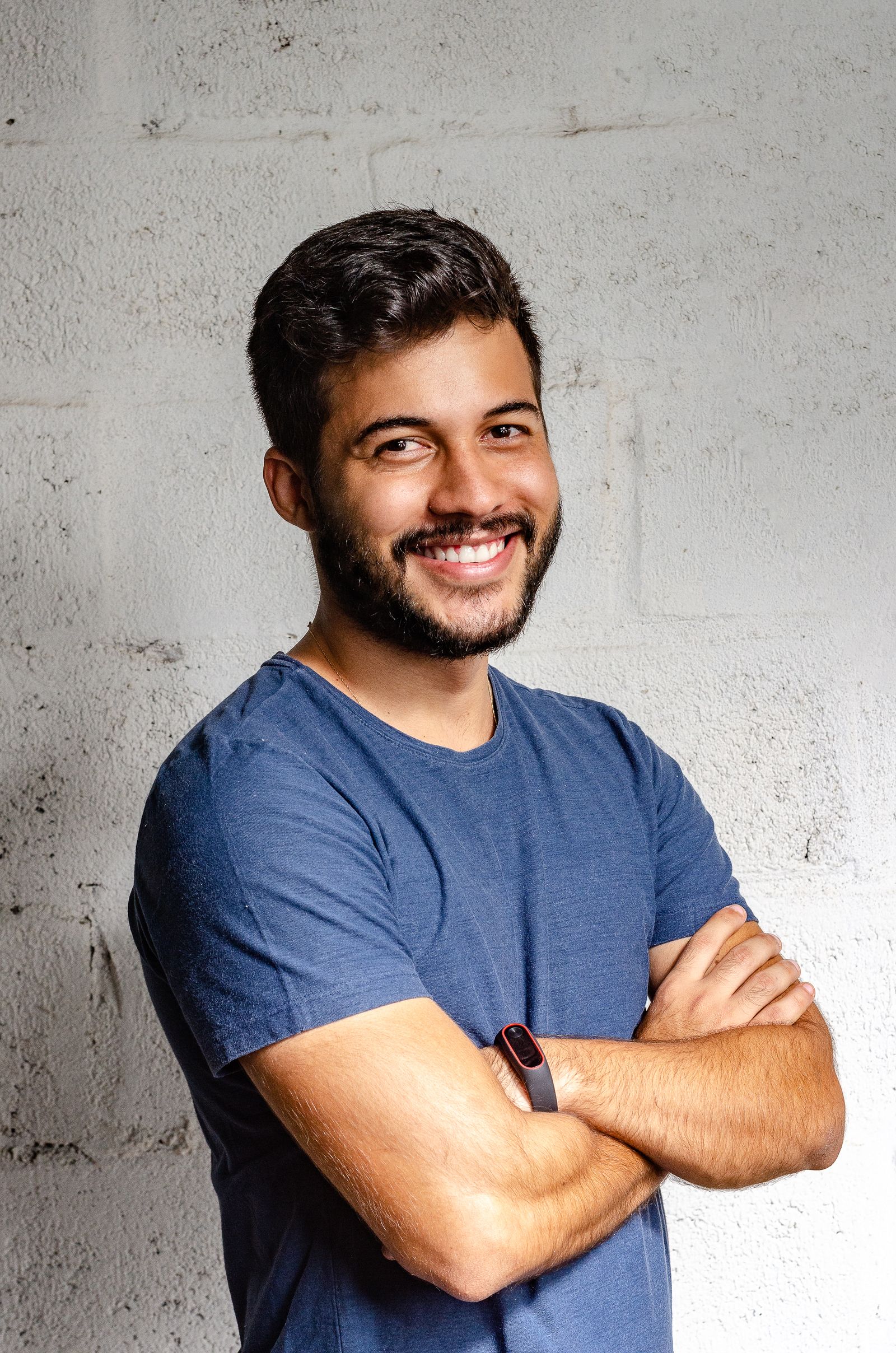
- Man in a studio portrait — photo by Italo Melo, https://www.pexels.com/photo/2379004/
- Woman in an office portrait — photo by Mike Ngo Photography, https://www.pexels.com/photo/1181690/
More guides
- How to Find a Wedding Photographer: The Complete, Honest GuidePhotographers › Wedding Photographers
- How Much Does a Wedding Photographer Cost? Packages DecodedPhotographers › Wedding Photographers
- 10 Questions to Ask a Wedding Photographer Before You BookPhotographers › Wedding Photographers
- Wedding Photography Styles Explained: Documentary, Editorial, Traditional, Fine ArtPhotographers › Wedding Photographers
- Hiring a Wedding Photographer in California: Venue Light, Permits, and Price LevelsPhotographers › Wedding Photographers
- All Guides & ArticlesBrowse the full guides library