Photographers › Portrait Photographers
Portrait Photography in North Carolina: Permits, Prices and Local Know-How
North Carolina looks, from the national guides, like one portrait market. From inside a studio it is at least four: Charlotte's corporate headshot economy, the Triangle's university-and-gardens circuit, the mountains, and the coast — each with its own locations, its own permit habits, and its own season. I managed a portrait studio and booked all of these calendars. The couples and families who got the most from their money were the ones who understood three North Carolina specifics: the state's sales-tax rule reaches further into a photography invoice than in most states, the prettiest locations run on permits and garden rules that reward planning, and the fall everyone wants is exactly when the coast is watching the Atlantic. Here is the local version of the advice.
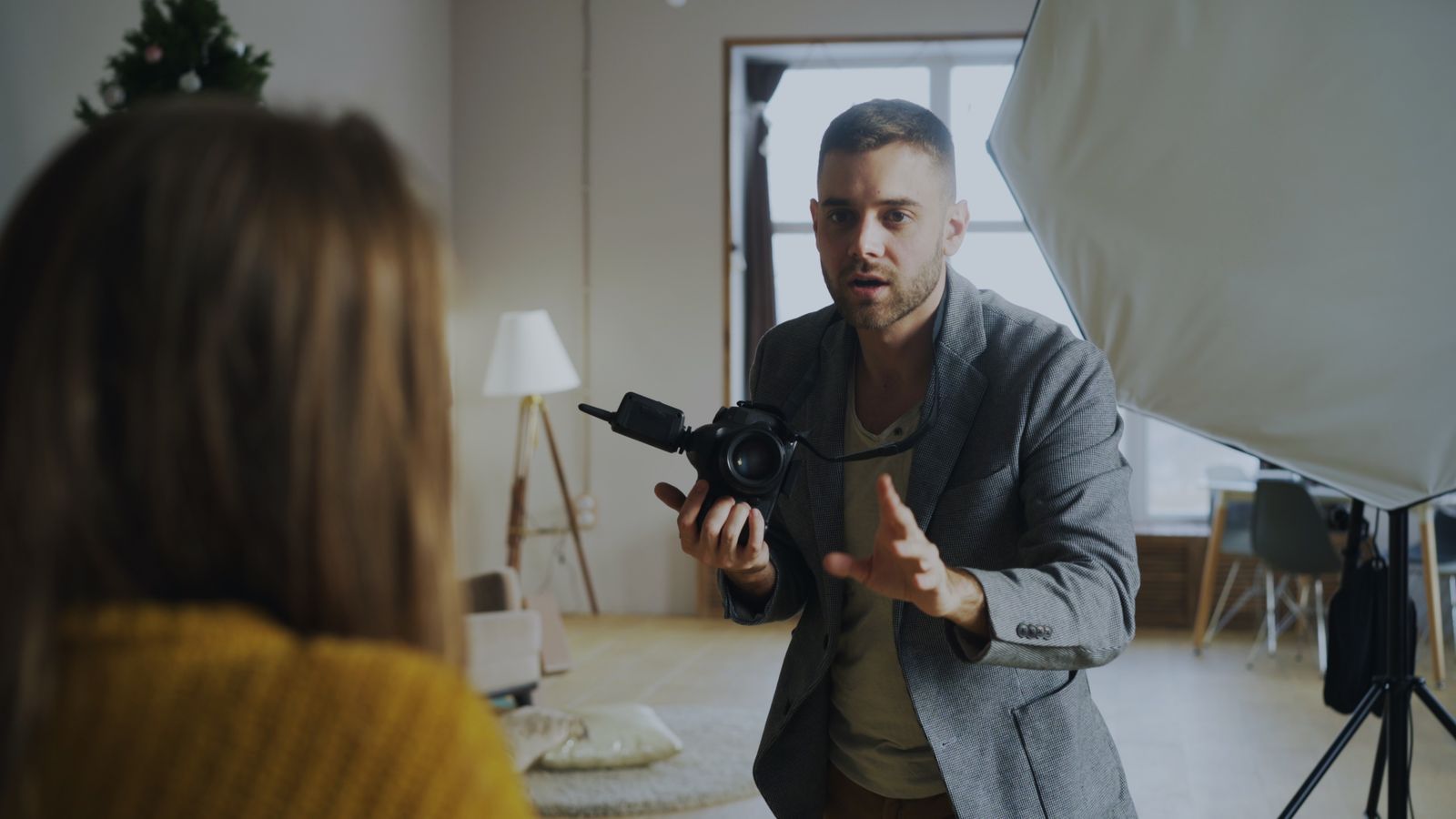
The tax rule: North Carolina taxes the photograph, and the sitting fee with it
Start here, because North Carolina's rule is the one that changes your invoice. The state's administrative code for sales of photographs and videos (17 NCAC 07B .4102) states that the sales price of photographs is subject to sales and use tax whether the photographs are transferred electronically or as tangible personal property — a download is taxed like a print. North Carolina has taxed photographs delivered electronically as "certain digital property" since October 2019, and a photograph is named in the statute's list.
Then comes the part that catches studio clients out. The same rule provides that the taxable sales price of photographs includes sitting fees charged to a customer who ultimately purchases photographs, and all charges for developing or printing. In plain studio language: if you sit for a session and buy photographs from it, the session fee is not a separate untaxed service — it is folded into the taxable price of the photographs. The one clean exception in the rule runs the other way: a copyright fee that entitles the purchaser to reproduce a photograph is not part of the taxable sales price, provided it is separately stated.
Combined state and local rates in North Carolina typically run from about 6.75 to 7.5 percent depending on the county. On portrait-sized numbers, that looks like this:
| What you buy | Package price | Tax at ~6.75–7.5% | Why |
|---|---|---|---|
| Session + digital gallery | $450 | about $30–$34 | Photographs are taxable whether delivered as files or prints; the sitting fee is included because you purchased photographs |
| Session + album and prints | $1,200 | about $81–$90 | Same rule, tangible delivery; developing and printing charges are inside the taxable price |
| Commercial license / reproduction rights, separately stated | $300 | $0 on that line | A separately stated copyright fee for reproduction rights is excluded from the taxable sales price |
Two practical consequences. First, when a North Carolina photographer quotes you a price "plus tax," the tax base is probably bigger than you assumed — ask whether the quote's tax covers the session fee too, because under the rule it should, if you're buying photographs. Second, the mirror image: a sitting fee for a session from which a customer buys nothing is not swept into a photograph's sales price, which is why studios structure deposits and minimum orders the way they do. If a North Carolina photographer tells you digital files are tax-free because "nothing physical changes hands," they are several years out of date, and their other paperwork deserves a second look too.
Permits and garden rules: the Triangle teaches the lesson
North Carolina has no single statewide portrait permit; the rules belong to whoever manages the ground, and the Raleigh area — where a remarkable share of the state's portrait sessions happen — teaches the pattern in miniature, because three different systems sit within a few miles of each other.
City of Raleigh parks, including Dix Park and Pullen Park, require a commercial photography permit for client work: the city issues a one-year permit that covers all city parks, reported at $25 a year once you apply and provide a certificate of insurance. It is cheap, annual, and exactly the kind of thing a working Raleigh photographer already holds. Wake County parks run a lighter system — a free online registration for client-based shoots. The JC Raulston Arboretum, NC State's research garden and one of the most requested portrait backdrops in the Triangle, splits the difference in an instructive way: ordinary photography is welcome without a permit, but the Arboretum asks you to rent a garden space when a session involves mini-sessions, props or furniture, runs longer than 30 minutes, includes more than six people, is for a commercial purpose, or falls outside operating hours — and its hours end well before sunset for much of the year, which quietly rules out the golden-hour session couples imagine there. Drones are prohibited outright. A few miles away in Durham, Duke Gardens requires a photography permit obtained 30 days in advance for any session.
Generalize that pattern and you have North Carolina's real permit rule: the more beloved the backdrop, the more likely a permit, a rental, or a lead time is attached to it — university gardens, arboretums, historic sites, and city parks each with their own office. State parks and the Blue Ridge Parkway operate their own commercial-use systems on top of that. The client-side takeaway is not to memorize the offices; it is to ask your photographer, for your specific location, "what does this place require, and who arranges it?" — and to ask it weeks ahead, because the binding constraint in the examples above is never the fee. It is the 30 days.
Prices and markets: four states in one
This site lists 672 portrait photographers, and North Carolina's share divides unevenly. Charlotte is the state's volume market: a banking-and-corporate city that buys headshots the way other cities buy coffee, with studios built around weekday executive work, team sessions priced per person, and family work stacked into autumn weekends. The Triangle — Raleigh, Durham, Chapel Hill — is the university market: graduation sessions every May (three major universities' worth), family portraits in the gardens, and a deep bench of established studios competing on style rather than survival. The mountains around Asheville and the coast from Wilmington to the Outer Banks are thinner, more seasonal markets where many sessions are shot by photographers who travel in — which makes travel terms, not session fees, the number that varies most between quotes. In thin markets the honest comparison is total cost to your door: fee, travel, permit or rental costs passed through, and tax on the whole taxable package, as above.
Across all four, the pricing structure is the national one — session fee, then photographs — but North Carolina's tax rule makes the structure visible on the invoice, and the state's calendar makes one season expensive everywhere: October. Fall color in the mountains, mild weather in the Piedmont, and the last reliable beach light on the coast all land in the same six weeks, and every good photographer in the state knows it. Book October in the spring, or accept the bench that's left.
Seasons: hurricane season is a portrait fact
North Carolina's portrait calendar has a hazard the national guides underplay. Atlantic hurricane season runs into the fall, and the coast — Wilmington, the Crystal Coast, the Outer Banks — takes the state's weather risk directly: sessions are postponed for storms that are still three days out, because travel to the barrier islands is the first thing a forecast closes. A coastal contract should name who calls a postponement and how the deposit moves; a photographer who works the coast will raise it before you do. Inland, the Piedmont's summer is the constraint — heat and late-day thunderstorms push family sessions to early morning and evening from June through August — while the mountains invert the problem, with elevation buying cooler air and an earlier fall. Spring, from the azaleas in April to graduation season in May, is the state's most contested quarter after October.
Booking well, North Carolina style
Ask four questions, in this order. What is the full price including tax, computed the North Carolina way — photographs and, if you're buying them, the sitting fee inside the base? What does our location require — permit, garden rental, lead time — and who arranges it? What is the weather rule, especially on the coast between August and October? And can I see a full session, not a portfolio, from a location like ours in our season? A photographer who answers all four without blinking is a professional in the only sense that matters: they have already had the problems you are paying them to have had. North Carolina rewards that kind of local knowledge more than most states, because so much of what can go wrong here — a garden that closes at 4:30, a tax line that swallows the session fee, a storm in the Atlantic — is knowable in advance, and only in advance.

Sources
- North Carolina Administrative Code, 17 NCAC 07B .4102, Sales of Photographs and Videos — establishes that the sales price of photographs is taxable whether transferred electronically or as tangible property, that the taxable price includes sitting fees charged to a customer who ultimately purchases photographs plus developing and printing charges, and that a separately stated copyright fee is excluded.
- North Carolina Department of Revenue, Taxable Items and the Certain Digital Property notice — establishes that a photograph delivered electronically is taxable certain digital property, in effect since October 1, 2019.
- Legal500, Digital Sales Tax in North Carolina — establishes that combined sales tax rates typically range from about 6.75 to 7.5 percent by county.
- JC Raulston Arboretum, Photographer Guidelines — establishes the garden-rental triggers for sessions (mini-sessions, props, over 30 minutes, more than six people, commercial purpose, outside hours), the prohibition on drones, and the garden's operating hours.
- Peerspace, Raleigh photo shoot locations guide, citing the City of Raleigh — establishes the $25 annual commercial photography permit covering all Raleigh city parks, with application and certificate of insurance.
- GKPhoto, Raleigh photo spots and graduation guides — establishes Wake County's free registration for client shoots in county parks, Raleigh Parks' one-year commercial permit, and Duke Gardens' 30-day advance permit requirement.
Photographs: directing a session — photo by Vitaly Gariev, https://www.pexels.com/photo/36697247/ ; woman's headshot — photo by Tony Zohari, https://www.pexels.com/photo/professional-portrait-of-smiling-woman-in-studio-38197025/ ; man's headshot — photo by Sam Agdasi, https://www.pexels.com/photo/professional-portrait-of-a-businessman-in-studio-39974547/
More guides
- How to Find a Wedding Photographer: The Complete, Honest GuidePhotographers › Wedding Photographers
- How Much Does a Wedding Photographer Cost? Packages DecodedPhotographers › Wedding Photographers
- 10 Questions to Ask a Wedding Photographer Before You BookPhotographers › Wedding Photographers
- Wedding Photography Styles Explained: Documentary, Editorial, Traditional, Fine ArtPhotographers › Wedding Photographers
- Hiring a Wedding Photographer in California: Venue Light, Permits, and Price LevelsPhotographers › Wedding Photographers
- All Guides & ArticlesBrowse the full guides library