Photographers › Portrait Photographers
Portrait Photography in Oregon: Permits, Prices and Local Know-How
An Oregon portrait shoot looks simple from the client's side of the calendar invitation. A team needs new headshots, a founder needs portraits for a launch, a firm wants its people photographed somewhere that looks like where they actually work — a Portland park, the Gorge, the coast. Then the assistant's questions start. Does the photographer hold Portland's Photo Pass, or are we applying for a permit for this one session? Is that viewpoint in a state park, a Metro park, or the national scenic area — three different offices? And has anyone looked at the forecast for the coast, where the session is booked, in the month when the coast does what it wants?
I assisted on commercial shoots for years, and Oregon was the state that taught me portrait photography is a logistics product with pictures attached. This guide is written for the Oregon small business buying those portraits: what sessions cost, which permits attach to the state's favourite locations, how the rain calendar should shape your booking, and the tax fact that makes Oregon quotes simpler than anywhere else in the country — once you understand what it does and doesn't cover.
What portrait sessions cost
Portrait pricing everywhere runs on two models, and Oregon studios use both. In the digital-inclusive model, a higher session fee covers the shoot, editing, and a stated number of finished files. In the full-service model, a lower session fee covers the shoot, and prints, wall art, albums, and files are bought afterwards. National cost guides put typical portrait session fees in a consistent band: Thumbtack's typical fixed-price portrait job runs $200 to $250, within a range of roughly $120 to $400; other US guides put session fees at $145 to $550 with a median around $350, and finished totals — session plus the files and products people actually buy — commonly landing between about $300 and $1,500.
For a business buyer, translate those models into the products businesses actually order:
| What you're buying | How it's usually priced | What to pin down |
|---|---|---|
| Individual headshot / founder portrait | Session fee, often $200–$550 depending on files included | How many retouched finals, at what resolution, with what usage rights |
| Team headshot day (photographer comes to you) | Half-day or per-person structures built on the session model | Per-person retouching, consistency of background and crop across the team, reshoot policy for new hires |
| Location brand portraits (park, Gorge, coast, city) | Session fee plus location costs | Permit fees, travel, and weather rescheduling — who pays, and what triggers a postponement |
| Mini sessions | $125–$300 for 15–30 minutes and a small file set | Fine for a single updated headshot; not a team solution |
The business-specific trap is usage. A family buys portraits to print; a business buys portraits to publish — website, press, LinkedIn, pitch decks, recruitment pages. Confirm that your fee includes commercial usage of the delivered files for your own business marketing, and get the number of retouched finals in writing. A cheap session with two finished files and a per-file charge for the rest — published examples run from $20 to $75 per additional retouched image — is not the bargain it photographs as.
The Oregon permit map: three offices before breakfast
Here is the fact that organises everything else: in Oregon, a paid portrait session in a public place is usually a permitted activity, and which permit depends on whose land you're standing on.
Portland city parks — the Photo Pass. Portland Parks & Recreation requires commercial photographers shooting in city parks to hold its Photo Pass: an annual permit issued to one individual photographer for still portrait photography and video work with non-commercial clients in PP&R facilities. It covers the classic Portland portrait locations — Hoyt Arboretum, the International Rose Test Garden, Mt. Tabor, Cathedral Park under the St. Johns Bridge — but it does not give exclusive use or reserve a space, it does not cover larger productions with crews and staging (those need per-occurrence film/still permits), and it does not extend to lease-managed sites such as Crystal Springs Rhododendron Garden, Leach Botanical Garden, Pioneer Courthouse Square, or Pittock Mansion, which run their own arrangements. Crystal Springs, for example, charges its own hourly portrait fee under the garden's photo policy. For a business, the practical move is simple: ask your photographer, before booking a park session, "do you hold a current Photo Pass?" A Portland portrait professional who shoots in parks will answer instantly. One who hesitates is planning to learn the system on your session.
Metro regional parks. Metro, which manages parks and natural areas across the Portland region, permits photography through its special-use process: a free application at least five business days ahead, commercial photography charged at $25 per hour up to $150 per day, with a certificate of insurance required. Small numbers — but the five-day lead time is the kind that kills a session booked on a Tuesday for a Friday.
Oregon state parks and the coast. The Oregon Parks and Recreation Department's special-use rules require a permit for non-traditional park use, expressly including commercial filming and commercial still or video projects that use more than handheld equipment — props, sets, lighting — with a non-refundable $100 application fee and daily use fees on top. Ocean shore locations fall under their own rules, handled through the department's coastal region. A handheld, one-photographer session is a lighter case than a lit production with stands and an assistant, and park staff are the arbiters: the department itself advises contacting the specific park before applying, both to confirm the location is permit-able and that your date is available.
The Columbia River Gorge layers federal management over all of this — the Gorge is a national scenic area, and its most famous viewpoints and waterfall corridors sit variously under the Forest Service, state parks, and local management. There is no single "Gorge permit," which is precisely why Gorge portrait work belongs with photographers who shoot there routinely and can tell you which office owns your viewpoint.
| Location type | Who permits it | What it costs / takes |
|---|---|---|
| Portland city parks | Portland Parks & Recreation | Annual Photo Pass held by the photographer; separate permits for larger productions |
| Metro regional parks | Metro | Free application 5+ business days ahead; commercial photography $25/hour, max $150/day; insurance certificate required |
| Oregon state parks & ocean shore | Oregon Parks and Recreation Department | Special-use permit; $100 non-refundable application fee plus daily use fees; more than handheld gear triggers it |
| Lease-managed Portland sites (Crystal Springs, Pittock Mansion, etc.) | The site itself | Site's own fees and photo policy; the Photo Pass does not cover them |
None of these sums is large. All of them are capable of ending a session that didn't have them.
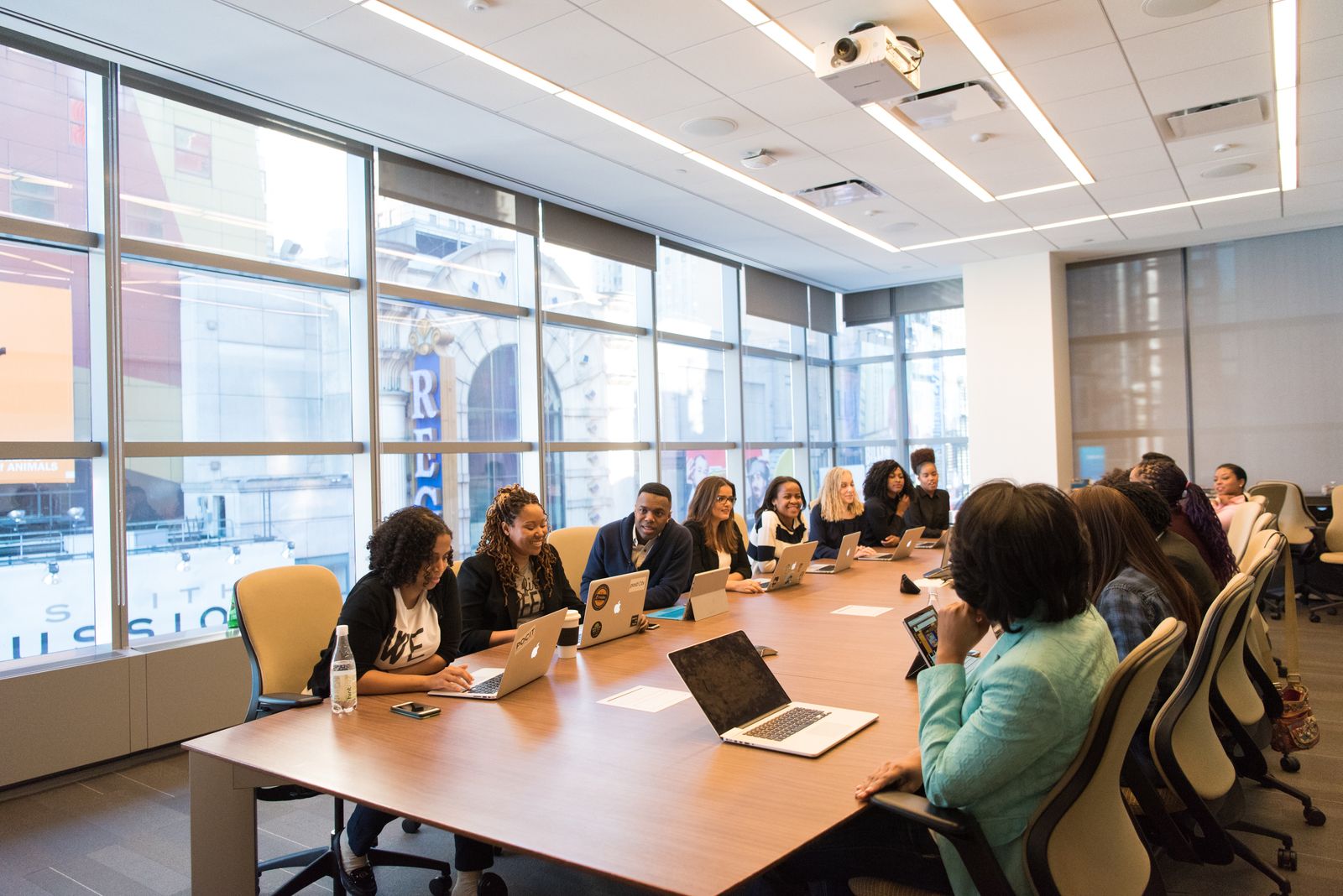
Rain is not a risk here. It is a season.
Every state's guide says "have a weather plan." Oregon means something more specific: for roughly half the year, the default condition west of the Cascades is overcast with rain likely, and professional work is planned inside that fact rather than in hope of escaping it.
The professional read is that Oregon's grey is, photographically, a gift with a scheduling cost. Overcast light is soft, even, and flattering for portraits — the Willamette Valley in November gives you a giant softbox that a Los Angeles photographer would pay to simulate. Photographers who work here shoot beautiful location portraits all winter. What winter changes is not quality but certainty: a coast session at Cannon Beach or a Gorge session at a viewpoint carries a real chance of horizontal rain and wind that no umbrella survives, and your contract should say, in advance, who calls a postponement, by when, and whether the reschedule is free. Studios that work the coast build the weather clause in. Ask for it by name.
Season by season, for a business booking portraits:
- October to April: best light, worst certainty. Book indoor or covered defaults (your premises, arcades, greenhouses, the photographer's studio) with outdoor as the upgrade if the day allows — not the reverse.
- May to September: the reliable window, and therefore the booked-out one. Rose Garden colour peaks from late May; Gorge wildflower season is spring; the coast is at its most cooperative, which is a relative term, in late summer.
- East of the Cascades — Bend and the high desert — the calendar inverts: more sun, harsher midday light, and winter cold instead of winter rain. A Bend photographer plans around glare and altitude sun the way a Portland one plans around drizzle.
The tax fact: Oregon has no sales tax — full stop
Oregon is one of the five states with no general sales tax, and uniquely clean about it: the Oregon Department of Revenue states plainly that Oregon doesn't have a general sales or use/transaction tax, and no city or county levies one either. For a portrait buyer, the consequence is refreshingly dull: the quote is the price. There is no 6, 8, or 10 percent arriving on the invoice for the album, the prints, or the session — the entire tax structuring conversation that dominates photography buying in other states simply does not exist here.
Three honest footnotes. First, this applies to purchases in Oregon; if your business is buying from, or delivering into, another state, that state's rules are its own affair. Second, photographers themselves still have business taxes — Oregon's Corporate Activity Tax applies to businesses above $1 million in Oregon commercial activity — but that is their cost of operating, not a line item on your invoice. Third, "no sales tax" is a reason Oregon quotes look cheaper than identical quotes from Seattle or San Francisco, and comparing across state lines without noticing it flatters Oregon by exactly the other state's tax rate. Compare like with like.
Choosing an Oregon portrait photographer as a business
This site lists 672 portrait photographers, and the Oregon filter that matters is not style first — it is operational fluency:
- Permit fluency for your location. Photo Pass for Portland parks, Metro's process for regional parks, state-park special use where it applies. Ask which your session needs and who holds it.
- A weather clause with your name on it for any outdoor session between October and April — postponement trigger, decision deadline, reschedule terms.
- Business deliverables in writing: number of retouched finals, resolution, commercial usage for your own marketing, file naming for a team set, and delivery date.
- Consistency across a team, including the unglamorous promise that matters in month nine: new hires photographed later will match the set from the original day — same background, crop, and grade.
- A total you can compare: session fee plus the files you will actually want plus location costs, on one line. In Oregon, at least, no tax will move it afterwards.
Do that, and Oregon stops being the state where portrait sessions dissolve into rain and paperwork, and becomes what the photographers who work here already know: the softest light in the country, on locations worth permitting, at prices with nothing hiding underneath them.
Sources
- Oregon Department of Revenue, sales tax in Oregon — Oregon doesn't have a general sales or use/transaction tax.
- Oregon Secretary of State, Oregon's economy: revenue and taxes — Oregon does not have a general state sales tax.
- Portland Parks & Recreation, Photo Pass conditions of use — the annual Photo Pass covers still portrait photography by one photographer in PP&R facilities, gives no exclusive use, and does not cover lease-managed sites including Crystal Springs Rhododendron Garden and Pittock Mansion.
- Metro (Portland region), filming and photography permits — free special-use application at least five business days ahead, commercial photography at $25 per hour up to $150 per day, and a certificate of insurance required.
- Oregon Parks and Recreation Department, special use permit application and instructions — a permit is required for non-traditional park use including commercial still or video projects using more than handheld equipment, with a $100 non-refundable application fee and daily use fees.
- Wildwood Wedding Films, Portland engagement photo locations — in any Portland park a hired photographer needs the city's Photo Pass; Crystal Springs charges its own hourly portrait fee; TriMet property requires its own permit and insurance.
- Amy Marlan Photography, how much a family photographer costs (2026 guide) — session-fee ranges drawn from Thumbtack (typical $200–$250), Airtasker (median $350), and HireRush (typical finished total about $670).
- YourQuoteCraft, portrait photography pricing 2026 — digital-inclusive versus in-person-sales models, and additional retouched digital images priced per file.
- Photo by Christina Morillo, https://www.pexels.com/photo/1181406/
- Photo by Christina Morillo, https://www.pexels.com/photo/1181622/
- Photo by Ivan Samkov, https://www.pexels.com/photo/8104206/
More guides
- How to Find a Wedding Photographer: The Complete, Honest GuidePhotographers › Wedding Photographers
- How Much Does a Wedding Photographer Cost? Packages DecodedPhotographers › Wedding Photographers
- 10 Questions to Ask a Wedding Photographer Before You BookPhotographers › Wedding Photographers
- Wedding Photography Styles Explained: Documentary, Editorial, Traditional, Fine ArtPhotographers › Wedding Photographers
- Hiring a Wedding Photographer in California: Venue Light, Permits, and Price LevelsPhotographers › Wedding Photographers
- All Guides & ArticlesBrowse the full guides library