Photographers › Portrait Photographers
Portrait Photography in South Dakota: Permits, Prices and Local Know-How
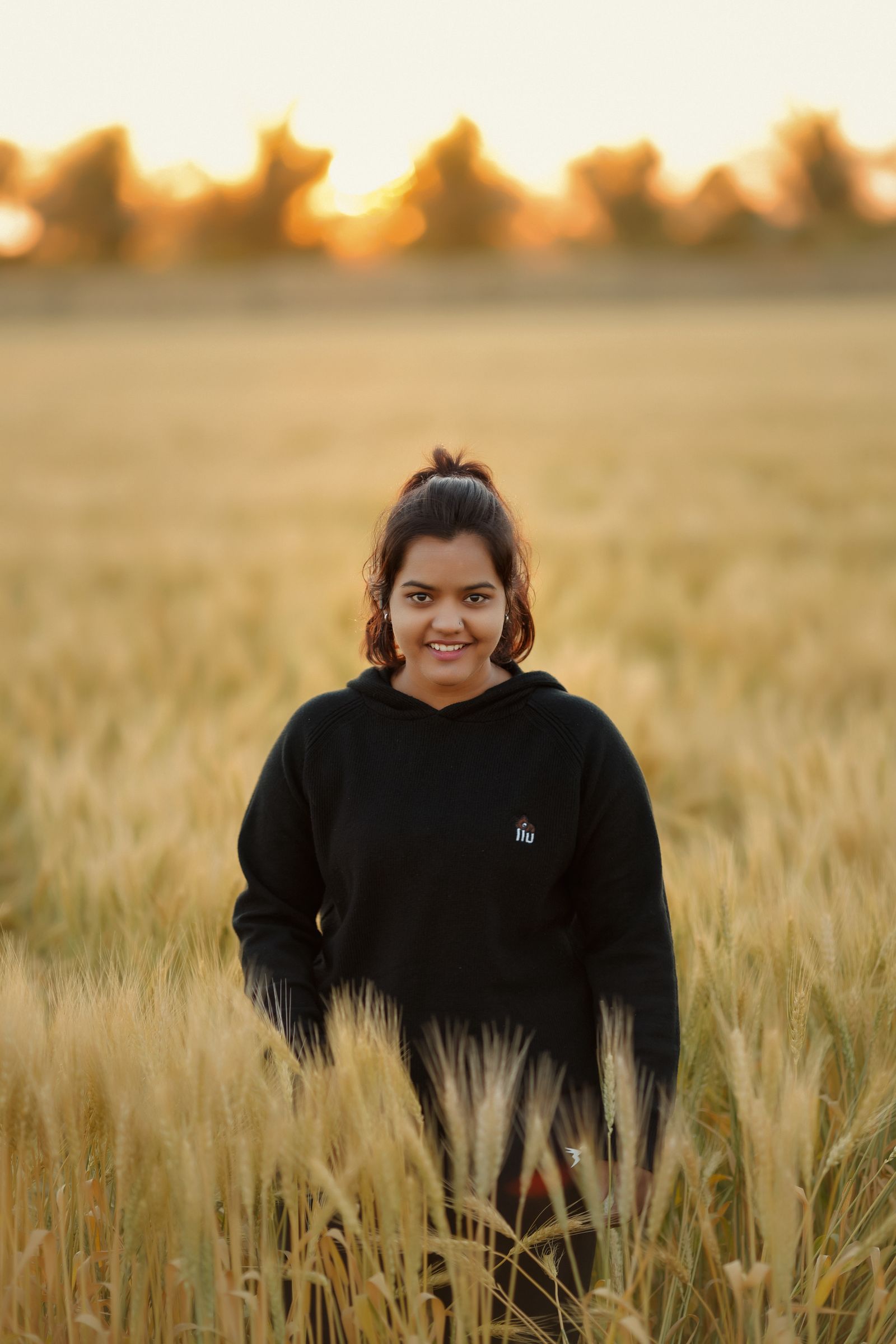
South Dakota sells a particular portrait fantasy: a senior photograph in a wheat field at sunset, a family session against the Badlands' striped walls, an engagement shoot in the Black Hills with nobody else in the frame. All of it is achievable, and none of it works quite the way national guides describe. This state taxes photography in unusual detail — down to the mileage on the invoice — runs its most famous backdrops through a federal permit system with a 45-day clock, and compresses its comfortable outdoor season into a window that every photographer in Sioux Falls and Rapid City is trying to book at once.
I book photographers for events for a living, which means I read the permits and the tax facts so the talent doesn't have to. Here is the South Dakota version, in the order it will actually affect your booking: permits first, because they take longest; prices second; and the tax and season rules that quietly reshape both.
Permits: the Badlands run on a 45-day clock
Start with the good news, because it is genuinely good. Under the EXPLORE Act, which the National Park Service now applies across its parks, still photography in most cases needs no permit and no fee when it involves eight or fewer people and meets a short list of conditions: it happens in areas open to the public, uses hand-carried equipment only, does not require exclusive use of a site, does not harm park resources or other visitors, and is unlikely to add administrative cost for the park. A couple, a photographer and a camera bag at a Badlands overlook will usually fit inside that. Photography attached to an already-permitted event, such as a wedding, is likewise covered by that event's authorisation.
Cross any of those lines — a bigger group, lighting rigs and props, exclusive use of a location, a commercial production footprint — and you are in Special Use Permit territory. Badlands National Park is explicit about the mechanics: permit applications must be submitted 45 days in advance, the park offers a short form for small-scale events such as wedding photos and a long form for larger ones, and there is a $100 non-refundable application and administrative charge, with further administrative and location fees possible. Park entrance fees apply regardless.
Translated into booking behaviour: a Badlands portrait session is not a next-weekend decision. If the Badlands are the point of the shoot, the permit conversation happens before the date is chosen, and the photographer you want is one who has filed before and can tell you which side of the eight-person, hand-carried line your session falls on. The same federal framework covers Wind Cave and the Missouri National Recreational River; Mount Rushmore and the other memorial and historic sites run their own permit desks, so “we shot in a national park once” is not transferable knowledge. Ask per location.
State land has its own layer. Custer State Park and the other South Dakota state parks charge vehicle entrance fees, and commercial activity in state parks is a Game, Fish and Parks matter to confirm in advance rather than assume — and drones are generally prohibited in South Dakota state parks, so any photographer promising aerial portraits over Custer should be asked to show the authorisation, not the drone.
Prices: national anchors, South Dakota distances
Thumbtack's national data averages a portrait session at $277 (typical range $212–$362), family and children sessions at $269, graduation at $232 and headshots at $304. Use those as the anchor they are. Sioux Falls and Rapid City have working portrait markets at and below big-metro levels, and mini-sessions — 15 to 30 minutes, one location, a small set of images — are the standard lower-cost format statewide.
What moves a South Dakota quote away from the anchor is rarely the photographer's hourly worth. It is geography:
| Cost driver | South Dakota reality |
|---|---|
| Travel | Sioux Falls to the Badlands is roughly 275 miles; Rapid City to many east-river towns is a full day's round trip. Expect mileage or a travel fee, and see the tax note below — in this state, mileage charges are taxable too |
| Permit costs | $100 federal application charge at the Badlands where a Special Use Permit applies, plus possible location and administrative fees, usually passed through at cost |
| Season compression | The comfortable outdoor window is short, so prime September and October weekends in the Black Hills and around Sioux Falls book out early and discount late rarely |
| Package structure | Sitting fee plus images, or all-inclusive — the comparison only works once both quotes are structured the same way |
The professional habit worth copying: get the quote itemised into sitting fee, images, travel and permit pass-throughs before you compare photographers. In South Dakota that itemisation is not pedantry — the tax treatment differs by line, which brings us to the state's most distinctive rule set.
The tax rule: South Dakota taxes photography, in detail
South Dakota is one of the states that taxes services broadly, and photography is named in the statute: the state tax — currently 4.2 percent, a temporary reduction scheduled to return to 4.5 percent on July 1, 2027 — applies to the gross receipts of photography businesses, with municipal sales tax of 1 to 2 percent on top where it applies. The Department of Revenue publishes a dedicated Tax Fact for photographers, and its details explain several things clients find puzzling on South Dakota invoices:
- Sitting fees are taxable, based on where the photos are taken; a sitting fee covering several locations including the studio is taxed at the studio's location.
- Packages that bundle the sitting fee and the photos are taxed where the photos are delivered.
- The sale of photos is taxed where delivered — including products delivered electronically, which are taxed where delivered, falling back to the customer's address and then the photographer's if no delivery address is known.
- Mileage and expense charges are taxable, even when itemised separately.
- The taxable list runs beyond the shoot itself: enlarging, retouching, tinting and colouring, processing and printing, reprints and photo rights, and online photo storing and sharing services are all named.
For a client, the practical consequences are three. First, a tax line on your photographer's whole invoice — travel included — is correct behaviour in South Dakota, not padding. Second, where you take delivery can change which municipal tax applies, which is one reason two quotes can show different tax totals. Third, your photographer must hold a South Dakota sales tax licence to do any of this lawfully; “licensed” in this state means tax-licensed, and it is a fair screening question, because the Department of Revenue requires the licence of anyone selling photography services here.
Seasons: a short window, used well
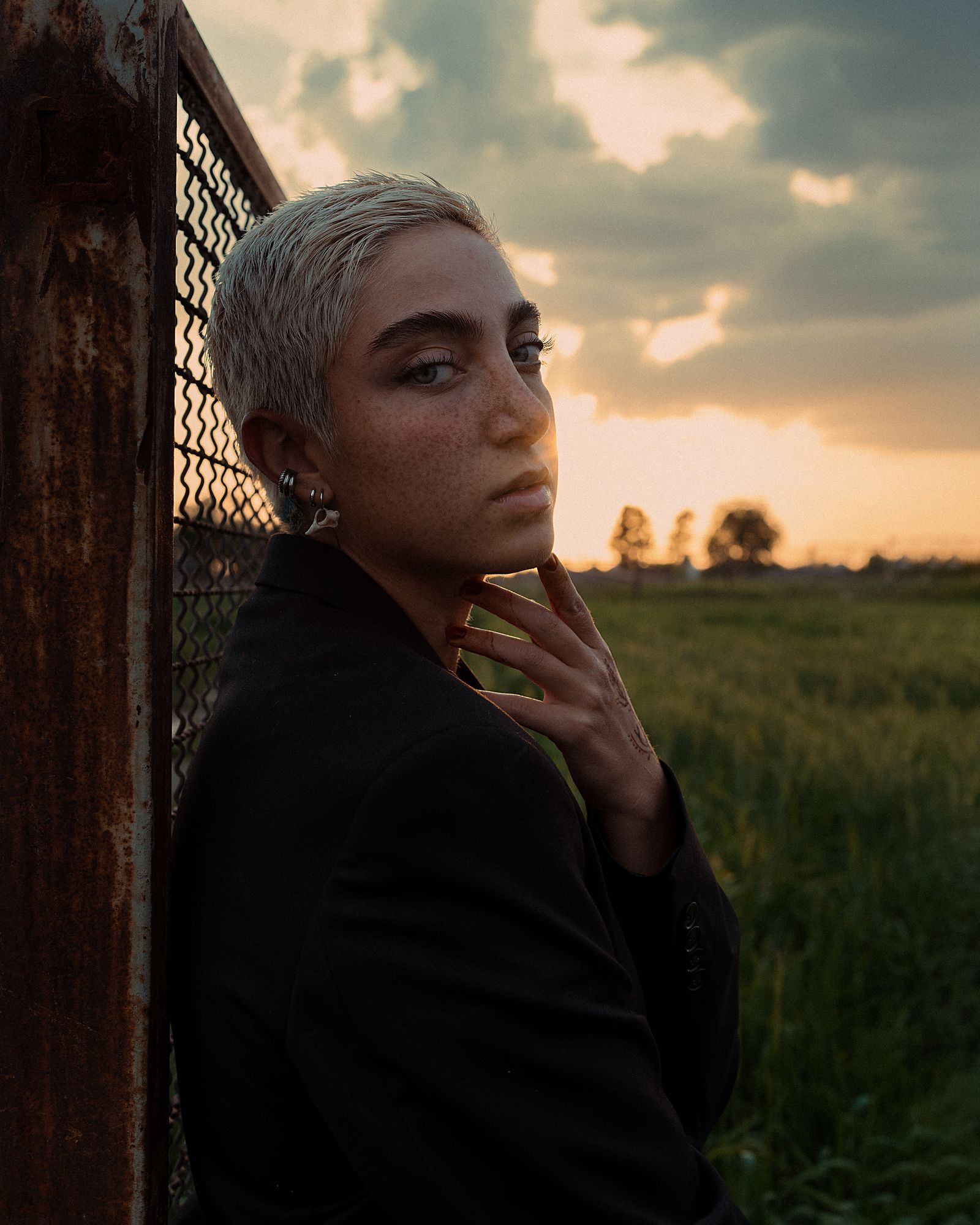
Late spring and early summer bring the greenest prairie and the longest evenings — and convective weather that can rebuild a shoot day in an hour. Build a rain date into any May or June booking.
High summer offers wheat turning gold and long light, with real heat on the plains and peak visitor pressure in the Black Hills. Early morning sessions are the local professional's answer to both.
Autumn is the prize: harvest colour, cooler air, senior-portrait season in full swing and the Hills at their best. It is also the crunch — this is when the short-window problem bites, and September dates with established photographers go first.
Winter is studio season for most, and honest photographers will tell you so. Outdoor winter portraits are a deliberate aesthetic choice here — wind, sub-zero wind chill and 5 p.m. darkness — not a default. If you want them, hire someone whose portfolio shows winter work done on purpose, with short rotations outdoors and warming breaks built into the session plan.
A booking sequence that respects the clocks
- Choose the location first, and ask the permit question about that specific place — federal, state or private land each answer differently.
- If a federal Special Use Permit is in play, work backwards from the 45-day application window before fixing a date.
- Get itemised quotes — sitting fee, images, travel, permits — structured identically from two or three photographers.
- Confirm the tax treatment on the quote and that the photographer holds a state sales tax licence.
- Put the weather date and the delivery timeline in the contract, not in a text thread.
This site lists 672 portrait photographers nationally, and South Dakota's are spread across two metro hubs and a lot of county-seat studios in between. The local knowledge above — permits on a clock, tax on the mileage, a season that rewards early booking — is what separates the photographer who merely works here from the one who can actually deliver the wheat field, the Badlands wall or the Hills at their best. Book for the second kind.
Sources
- South Dakota Department of Revenue, Tax Fact: Photographers (July 2023) — establishes that photography products and services are subject to state and municipal sales tax; sitting fees taxed where photos are taken; packages taxed where photos are delivered; electronically delivered products taxed where delivered; mileage and expense charges taxable; retouching, tinting, colouring, reprints, photo rights and online photo storage among taxable services; state rate 4.2% and municipal tax of 1–2%; and that sellers must hold a state tax licence.
- South Dakota Codified Laws § 10-45-5 — establishes photography among the services taxed on gross receipts, at 4.2% currently and 4.5% effective July 1, 2027.
- Badlands National Park, Permits (National Park Service) — establishes the 45-day advance submission for Special Use Permits, the short form for small-scale events such as wedding photos, the $100 non-refundable application and administrative charge, and the conditions under which still photography needs no permit.
- National Park Service, Filming and Still Photography (EXPLORE Act guidance) — establishes that permits and fees are generally not required for photography involving eight or fewer individuals meeting the public-area, hand-carried-equipment and no-exclusive-use conditions, and that commercial or non-commercial purpose no longer changes that test.
- Thumbtack, 2026 Photographer Prices — establishes national averages of $277 for portrait photography, $269 for family and children, $232 for graduation and $304 for headshots.
Photo by VENTARA FILMS, https://www.pexels.com/photo/woman-smiling-in-golden-wheat-field-at-sunset-31430971/ Photo by mahdi chaghari, https://www.pexels.com/photo/a-young-woman-with-short-hair-posing-on-a-meadow-at-sunset-25745518/
More guides
- How to Find a Wedding Photographer: The Complete, Honest GuidePhotographers › Wedding Photographers
- How Much Does a Wedding Photographer Cost? Packages DecodedPhotographers › Wedding Photographers
- 10 Questions to Ask a Wedding Photographer Before You BookPhotographers › Wedding Photographers
- Wedding Photography Styles Explained: Documentary, Editorial, Traditional, Fine ArtPhotographers › Wedding Photographers
- Hiring a Wedding Photographer in California: Venue Light, Permits, and Price LevelsPhotographers › Wedding Photographers
- All Guides & ArticlesBrowse the full guides library