Photographers › Portrait Studios
Portrait Studio Sessions Timelines: How Long It Actually Takes, Stage by Stage
"A one-hour session" is the most misleading phrase in portrait photography. Not because anyone is lying, but because the hour names only the part you attend. The full life of a portrait session — from the first inquiry to the framed print on your wall — runs through eight stages, most of them invisible to you, and typically spans two to four weeks. Some of those weeks are work. Some are queue. Some, if we are honest, are you.
I managed a portrait studio, which means I owned the calendar and the apologies. Here is the timeline as it actually runs, stage by stage, with the real durations studios publish and the places delays genuinely come from — so you can plan a deadline around it instead of discovering it.
The whole timeline at a glance
| Stage | Typical duration | Whose clock it is |
|---|---|---|
| 1. Inquiry to booked session | 1–7 days | Shared — mostly scheduling |
| 2. Lead time to the session day | 1–2 weeks for individuals; 2–3 weeks for teams | The studio's calendar |
| 3. Hair, makeup, and settling in | 30–60 minutes before the shutter | Yours and the artist's |
| 4. The shoot itself | 20 minutes–2 hours, by package | Shared |
| 5. Proof gallery delivery | Same day to 3 business days | The studio's |
| 6. Your selection | 1 day to 3 weeks | Yours |
| 7. Retouching | 48 hours–10 business days after selection | The studio's |
| 8. Prints, albums, and products | 2–6 weeks after approval | The lab's |
Add it honestly and a standard portrait — booked a week or two out, proofs in two days, selections back in three, finals a week later — lands about three weeks after you first picked up the phone. Every stage below is a place that total can stretch, and knowing which stage you are in is the difference between a reasonable follow-up and an anxious one.
Stage 1–2: Booking and lead time
Individual portrait sessions at most studios book one to two weeks out; one San Diego studio states it plainly — most clients book one to two weeks ahead, with shorter notice often possible — and team sessions need two to three weeks, because coordinating twelve calendars and a conference room is a project, not an appointment. Peak seasons compress this: in the fall headshot rush and the spring graduation window, the one-to-two-week lead quietly becomes three.
The consultation, where it exists, is short and worth it: fifteen to thirty minutes to agree the purpose of the portraits, the looks, and the deliverables. Studios that skip it spend the time later, in rescheduling and re-shoots, and so do their clients.
Stage 3: The hour before the hour
Clients chronically under-budget the front of the session. Professional hair and makeup takes thirty to sixty minutes — a Scottsdale studio builds its executive sessions to ninety minutes without makeup and closer to two hours with full hair and makeup styling. Wardrobe steaming, lint, jewelry, the tie that only works with the other jacket: another fifteen. None of this is photography, and all of it is on the session clock if you booked a fixed slot. Arrive camera-ready if your package assumes it; ask, when booking, whether makeup time is inside or outside your session time. That one question prevents the most common day-of dispute in studio portraiture.
Stage 4: The shoot itself
Published session lengths cluster tightly:
- A focused headshot: twenty to forty-five minutes. A Manhattan studio's classic session runs about twenty minutes; an Austin studio's entry session is thirty minutes for one outfit and one background; a Fountain Valley studio puts most individual sessions at thirty to forty-five minutes.
- The standard portrait session: about an hour. Austin's most-booked individual session is "up to one hour" with multiple outfits and backgrounds; Chicago portrait sittings run one to two hours depending on the studio's model.
- Executive and branding sessions: ninety minutes to two hours, and half-day or full-day for branding work with multiple looks and settings.
- Actor headshots: about two hours, because the product is range — several distinct looks, each lit and directed differently.
- Teams: ten to fifteen minutes per person at efficient studios — one San Diego photographer works at eight to twelve people per hour — so a team of ten is roughly two and a half hours of photographing, plus setup, however the invoice phrases it.
Inside the hour, expect the first ten minutes to be warm-up. Almost nobody's best frame is in the first twenty exposures; photographers know this and budget for it, which is why a twenty-minute session and a sixty-minute session do not produce proportionally similar results. The sixty-minute session is not three times the vanity — it is the session where the subject finally relaxes.
Stage 5: Proofs — the first deliverable
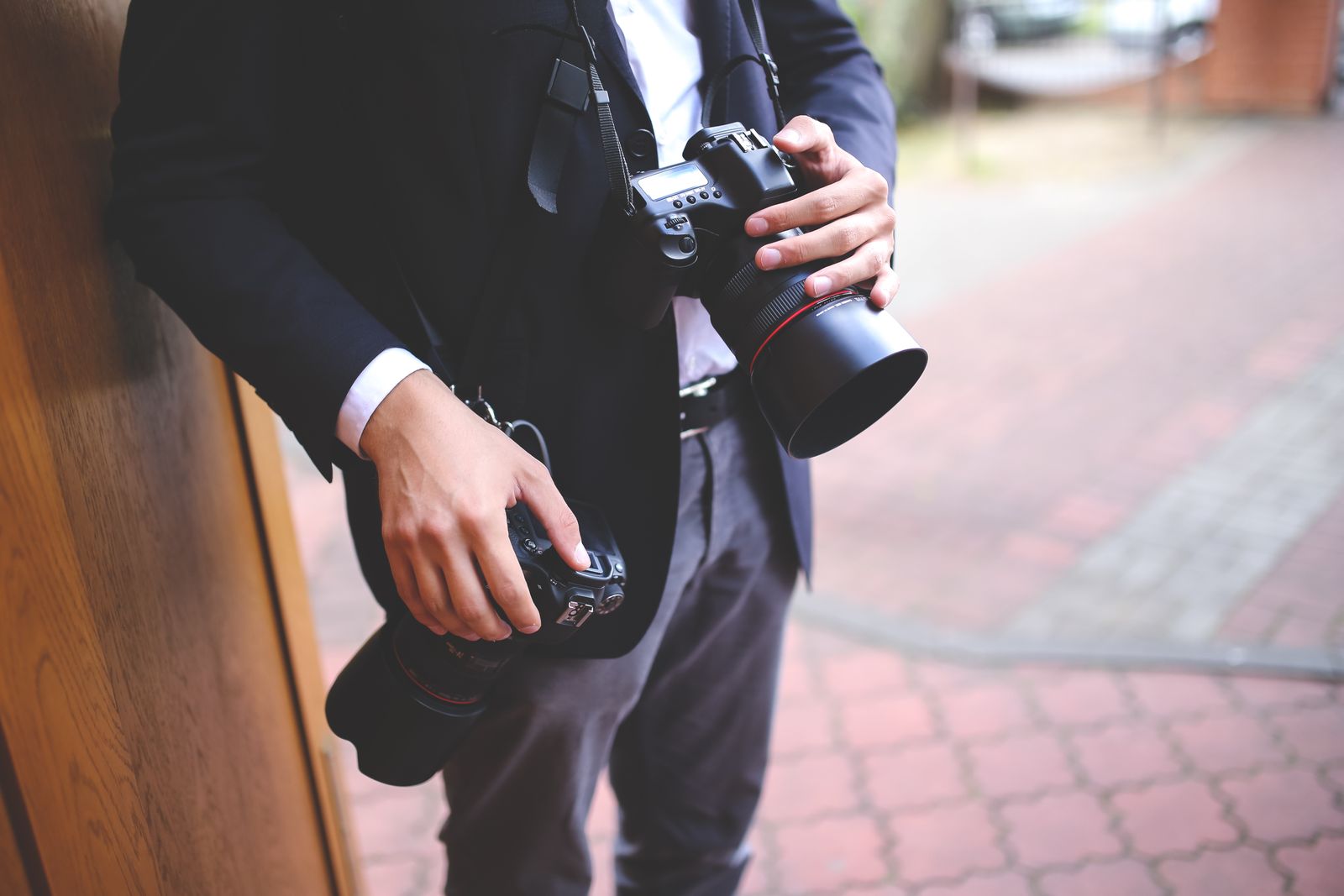
After the shoot, the studio backs up the cards, culls the frames — a portrait session's few hundred exposures down to the usable proofs — and posts a proofing gallery. Published timelines: same day at fast NYC and corporate studios (one promises the proof gallery by 8 p.m. on session day), within forty-eight hours at several headshot studios, and within three business days at slower, careful ones. Proofs are color-corrected and narrowed, but not retouched — a distinction clients routinely miss, then panic at the sight of a blemish that was never going to survive the process.
If your studio shoots tethered and reviews on a monitor during the session, this stage can collapse entirely — some corporate clients select their final image before they leave the building. Ask whether yours does; it is the single largest timeline shortcut available to you.
Stage 6: Your selection — the delay nobody counts
Here is the stage studio managers know and clients never believe: the longest single delay in most portrait timelines is the client choosing their images. Studios deliver proofs in two days and wait two weeks for selections, because choosing between forty near-identical frames of your own face is genuinely hard, and life intervenes. Retouching cannot start until selections land — every downstream promise in your contract is dated from your selection, not from the shoot.
Protect your own deadline here. Set a selection date when you book. If you cannot decide, ask the photographer to recommend — they will, gladly; one San Diego studio offers exactly that as a standard option. And if your package includes a set number of retouched images with extras priced per image — $95 to $125 each is a published Austin range, $200 an image at one Chicago studio — decide your number before you fall in love with eleven finalists.
Stage 7: Retouching — minutes per image, days in queue
Retouching time is two numbers wearing one coat. The work itself, per image, is measured in minutes: basic edits — crop, exposure, color — take one to five minutes; a standard portrait retouch — skin cleanup, blemish removal, light dodge and burn — takes fifteen to forty-five minutes; high-end beauty retouching runs one to four hours per image. A New York retouching studio's breakdown puts portraits and corporate headshots at two to five business days delivered, beauty and editorial at one to two weeks.
Your images, though, are in a queue behind other clients' images, and the queue is what your contract's delivery window actually describes. Published portrait promises: within forty-eight hours of selection at fast headshot studios, two to three business days in Manhattan, three to five business days in San Diego, seven to ten business days at a branding studio whose sessions include more images. All of these are honest numbers from working studios — for the same product. The spread is not quality; it is volume, staffing, and how much retouching the studio's style demands. Rush delivery exists at most studios for a fee; ask before you need it, because the time to negotiate a rush is at booking, not at panic.
Stage 8: Products — the lab's clock
Digital files end the studio's timeline; physical products start the lab's. Prints from a professional lab typically take days to two weeks; framed pieces and albums, which are designed, proofed, printed, bound, and shipped, run weeks — in wedding work, where the math is published in detail, albums land six to twelve weeks after final selections are approved, and portrait products follow the same physics at smaller scale. The approval is again yours: an album proof that sits in your inbox for a month is a month added to the timeline that no studio can absorb for you.
Where delays really come from
Ranked by how often I watched them happen: client selection time first, by a distance. Then peak-season queues — a studio's retouching promise made in March is not its promise in October. Then product approvals. Then the genuine studio failures: a retoucher out sick with no bench, a lab backlog, a file problem discovered late. Equipment failure almost never delays a portrait timeline, because studios shoot redundantly; and the shoot itself almost never runs long enough to matter.
Two implications. If you have a hard deadline — a book jacket, a campaign launch, a yearbook cutoff — work backward from it through the table at the top of this guide, add a week, and tell the studio the date at booking, not at selection. And get the timeline in the contract as stages, not a single date: proofs by when, finals within how many days of selection, products within how long of approval. A studio that will write its stages down is a studio that knows them — this directory lists 375 portrait studios and 672 portrait photographers, and the ones who manage time well are not hard to find once you know which questions measure it.
A portrait session is an hour. A portrait is three weeks, sometimes four in a busy season. Plan for the three weeks, tell the studio your deadline on the first call, and the hour itself will take care of itself.
Sources
- ATX Headshots, Austin FAQ — session lengths (30 minutes to 2 hours), retouching at $125 per image, finals within 48 hours of selection. https://www.atxheadshots.co/faq
- Headshots NYC, Frequent Questions — classic sessions about 20 minutes, proof gallery same day, retouching in 2–3 business days. https://www.cityheadshots.com/frequent-questions.html
- Rob Andrew Photo, San Diego corporate headshots — 30-minute sessions, proofs within 48 hours, finals in 3–5 business days, booking 1–2 weeks ahead. https://www.robandrewphoto.com/corporate-headshots-san-diego/
- Headshots AZ, "How Long Does a Headshot Session Take?" — executive sessions 90 minutes to 2 hours with makeup, teams at 15 minutes per person, gallery in 3 business days. https://www.headshotsaz.com/guides/how-long-does-a-headshot-session-take.html
- Marquel Yvette Photography, "What Happens During a Professional Headshot Session?" — 30–90 minute packages, finals in 7–10 business days. https://www.marquelyvette.com/blog/what-to-expect-headshot-session/
- Ken Jones NYC, "Retouching Turnaround Time" — per-image retouching times (basic 1–5 minutes, standard 15–45, high-end 1–4 hours) and delivery windows by shoot type. https://www.kenjonesnyc.com/retouching-turnaround-time/
- Photograph: photo by Karolina Grabowska, https://www.pexels.com/photo/6182/
- Photograph: photo by Max Vakhtbovych, https://www.pexels.com/photo/sofa-with-cushions-in-living-room-5998023/
More guides
- How to Find a Wedding Photographer: The Complete, Honest GuidePhotographers › Wedding Photographers
- How Much Does a Wedding Photographer Cost? Packages DecodedPhotographers › Wedding Photographers
- 10 Questions to Ask a Wedding Photographer Before You BookPhotographers › Wedding Photographers
- Wedding Photography Styles Explained: Documentary, Editorial, Traditional, Fine ArtPhotographers › Wedding Photographers
- Hiring a Wedding Photographer in California: Venue Light, Permits, and Price LevelsPhotographers › Wedding Photographers
- All Guides & ArticlesBrowse the full guides library