Photographers › Portrait Studios
Portrait Studios for Seniors: Costs, Comfort and the Adjustments Worth Asking About
The portrait studio runs on a template built for other people: the squirming toddler, the high-school senior with four outfit changes, the family of six herded through in fifteen minutes. An older customer fits none of that choreography, and does not need to. What an older sitter needs is a session that moves at a human pace, a chair that is easy to get out of, a photographer who works at eye level instead of from above, and a price explained in full before anyone smiles for the camera. Good studios do all of this without being asked. The rest will do most of it if you know what to ask for — and that is what this guide is for: what a senior portrait should cost, what comfort actually consists of, and the specific adjustments that separate a studio that welcomes older customers from one that merely tolerates them.
What it costs: two pricing models, one trap
Portrait studios sell two different ways, and confusing them is how budgets break.
The chain-studio model separates the sitting from the pictures. At JCPenney Portraits, the country's largest remaining mall-studio chain, the published session fee is $14.99 per person — note the per-person part, so a couple pays $29.98 and a five-person family group $74.95 before anyone owns a photograph. Images are a second purchase: digital images start at $59.99 for one, run to about $79.99 for three, and the full digital album is $184.99 at regular price. Retouching is $9.99 an image, a standard print is $19.99 at list (promotional prints run lower), and an extended session — required for groups of eight to twelve — adds $24.99. A two-year Perks Club membership at $39.99 waives session fees, which pays for itself quickly for anyone planning portraits of grandchildren as well. The chain appointment itself is about 45 minutes door to door, of which roughly 15 minutes is camera time producing 15 to 20 images to choose from.
The independent-studio model bundles differently. Marketplace data puts the national average portrait session at about $277, typically ranging from roughly $212 to $362 — and full-service independents often charge a modest session fee, then sell prints, albums, and wall art in a viewing appointment afterward. That second model can produce beautiful, heirloom results. It can also produce a four-figure surprise if the price of the finished products was never stated up front.
| Chain studio (JCPenney Portraits model) | Independent / full-service studio | |
|---|---|---|
| Session fee | $14.99 per person; waived with $39.99 two-year Perks Club | Often $150–$300+; national average portrait session ≈ $277 |
| Camera time | ~15 minutes inside a ~45-minute appointment | Commonly 45–90 minutes, paced to the sitter |
| Digital images | From $59.99 for one; full album $184.99 | Frequently included in part, or sold as a collection — ask which |
| Prints | From $19.99 at list; frequent promotions below that | Sold at the viewing appointment; wall art is the profit center |
| Retouching | $9.99 per image, published | Usually included for chosen images — confirm how many |
| The trap | Per-person session fees and images sold separately | Falling in love with the gallery before hearing product prices |
Neither model is the "senior" model — there is no senior discount category in portrait pricing the way there is at a diner. What older customers should insist on, in both, is the total: session, the images you actually want, in the form you actually want them, tax included, stated before the appointment. A studio that will not total it up in advance is telling you how the viewing appointment will go.
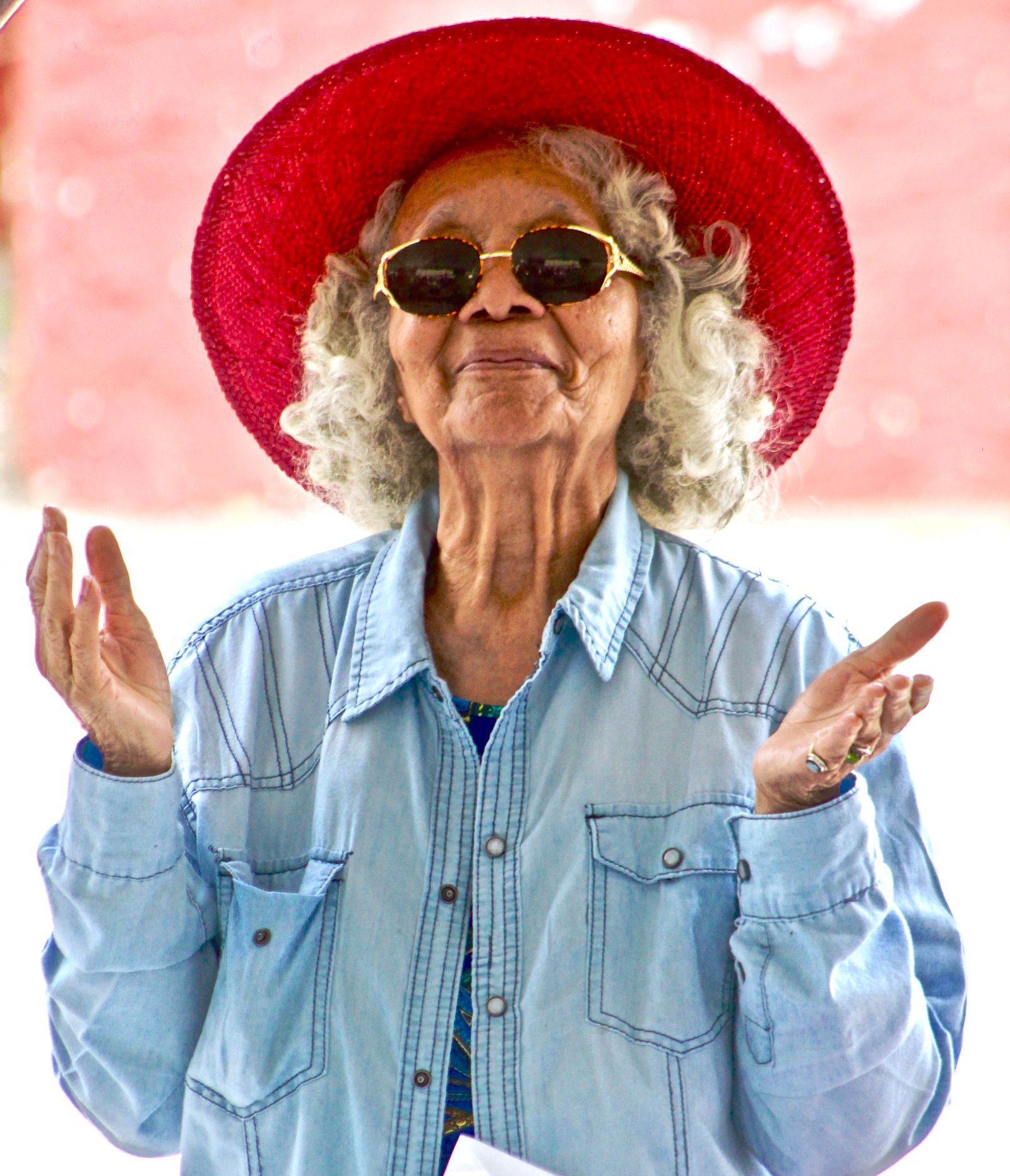
Comfort is a physical specification, not a mood
When studios say they are "comfortable for seniors," ask them to be specific. Comfort, in a camera room, is a list of physical facts:
The chair. The standard portrait stool is backless, armless, and height-adjustable by spinning — close to a worst-case design for anyone with a stiff back, a replaced hip, or balance concerns. Ask whether the studio has a proper chair with a back and arms that you can sit in for portraits, and whether seated portraits are a normal part of their work rather than an improvisation. Any studio that photographs families already poses grandparents seated; the adjustment is simply making that the plan from the start instead of the fallback.
Eye level. A photographer standing and shooting down at a seated sitter produces the visual grammar of a medical record. The fix is known and simple: the camera comes down to the seated person's eye level, so the sitter looks into the lens rather than up at it. Photographers who work with wheelchair users treat this as foundational — one widely shared professional guide to posing family photos with a wheelchair user puts camera height first, and notes that 12.2 percent of U.S. adults have a mobility disability involving serious difficulty walking or climbing stairs, per CDC figures. If you use a wheelchair, ask whether you will be photographed in your own chair (usually the right answer — it is your chair, fitted to you) and whether the studio poses groups around a seated person at mixed heights, rather than parking the chair at the end of a standing row.
Access, literally. Step-free entry, a camera room on the same level as the door, space to maneuver between the backdrop and the lights without threading a slalom of light stands and cables, a restroom that does not require stairs, and seating in the waiting area that is easy to rise from. None of this is exotic. All of it is worth one phone call before booking, because a studio inside a mall may be step-free while a charming converted-house studio may have its camera room up a flight of stairs.
Pace. Fifteen minutes of camera time is a chain-studio norm designed for children who melt down at minute twenty. For an older sitter the constraint runs the other way: time to settle, to check a collar, to rest between setups, to look at a test image and adjust. Ask for the first appointment of the day or a weekday morning, when the studio is quiet and nobody is queueing at the door — and ask whether the session can pause. A photographer who builds in a mid-session review of the images on screen is giving you both a rest and a say in the result.
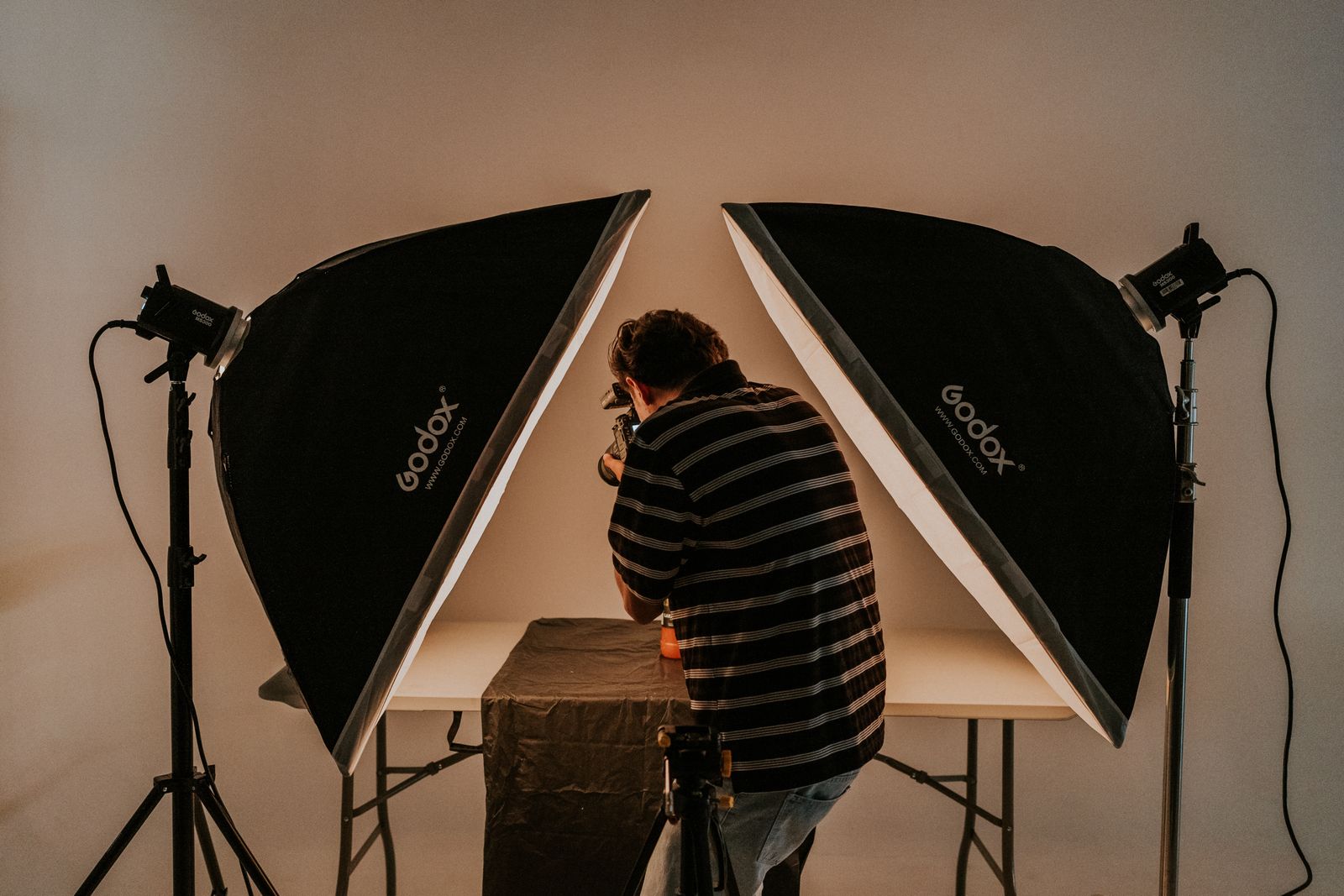
The adjustments worth asking about, by name
These cost the studio little or nothing. Ask anyway — the answer tells you who you are dealing with.
- Glasses, handled two ways. Glare on lenses is the most common technical flaw in senior portraits. A good photographer adjusts light angles and head tilt to keep your glasses on and glare-free, rather than asking you to remove the glasses you wear in every memory your family has of you. Ask which they do.
- Lighting that flatters honestly. Older skin photographs best in soft, frontal light that does not carve every line into shadow — but there is a line between flattering and erasing. Ask to see portraits of older sitters in the studio's own portfolio. If every face over sixty has been retouched into porcelain, expect the same treatment, and say in advance how much retouching you want. (At the chain rate of $9.99 an image, you are literally paying per image for it — choose which images earn it.)
- Hearing and vision, planned for. Direction given once, verbally, at speed, across a noisy studio is direction designed to be missed. Ask the photographer to face you when speaking, to demonstrate poses rather than only describing them, and to show you images on the largest screen available at review. If small print is a barrier, ask for the price list and package details in large print or by email in advance — you should be reading the money part at your kitchen table, not under sales-room lighting.
- A companion in the room. A spouse, an adult child, or a friend who helps with a jacket, checks a collar you cannot see, and drives you home afterward. Studios that photograph children are used to a parent at the edge of the set; extending the same welcome to an older sitter's companion should be unremarkable, and any hesitation about it is information.
- Prints you can hold, files you can keep. Many older customers want the portrait the way they have always had portraits: printed, framed, on the wall, with copies for children. Others are entirely digital. The adjustment to ask for is both-and pricing — the framed print for the wall and the digital file for the family — rather than a package that forces a choice. And ask who can reorder in five years: studios close, chains restructure, and the file you own outright is the only copy whose future you control.
- A location alternative. If the studio trip itself is the obstacle — distance, weather, health on the day — many independent photographers will bring a backdrop and lights to a home, a senior residence's common room, or a family gathering, for a travel or location fee. A portrait taken where you live, in your own chair, often looks more like you than one taken under studio lights, and it removes every access question on this page at a stroke.
A short script for the booking call
Five questions, two minutes, and you will know more than most customers learn in the viewing room:
- What is the full price — session, the images I want, prints and files — for one person, and for two?
- Can I be photographed seated, in a chair with a back and arms? If I use a wheelchair, will you pose the group around me?
- Is the camera room step-free from the street, and is there an accessible restroom?
- Can I book a quiet weekday-morning slot, and can we pause and review images midway?
- If I need to reschedule for health reasons, what happens to my fee?
This site lists 375 portrait studios and 672 portrait photographers, so the choice is rarely between one studio and none — it is between the studio that answers these questions easily and the one that treats them as unusual. The ones that answer easily have usually already made the adjustments, for the grandmothers in family sessions, the executives who cannot stand long, and the wedding guests in wheelchairs. You are not asking for a special service. You are asking whether the ordinary service was designed with you in the room. Book the studio where it was.
Sources
- JCPenney Portraits (by Lifetouch), frequently asked questions and published pricing — establishes the $14.99 per-person session fee, the $24.99 extended-session fee, the $39.99 two-year Perks Club, digital images from $59.99, retouching at $9.99 per image, and the roughly 45-minute appointment with about 15 minutes of camera time.
- ThePricer, JCPenney photoshoot cost breakdown — establishes the $184.99 regular digital-album price and $19.99 standard print list price.
- Amy Marlan Photography, senior portrait cost guide (2026), citing Thumbtack — establishes the national average portrait session at about $277, typically $212–$362.
- Dan Doyle Photography, guide to posing family photos when a loved one uses a wheelchair, citing CDC figures — establishes the camera-at-seated-eye-level technique, building groups around a seated person, and the CDC figure that 12.2 percent of U.S. adults have a mobility disability.
- ShotKit, wheelchair posing guide — establishes seated posing practice from the photographer's side, including working at the sitter's eye level.
Photographs
- Senior woman in a red hat — photo by Nashua Volquez, https://www.pexels.com/photo/1729931/
- Photographer working with camera and studio light — photo by Amar Preciado, https://www.pexels.com/photo/17094508/
- Camera on a tripod — photo by Amar Preciado, https://www.pexels.com/photo/8389706/
More guides
- How to Find a Wedding Photographer: The Complete, Honest GuidePhotographers › Wedding Photographers
- How Much Does a Wedding Photographer Cost? Packages DecodedPhotographers › Wedding Photographers
- 10 Questions to Ask a Wedding Photographer Before You BookPhotographers › Wedding Photographers
- Wedding Photography Styles Explained: Documentary, Editorial, Traditional, Fine ArtPhotographers › Wedding Photographers
- Hiring a Wedding Photographer in California: Venue Light, Permits, and Price LevelsPhotographers › Wedding Photographers
- All Guides & ArticlesBrowse the full guides library