Photographers › Events Photographers
Second Opinions in Events Photographers: When to Get One and How to Use It
A second opinion, in event photography, is not a medical drama. It is simply a second, independent answer to the same brief: another photographer's quote for the same hours and deliverables, another professional's read on a contract you are about to sign, or a working photographer's honest verdict on whether one person can actually cover your event. Couples and families planning an event ask for one too rarely, and usually too late — after the deposit, when the opinion can only confirm a fear. Used early, a second opinion is the cheapest insurance in the whole event budget: it typically costs nothing but an email, and it is the only tool that tells you whether the number in front of you is a price or an outlier. This guide explains the five situations where a second opinion is genuinely worth getting, how to ask for one without burning bridges with the photographer you may still hire, and how to compare two answers that refuse, at first glance, to be compared.
What a second opinion can actually tell you
Event photography pricing is a wide, honest market, and that width is exactly why one quote proves nothing. Published United States rates for event photographers mostly sit between $150 and $500 an hour; half days run roughly $500 to $2,500 and full days $900 to $4,500 across published price lists, with corporate and big-city work at the top. Experience sorts the range further: emerging photographers around $100 to $200 an hour, established professionals around $250 to $350, and major-market specialists at $400 to $500 with strict minimums. Thumbtack's national data puts the average photographer's hourly rate at $164, with low-end quotes averaging $122 and high-end quotes $364 — a spread wide enough that a quote of $300 an hour can be simultaneously above the average and entirely fair for the person offering it.
A second opinion converts that fog into a position. If two photographers, given the same brief, quote within 15 or 20 percent of each other, you have found your market and can choose on style and trust. If they are 60 percent apart, one of them has misunderstood the brief, omitted something, or included something the other has not — and finding out which is the entire value of the exercise. Vendor-selection guidance for weddings makes the same point in general terms: shortlist three, because with fewer than three you cannot tell whether a price is fair, and past five you mostly add confusion. For a second opinion specifically, three quotes are the sweet spot: one is a price, two are a preference, three are a market.
The five times to get one
When the quote is far from everything else you have seen. A quote that is half the going rate is not a bargain until you know what it excludes; a quote at double the rate is not a rip-off until you know what it includes. Either outlier earns a second opinion automatically.
When the event cannot be restaged. A product launch can be reshot. A fiftieth birthday, a retirement dinner, a once-a-decade family reunion cannot. The less repeatable the event, the more a second professional's view of the coverage plan is worth — particularly on the question of whether one photographer is enough. Conferences with simultaneous sessions, large receptions with two rooms running at once, and any event where the key moment happens in two places are second-shooter events, and a first quote that proposes covering them solo deserves a challenge.
When the contract surprises you. A deposit far above the customary share, a cancellation clause that keeps everything regardless of timing, delivery promised in months rather than weeks, or rights language that forbids you from printing your own family photographs — each is a reason to have another photographer, or at least another quote, for comparison before you sign. Vendor guides list the same red flags from the other side: no written contract at all, pressure to book today, vague deliverables, and an inability to name recent references.
When the two of you disagree. Couples split over photography more than over almost any other vendor, because one is pricing the day and the other is pricing the memory. A second opinion — a third quote, a full gallery reviewed together, a reference call — gives the argument a fact to land on instead of a taste to defend.
When something changes. The guest list doubles, the venue moves outdoors, the programme gains a second stage. A quote written for the old event is not a quote for the new one, and a fresh opinion on the revised brief is cheaper than an overtime invoice and an under-covered evening.

How to ask without burning bridges
The fear that stops people asking is that photographers will be offended, or will refuse to work with a client who is "shopping around." Working photographers are not offended by a brief that arrives honestly; they are offended, reasonably, by being used as a free pricing service for a decision already made, and by having their quote shopped line by line to a competitor. The etiquette that avoids both is simple.
Send the same brief to everyone, at the same time, and say what you are doing. "We are speaking to three photographers, we will decide by Friday, and the brief is identical for each" is a sentence professionals hear weekly; it signals a serious client, not a tire-kicker. The brief itself does the heavy lifting: date and exact hours — start and end of coverage, not just the date; venue and its layout; guest count; the deliverables you expect, including number of edited images, format and delivery deadline; and the uses you need, from a family album to a sponsor's annual report. Most quote mismatches are brief mismatches in disguise — one photographer has assumed four hours and another eight, one includes an album and another has never heard the word.
Ask each photographer the questions a second opinion is really made of. Who exactly shoots, and who is the backup if they are ill? What is the overtime rate, and when does the clock start? When, precisely, do we receive the gallery? What may we do with the images? Then keep the process clean: do not forward one photographer's itemised quote to another and ask them to beat it line by line — ask for their own price for the brief and compare the answers yourself. And when you decide, tell the photographers you did not choose, promptly and briefly. The events world in any city is small; the photographer you decline gracefully this year is the one who answers the phone when your first choice falls ill next year.
Comparing two answers that do not match
Lay the quotes side by side and normalise them before you look at the totals. Two quotes can sit $800 apart and turn out to be nearly identical once hours, a second shooter and travel are aligned — or sit $50 apart and describe different products entirely. Work through the lines in this order:
| Line to align | Why it changes the answer | What to ask |
|---|---|---|
| Hours and overtime | Coverage length is the biggest single price driver; an 8-hour quote against a 6-hour quote is not a comparison | "What are the start and end times, and the hourly rate past them?" |
| Who is shooting | A named professional, an associate, and a dispatched freelancer are three different products at three prices | "Will you personally be there? Who is your backup?" |
| Deliverables | Image count, editing standard and delivery deadline vary enormously inside the same headline price | "How many edited images, in what format, by what date?" |
| Usage rights | Family printing, social sharing and commercial or sponsor use are different licences | "What may we do with the images, in writing?" |
| Travel and extras | Travel, parking, meals, rush fees and taxes surface late in badly written quotes | "What is the all-in total for this brief, including everything?" |
| Cancellation and rescheduling | The clause you will actually use if life intervenes; deposits and retained amounts differ widely | "If we move or cancel, what happens to each payment, step by step?" |
Then apply the second opinion to the decision, not just the price. If both photographers converge on scope — two shooters for your two-room event, delivery in three weeks, a backup named — believe them, and choose on the work. If they diverge, the divergence is your agenda for one more conversation with each, and the photographer who explains their number most concretely is usually the one who has actually thought about your event. Be wary of the opinion that is only a number: a quote without a coverage view is a price, not an opinion, and it is the view you were paying attention to obtain.

What a second opinion should cost
Ordinarily, nothing. Quotes are the photographer's cost of doing business, and a short professional conversation about a contract clause or a coverage plan is part of how good photographers win clients. Two exceptions are fair. A detailed consultation — an hour of a photographer's time reviewing your event plan, venue and timeline with no booking attached — is work, and paying a modest consultation fee for it, credited against a booking if you proceed, is reasonable when offered. And if you ask a photographer to formally review another photographer's full contract, expect them to comment on structure and norms rather than give legal advice; for a large event with a five-figure photography budget, a lawyer's hour over the contract is a separate, worthwhile second opinion of a different kind.
What a second opinion should never cost is the relationship. Handled openly — same brief, same day, a decision when promised, a courteous no — it leaves every door open. Handled as an auction, with quotes forwarded and deadlines invented, it spends goodwill you may need later.
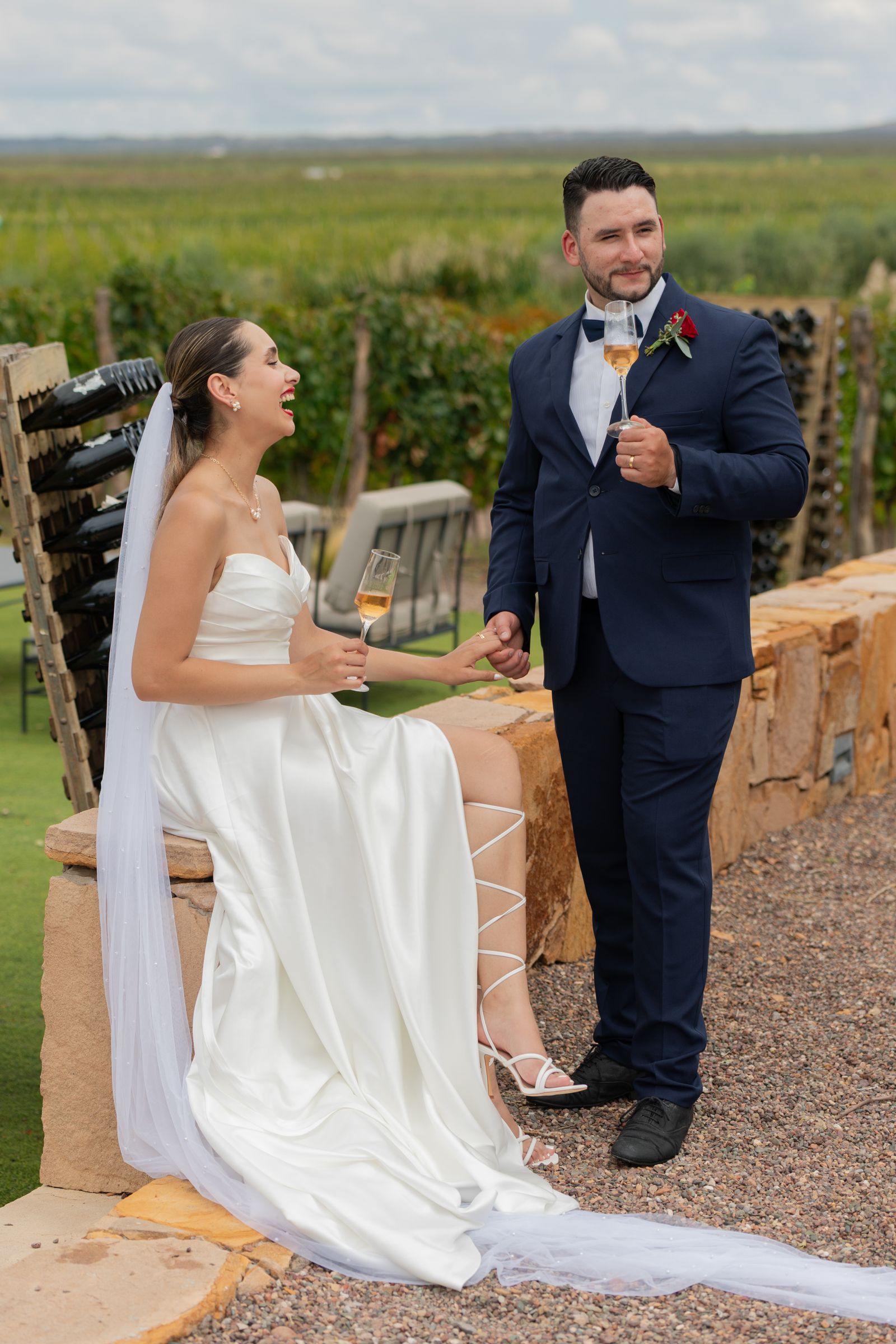
This site lists 721 event photographers, so a second and third answer are always available. Get them while they can still change the outcome: before the deposit, before the contract, before the day. A second opinion sought in time is not doubt. It is how a family that has never hired a photographer borrows, for the price of an email, the experience of someone who has hired a hundred.
Sources
- TheCamera.School, Event Photography Pricing — published United States event rates of $150 to $500 an hour, half-day and full-day ranges across named price lists, and experience-based hourly bands.
- PHLEARN, How Much to Charge for Photography in 2026 — Thumbtack's national average photographer rate of $164 an hour, with low-end quotes averaging $122 and high-end quotes $364, alongside published professional ranges.
- Bark, Photographer Prices 2026 — marketplace event photography rates of $150 to $500 an hour and experience-level hourly averages.
- Vowness, How to Choose Wedding Vendors — shortlisting three vendors per category, sending the same brief and questions to each, and comparing quotes line by line on identical hours and services.
- WeddingWise, How Many Quotes to Get and How to Compare Two Quotations — three quotations as the point at which a price becomes a market, and the brief elements that make quotations comparable.
- ThePerfectWedding, How to Compare Wedding Vendor Quotes — normalising quotes by hours, overtime, travel, taxes, deposits and cancellation terms before comparing all-in totals, and common red flags in quotes.
- Precious Pics Pro, How to Choose Wedding Vendors — consultation questions on backup plans, references and cancellation terms, and red flags including vague contracts, booking pressure and large upfront demands.
- Photo by Pavel Danilyuk, https://www.pexels.com/photo/8761319/
- Photo by Pavel Danilyuk, https://www.pexels.com/photo/6405773/
- Photo by Lilen Diaz, https://www.pexels.com/photo/joyful-wedding-couple-toasting-in-mendoza-vineyard-31531920/
More guides
- How to Find a Wedding Photographer: The Complete, Honest GuidePhotographers › Wedding Photographers
- How Much Does a Wedding Photographer Cost? Packages DecodedPhotographers › Wedding Photographers
- 10 Questions to Ask a Wedding Photographer Before You BookPhotographers › Wedding Photographers
- Wedding Photography Styles Explained: Documentary, Editorial, Traditional, Fine ArtPhotographers › Wedding Photographers
- Hiring a Wedding Photographer in California: Venue Light, Permits, and Price LevelsPhotographers › Wedding Photographers
- All Guides & ArticlesBrowse the full guides library