Photographers › Portrait & Commercial Photography
Second Opinions in Portrait and Commercial Photography: When to Get One and How to Use It
In medicine, a second opinion is a ritual so respectable that insurers pay for it. In photography, asking for one still feels faintly like an insult — as if comparing two photographers' answers implied that one of them must be lying. That feeling is expensive. A portrait commission shapes how a person or a business looks for years. A commercial shoot can carry a five-figure production day and a licensing structure that outlives everyone who negotiated it. These are precisely the decisions a second opinion exists for: consequential, hard to reverse, and priced in a market with no rate card.
I managed a portrait studio, and I watched the difference from the inside. Clients who had a second answer — another quote on the same brief, another professional's read on a portfolio or an estimate — asked better questions, signed calmer contracts, and almost never returned with the particular fury of someone who discovers, afterwards, that the thing they bought was not the thing they meant. This guide is about when a second opinion in portrait and commercial photography is worth its cost, how to get one without burning the bridges you may still need to cross, and how to compare two answers that were never designed to be compared.
What a "second opinion" actually is, in this trade
The phrase covers four different instruments, and confusing them is the first mistake:
A second quote. The same written brief, priced by a second photographer. This is the most common form and the one with the highest value per hour of effort, because photography quotes are only comparable when the brief is identical — the same deliverable count, locations, usage, and deadline. Two quotes on two different understandings of your job are not a comparison; they are two monologues.
A portfolio second opinion. An independent professional — a photo editor, a producer, a consultant, a trusted photographer in a different specialism — reviews the work you are about to buy and tells you whether it is what it claims to be. This exists as a formal service in commercial photography: established consultancies offer estimate reviews and portfolio and pricing consultations, typically structured as one to two hours of expert time with a turnaround of a day or two. The principle generalises downward: for a major portrait commission, paying an uninvolved professional for an hour of honest reading is cheap insurance.
An estimate or contract review. A second pair of professional eyes on a specific document: is this licensing structured sensibly, are the production lines complete, is anything missing that will reappear as an invoice later? Consultancies describe the work exactly that way — checking that a quote structures the license properly, prices the fee appropriately, and lists all the production expenses the job will actually incur.
A paid test. The strongest second opinion of all, because it is not an opinion: a short, paid pilot shoot — a half day, one location, a tight shot list, full delivery terms — whose finished files replace speculation about how a photographer works. Business hiring guidance recommends it explicitly for large catalogues and repeat programmes. For portraits, the miniature version is the engagement-style or trial session before a major commission.
When it is worth the cost — and when it is theatre
A second opinion earns its fee when at least two of these are true:
- The money is real. A commercial day with crew, or a portrait programme for a whole company's leadership, justifies hours of verification. A $200 headshot does not need a consultant; it needs a second quote, which is free.
- The use is long-lived or wide. Licensing multiplies quietly. An image licensed for a website is one purchase; the same image on packaging, in paid media, and in partners' hands for three years is another, several times larger. When the license is the biggest line, a second opinion on the license is the highest-value hour you can buy.
- The two answers you already have disagree wildly. A 40 percent gap between quotes on an identical brief is not a bargain sighting; it is information that one photographer has misunderstood the job, excluded something, or priced the rights differently. The second opinion's job is to find out which.
- You cannot judge the work yourself. Most clients cannot evaluate retouching quality, colour consistency, or whether a portfolio's best images were made under conditions like theirs. Evaluation guides make the same point from the buyer's side: judge full delivered projects, not hero images, and compare candidates against the same criteria — because a lay eye comparing two highlight reels is comparing marketing, not photography.
- The relationship will repeat. A business that will shoot quarterly for years is not buying a session; it is appointing a supplier. Supplier appointments deserve a process: brief, quotes, test, review.
And the honest counterweight: a second opinion is theatre when the decision is already made and the opinion is being collected as decoration, when the job is small and reversible, or when "second opinion" means asking a friend with a camera whether the professional's price "sounds like a lot." It always sounds like a lot. That is not information.

How to get one without burning bridges
Photographers talk to each other, especially locally, and the fear of offending the first photographer keeps clients from verifying things they would verify in any other purchase. The etiquette that solves this is simple, because professionals — real ones — are not offended by process. They are offended by specific behaviours, all avoidable:
Do not hide that you are comparing, and do not auction. "We are taking two quotes on this brief and deciding Friday" is a sentence every working photographer has heard and respects. What corrodes trust is the reverse auction — carrying each price back to the other photographer in rounds, shopping a quote line by line, or asking one photographer to match another's number while keeping the other's scope. Compare in private; negotiate once, on scope, with the photographer you choose.
Never show one photographer another's full quote. Ask questions drawn from it — "your estimate has no line for an assistant; the job seems to need one; what are we missing?" — without handing over the document. A photographer's estimate is their work product, and circulating it is the fastest way to become a client the local trade describes accurately to each other.
Brief identically, disclose identically. If one candidate gets the mood board, the shot list, the usage plan, and the deadline, the other gets them too. A second opinion built on asymmetric information measures your briefing, not their pricing.
Pay for opinions that are work. A consultant's hour, an editor's review, a test shoot: these are professional services, and asking for them free is how clients acquire opinions worth what they paid. The exception is the second quote itself, which is a normal cost of a photographer's business — but respect its price in effort by sending a real brief, not a paragraph and a hope.
Tell the loser, briefly and kindly. A short message — we went the other way on style, the work is booked, thank you for the estimate — takes ninety seconds and is remembered for years. Studios keep notes. The client who disappears after consuming three hours of quoting is the client whose next enquiry, in a small market, gets answered at a different speed.
Comparing two answers: the method
Lay the two quotes side by side and force them onto one grid. Hiring guidance for business photography is consistent about the columns, because they are where quotes hide their differences:
| Compare this | What to look for |
|---|---|
| Scope and deliverables | Same shot list, same finished-image count, same formats and sizes? If not, you do not have two prices for one job |
| Creative fee | Day or session rate, hours included, and who is actually shooting |
| Production | Crew, assistants, styling, location, travel, equipment — included, excluded, or silently assumed to be yours |
| Post-production | Retouching level and rounds of revisions, stated; sample files reviewed at real web and print sizes |
| Licensing | Media, territory, duration, exclusivity, partner use — the line where the cheap quote most often becomes the expensive one |
| Total cost per usable image | The whole production divided by the finished, licensed images you will actually use — the only honest bottom line |
Worked logic, from a pattern every studio manager has seen: Quote A is lowest but covers basic edits and web-only use. Quote B is mid-range with full retouching and online use including paid advertising. Quote C is highest and includes a stylist and props. Divided per finished image at matching usage, B is cheaper than A once A's retouching and advertising upgrades are added — and C's premium buys production value the brief may or may not need. The second opinion, whether it comes from a consultant or from your own grid, exists to perform exactly that arithmetic before the signature, when it is free, rather than after, when it is a renegotiation.
Two judgement rules govern the whole comparison. First, evaluate portfolios as complete deliveries: at least one full project, at the subjects, locations, and light your job involves, checked for consistency across the set rather than brilliance at the top of it. A photographer is the fortieth frame of a long day, not the first. Second, weight communication as evidence, not charm: the photographer who answers a structured brief with structured questions is showing you the production discipline your shoot day will run on. Style can be seen. Process has to be inferred, and the quoting process is where it shows itself.
Using the opinion once you have it
A second opinion is an input, not a verdict, and it should change your behaviour in one of three clean ways: it confirms the first answer, and you proceed with the confidence that is itself worth money; it identifies a specific gap — a missing production line, an under-scoped license, a portfolio inconsistency — and you close that gap with the original photographer, whose response to a precise, evidence-based question will tell you the rest of what you need to know; or it reveals that the two professionals are describing different jobs, and you rewrite the brief until they are not.
What it should never do is become a third negotiation that never ends. Set the decision date when you commission the opinion, and keep it. The point of verification is a better decision, made once — after which the professional thing, for a client as much as for a photographer, is to commit, brief generously, and let the chosen photographer do the work you have now confirmed they can do.
This site lists 381 portrait and commercial photography specialists, within a far larger directory of working photographers — enough that no client in this trade ever has to buy on one answer alone. The second opinion is not distrust. Done the way this guide describes, it is the opposite: the mechanism by which trust, when you finally extend it, is worth extending.
Sources
- Wonderful Machine, Pricing and Negotiating consulting services — estimate review as a professional service of one to two hours, checking licensing structure, fee appropriateness, and completeness of production expenses, alongside contract and licensing review.
- Rudrriv Tech, Photographers for Business: Hiring Guide — defining use, deliverables, and usage before quoting; like-for-like comparison of hours, crew, retouching, formats, and licensing; and a short paid test or pilot for large or repeat programmes.
- CFWork, How to Hire a Freelance Product Photographer — the identical shot list as the basis of comparable quotes, per-final-image comparison, and a worked example in which the mid-range quote is cheapest once retouching and advertising usage are matched.
- Skyline Digital, How to Choose a Professional Photographer — judging at least three full projects rather than highlight images, checking style consistency and relevance, and comparing candidates on shared criteria.
- J. Scott Marketing, Hiring a Photographer: 7 Questions to Ask — fee inclusions, licensing as a separate question, and reshoot policy as comparison points.
- Brand portrait of a woman — photo by Andrea Piacquadio, https://www.pexels.com/photo/762020/
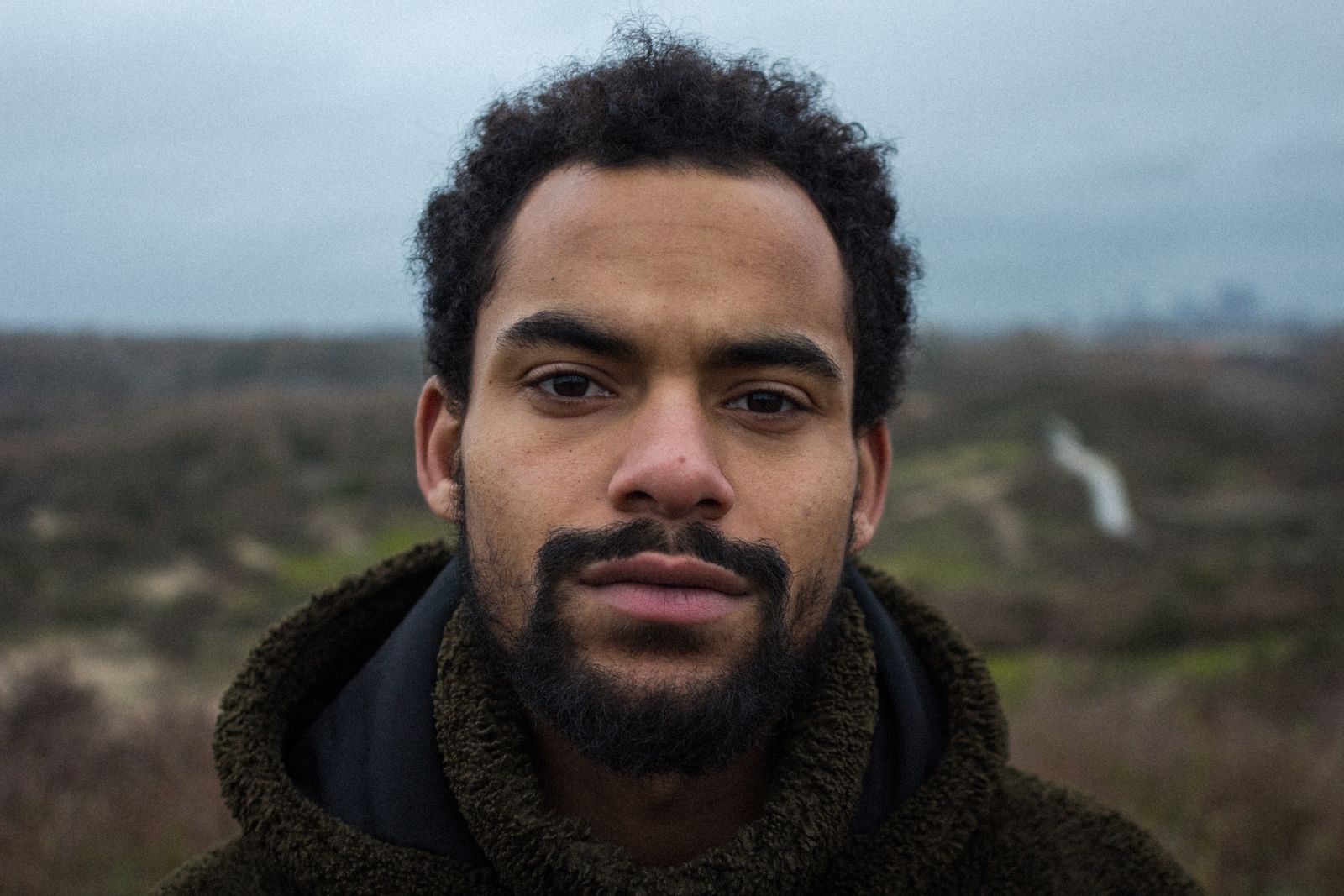
- Business portrait of a man — photo by Thyrone Paas, https://www.pexels.com/photo/1722198/
More guides
- How to Find a Wedding Photographer: The Complete, Honest GuidePhotographers › Wedding Photographers
- How Much Does a Wedding Photographer Cost? Packages DecodedPhotographers › Wedding Photographers
- 10 Questions to Ask a Wedding Photographer Before You BookPhotographers › Wedding Photographers
- Wedding Photography Styles Explained: Documentary, Editorial, Traditional, Fine ArtPhotographers › Wedding Photographers
- Hiring a Wedding Photographer in California: Venue Light, Permits, and Price LevelsPhotographers › Wedding Photographers
- All Guides & ArticlesBrowse the full guides library