Photographers › Portrait Photographers
Second Opinions in Portrait Photographers: When to Get One and How to Use It
Every other consequential purchase in your life has a second-opinion ritual. You get another quote on the roof, another diagnosis on the knee, another valuation on the house. Portrait photography mostly skips the ritual, and the reason is social, not rational: asking a second photographer to look at your plans feels like telling the first one you do not trust them. From the studio side of the desk, I can tell you that working photographers do not read it that way — they compete for bookings every week, and the good ones would rather lose a job at the inquiry stage than inherit a disappointed client at the delivery stage. A second opinion in this trade is not a single product. It is three different tools — a competing quote on the same brief, a trial session before a big commitment, and a professional's review of work already delivered — and each is worth its cost in different situations. This guide explains when each one pays, how to get it without burning the bridge behind you, and how to actually use two answers once you have them.
When a second opinion is worth its cost
The governing arithmetic is simple: a second opinion is worth buying when the cost of being wrong about the first photographer is large and the opinion is cheap relative to it. That arithmetic is most favorable in four situations.
The booking is large and unrepeatable. A wedding, a once-a-decade extended-family reunion, a brand-defining portrait commission — events that cannot be restaged if the photographs disappoint. Against a wedding package of several thousand dollars, a trial session costing a few hundred is insurance priced at a few percent, and it converts the largest unknown in the booking — what it is actually like to be photographed by this person — into a known.
Two finalists are genuinely tied. When two photographers' portfolios both please you and their prices are within reach of each other, further staring at websites produces no new information. The tie is broken by evidence only a second step can generate: a fuller gallery, a conversation about your specific event, a short session.
The first quote contains something you cannot evaluate. A line item you do not understand, a licensing restriction you cannot price, a delivery promise that sounds too fast or too slow. A second quote on the identical brief is the fastest pricing education available: whatever both photographers charge for is the market; whatever only one charges for is a question.
The work is already delivered and something feels wrong. This is the second opinion nobody wants to need: a professional review of a finished gallery, sought when the images disappoint and you cannot tell whether the problem is taste, technique, or your own expectations. Another photographer's structured assessment — is the exposure sound, is the color consistent, is this within the normal range for the price paid — turns an argument about feelings into a conversation about standards, which is the only kind that ever gets a reshoot or a refund.
Where a second opinion is not worth it: routine, repeatable, low-cost sessions. A $200 mini session is its own trial; paying to de-risk it costs more than the risk. And a second opinion sought after you have already decided — to ratify a choice rather than inform it — buys reassurance, not information. Sometimes reassurance is what a family actually wants before a big day, and that is a legitimate purchase, but name it honestly.
Tool one: the competing quote, done properly
A competing quote only teaches you something if both photographers price the same job. Send the second photographer the identical brief you sent the first: the date, the hours, the location, the number of people, the deliverables you want (how many edited images, in what form), the turnaround you need, and the uses you intend. Vague briefs produce quotes padded against uncertainty, and two padded quotes cannot be compared — you will learn which photographer pads more, which is not the question you asked.
Then compare line by line, not total by total. The lines that matter: hours of coverage and the overtime rate; number of edited images included and the price of more; delivery time; travel; what the license or print release allows; and the cancellation and rescheduling terms. Evaluation frameworks for photographers converge on the same five criteria — portfolio quality and style match, pricing transparency, contract and deliverables, reviews and reputation, and communication — and a written quote is where four of the five leave evidence. A photographer whose quote answers questions you did not ask is demonstrating the communication you will get on the day. A photographer whose quote is one attractive number is deferring every argument to later, when your leverage is gone.

Tool two: the trial session — the strongest second opinion in the trade
The trial session is the portrait trade's native second opinion, and the market has formalized it. Wedding photographers offer "try before you buy" mini-sessions — one Phoenix photographer charges $100 for a 30-minute trial mini with ten edited photographs and a money-back guarantee, the fee applied toward a wedding package if you book. A Dallas–Fort Worth photographer prices a fuller trial at $400 for a 60-minute session with at least 25 retouched images, the full $400 returned as print credit if you book the wedding. A New York studio's couples mini runs $125 for 20 minutes and five edited images, credited toward a wedding package booked within 30 days. Matching services have built the trial into the product itself: one concierge arranges a free trial engagement session before any wedding commitment, charging a $100 planning and travel fee to secure the date. Standalone engagement sessions — the traditional trial in everything but name — publish from $300 for a 20-minute mini to $600 for an hour and $900 for an extended session.
What a trial actually tests, in descending order of importance: how the photographer directs (clearly or vaguely, kindly or brusquely — and whether you, specifically, relax under it); how you and your partner or family look in their hands, in their light, in their edit; the real delivery time against the promised one; and the unglamorous machinery — contracts, communication speed, gallery quality — at small stakes. Judge the trial on the full set of delivered images, not the three best: consistency across twenty frames is the professional signal, because your event will be photographed at frame twenty's standard, not frame one's.
For family and portrait work beyond weddings, the same instrument exists at smaller scale: book the mini or short session first, before committing to the large extended-family production or the multi-generational wall portrait. The photographer who handles your restless six-year-old beautifully for twenty minutes has answered the only question the big session really asks.
Tool three: the review of delivered work
When the photographs already exist and the question is whether they are good enough, hire the second opinion explicitly as a review. Another working photographer — ideally one who does not compete for the same clients, which is why photographers from an adjacent market or a professional association's referral often serve best — examines the full delivered gallery against the contract: what was promised in count, format, and timeframe; whether exposure, focus, color consistency, and composition meet the ordinary professional standard for the price tier; and which faults are objective (missed focus, blown highlights, inconsistent color across a set) versus matters of style. Expect to pay for an hour or two of a professional's time, and expect the honest ones to sometimes tell you the work is fine and the mismatch is taste — which is itself valuable, because it redirects the conversation from refunds to the achievable fix: a re-edit, a different selection, or a partial reshoot of specific groupings. Bring the contract, not just the photographs; a review without the promise is only an opinion about pictures, and the dispute, if there is one, is about the gap between promise and delivery.
How to ask without burning bridges
The etiquette is simpler than people fear, and it is mostly about sequencing and honesty. Get second quotes before you sign, not after — shopping after signing is not a second opinion, it is a breach looking for a justification. Do not announce the competition as leverage. "Another photographer quoted less" invites a negotiation about price when the useful conversation is about scope; if a quote is genuinely lower for the same brief, ask your first choice, once, whether the scope differs or whether they can match — and accept the answer. Be transparent with the trial photographer that the session is a trial; the good ones build their offers around exactly that and will work harder, not less, for knowing. And close the loop with the photographer you do not choose: a short, kind message — we went another way for this date, thank you for the work you put into the quote — costs two minutes and preserves the relationship you may need when your first choice is booked for the next event. In every local market, photographers refer overflow work to each other constantly. The client who declined gracefully is the client they refer well.
Using two answers: the comparison that decides
When the two opinions conflict — and the useful ones do — do not average them. Ask instead what each answer is evidence of. A cheaper quote on the same brief is evidence about price, not about quality. A trial session is evidence about fit and consistency, which no quote can supply. A review of delivered work is evidence about standards, which settles arguments but cannot improve photographs already taken. Decide which uncertainty was actually keeping you awake — the money, the fit, or the standard — and weight the opinion that addresses it. The most common failure I watched from the studio desk was not clients choosing the wrong photographer; it was clients collecting opinions about everything except the thing they were actually unsure of, and arriving at the day with the real question still untested. Name the question first. Then buy the opinion that answers it.
The short version
This site lists 672 portrait photographers, and a second opinion is how you turn a list that long into a decision you can defend: a competing quote on an identical brief when the question is price, a trial session — $100 to $400 at published rates, usually credited if you book — when the question is fit, and a paid professional review when the question is whether delivered work meets the standard you paid for. Get them in that order, before you sign, with the question named. The photographers worth hiring will not be offended. They will recognize the behavior of a client who knows what they are buying — because it is the same behavior they show every vendor they hire themselves.
Sources
- Antonio Medina Photography, Phoenix engagement experience — establishes a $100 "try before you buy" 30-minute trial mini-session with ten edited photographs, money-back guarantee, and fee applied toward a wedding package.
- Mordi Photographie, photography trial session — establishes a $400, 60-minute trial session with at least 25 retouched images, returned as print credit if the wedding is booked.
- Love, Violeta Rose, couples studio mini session (New York) — establishes a $125, 20-minute studio mini with five edited images, credited toward a wedding package booked within 30 days.
- Focal Concierge, wedding photographer matching — establishes a free trial engagement session before booking, with a $100 planning and travel fee, and full-gallery review before deciding.
- Emberlight Media, Colorado engagement photography — establishes standalone engagement session prices of $300 (mini), $600 (one hour), and $900 (extended).
- Skyline Digital, "How to Choose a Professional Photographer: 5 Criteria That Matter" — establishes the five-criteria evaluation framework (portfolio, pricing transparency, contract and deliverables, reviews, communication) and reviewing at least three full projects rather than highlight galleries.
- Portrait session photograph: photo by Vitaly Gariev, https://www.pexels.com/photo/36697244/
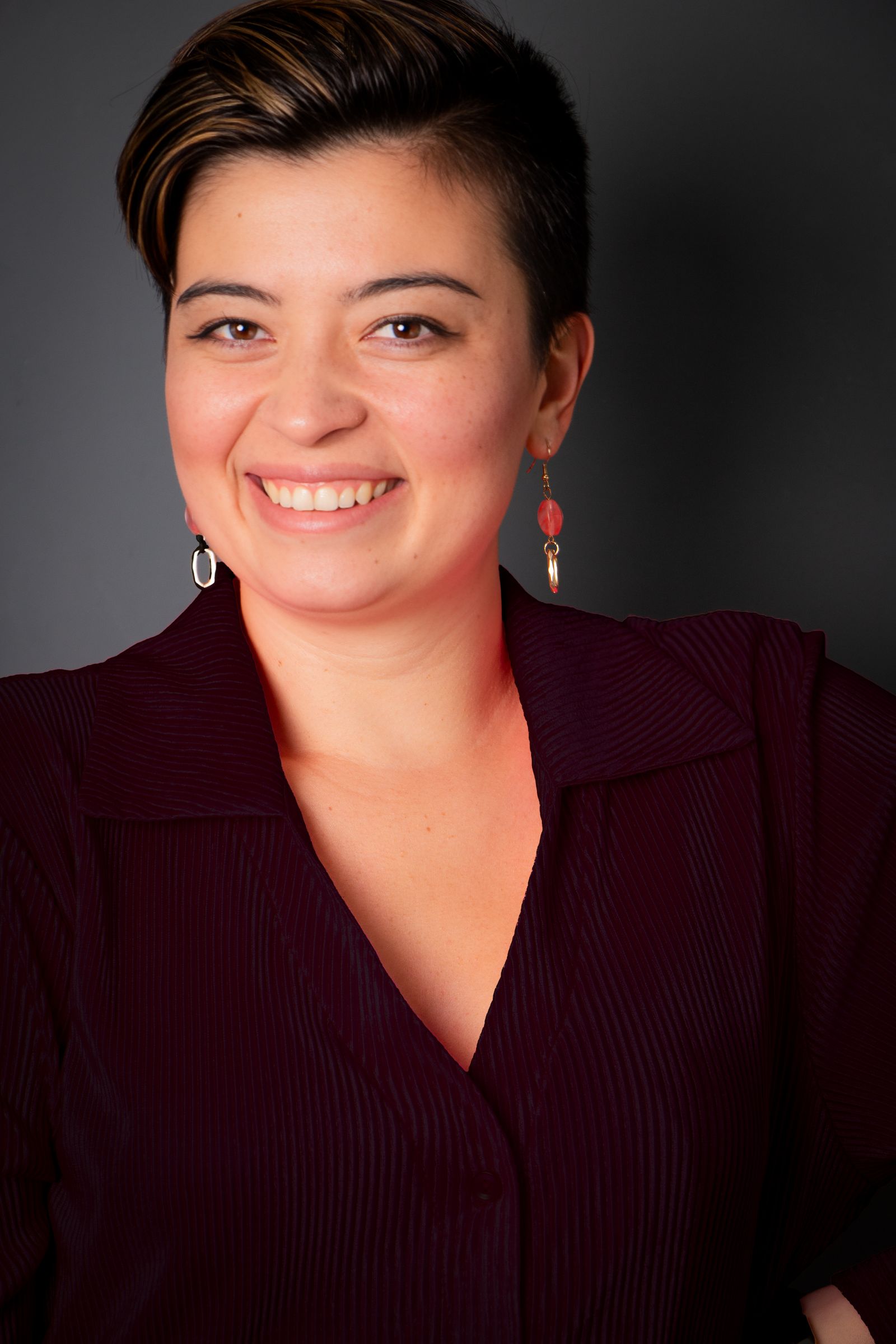
- Headshot photograph: photo by Tony Zohari, https://www.pexels.com/photo/38197025/
More guides
- How to Find a Wedding Photographer: The Complete, Honest GuidePhotographers › Wedding Photographers
- How Much Does a Wedding Photographer Cost? Packages DecodedPhotographers › Wedding Photographers
- 10 Questions to Ask a Wedding Photographer Before You BookPhotographers › Wedding Photographers
- Wedding Photography Styles Explained: Documentary, Editorial, Traditional, Fine ArtPhotographers › Wedding Photographers
- Hiring a Wedding Photographer in California: Venue Light, Permits, and Price LevelsPhotographers › Wedding Photographers
- All Guides & ArticlesBrowse the full guides library