Photographers › Sports Photographers
Sports Photography Rules, Licenses and Regulations, Explained in Plain English
Sports photography looks like the freest kind of photography there is. The games are public, the action is outdoors, and anyone in the stands can take a picture. Then someone tries to sell those pictures, or stand on the sideline, or fly a drone over the field, or put a player's face in an advertisement — and four different rulebooks land on the table at once. There is no single "sports photography license" in the United States. There is a stack: permission to be there, ownership of the image, permission to use the people in it, and, for drones, federal airspace law. Each layer has a different owner, and satisfying one does nothing for the others.
This guide walks the stack in plain English, for the people who hire sports photographers — schools, leagues, teams, event organizers, and families — as much as for the photographers themselves. It ends with the verification checks to run before you pay anyone, because in this field compliance is not paperwork for its own sake. It is the difference between photographs you can use and photographs you have to take down.
Layer one: permission to be there — credentials
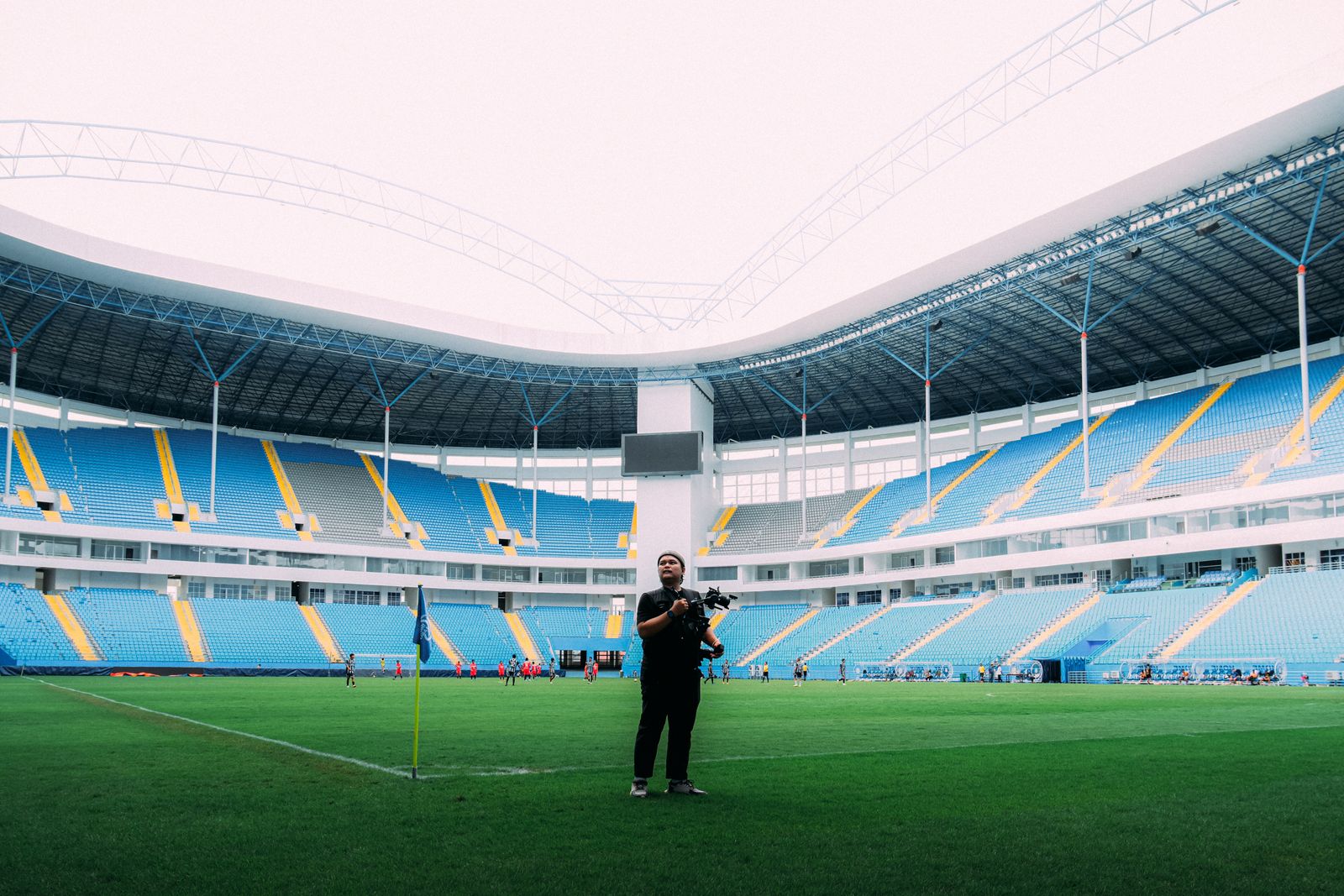
A ticket buys a seat, not a sideline. Organized sports control field-level access through credentials, and the system is strictest exactly where the money is. At the scholastic level, state athletic associations run formal credentialing: Kentucky's high school association, for example, issues championship credentials only to working media who regularly cover high school athletics, requires that a freelancer's credential be requested by the sports editor or director of the outlet the freelancer represents, makes credentials non-transferable and revocable, and does not issue media passes to anyone under 18 except under its student-media policy. That pattern — apply in advance, through an outlet or organization, for a named person, for a named event — repeats at college and professional levels with tighter gates.
For the youth and school sports most families encounter, the "credential" is simpler but just as real: the school, league, or event organizer decides who shoots commercially from the sideline, and many designate an official photographer and exclude other commercial shooting. Some associations go further in writing. One North Carolina independent-schools association policy states that by participating, athletes may be photographed and even published without further express permission — and, in the same document, prohibits still photography at its events except as expressly authorized, claims ownership of rights in event imagery, and strictly prohibits selling or redistributing photographs from its events for personal or commercial gain without its written permission, on pain of revoked credentials and possible civil damages. Read that pairing carefully, because it captures the whole field: spectators taking pictures is tolerated; commerce is licensed.
The practical translation for anyone hiring: your photographer needs the organizer's permission for commercial sideline work, in writing, for your event. "I've shot here before" is not a credential.
Layer two: who owns the photograph — copyright
Federal copyright law is the one genuinely national layer. Copyright vests initially in the author of the work — for a photograph, the photographer who made it — at the moment of creation, with no registration or notice required. The big exception is built into the same statute: for a work made for hire, the employer or commissioning party is considered the author and owns the rights, unless the parties have expressly agreed otherwise in a signed writing. In practice that exception covers staff photographers shooting within their employment far more readily than freelancers, which is why the contract matters: a school or team that hires a freelancer and assumes it owns the images has usually bought a license to use them, not the copyright — and the license's terms (team website? yearbook? social media? sponsors?) are whatever the contract says.
Ownership of the file and ownership of the object are also different things: the statute expressly separates copyright from ownership of the material copy, so receiving prints or a drive of files does not by itself transfer any rights. And layer one can override layer two at championship level: associations like Kentucky's state in their credential terms that the intellectual property and media rights to their postseason championships belong exclusively to the association, and credentialed media accept those terms as the price of access. A photographer can own a photograph and still have contractually promised not to sell it. Both things are true at once, constantly, in this field.
Layer three: the people in the picture — editorial versus commercial use
Owning a photograph does not settle what you may do with the faces in it. The working distinction is editorial versus commercial use. Editorial use — news coverage, reporting, a yearbook's documentary pages — generally does not require a model release from the people photographed. Commercial use — advertising, endorsement, putting an athlete's likeness to work selling a product — implicates the person's right of publicity, which is state law, varies by state, and is not transferred by the photographer's copyright license. An advertiser can hold a perfectly valid license from the photographer and still lack the one permission that matters: the athlete's.
For minors, add the organizer's rules and ordinary caution. Youth leagues and schools set their own photography and publication policies — some, as above, treat participation as acceptance that images may be captured and published; others restrict identification or commercial sale. A photographer selling individual action photos to the parents of the players pictured is the standard, accepted model of youth-sports photography — and it operates inside the league's permission, which is why "official photographer" arrangements exist. The same photographer selling a recognizable child's image to a stock agency or an advertiser is in different territory entirely, and any league or parent should expect releases before that happens.
Layer four: the airspace — drones at games
Drone photography at sports events runs into the hardest rules in this guide, and they are federal. The FAA prohibits drone operations in and around stadiums from one hour before until one hour after a scheduled Major League Baseball, National Football League, or NCAA Division I football game, and major NASCAR, IndyCar, and Champ Series races. The restriction, set out in the FAA's sporting-events NOTAM, covers a radius of three nautical miles around a stadium seating 30,000 or more, up to and including 3,000 feet above ground level, designates the airspace as National Defense Airspace, and exempts only authorized operations such as the broadcast rights holder flying under an approved waiver. Knowing or willful violation can bring criminal penalties. Separately, ordinary commercial drone work anywhere requires a Part 107 Remote Pilot Certificate, and standard rules restrict flying over people — which a crowd, by definition, is.
So when a drone operator offers aerial coverage of a big game, the correct response is a request for the waiver paperwork. For a high-school or youth event at a small venue, the stadium restriction may not apply — but Part 107, the over-people rules, and the organizer's own permission all still do.
The consumer layer: your protections when you pay
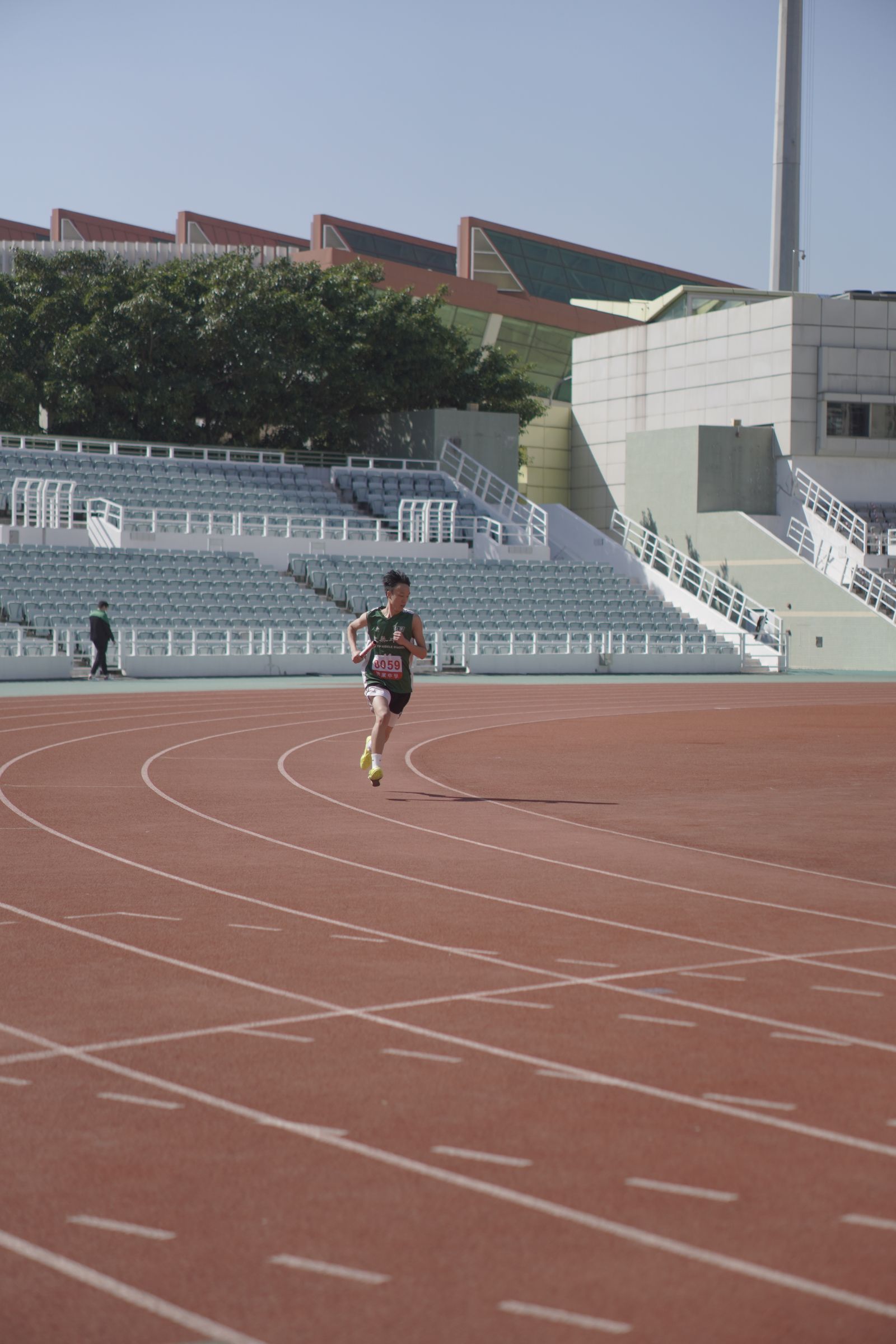
Underneath the rights stack sits ordinary consumer protection, and it is where families actually lose money in this field: season-long photo packages paid upfront to an operator who vanishes, galleries that never open, prints that never ship. The defenses are unglamorous and effective. Pay by a traceable method against a written contract that names the events covered, the delivery date, and the refund terms. Where a package is sold away from the seller's place of business — at a registration table or an expo — the FTC's Cooling-Off Rule may give you until midnight of the third business day to cancel, above thresholds of $25 at home and $130 elsewhere, with written notice owed to you by the seller. And verify the two claims every sports photographer makes: that the league has authorized them, which the league office can confirm in one call, and that they carry liability insurance, which matters more around crowds, sidelines, and minors than in almost any other kind of photography.
The pre-payment checklist
| Check | How to verify it | What "no" means |
|---|---|---|
| Event authorization | Ask for the credential or written permission; confirm with the school, league, or organizer | Sideline access and sales rights may not exist |
| Copyright and license terms | Read the contract: who owns the images, what uses are licensed, for how long | You may be buying less use than you assume |
| Releases for commercial use | Ask whose releases cover any advertising or sponsor use, especially involving minors | A valid photo license still may not permit the ad |
| Drone credentials | Part 107 certificate; for stadium events, an FAA waiver | The flight may be prohibited outright |
| Insurance and delivery terms | Certificate of insurance; delivery date and refund terms in writing | Your only remedy is an argument |
This site's directory lists 183 sports photographers among its listings. Treat that as a starting list, then run the table above. Sports photography's rules are not hostile to anyone — they are how schools protect minors, how leagues protect the broadcast rights that fund them, and how photographers protect work that is genuinely theirs. The professionals in this field can show you their place in every layer of the stack without hesitation. Hire the ones who can.
Sources
- Kentucky High School Athletic Association, media credential announcements and championship credential guidelines — credentials issued to working media, freelancer credentials requested through the outlet's sports editor, non-transferable and revocable, no passes under 18 outside student-media policy, championship media rights held exclusively by the association. https://khsaa.org/09-16-25-media-credential-application-for-remainder-of-2025-is-now-open/
- North Carolina Independent Schools Athletic Association, Media Policy (2021–22) — participation implies images may be captured and published; photography at events only as authorized; sale or redistribution of event photographs for gain prohibited without written permission. https://www.ncisaa.org/wp-content/uploads/2021/10/2021-22-Media-Policy_Member-Schools.pdf
- U.S. Copyright Act, 17 U.S.C. §201 (U.S. Copyright Office) — copyright vests initially in the author; works made for hire vest in the employer or commissioning party absent a signed agreement otherwise; copyright is distinct from ownership of the material object. https://copyright.gov/title17/92chap2.html?ref=exploration.io
- Federal Aviation Administration, Stadiums and Sporting Events, and FDC NOTAM 4/3621 — drone prohibition from one hour before to one hour after MLB, NFL, and NCAA Division I football games and major motor races, within three nautical miles and up to 3,000 feet AGL of stadiums seating 30,000 or more. https://www.faa.gov/uas/getting_started/where_can_i_fly/airspace_restrictions/sports_stadiums
- Student Press Law Center, Access to Student Athletic Events — background on how leagues restrict use and resale of game photographs and the contested line between reporting and profiteering. http://splc.org/2008/04/access-to-student-athletic-events/
Photos: Photographer in a football stadium — photo by Nur Andi Ravsanjani Gusma, https://www.pexels.com/photo/31847342/ ; Athlete running on a track — photo by Gary Chan, https://www.pexels.com/photo/10516108/
More guides
- How to Find a Wedding Photographer: The Complete, Honest GuidePhotographers › Wedding Photographers
- How Much Does a Wedding Photographer Cost? Packages DecodedPhotographers › Wedding Photographers
- 10 Questions to Ask a Wedding Photographer Before You BookPhotographers › Wedding Photographers
- Wedding Photography Styles Explained: Documentary, Editorial, Traditional, Fine ArtPhotographers › Wedding Photographers
- Hiring a Wedding Photographer in California: Venue Light, Permits, and Price LevelsPhotographers › Wedding Photographers
- All Guides & ArticlesBrowse the full guides library